

Paper
Mei Ying Gechlik (Veron Hung)
{
  "authors": [
    "Mei Ying Gechlik (Veron Hung)"
  ],
  "type": "other",
  "centerAffiliationAll": "dc",
  "centers": [
    "Carnegie Endowment for International Peace"
  ],
  "collections": [],
  "englishNewsletterAll": "asia",
  "nonEnglishNewsletterAll": "",
  "primaryCenter": "Carnegie Endowment for International Peace",
  "programAffiliation": "AP",
  "programs": [
    "Asia"
  ],
  "projects": [],
  "regions": [
    "East Asia",
    "China"
  ],
  "topics": [
    "Political Reform",
    "Democracy",
    "Economy",
    "Military"
  ]
}
REQUIRED IMAGE
Recognizing the growing public demand for democratization, the communist leadership of Beijing is prepared to enter a dialogue with Hong Kong democrats. Some in the U.S. Congress want to show solidarity with Hong Kong democrats and toughness toward Beijing by removing beneficial economic treatment that Hong Kong receives. This would be a mistake; better options exist.
Source: Carnegie Endowment
Demonstrations in Hong Kong highlight the ongoing struggle between its citizens and Chinese leaders over the course of democratization there. The United States has substantial economic stakes in Hong Kong, which would be threatened by political crisis. U.S. investment and trade interests depend on preservation of the rule of law in Hong Kong, while Hong Kong also is a bellwether for the political evolution of Greater China, including Taiwan.
Recognizing the growing public demand for democratization, the communist leadership of Beijing is prepared to enter a dialogue with Hong Kong democrats. However, the democrats’ leverage depends on their performance in the September 12 legislative elections. Some in the U.S. Congress want to show solidarity with Hong Kong democrats and toughness toward Beijing by removing beneficial economic treatment that Hong Kong receives. This would be a mistake; better options exist for Americans to help democratization in Hong Kong.
Click on link above for the full text of this Policy Brief.
A limited number of print copies are available.
Request a copy
About the Author
Veron Hung is an associate in the Carnegie Endowment’s China Program. She received her doctorate from Stanford University and has in-depth experience in Chinese law, and law and politics in the Asia-Pacific region. She is the author of China's WTO Commitment on Independent Judicial Review (Carnegie Paper No. 32).

Former Non-Resident Associate
Recent Work
Mei Ying Gechlik (Veron Hung)
Mei Ying Gechlik (Veron Hung)
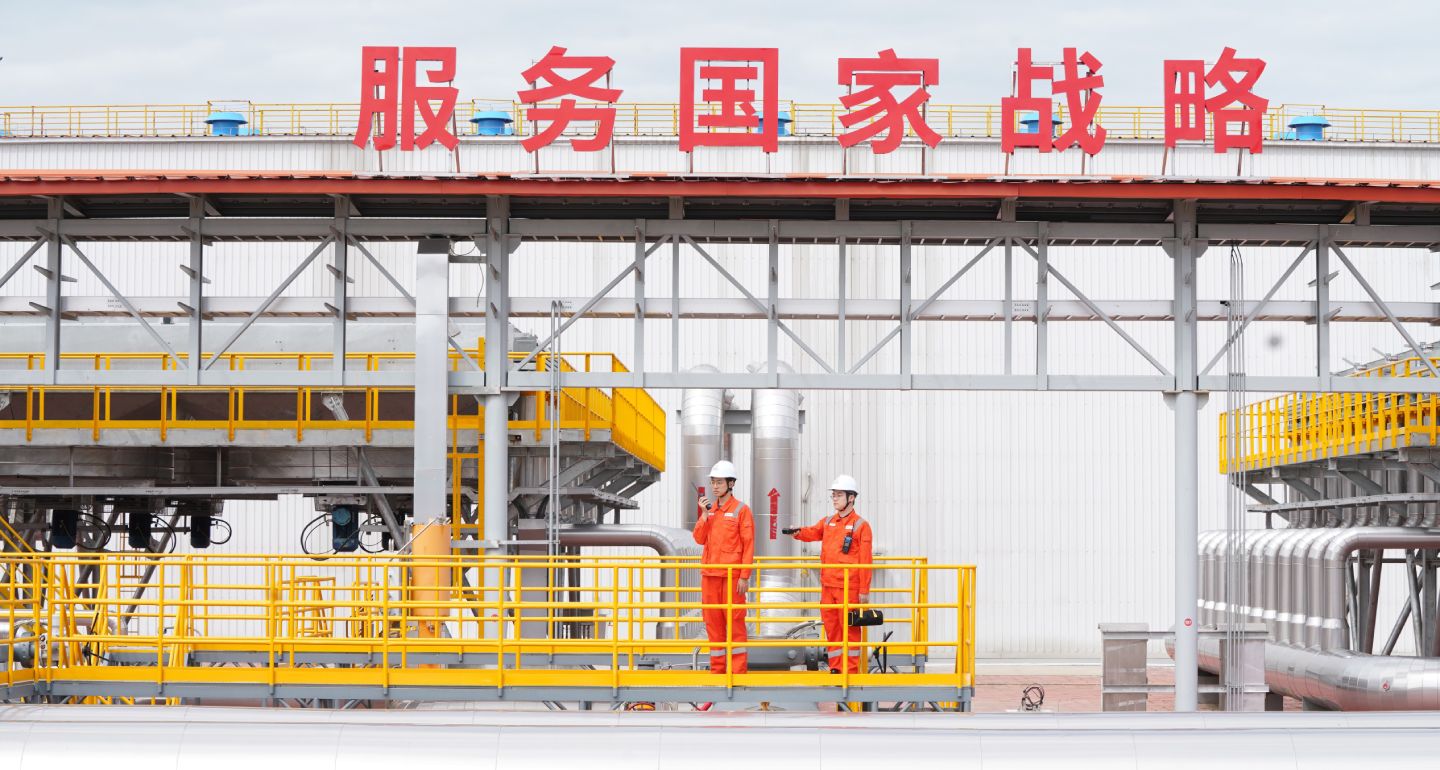
A leak of Russian gas price data helps establish that China is paying Russia far less than Central Asian countries and Gazprom’s former European customers.

Sergey Vakulenko

Putin’s conservative staffing policies and search for ever greater control have cemented parliament’s transformation into a bureaucratic appendage of the executive branch.

Andrey Pertsev

Russian strikes are weakening the economy sustaining Ukraine’s war effort. Closing the growing funding gap will require more European support and politically contentious reforms in Kyiv.

Balázs Jarábik

Ex-president Gurbanguly Berdimuhamedov remains interested in politics, but his son Serdar, Turkmenistan’s current president, is becoming increasingly independent and willing to break with his father’s legacy. If their covert rivalry goes too far, both risk losing power.

Galiya Ibragimova

For every ruble allocated to social policy, health, and education in 2027, double that amount is earmarked for the army, the police, and the security services.

Alexandra Prokopenko