

Commentary
If the Russian-speaking community in Latvia cannot articulate their interests without being seen as disloyal, they could end up embracing a pro-Kremlin agenda.
Sergejs Potapkins

REQUIRED IMAGE
Despite passing considerable economic and social reforms, Arab regimes continue to avoid substantive political reforms that would jeopardize their own power. Reformers in ruling establishments recognize the need for change to increase economic competitiveness, but the preferred process of “managed reform” is leading to further political stagnation.
Source: Carnegie Endowment
Despite passing considerable economic and social reforms Arab regimes continue to avoid substantive political reforms that would jeopardize their own power. Reformers in ruling establishments recognize the need for change to increase economic competitiveness, but the preferred process of “managed reform” is leading to further political stagnation, says a new paper from the Carnegie Endowment for International Peace.
In Incumbent Regimes and the “King’s Dilemma” in the Arab World: Promise and Threat of Managed Reform, Carnegie Senior Associates Marina Ottaway and Michele Dunne argue that emerging, reform-minded leaders in Arab nations face a dilemma—globalization and better public access to information are prompting calls for modernization, yet history shows that even limited reforms introduced from the top often increase, rather than decrease, bottom-up demand for more radical change, as in the case of the Iranian revolution. To contend with this threat, Arab regimes are attempting to control the process of change through “managed reforms”: the introduction of formal, institutional reform without the transfer of real power (Bahrain and Egypt); substantive improvements in citizens’ rights without institutional reform (Morocco); or the limited participation of legitimate opposition groups (Yemen and Algeria).
Key Conclusions:
“The evidence so far is that the top-down process is having very little effect, making at best a marginal difference on specific issues but not leading to the redistribution of power that a true process of democratization and even liberalization would entail. For domestic advocates of managed reform and for outsiders seeking to promote change alike, the lesson appears to be that political reform can never be risk free: Too much close management perpetuates authoritarianism, and unmanaged processes have unpredictable outcomes.”
Click on icon above for the full text of this Carnegie Paper.
A limited number of print copies of this Carnegie Paper are available.
Request a copy
About the Author
Marina Ottaway is a senior associate in the Democracy and Rule of Law Program and director of the Carnegie Middle East Program. Her upcoming publication, Beyond the Façade: Political Reform in the Arab World (co-edited with Julia Choucair-Vizoso), will be released in January 2008.
Michele Dunne is a senior associate and editor of the Carnegie Endowment’s Arab Reform Bulletin. A specialist on Middle East affairs, formerly at the State Department and White House, Dunne’s most recent publication is “Egypt—Don’t Give Up on Democracy Promotion” (Policy Brief, July 2007).
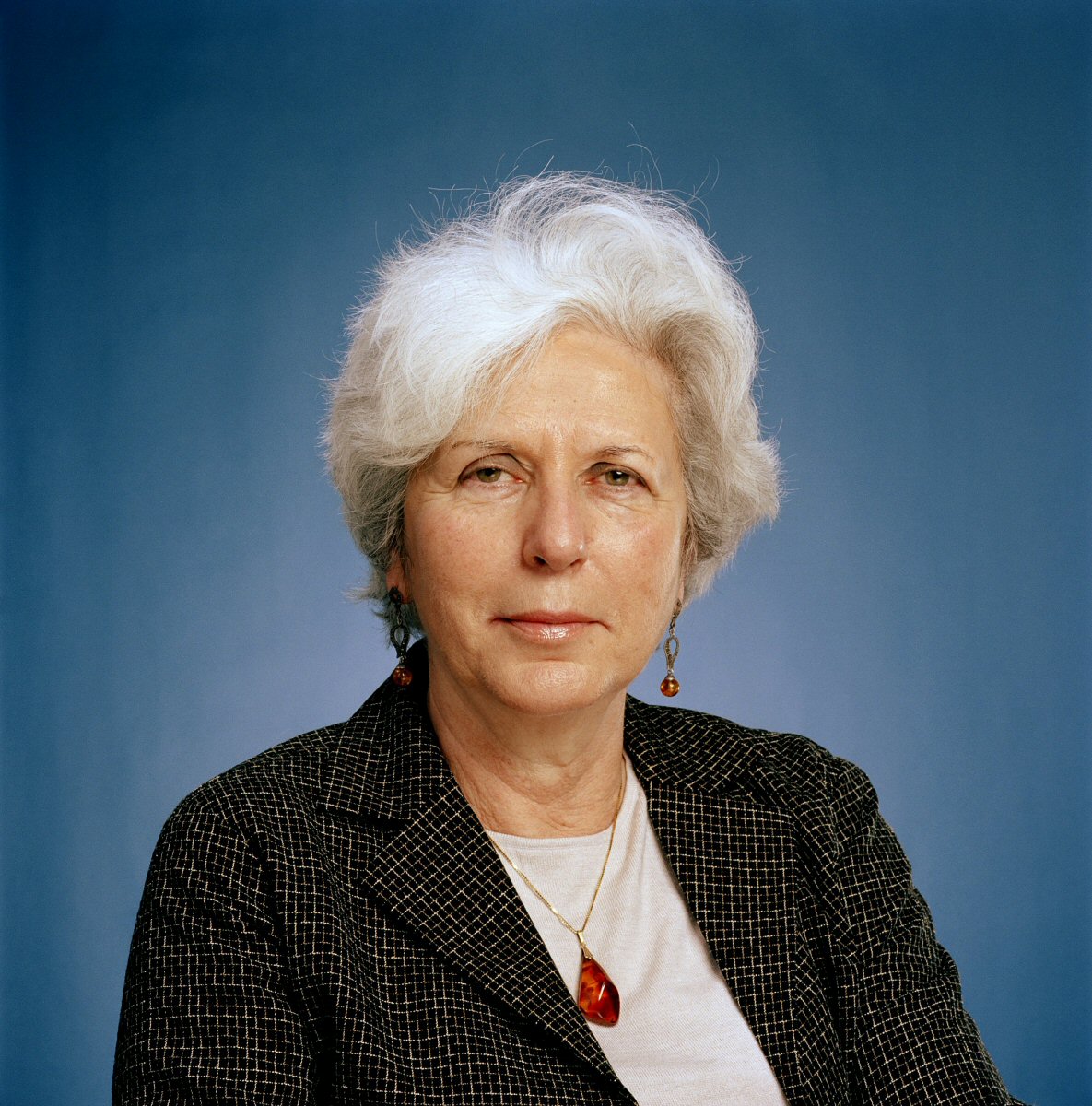
Former Senior Associate, Middle East Program
Before joining the Endowment, Ottaway carried out research in Africa and in the Middle East for many years and taught at the University of Addis Ababa, the University of Zambia, the American University in Cairo, and the University of the Witwatersrand in South Africa.

Former Nonresident Scholar, Middle East Program
Michele Dunne was a nonresident scholar in Carnegie’s Middle East Program, where her research focuses on political and economic change in Arab countries, particularly Egypt, as well as U.S. policy in the Middle East.
Carnegie does not take institutional positions on public policy issues; the views represented herein are those of the author(s) and do not necessarily reflect the views of Carnegie, its staff, or its trustees.

If the Russian-speaking community in Latvia cannot articulate their interests without being seen as disloyal, they could end up embracing a pro-Kremlin agenda.

Sergejs Potapkins

Russia’s ruling party would have benefited from Putin appearing as its distant patron, but as an active frontman imposing his views on the public, he has done nothing but harm both the party’s election campaign and the ruling system overall.

Andrey Pertsev

In the tenth year of his presidency, President Mirziyoyev’s system is becoming even more personalized than that of his predecessor Karimov.

Galiya Ibragimova

The greater threat to Zelensky comes not from Fedorov alone, but from the convergence between the former defense minister’s political campaign and the anti-corruption investigations moving ever closer to the presidential administration.

Balázs Jarábik
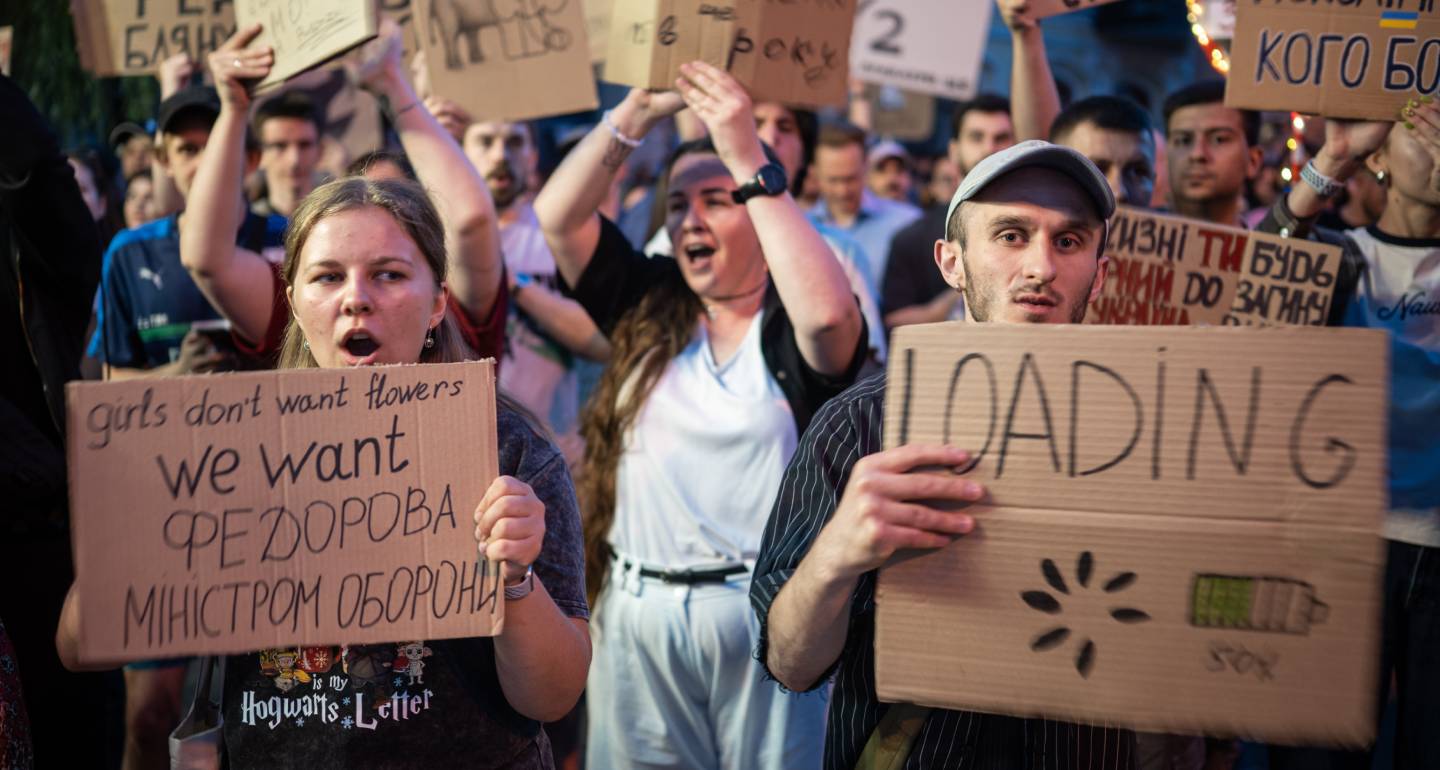
With his public call for new elections in Ukraine, ex-defense minister Mykhailo Fedorov has opened Pandora’s box.

Konstantin Skorkin