• Research
  • Politika
  • About
Carnegie Russia Eurasia center logoCarnegie lettermark logo
  • Donate
REQUIRED IMAGE

REQUIRED IMAGE

Article
Malcolm H. Kerr Carnegie Middle East Center

The Food Price Crisis in the Arab Countries: Short Term Responses to a Lasting Challenge

Arab governments tempered public anger at rising food prices by increasing wages and subsidies, but their approach is not sustainable without raising taxes. Instead they should revise agricultural policies, expand social safety nets, and curb excessive energy consumption, argues Carnegie Middle East Center economist Ibrahim Saif.

Link Copied
By Ibrahim Saif
Published on Jun 23, 2008

Additional Links

Full Text PDF (English)Full Text PDF (Arabic)

Arab governments tempered public anger at rising food prices by increasing wages and subsidies, but their approach is not sustainable without raising taxes. Instead they should revise agricultural policies, expand social safety nets, and curb excessive energy consumption, argues Carnegie Middle East Center economist Ibrahim Saif.

Examining the response to the crisis by both oil-producing Gulf countries and populous non-oil exporting countries, Saif recommends sustainable alternative policies in his new commentary, The Food Price Crisis in the Arab Countries: Short Term Responses to a Lasting Challenge.

Key Conclusions:

  • The ability of governments to raise the salaries of large numbers of public sector employees prevented food protests from worsening but fueled significant inflation, which governments can do little to curb.
  • Arab governments should introduce efficient farming techniques and provide incentives such as tax breaks and easy loans to increase domestic production and create jobs in rural areas.
  • Developed nations should share agricultural techniques and best practices for public food procurement rather than cash assistance.
    He concludes:

“In the short run, there is no quick fix for the crisis created by rising food prices. Particularly in non-oil producing countries, there remains a real danger that people will take to the streets in increasing numbers when they see their livelihoods threatened. And in the Arab countries, the consequences of discontent and anger can easily acquire a geopolitical angle.”
About the Author

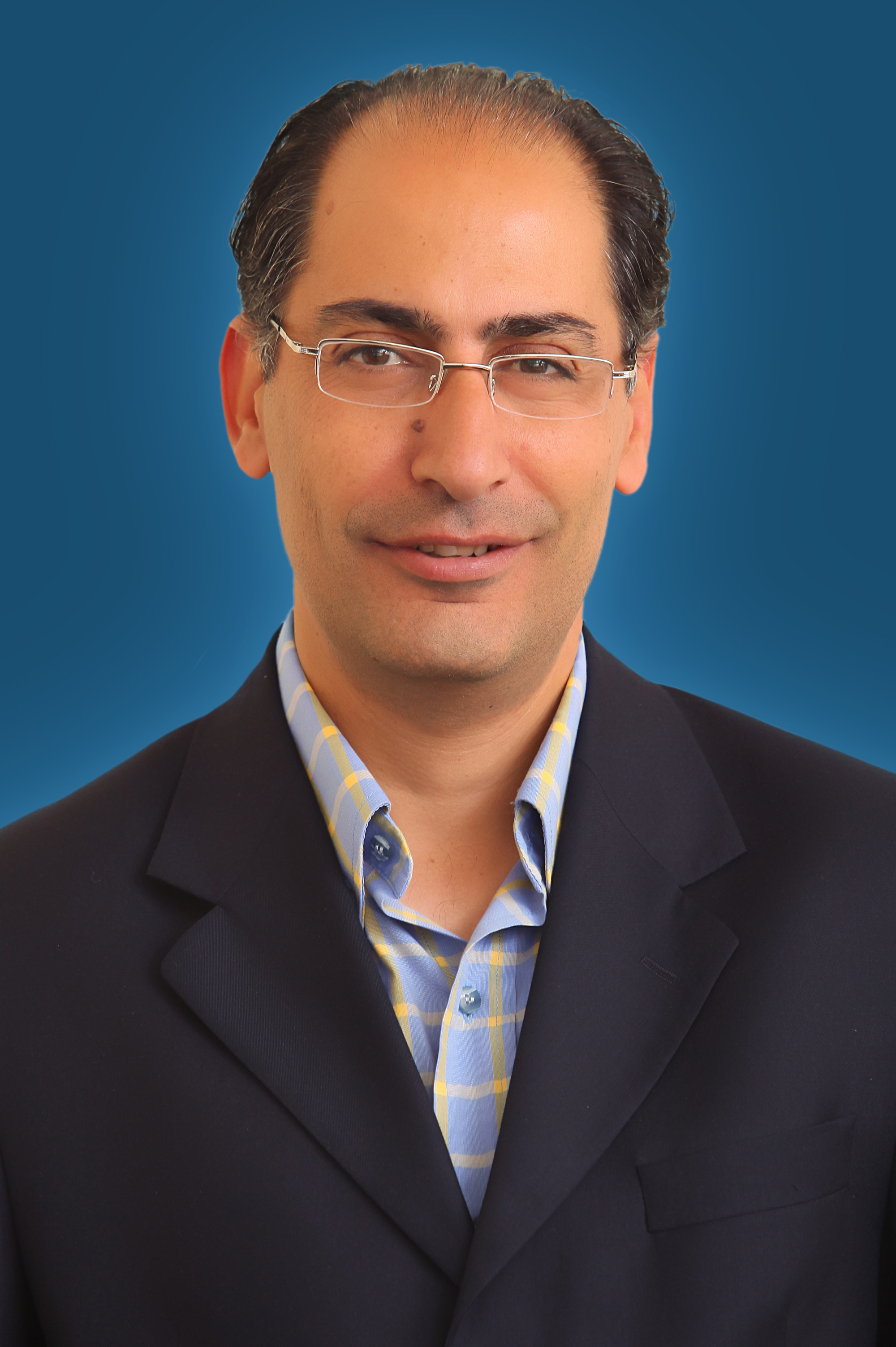
Ibrahim Saif

Former Senior Associate, Middle East Center

Saif is an economist specializing in the political economy of the Middle East. His research focuses on international trade and structural adjustment programs in developing countries, with emphasis on Jordan and the Middle East.

    Recent Work

  • Paper
    The Private Sector in Postrevolution Egypt

      Ibrahim Saif, Ahmed Ghoneim

  • Paper
    The Economic Agenda of the Islamist Parties

      Ibrahim Saif, Muhammad Abu Rumman

Ibrahim Saif
Former Senior Associate, Middle East Center
Ibrahim Saif
EgyptGulfLevantMaghrebMiddle EastEconomy

Carnegie does not take institutional positions on public policy issues; the views represented herein are those of the author(s) and do not necessarily reflect the views of Carnegie, its staff, or its trustees.

More Work from Carnegie Russia Eurasia Center

  • Commentary
    Carnegie Politika
    Once Neutral on the Ukraine War, Arab States Increasingly Favor Moscow

    Disillusioned with the West over Gaza, Arab countries are not only trading more with Russia; they are also more willing to criticize Kyiv.  

      Ruslan Suleymanov

  • Commentary
    Carnegie Politika
    Does Russia Have Enough Soldiers to Keep Waging War Against Ukraine?

    The Russian army is not currently struggling to recruit new contract soldiers, though the number of people willing to go to war for money is dwindling.

      Dmitry Kuznets

  • Commentary
    Carnegie Politika
    Baku Proceeds With Caution as Ethnic Azeris Join Protests in Neighboring Iran

    Baku may allow radical nationalists to publicly discuss “reunification” with Azeri Iranians, but the president and key officials prefer not to comment publicly on the protests in Iran.

      Bashir Kitachaev

  • Commentary
    Carnegie Politika
    What Russia Will—and Won’t—Do for Its Embattled Ally Iran

    It’s one thing to export Russian helicopters to Iran to fight the insurgency, and it’s easy to imagine Moscow becoming a haven for fleeing Iranian leaders. But it’s very difficult to imagine Russian troops defending the Iranian regime on the ground.

      Nikita Smagin

  • Commentary
    Carnegie Politika
    Including Russia on the EU Financial Blacklist Will Hurt Ordinary People, Not the Kremlin

    The paradox of the European Commission’s decision is that the main victims will not be those it formally targets. Major Russian businesses associated with the Putin regime have long adapted to sanctions with the help of complex schemes involving third countries, offshore companies, and nonpublic entities.

      Alexandra Prokopenko

Get more news and analysis from
Carnegie Russia Eurasia Center
Carnegie Russia Eurasia logo, white
  • Research
  • Politika
  • About
  • Experts
  • Events
  • Contact
  • Privacy
Get more news and analysis from
Carnegie Russia Eurasia Center
© 2026 Carnegie Endowment for International Peace. All rights reserved.