

Commentary
Tokyo would have to surmount a lot of obstacles—not least Western sanctions—if it wanted to return Russian oil imports to even modest pre-2022 volumes.
Vladislav Pashchenko
Source: Getty
While tensions are rising on the Korean Peninsula and forecasting the North Korean leadership’s next steps is difficult, none of the parties involved have any interest in further escalation.
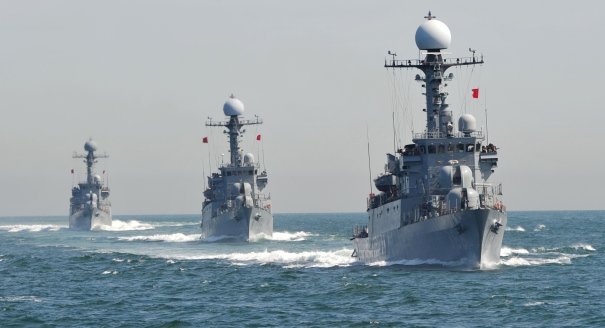
The rising tension on the Korean Peninsula sparked by the torpedoing of a South Korean military vessel, which evidence suggests was committed by North Korea, once more demonstrates the unpredictable nature of Kim Jong Il’s political regime.
The incident makes forecasting the North Korean leadership’s next steps difficult. Are further military provocations likely, or will the situation be limited to belligerent rhetoric? Much will depend on the positions taken by China and Russia. However, the harsh response from the United States, coupled with South Korea’s decision to suspend humanitarian aid to North Korea, leaves little chance for a rapid settlement of the conflict.
It is hard to say what type of sanctions the UN Security Council might impose on North Korea, or how Pyongyang may react. No one has an interest in further escalation, much less outright military conflict—not least North Korea, given its severe economic difficulties.
But the latest crisis deals a heavy blow to the six-party talks on defusing the North Korean nuclear situation and to the nuclear nonproliferation regime in general. No one knows for certain what North Korea has at its disposal: nuclear warheads that could be fitted to its Nodong or other ballistic missiles, or more primitive nuclear devices that could, for example, be delivered by ship to the coast of Japan or South Korea.
But it is impossible to rule out that Kim Jong Il, if backed into a corner, could take extreme measures. Attempts to resolve the conflict must keep this danger in mind.
Vladimir Dvorkin is a Carnegie Moscow Center expert on nuclear security.
Vladimir Dvorkin
Major General Dvorkin (retired) is a chief researcher at the Center for International Security at the Institute of World Economy and International Relations.
Carnegie does not take institutional positions on public policy issues; the views represented herein are those of the author(s) and do not necessarily reflect the views of Carnegie, its staff, or its trustees.
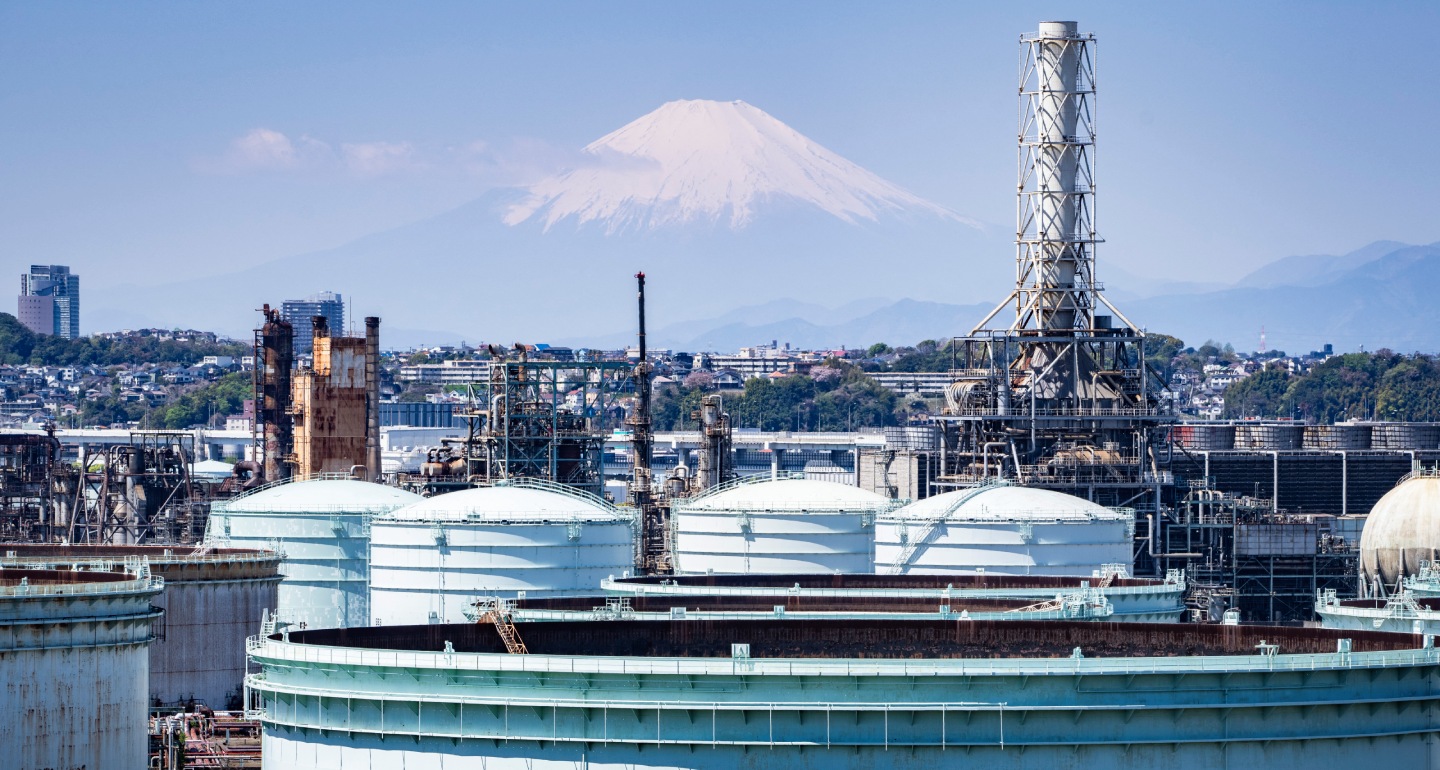
Tokyo would have to surmount a lot of obstacles—not least Western sanctions—if it wanted to return Russian oil imports to even modest pre-2022 volumes.

Vladislav Pashchenko
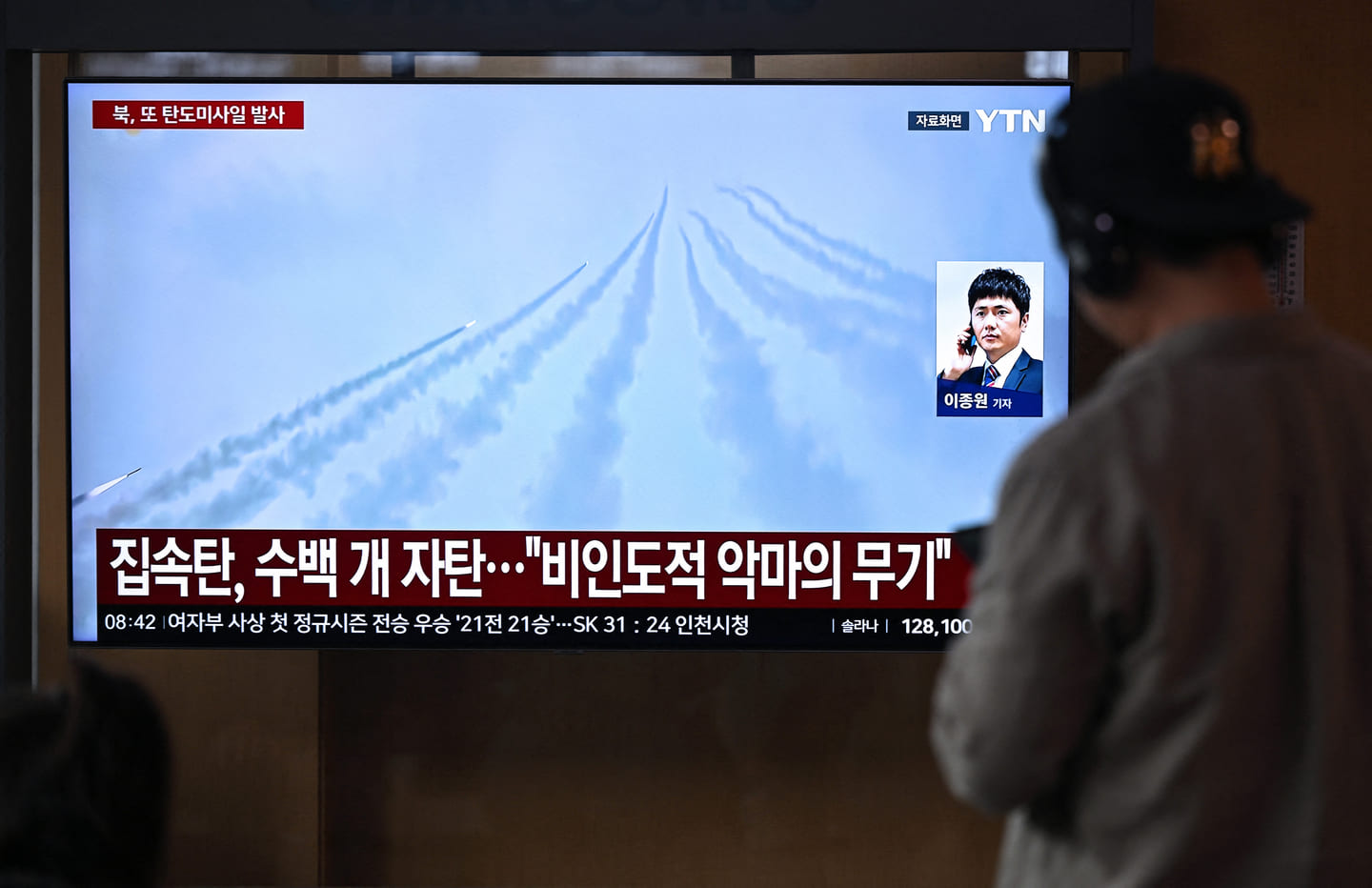
Troubled by the growing salience of nuclear debates in East Asia, Moscow has responded in its usual way: with condemnation and threats. But by exacerbating insecurity, Russia is forcing South Korea and Japan to consider radical security options.

James D.J. Brown
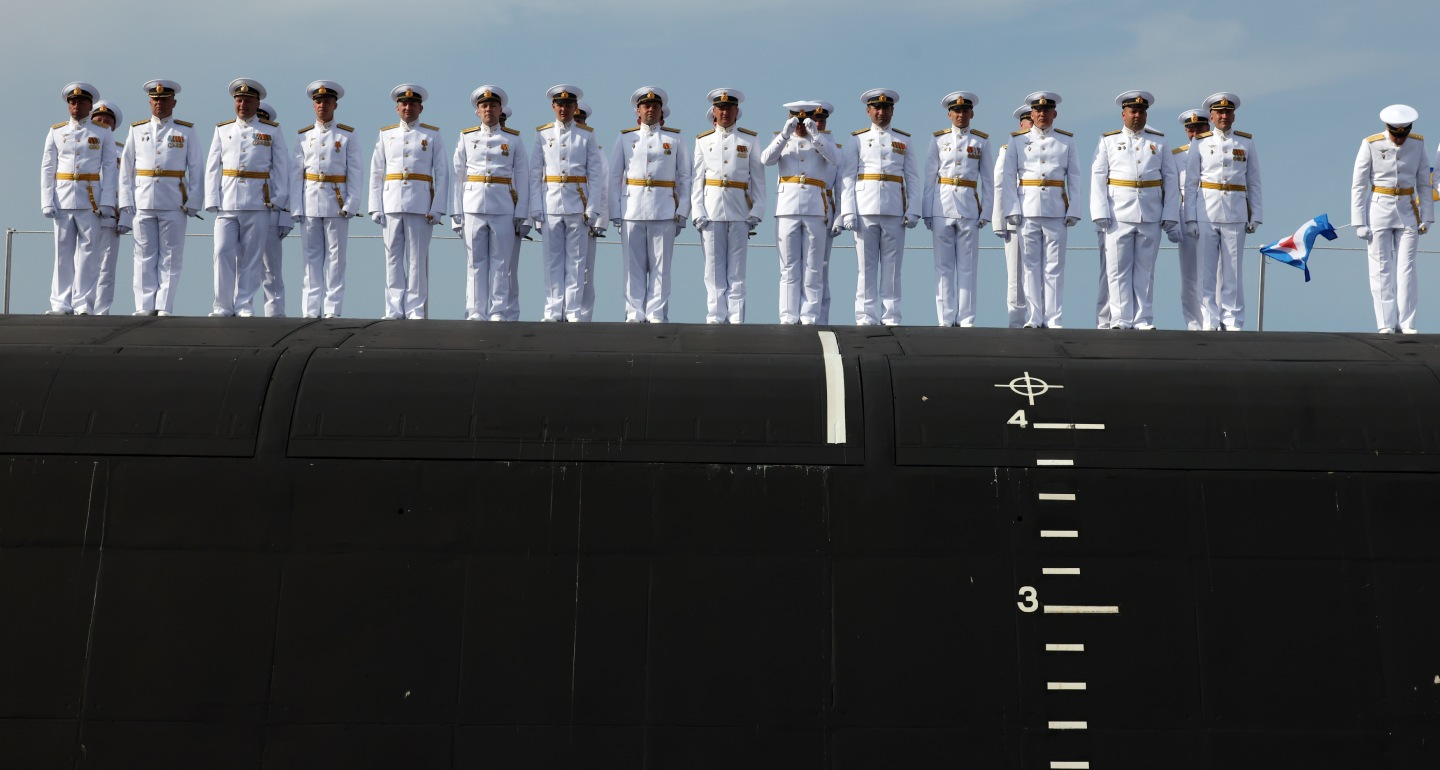
For Putin, upgrading Russia’s nuclear forces was a secondary goal. The main aim was to gain an advantage over the West, including by strengthening the nuclear threat on all fronts. That made growth in missile arsenals and a new arms race inevitable.
Maxim Starchak
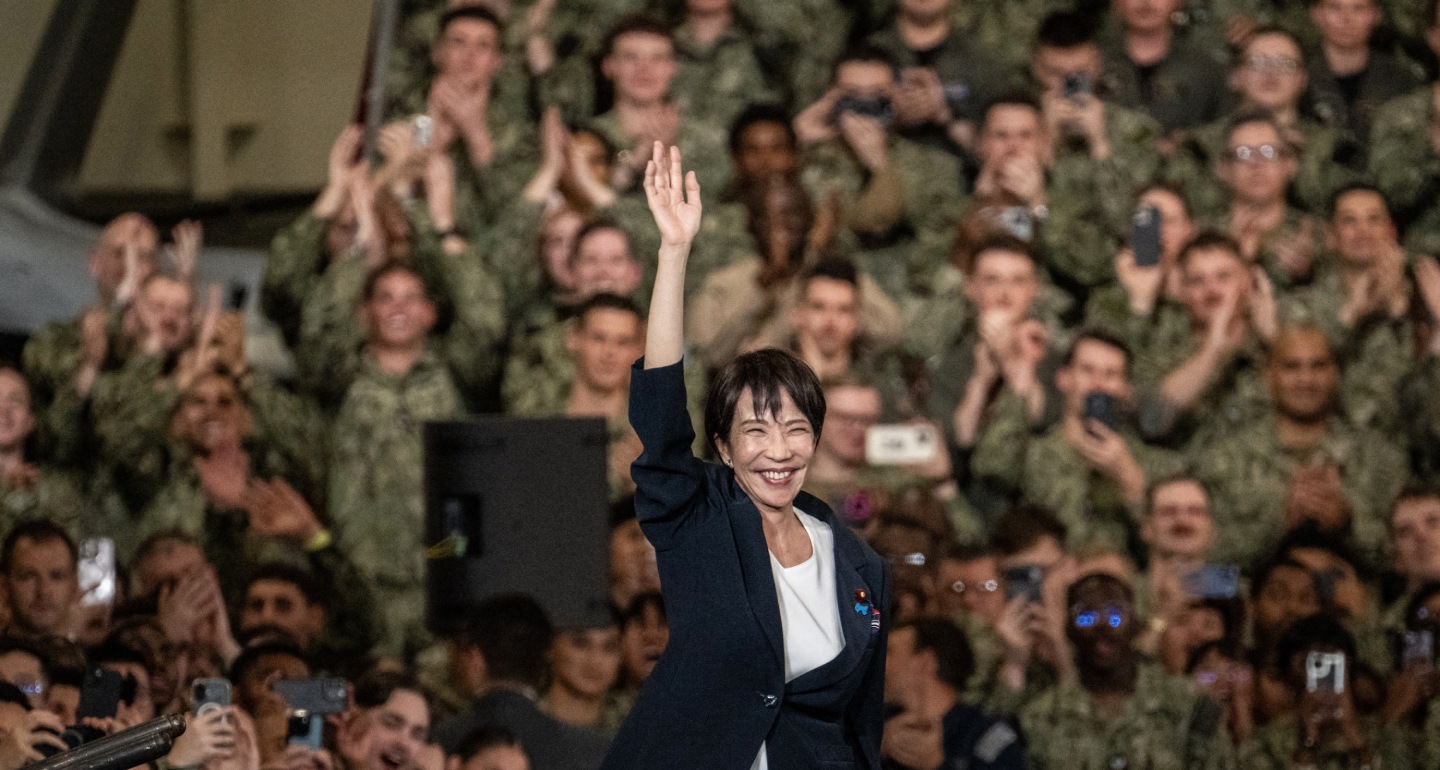
For a real example of political forces engaged in the militarization of society, the Russian leadership might consider looking closer to home.
James D.J. Brown
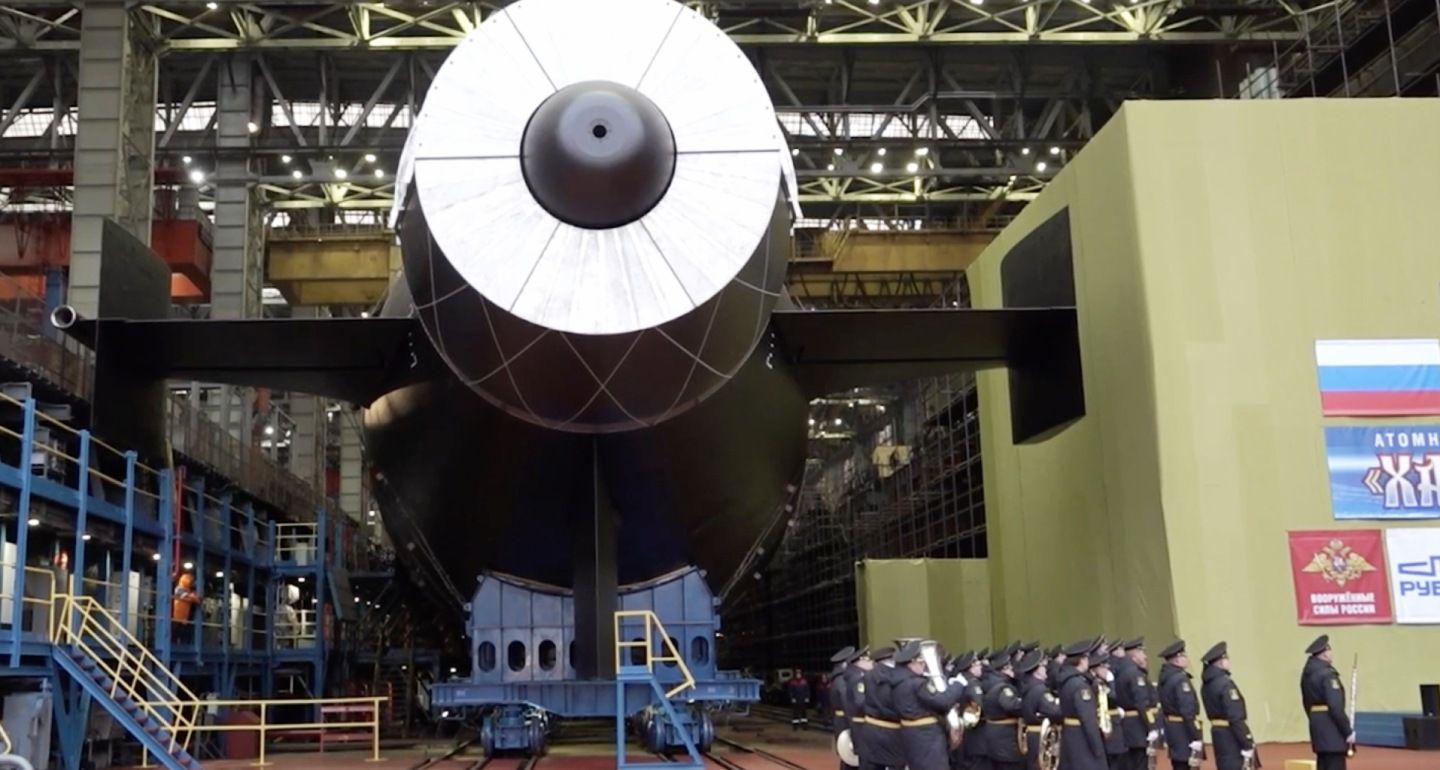
The Kremlin will only be prepared to negotiate strategic arms limitations if it is confident it can secure significant concessions from the United States. Otherwise, meaningful dialogue is unlikely, and the international system of strategic stability will continue to teeter on the brink of total collapse.
Maxim Starchak