

Commentary
With the growth in points of friction between the great powers, organizations like the SCO will continue to play a role in the strategic adaptation of the smaller powers caught between them.
Temur Umarov
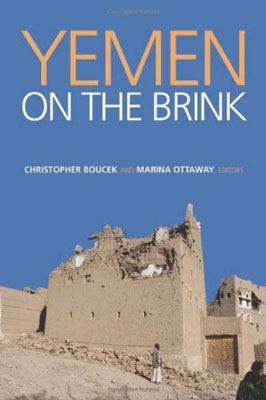
Without addressing Yemen's immediate security challenges—including a civil war in the North, a secessionist movement in the South, and a resurgent al-Qaeda organization—the country's long-term economic and governance issues cannot be resolved.
Source: Washington

“A compelling study on the part of Carnegie to help explain the complexities of Yemen to increasingly concerned Western policy makers.”
—Nabeel Khoury, U.S. Department of State
“Political, economic, and security developments in Yemen increasingly affect the European Union, and this book will serve as a valuable resource for policy makers as they work to address the many challenges facing Yemen.”
—Gilles De Kerchove, EU Counter-Terrorism Coordinator
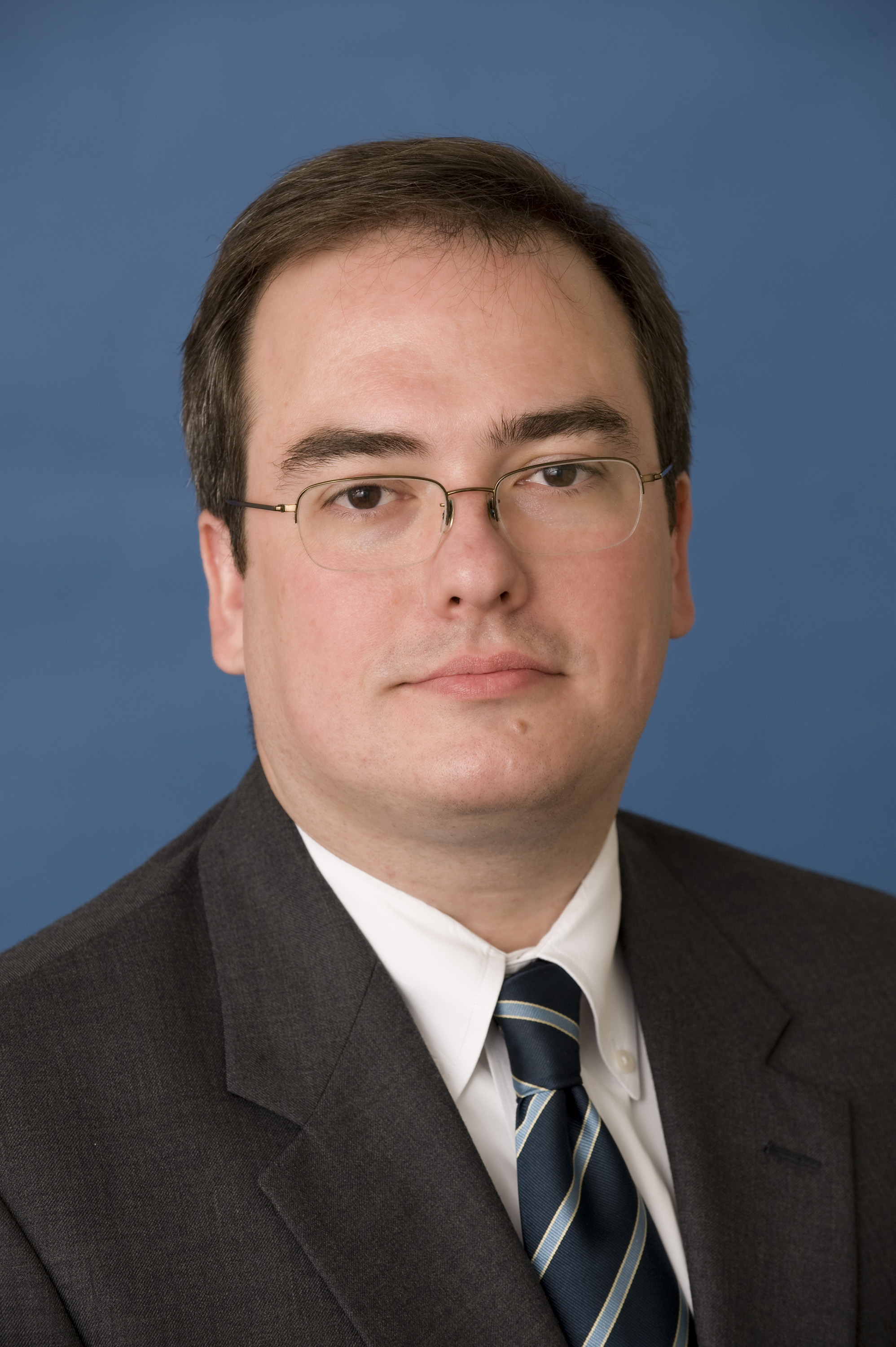
Former Associate, Middle East Program
Boucek was an associate in the Carnegie Middle East Program where his research focused on security challenges in the Arabian Peninsula and Northern Africa.
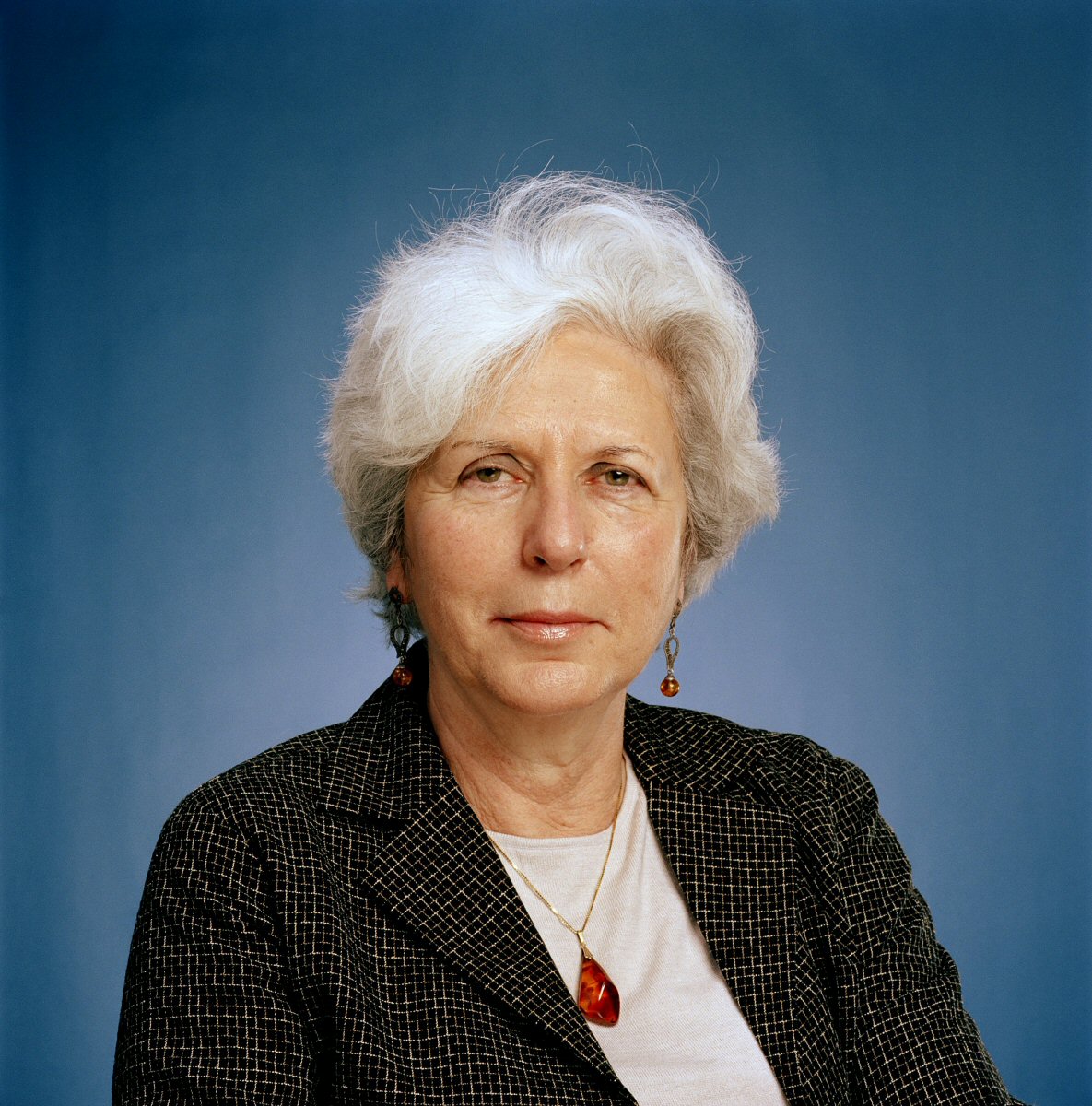
Former Senior Associate, Middle East Program
Before joining the Endowment, Ottaway carried out research in Africa and in the Middle East for many years and taught at the University of Addis Ababa, the University of Zambia, the American University in Cairo, and the University of the Witwatersrand in South Africa.
Carnegie does not take institutional positions on public policy issues; the views represented herein are those of the author(s) and do not necessarily reflect the views of Carnegie, its staff, or its trustees.

With the growth in points of friction between the great powers, organizations like the SCO will continue to play a role in the strategic adaptation of the smaller powers caught between them.

Temur Umarov

The greater threat to Zelensky comes not from Fedorov alone, but from the convergence between the former defense minister’s political campaign and the anti-corruption investigations moving ever closer to the presidential administration.

Balázs Jarábik
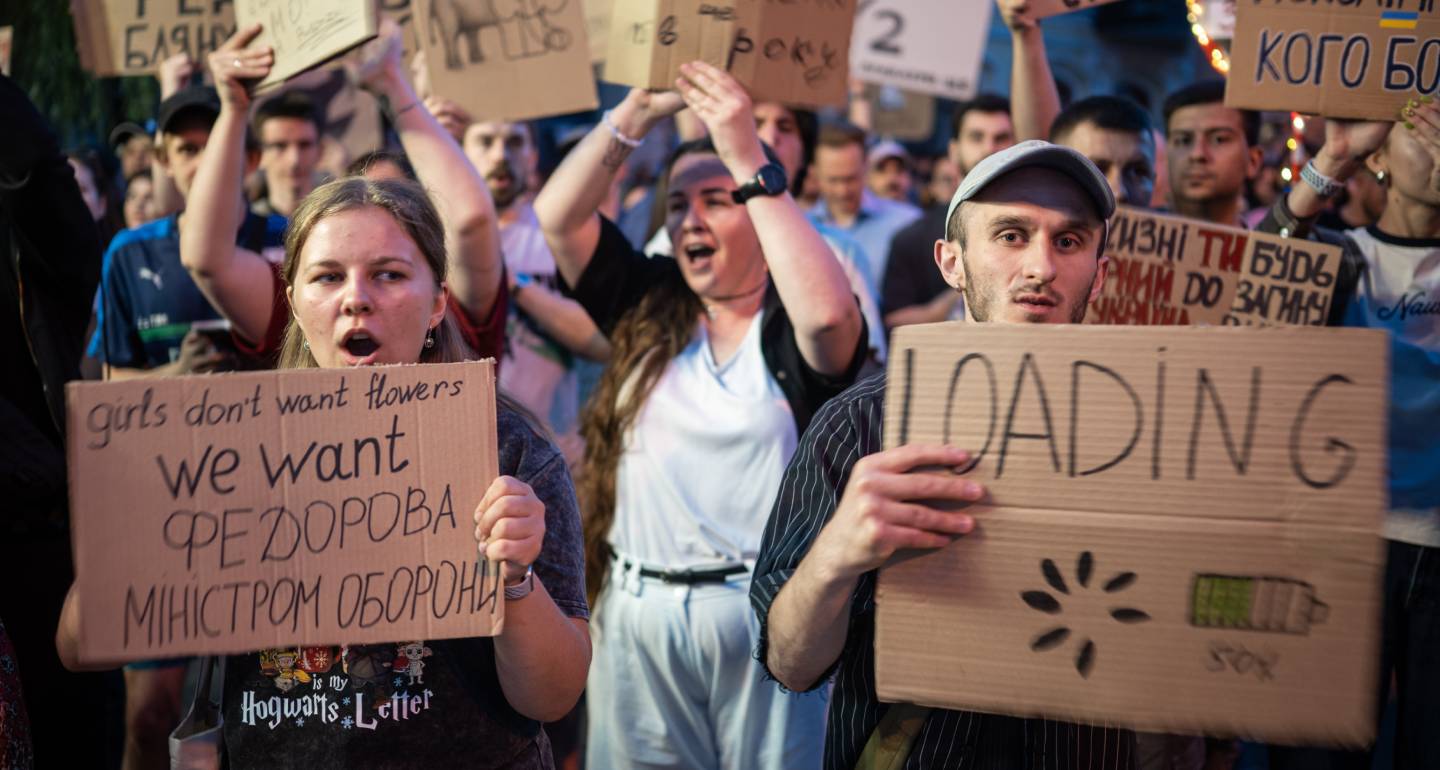
With his public call for new elections in Ukraine, ex-defense minister Mykhailo Fedorov has opened Pandora’s box.

Konstantin Skorkin

In the discussions made possible by the State Duma election campaign, one question is being asked more and more loudly. “What next?”

Andrey Pertsev

When faced with fuel shortages in the past, Central Asian governments could always count on additional supplies from Moscow. That safety net no longer exists.

Galiya Ibragimova