

Article
Pierre Goldschmidt
Source: Getty
The latest statements made by the head of Iran's Atomic Energy Organization regarding the country's willingness to cooperate with the International Atomic Energy Agency do not bode well for the success of the recent Russian initiative to reinvigorate multilateral nuclear talks.
At the end of August it was reported1 that Fereydoun Abbasi, the head of Iran’s Atomic Energy Organisation, had suggested that “Iran is ready for increased cooperation with the IAEA on the condition the U.N. watchdog limit the number of points it wants clarified,” adding “As long as we don’t receive these questions in an official manner, we cannot respond.”
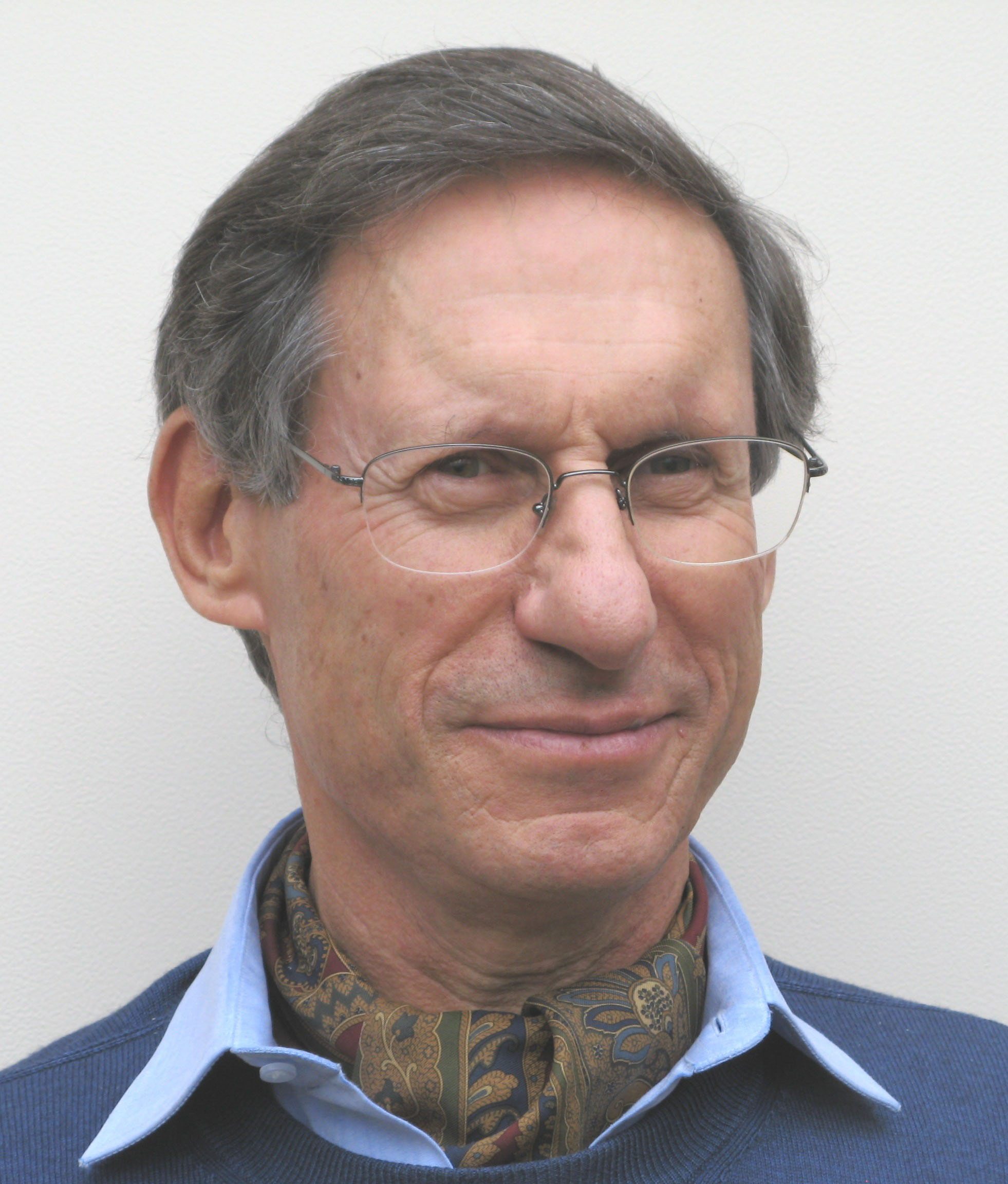
Former Nonresident Senior Associate, Nuclear Policy Program
Goldschmidt was a nonresident senior associate at the Carnegie Endowment.
Recent Work
Pierre Goldschmidt
Pierre Goldschmidt
Carnegie does not take institutional positions on public policy issues; the views represented herein are those of the author(s) and do not necessarily reflect the views of Carnegie, its staff, or its trustees.
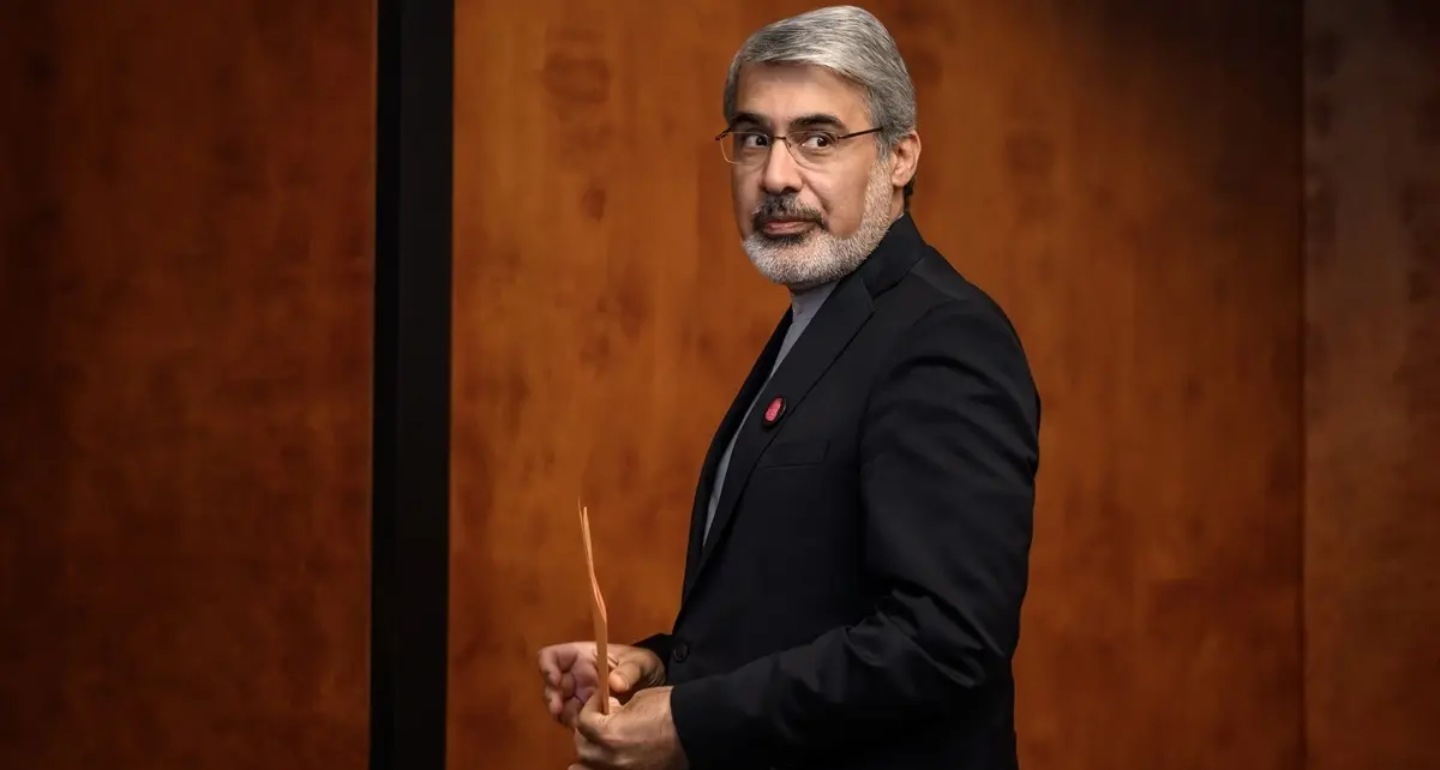
Ongoing uncertainty in the Middle East allows Moscow to both increase its influence in Tehran and continue to enjoy the financial windfall of higher oil prices.

Nikita Smagin
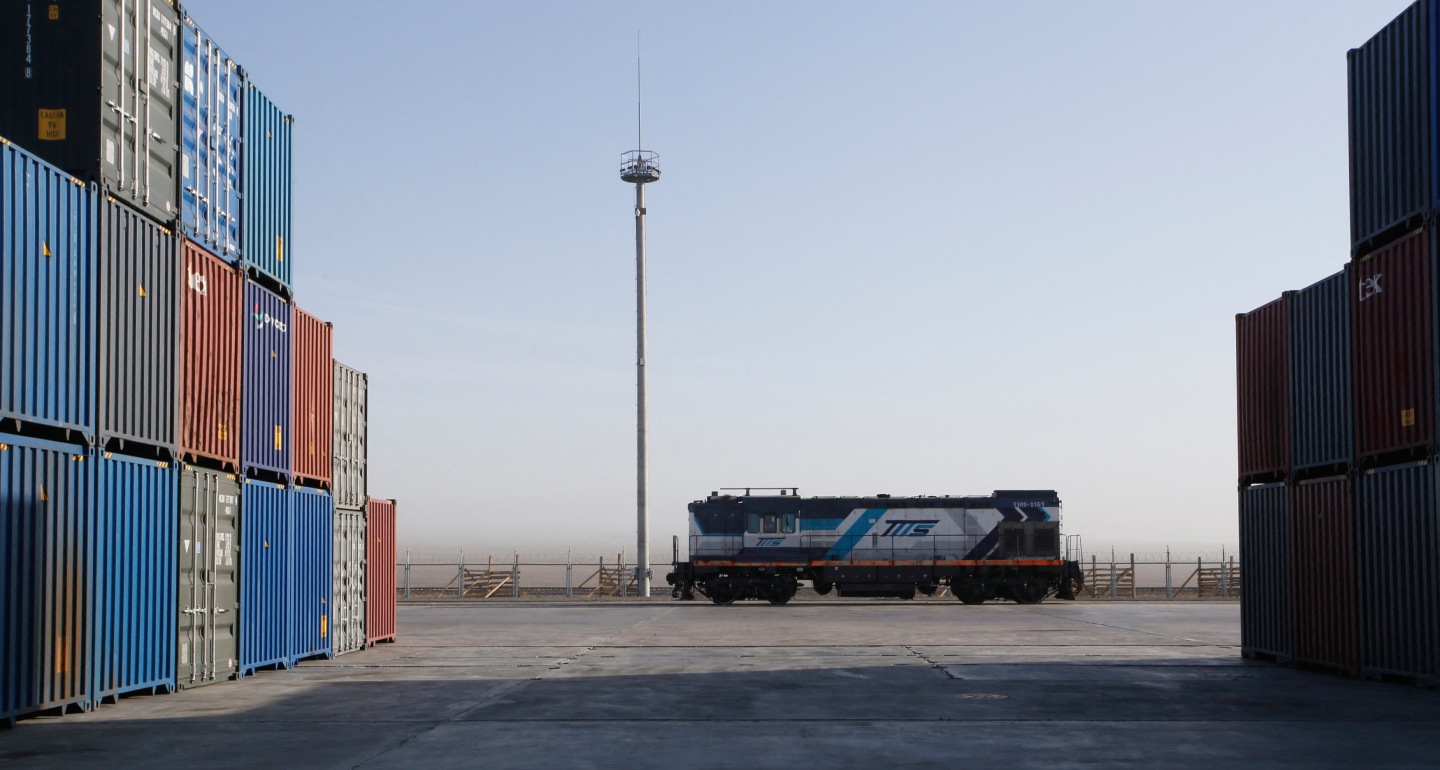
This year’s wars have made alternative routes to transit through Russia no less risky for Central Asian countries.

Galiya Ibragimova
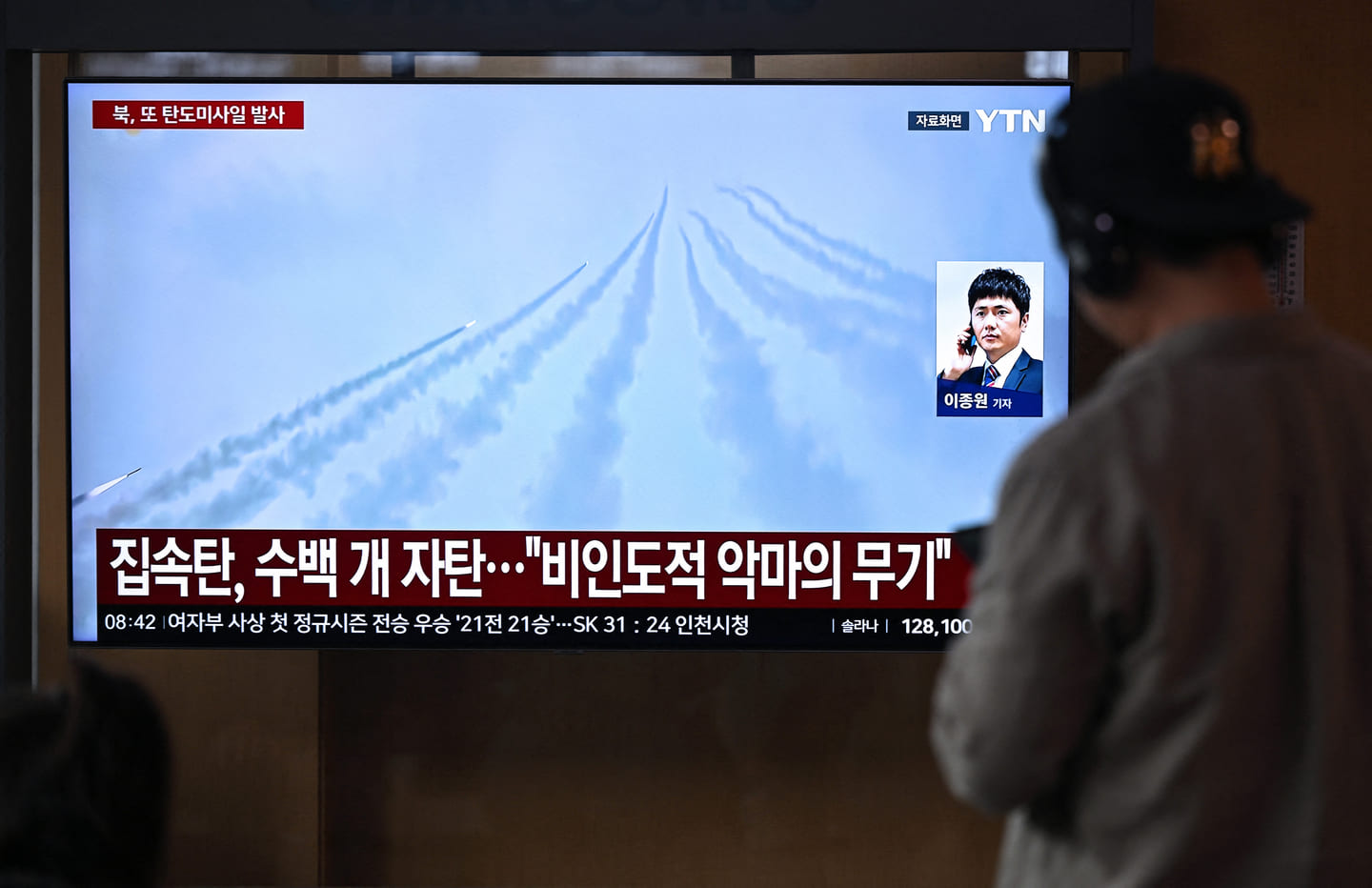
Troubled by the growing salience of nuclear debates in East Asia, Moscow has responded in its usual way: with condemnation and threats. But by exacerbating insecurity, Russia is forcing South Korea and Japan to consider radical security options.

James D.J. Brown
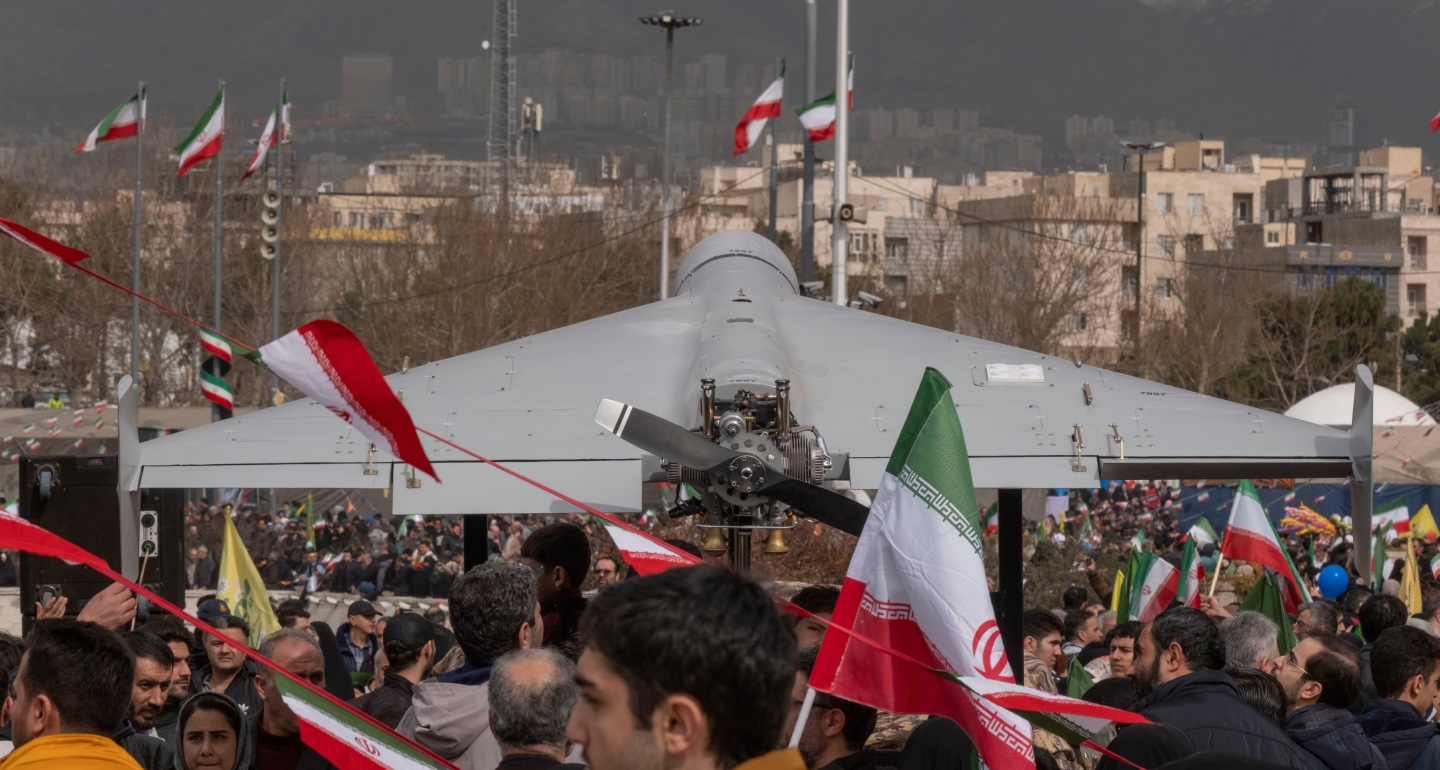
The Russian leadership wants to avoid a dangerous precedent in which it is squeezed out of Iran by the United States and Israel—and left powerless to respond in any meaningful way.
Nikita Smagin
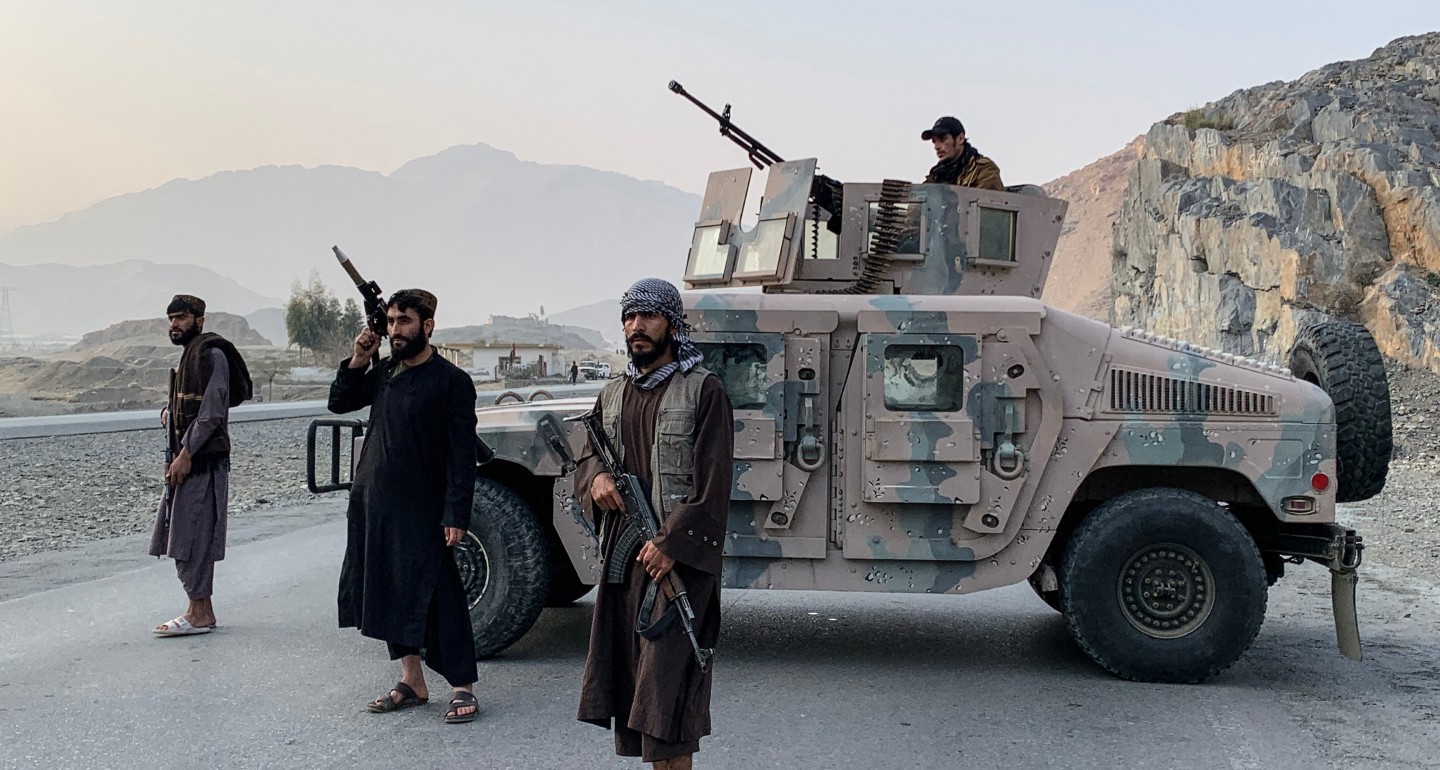
Not only does the fighting jeopardize regional security, it undermines Russian attempts to promote alternatives to the Western-dominated world order.
Ruslan Suleymanov