

Paper
Douglas H. Paal

REQUIRED IMAGE
Taiwan’s opposition Democratic Progressive Party is struggling to win centrist voters, who want to avoid friction with mainland China, without alienating their anti-mainland base.
Taiwan’s opposition Democratic Progressive Party (DPP) confronts a dilemma as it approaches January’s combined legislative and presidential elections. On the one hand, it rests on a firm support base of about forty percent of Taiwan’s voters. These voters usually support independence for Taiwan from mainland China—or at least are opposed to reunification. They are often identified as “ethnic Taiwanese” or Minnan dialect speakers, not recently descended from mainland-origin migrants who usually speak the Mandarin dialect.
On the other hand, the DPP will normally need support from “centrist voters” to get a majority in two-candidate elections. Many voters in Taiwan’s “middle” do not support reunification with China, but also want to avoid hostility and friction with the mainland and want to promote economic progress ahead of independence.
The dilemma for the DPP is how to win “centrist voters” (zhongjian xuanmin) while not alienating the party’s anti-mainland base. DPP’s previous successful presidential candidate, Chen Shui-bian, now imprisoned on corruption charges, won his first election with 39.7 percent of the vote when the ruling Kuomintang (KMT) party split and two candidates divided its base. There is some talk of such a split recurring this time, as former Taiwan governor Soong Chu-yu yet again considers running for president. But Soong appears to be damaged goods in the Taiwan political marketplace and is unlikely to be able to mount a serious challenge.
So the DPP needs to find a way to appease the party’s so-called “deep green and light green” base, while drawing in new “centrist” or “light blue” voters to achieve a majority. To that end, the DPP announced on August 23 the National Security Chapter of its Ten Year Policy Outlook, setting forth the principles and policies to guide Taiwan’s international relations and dealings with mainland China.
The language of the report clearly attempts to side step inflammatory rhetoric that might turn off centrist voters. It calls for Taiwan to “construct a framework for peaceful and stable interaction between Taiwan and China.” This contrasts with the belligerent tone struck through most of the years of Chen Shui-bian’s presidency.
One key point in the report is its implicit rejection of the so-called “1992 consensus” employed by incumbent President Ma Ying-jeou to create ambiguity on the critical issue of how to handle China’s insistence on the principle of “one China.” So long as both sides of the Taiwan Strait advocate “one China,” under the “92 consensus” each side can take its own perspective on what it means (yizhong, gezi biaoshu). This is the critical compromise that enabled practical improvements in cross-strait economic and other relations over the past three years.
The new DPP chapter is silent on “one China,” but calls for a new Taiwan “democratic consensus” to be established as a basis for dealing with the mainland and other foreign relationships. By not addressing how the DPP intends to finesse the “one China” principle, the DPP document quietly threatens the reduction in tensions the Ma government has achieved.
Chinese officials meeting with Americans this year signaled a willingness to be flexible toward any new efforts by the DPP to find its own way to address “one China,” and did not demand adherence to the “92 consensus.” But they were insistent that the “one China principle” needs to be addressed in some fashion to sustain the current trade, tourism, and other arrangements.
Now that the DPP has failed to meet China’s test for seriousness of intentions, Beijing faces its own dilemma. If it chooses to speak up forcefully and threateningly against the DPP in the run-up to the election, experience indicates (and Chinese leaders know) it will provoke a negative reaction among Taiwan’s voters and could drive them to support the DPP. If it speaks too softly in opposition to the DPP position, centrist voters may conclude there is no real cost to replacing the Ma government with one led by the DPP’s Ts’ai Ing-wen.
Officials from the mainland’s Taiwan Affairs Office so far are straddling these two sides of the dilemma and it appears to be awkward for them. It undoubtedly is even more uncomfortable for them because of the climate of nationalism pervading China’s new media.
Ironically, this leads the Chinese privately to express hope for intervention by the Obama administration to tilt the political playing field in favor of the Ma Ying-jeou’s government and against Ts’ai’s DPP. Back in the days of Chen Shui-bian, China counted on the Bush administration to rein him in. But after Ma was elected, Beijing increasingly indicated it wanted the United States to back off. Once again the tide has turned and Beijing is looking to Washington for help to manage what it ordinarily insists are its internal affairs with Taiwan.
This in turn will create a dilemma for Washington: how to appear impartial in Taiwan’s domestic elections and yet convey its preference for a continuation of Ma Ying-jeou’s management of cross-strait relations. Look for Obama administration officials to state that they are impartial about the voting and will welcome whatever is the result of the democratic elections in Taiwan. But they are likely also to state that the United States hopes for a continuation of the reduction in tensions and would not welcome provocations from either side of the strait.

Distinguished Fellow, Asia Program
Paal previously served as vice chairman of JPMorgan Chase International and as unofficial U.S. representative to Taiwan as director of the American Institute in Taiwan.
Recent Work
Douglas H. Paal


Douglas H. Paal, Tong Zhao, Chen Qi, …
Carnegie does not take institutional positions on public policy issues; the views represented herein are those of the author(s) and do not necessarily reflect the views of Carnegie, its staff, or its trustees.
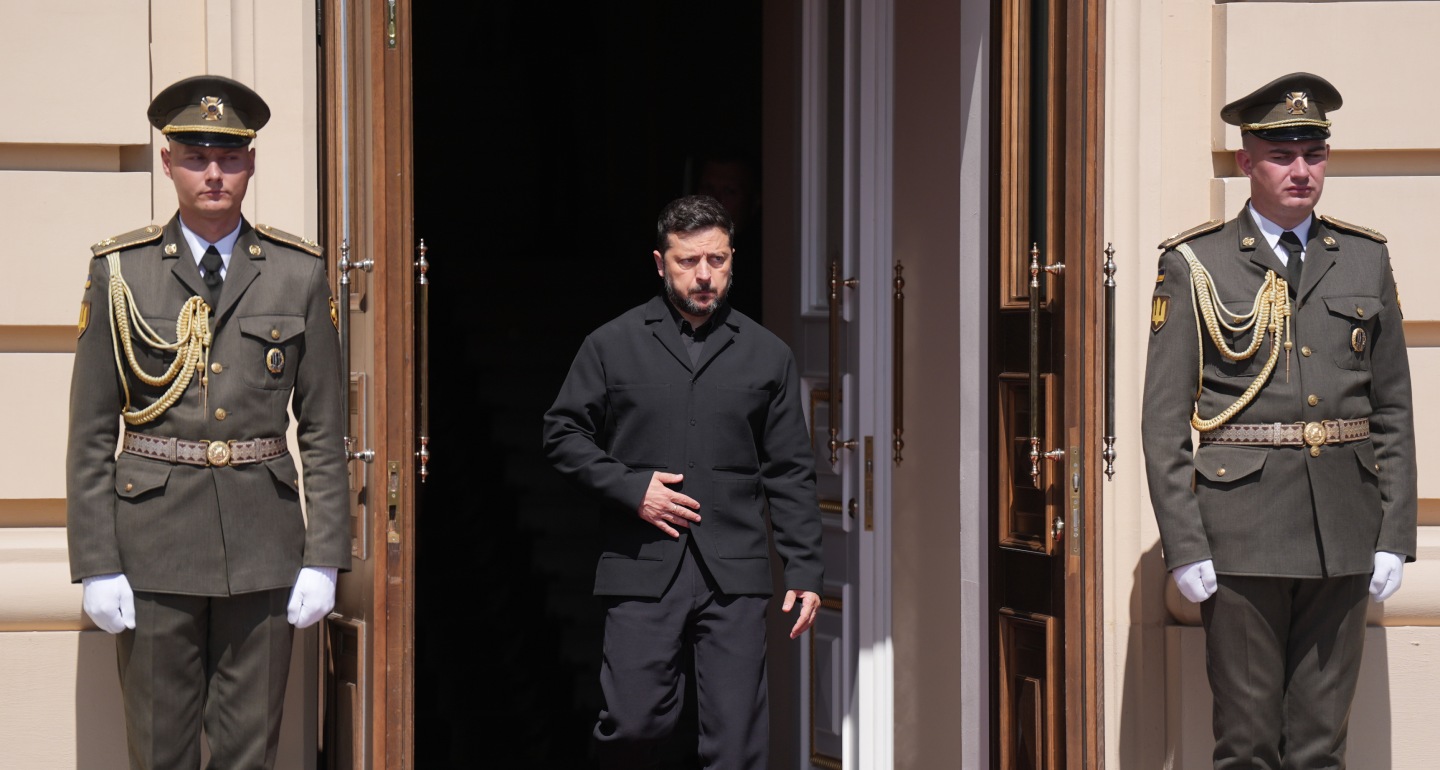
Ultimately, Zelensky sided neither with the reform camp nor with the military establishment as such, but with political control.

Balázs Jarábik
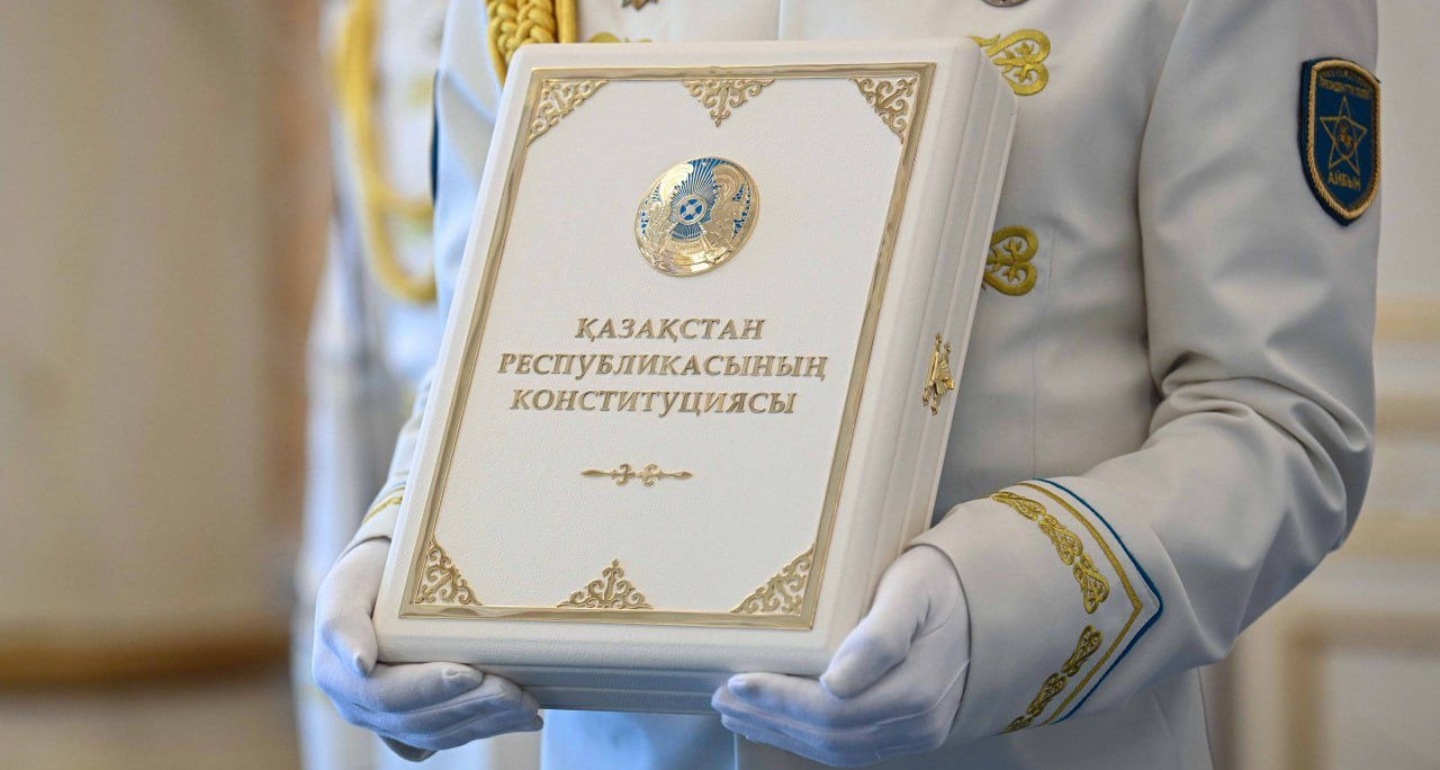
Tokayev’s predecessor, Nursultan Nazarbayev, outlined arrangements for a power transition too soon and in too much detail, ultimately losing control over the process. Tokayev is determined not to meet the same fate.

Temur Umarov
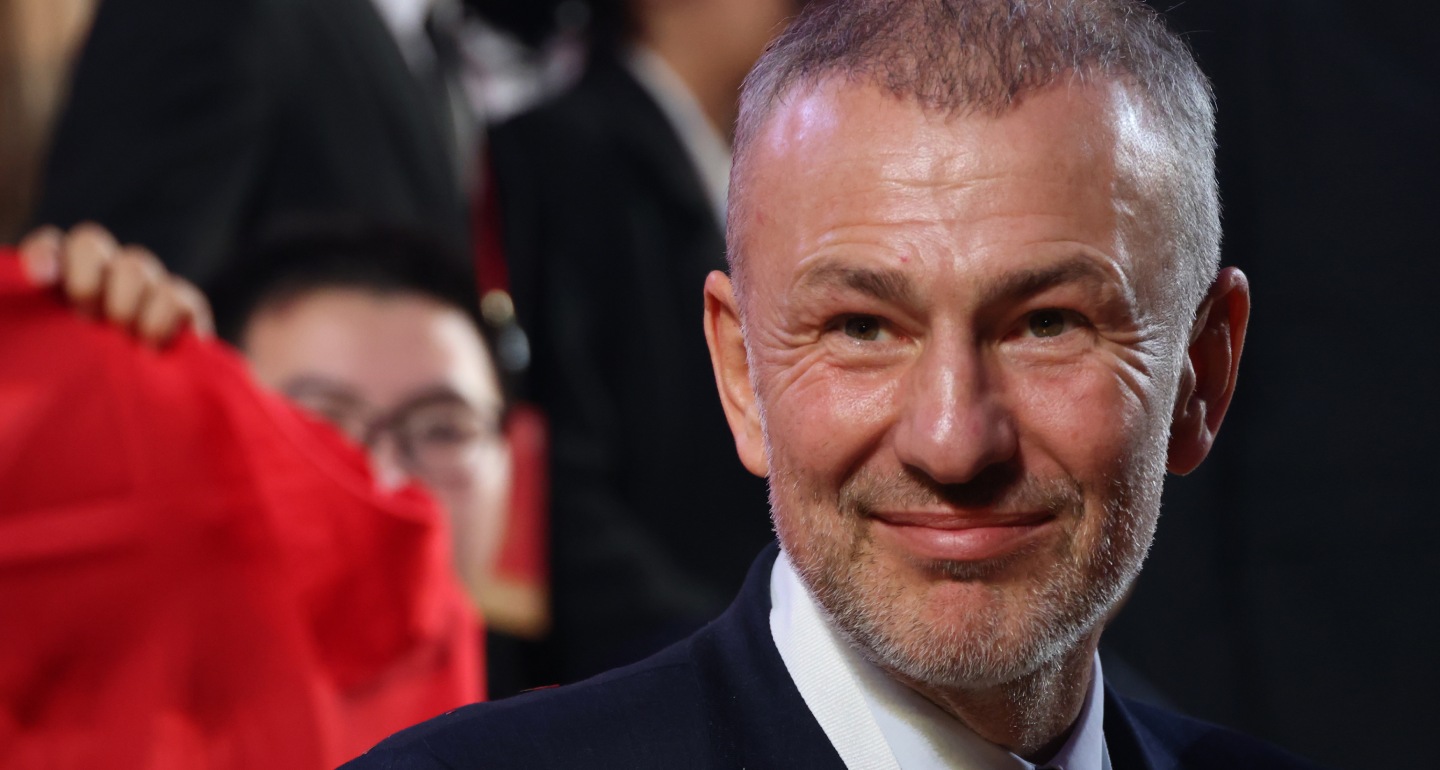
Andrey Melnichenko’s essay offers no answer to the fundamental question of how, under any kind of negotiated settlement, Europe can protect itself from the Russian ressentiment that is inevitable in all scenarios except for an outright victory for Putin.

Leonid Bershidsky

Despite unhappiness on the ground, Moscow is determined to use both carrot and stick to ensure there is record support for United Russia in occupied Ukraine.

Konstantin Skorkin

Whether PAS can refocus on the unfinished business of state-building may ultimately prove more consequential for Moldova’s European future than the pace of its accession negotiations.
Balázs Jarábik