

Commentary
Sinan Ülgen
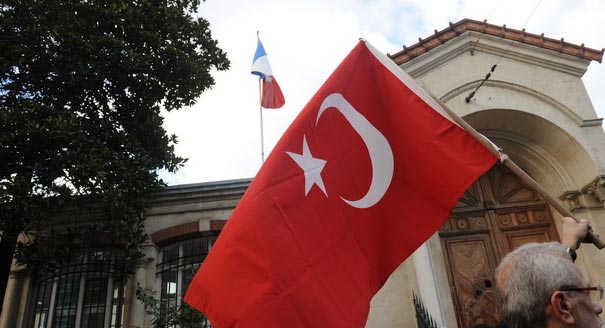
Source: Getty
Turks are keeping a close eye on France’s presidential race, since the outcome of the upcoming election will steer the future direction of the Turkey-EU relationship.
Turks are keeping a close eye on France’s presidential race, as they well should. After all, the outcome of the upcoming election will steer the future direction of the Turkey-EU relationship. Many Turks perceive the current French president, Nicolas Sarkozy, as one of the fundamental impediments to progress toward Turkey’s eventual accession to the European Union. The election of the Socialist candidate, François Hollande, could infuse a new sense of purpose into the Turkey-EU relationship.
After Sarkozy came to power in 2007, he did not hesitate to block Turkey’s path to the EU. In his public rhetoric, Sarkozy argued that Turkey had no place in Europe. Despite France being part of the consensus decision in 2004 to start membership negotiations, with Sarkozy at the helm, Paris breached that contract and unilaterally suspended five of the chapters under negotiation, claiming that they were only relevant for prospective members.
Perhaps somewhat naively, Sarkozy attempted to separate Turkish accession from his country’s overall relationship with Turkey, seeking to develop the bilateral relationship despite his relentless opposition to Turkey’s EU membership. The French tried to convince Turkish authorities to “agree to disagree.”But for Ankara, such an attempt was futile. A positive relationship with a country so vehemently opposed to the goal of EU accession could not be established. As a result, the relationship worsened during the Sarkozy era. Today, the two countries share the dubious distinction of having the worst bilateral political ties among NATO allies.
Many Turks hope that a change in leadership in France will create a window of opportunity for resetting the relationship with Paris and revitalize stalled membership negotiations. François Hollande has been much less skeptical about Turkey’s eventual accession. So far, his statements put him closer to the German chancellor than President Sarkozy. Angela Merkel stated her opposition to Turkey’s membership while still emphasizing her duty to honor commitments made by previous German governments. As a result, she did not use German diplomacy to block Turkey’s progress. This is in a sense what Ankara expects from a Hollande-led French government.
But even a switch from stalwart opposition to a position of neutrality in France could add serious momentum to the Turkey-EU relationship: the five chapters of the EU acquis that were unilaterally suspended can be unfrozen. There has been almost no progress in negotiations, and a new chapter has not been opened since June 2010. The possibility of opening up new chapters to discussion could indeed give a much-needed and much-delayed boost to the negotiation process.
An improvement in the bilateral relationship is also likely to have a positive impact on foreign policy cooperation between Turkey and the EU. The emerging rivalry between France and Turkey has been a handicap in this respect. The France-UK visit to Libya in September 2011 came just a day before the planned visit of the Turkish prime minister, Recep Tayyip Erdogan, to the same country. That did not bode particularly well for potential Turkey-EU cooperation in this highly critical area.
The drawback of a Hollande presidency from Ankara’s perspective seems to be the willingness of the Socialist candidate to rejuvenate the failed attempt in France to criminalize the act of denying that the 1915 Armenian massacres were genocide. Such a move would have long-term political implications, as Ankara would not remain indifferent to such an initiative. The Turkish reaction would lead to yet another crisis between Ankara and Paris.
One thing is certain. Only a change of leadership in France will unleash the possibility of resetting a critically important relationship that, in all likelihood, will remain crisis prone under Sarkozy.

Senior Fellow, Carnegie Europe
Sinan Ülgen is a senior fellow at Carnegie Europe in Brussels, where his research focuses on Turkish foreign policy, transatlantic relations, international trade, economic security, and digital policy.
Recent Work
Sinan Ülgen

Raluca Csernatoni, Sinan Ülgen
Carnegie does not take institutional positions on public policy issues; the views represented herein are those of the author(s) and do not necessarily reflect the views of Carnegie, its staff, or its trustees.
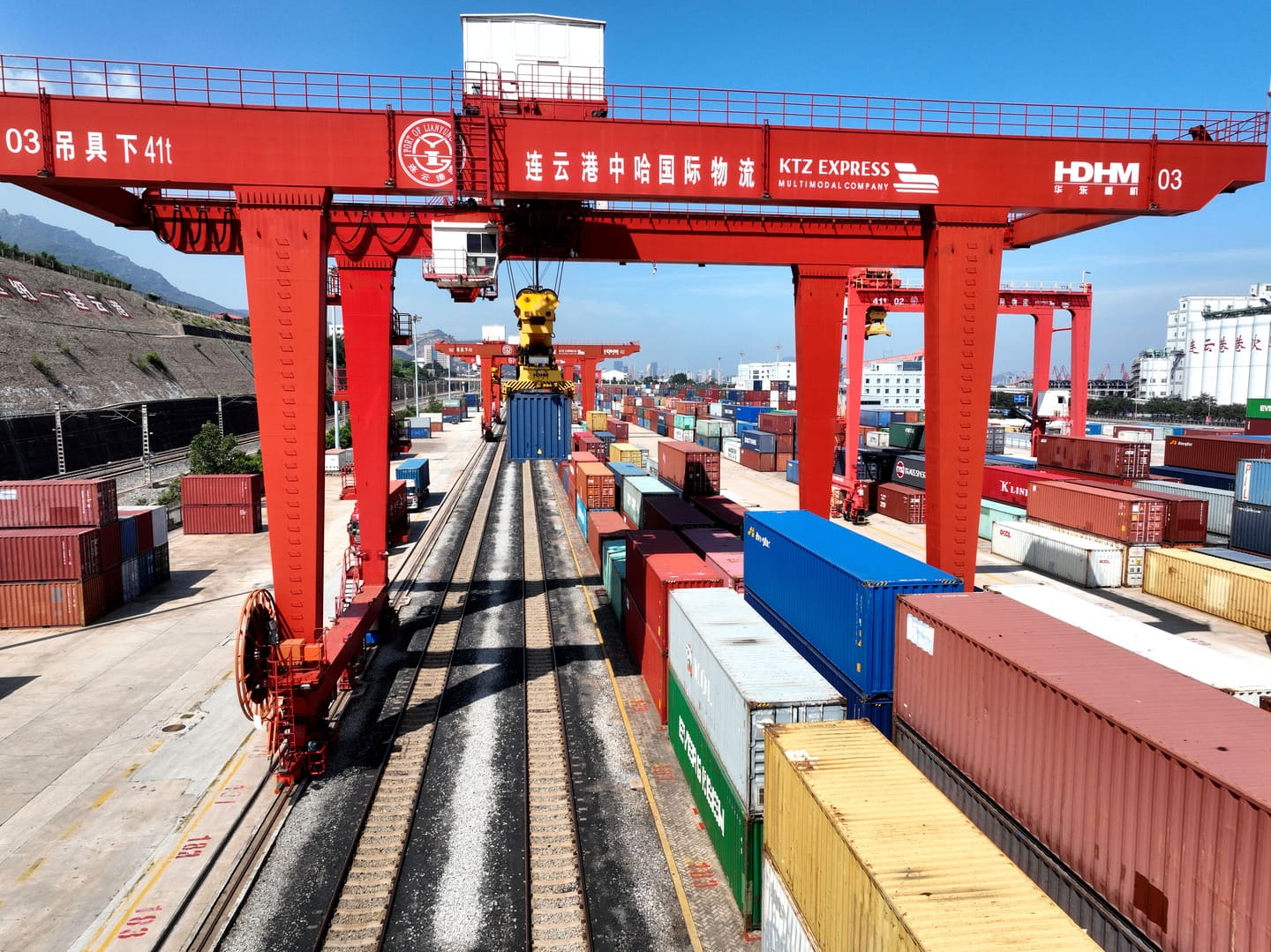
For the Middle Corridor to fulfill its promises, one of these routes must become scalable. At present, neither is.
Friedrich Conradi
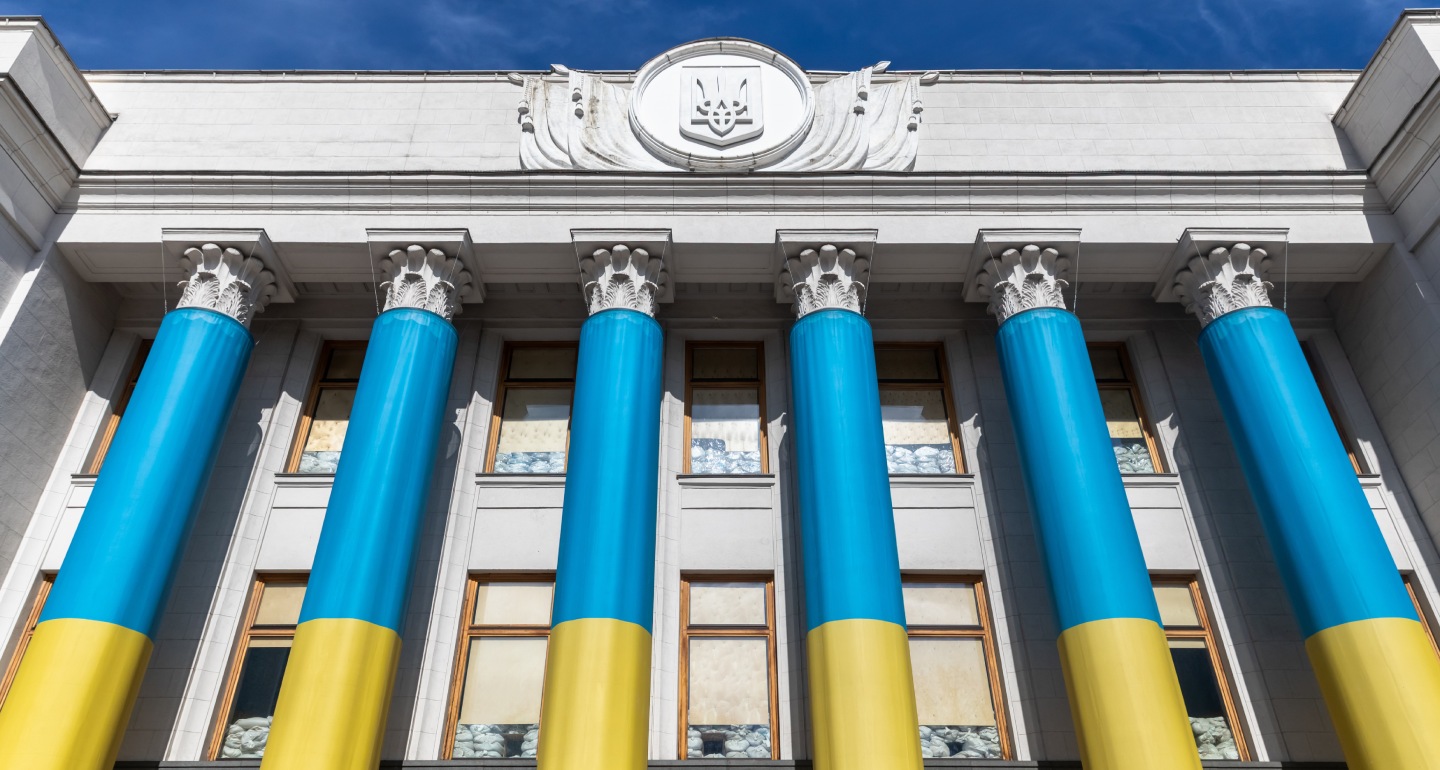
The return of parliamentary politics reflects a broader shift from earlier expectations of a settlement and elections toward the reality of a prolonged war.
Balázs Jarábik
The Russian state has opted for complete ideological control of the internet and is prepared to bear the associated costs.

Maria Kolomychenko
After four years of war, there is no one who can stand up to the security establishment, and President Vladimir Putin is increasingly passive.

Tatiana Stanovaya
Although Ukrainian strikes have led to a noticeable decline in the physical volume of Russian oil exports, the rise in prices has more than made up for it.

Sergey Vakulenko