

Commentary
Dmitri Trenin
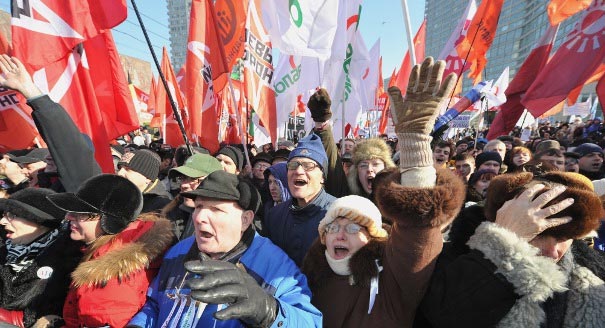
Source: Getty
Vladimir Putin’s election as Russia’s president may mark the end of the first phase of Russia’s awakening, but the awakening is not over. A restructuring of the Russian political field has just begun.
Vladimir Putin’s election as Russia’s president in the first round of voting on March 4, 2012 marks the end of the first phase of Russia’s awakening. Even Putin’s opponents concede that, all claims of vote rigging notwithstanding, his actual support among the electorate remains above 50 percent. Yet, even the official vote count puts Putin’s support in Moscow at below that level. So, where is Russia now and where is it heading?
Above all, Russia continues to be on the move. The awakening has not stopped. This election was more closely monitored by volunteer observers than any other before it, and the debate on issues and personalities has reached a new level. On the left, there have been signs of rejuvenation and radicalization. On the right, a sizeable liberal force, absent for almost nine years, has reemerged. The center, formally triumphant and rallying around its nominal leader, has been in disarray after the Duma debacle and faces a major overhaul. A restructuring of the Russian political field has just begun.
The political activity on the streets continues, but in a different environment: Post-election protests, so far, have been relatively small-scale. Demoralization among some of the protest leaders has led to their radicalization away from the orderly pattern of past protests. Precisely the same features that ensured the groundswell of support for peaceful demonstrations from December through February are now affecting the unity of the protests. The political diversity of the crowd, the absence of formal and even informal leadership, and the single focus on elections used to work to expand the pool of protesters and to unify it; now those factors work to weaken it.The street is no longer center stage. The time has come for political activity of a different sort. Mikhail Prokhorov won nearly 8 percent of the popular vote, nearly as much as the Union of Right Forces in 1999. His task now is to build a party around his electorate, and to start winning seats in regional and municipal elections this fall to consolidate the success he achieved. Vladimir Ryzhkov may finally get his Republican Party registered, and Mikhail Kasyanov and Boris Nemtsov their PARNAS party, but their electoral prospects are more uncertain. Alexei Navalny, the blogger and opposition leader, is yet to indicate how he plans to proceed.
All the established parties face leadership problems. Gennady Zyuganov of the Communist Party, Vladimir Zhirinovsky of the Liberal Democratic Party, and Sergei Mironov of A Just Russia have run for the last time, and will have to start looking at retirement. It will be intriguing to see who their replacements are. If the Communist Party acquires a younger and more radical leadership with, say, Sergey Udaltsov, it may present a serious challenge to the present system of power. Similarly, if Zhirinovsky’s mantle eventually passes to some genuine nationalist, Russian politics will become less predictable. Finally, if the socialists from A Just Russia elect leaders who are less beholden to the Kremlin, like Oksana Dmitrieva or Gennady Gudkov, the government will be in the hot seat on the Duma floor.
The government, meanwhile, is far from complacent. New legislation is being introduced to reflect some of the opposition’s demands, including a new Constitutional Assembly. Putin has given a nod of approval to Prokhorov’s new party. The formation of the next cabinet is already under way, with Putin’s choice of Dmitri Medvedev as prime minister now reconfirmed.
Yet, the fundamental problems remain. The alternative to a careful top-down dismantlement of the present system, which is wholly built on corruption, will be a massive assault on that system—and the state itself. The new phase of the Russian political awakening is just beginning. The question is whether the major political forces in the country understand that.
Former Director, Carnegie Moscow Center
Trenin was director of the Carnegie Moscow Center from 2008 to early 2022.
Recent Work
Dmitri Trenin
Dmitri Trenin
Carnegie does not take institutional positions on public policy issues; the views represented herein are those of the author(s) and do not necessarily reflect the views of Carnegie, its staff, or its trustees.

The prospect of a total block on Russia’s most popular messaging app has sparked disagreement between the regime’s political managers and its security agencies.

Andrey Pertsev
Not only does the fighting jeopardize regional security, it undermines Russian attempts to promote alternatives to the Western-dominated world order.
Ruslan Suleymanov
The front-runner to succeed Ilia II, Metropolitan Shio, is prone to harsh anti-Western rhetoric and frequent criticism of “liberal ideologies” that he claims threaten the Georgian state. This raises fears that under his leadership the Georgian Orthodox Church will lose its unifying role and become an instrument of ultraconservative ideology.

Bashir Kitachaev
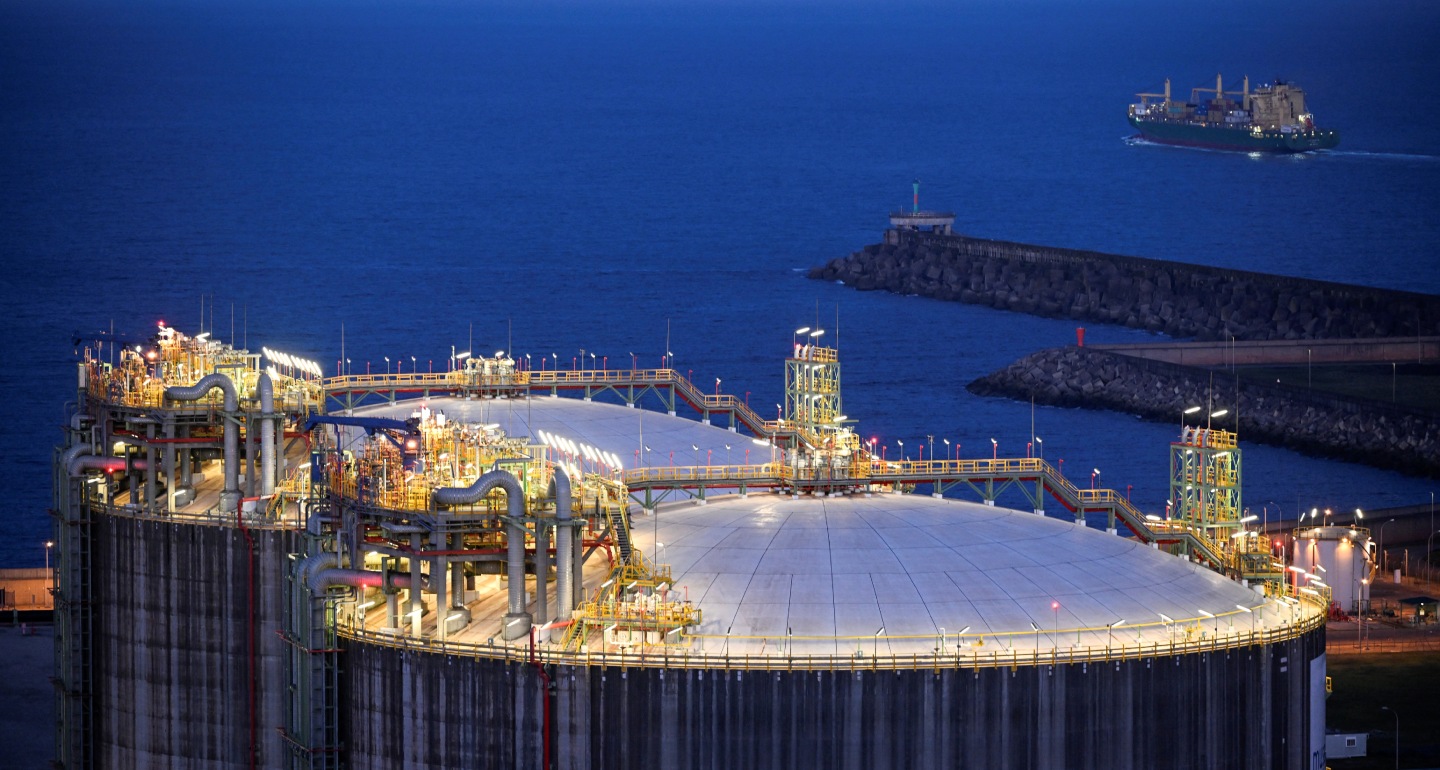
The future trajectory of the U.S.-Iran war remains uncertain, but its impact on global energy trade flows and ties will be far-reaching. Moscow is likely to become a key beneficiary of these changes; the crisis in the Gulf also strengthens Russia’s hand in its relationships with China and India, where advantages might prove more durable.

Sergey Vakulenko
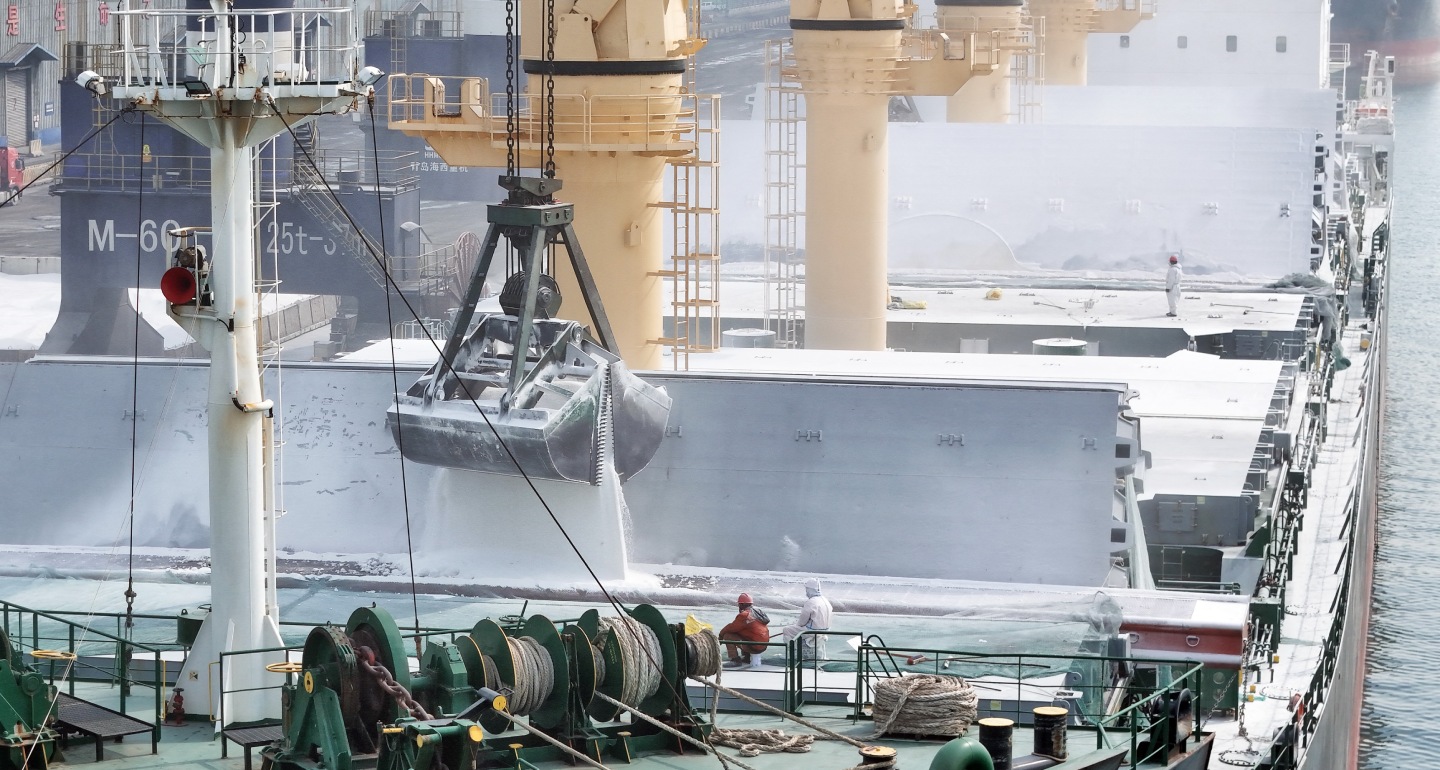
The Kremlin expects to not only profit from rising fertilizer prices but also exact revenge for the collapse of the 2023 grain deal.
Alexandra Prokopenko