

Commentary
The demands of the Kremlin’s war in Ukraine, demographic problems, and public hostility toward Central Asians mean Russia does not have enough workers.
Salavat Abylkalikov
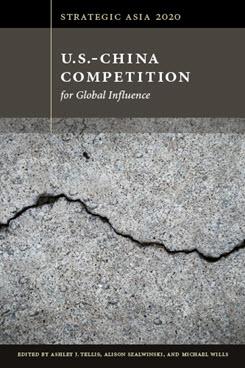
This book examines how various countries and regions are coping with the Sino-U.S. competition and implications for U.S. policymakers.
Source: National Bureau of Asian Research
Co-edited and introduced by Ashley J. Tellis, the nineteenth volume in the Strategic Asia series—Strategic Asia 2020: U.S.-China Competition for Global Influence—will be published in January 2020. The new book will offer a forward-looking assessment of how the rivalry between China and the United States is playing out around the globe. Each chapter examines how a country or region (including Japan, South Korea, India, Taiwan, Russia, Oceania, Southeast Asia, Europe, and the Americas) is coping with the consequences of Sino-U.S. competition and draws implications for U.S. policymakers.
Read the introduction by Ashley J. Tellis for free or pre-order this book.
Ashley J. Tellis holds the Tata Chair for Strategic Affairs and is a senior fellow at the Carnegie Endowment for International Peace and Research Director of the Strategic Asia Program at the National Bureau of Asian Research (NBR).
Alison Szalwinski is vice president of research at NBR.
Michael Wills is executive vice president at NBR.
Former Senior Fellow
Ashley J. Tellis was a senior fellow at the Carnegie Endowment for International Peace.
Alison Szalwinski
National Bureau of Asian Research
Alison Szalwinski is assistant director for political and security affairs at NBR.
Michael Wills
National Bureau of Asian Research
Michael Wills is senior vice president for strategy and finance at NBR.
Carnegie does not take institutional positions on public policy issues; the views represented herein are those of the author(s) and do not necessarily reflect the views of Carnegie, its staff, or its trustees.

The demands of the Kremlin’s war in Ukraine, demographic problems, and public hostility toward Central Asians mean Russia does not have enough workers.

Salavat Abylkalikov
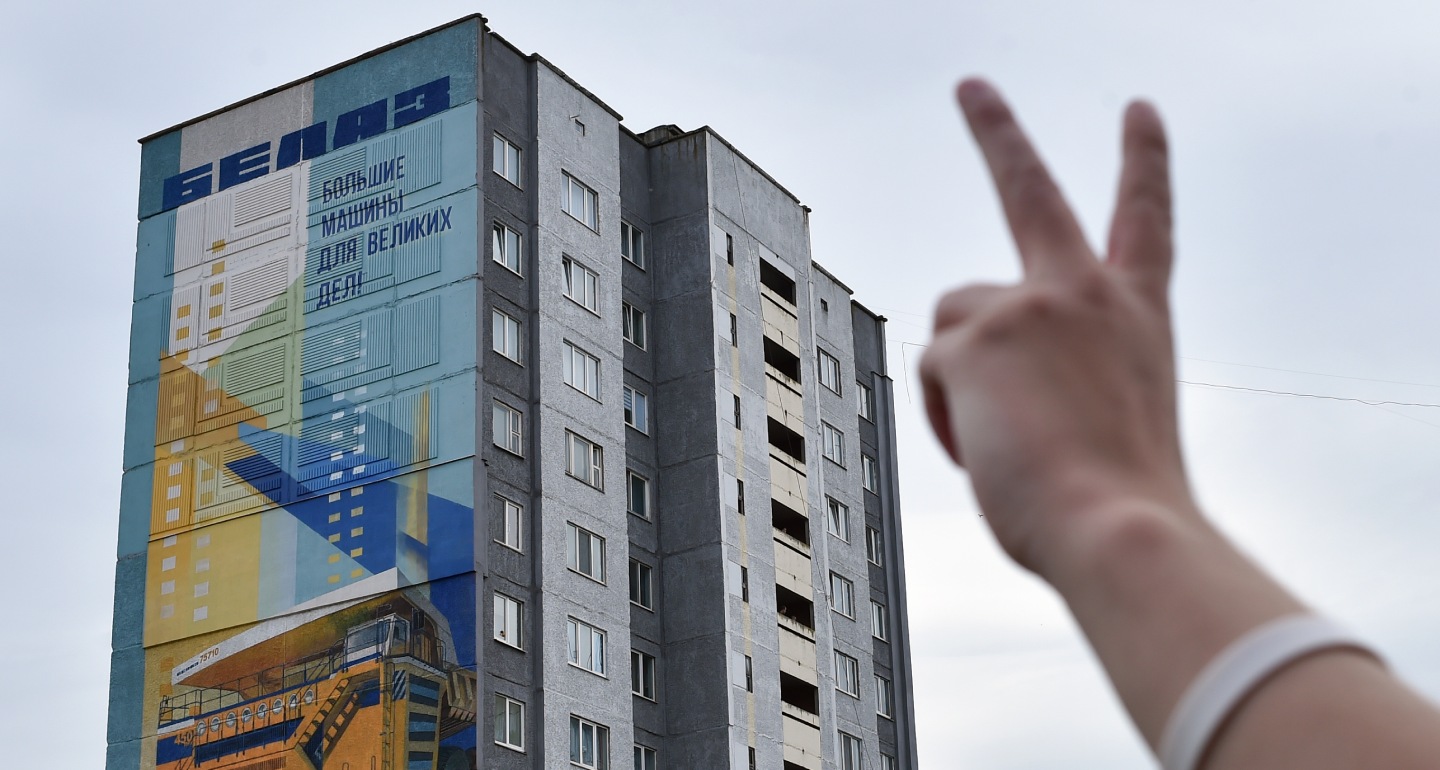
Minsk’s faith in the future of its larger neighbor’s economy is fading as Belarusian firms in Russia see record losses.

Olga Loiko
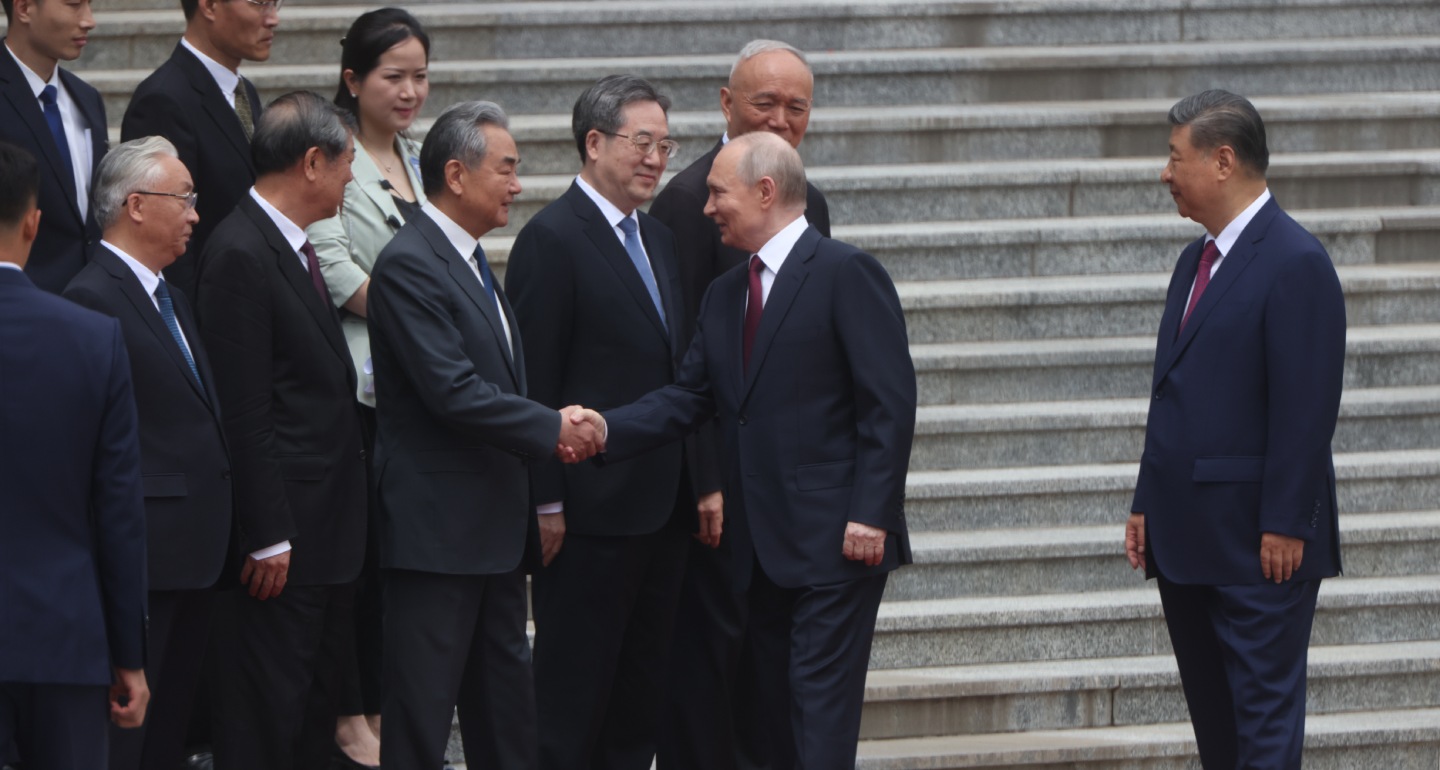
With no key agreement signed on the Power of Siberia 2 gas pipeline, there is a risk that the window of opportunity for Russia will close if Chinese power generation becomes so green that new gas sources are no longer of any interest to Beijing.

Alexander Gabuev

Though Orban is gone, Putin can still count on some like-minded individuals in Central and Eastern Europe. However, they will seek to avoid open confrontation with EU institutions over Ukraine and their ties with Moscow.

Dimitar Bechev

The truth is that Japan’s government is seeking a degree of reengagement but at a vastly reduced level than under Abe. Most significantly, Japan has shown no willingness to ease sanctions.

James D.J. Brown