

Commentary
Reading the purported correspondence of celebrity Ksenia Sobchak sheds light on her role within the system, and how journalism and politics function in Putin’s Russia.
Vladislav Gorin

It is imperative that the end of the war include safeguards for Ukraine’s sovereignty and security while signaling to Russia and other adversaries that there is a heavy price to be paid for attempting to change borders through force.

Senior Fellow and Ukraine Initiative Director, Russia and Eurasia Program
Eric Ciaramella is a senior fellow in the Russia and Eurasia program at the Carnegie Endowment for International Peace. His work focuses on Ukraine and Russia.
Nonresident Scholar, Russia Eurasia Program
Eric Green is a nonresident scholar at the Carnegie Endowment for International Peace.
Carnegie does not take institutional positions on public policy issues; the views represented herein are those of the author(s) and do not necessarily reflect the views of Carnegie, its staff, or its trustees.

Reading the purported correspondence of celebrity Ksenia Sobchak sheds light on her role within the system, and how journalism and politics function in Putin’s Russia.
Vladislav Gorin

When political power is concentrated in the hands of a small circle of people, a country invariably ends up with technological stagnation.

Aleksei Kiselev

Two divergent trends—Putin’s hardline vision of how to prosecute the war in Ukraine, and a growing desire for change in Russia—could tear the regime apart.

Tatiana Stanovaya
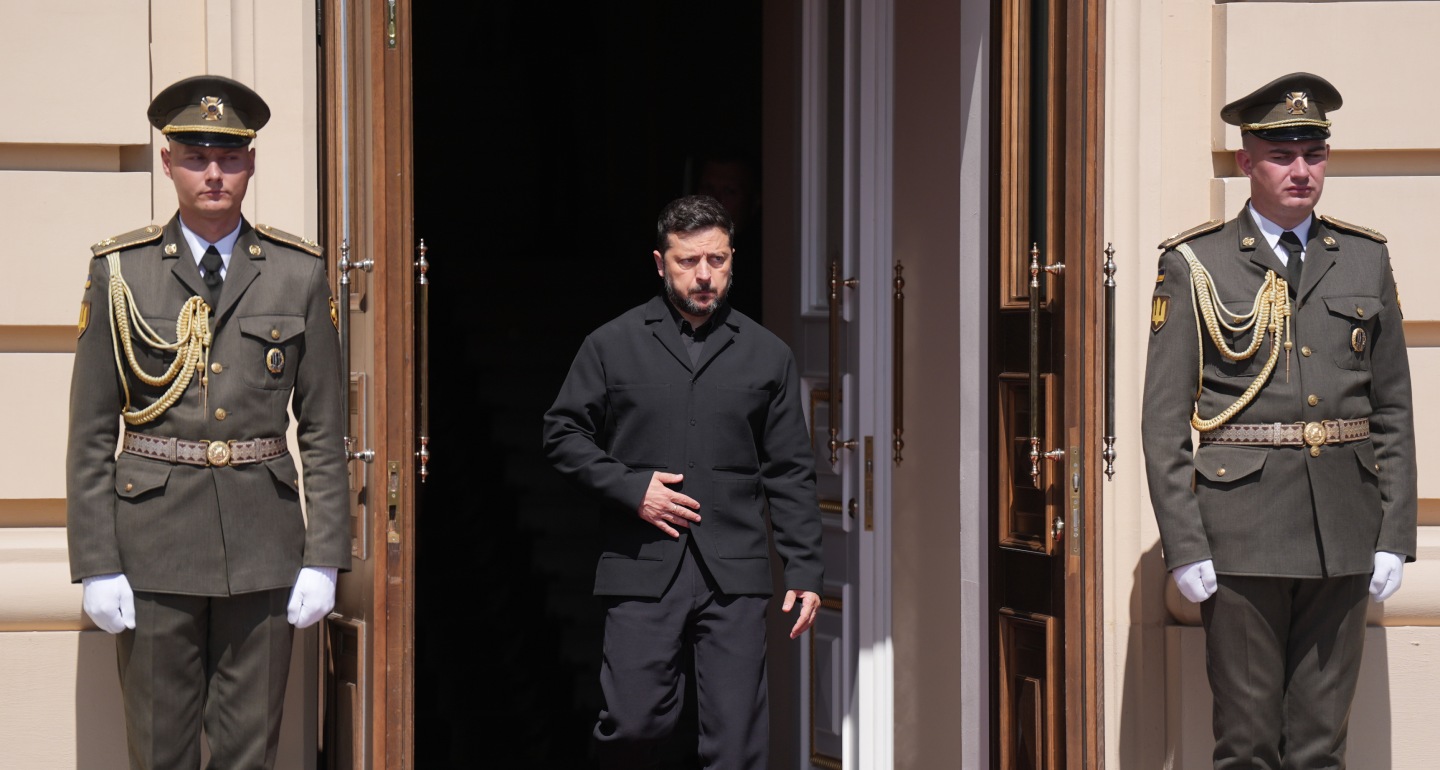
Ultimately, Zelensky sided neither with the reform camp nor with the military establishment as such, but with political control.

Balázs Jarábik
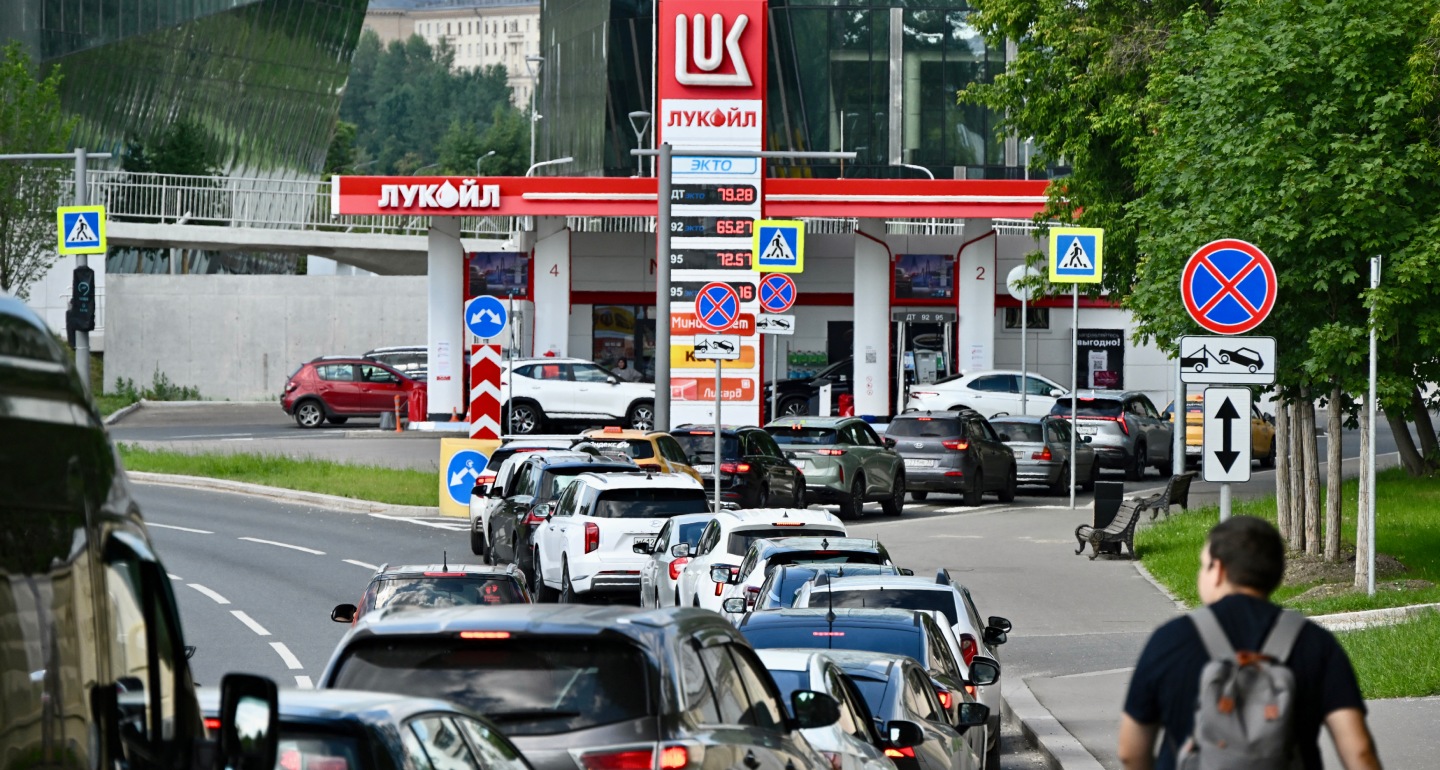
Official discussions about mini oil refineries are unlikely to come to anything—but the mere fact they’re happening reveals the regime is failing to deliver a functioning economy.

Sergey Vakulenko