

Commentary
Thomas de Waal
{
  "authors": [
    "Thomas de Waal"
  ],
  "type": "legacyinthemedia",
  "centerAffiliationAll": "dc",
  "centers": [
    "Carnegie Endowment for International Peace",
    "Carnegie Europe"
  ],
  "collections": [],
  "englishNewsletterAll": "ctw",
  "nonEnglishNewsletterAll": "",
  "primaryCenter": "Carnegie Europe",
  "programAffiliation": "russia",
  "programs": [
    "Russia and Eurasia"
  ],
  "projects": [],
  "regions": [
    "Caucasus",
    "Russia",
    "Azerbaijan",
    "Armenia",
    "Georgia"
  ],
  "topics": [
    "Political Reform"
  ]
}
Source: Getty
The figure of Stalin still provokes many positive reactions in the former Soviet Union.
Source: BBC World News
Surveys commissioned by the Carnegie Endowment for The Stalin Puzzle have revealed that the figure of Stalin provokes more positive reactions than one might have expected in several countries of the former Soviet Union. Carnegie's Thomas de Waal, editor of the project, spoke to BBC World News to discuss some of the reasons behind these results. He concentrated on the two most startling facts found in the surveys: support for Stalin has risen in Russia since the first election of President Vladimir Putin, while, in Stalin’s native Georgia, approval ratings are even higher.
De Waal explained that de-Stalinization campaigns were only tried halfheartedly until many years after Stalin’s death, when Mikhail Gorbachev came to power. He added that the Soviet victory in World War Two also made Stalin the great unifier, on a par with the victorious leaders of the UK and the United States. This is accentuated by a lack of alternative hero figures. While current Russian leaders do not glorify Stalin, it remains difficult for them to criticize a figure who is seen to have built a strong state, de Waal suggested.
Senior Fellow, Carnegie Europe
Thomas de Waal is a senior fellow at Carnegie Europe, specializing in Eastern Europe and the Caucasus.
Recent Work
Thomas de Waal
Thomas de Waal
Carnegie does not take institutional positions on public policy issues; the views represented herein are those of the author(s) and do not necessarily reflect the views of Carnegie, its staff, or its trustees.
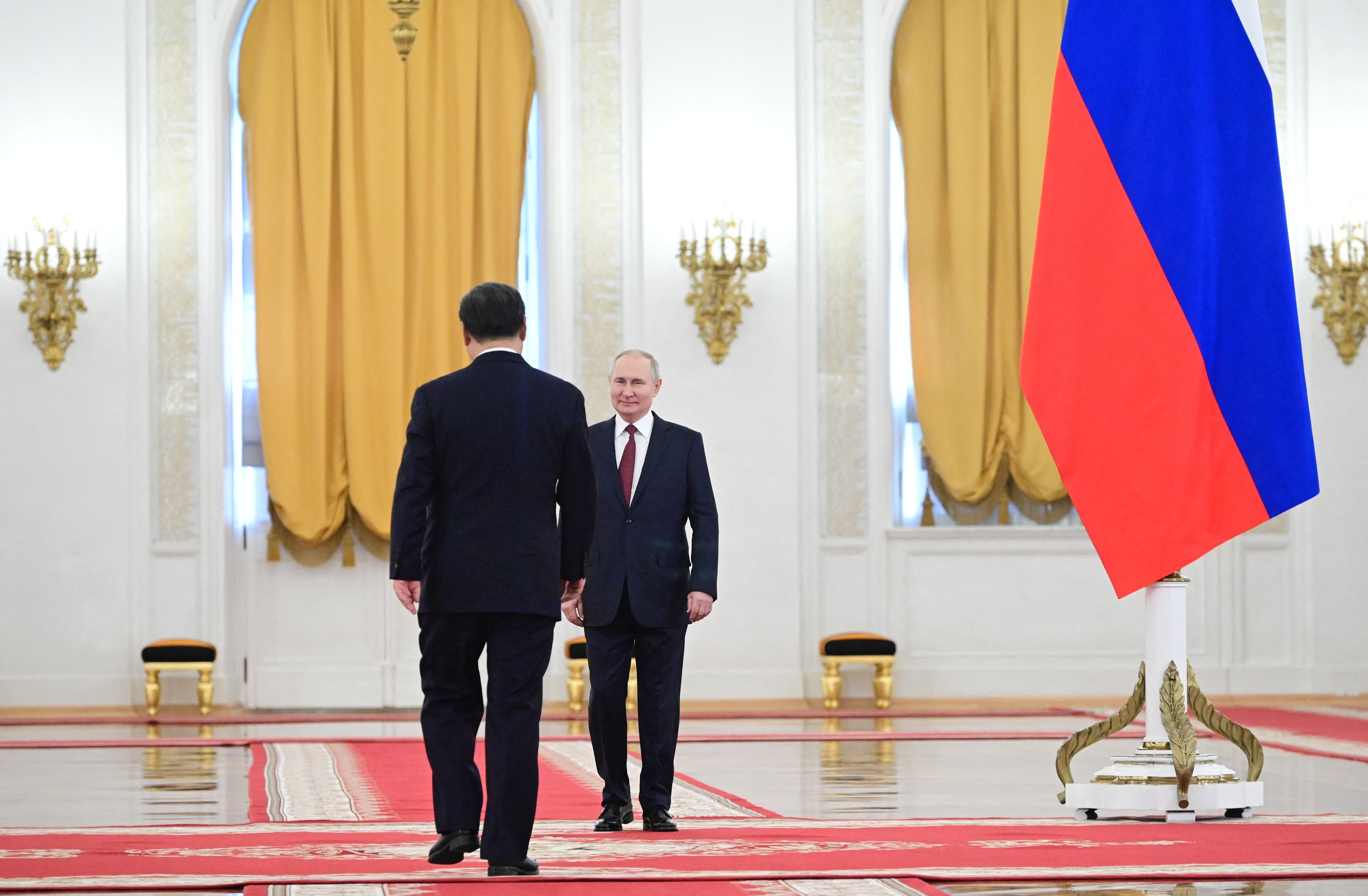
Beijing is trying to navigate the overall situation regarding Ukraine, especially the substance of interactions between Washington and Moscow.
Ellen Nakashima, Zhao Long, Pavlo Klimkin, …
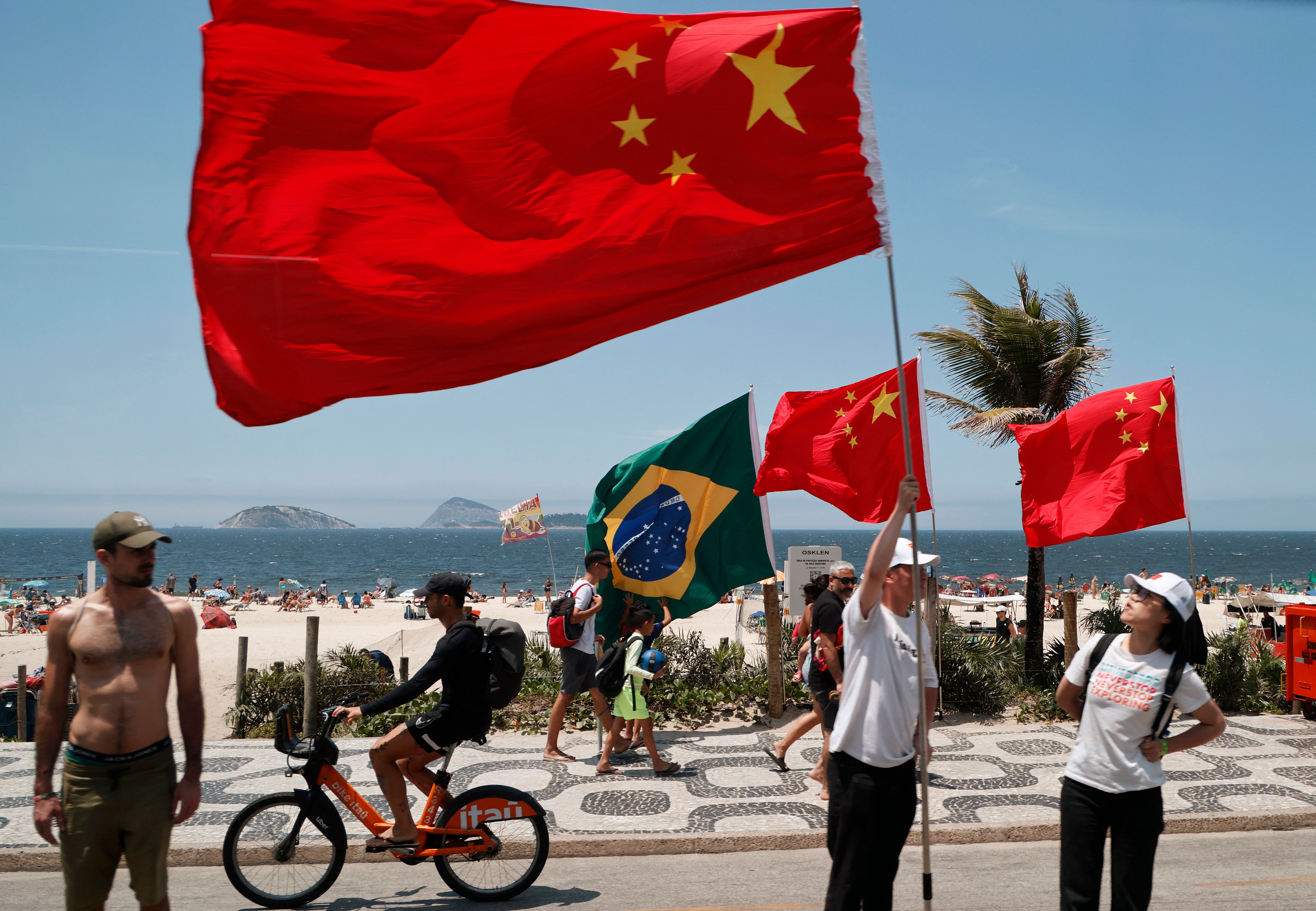
While China will remain a significant political and economic force in the Global South, its ambition to leverage the Global South as a counterbalance to the United States and the Global North is far from assured.

Xue Gong
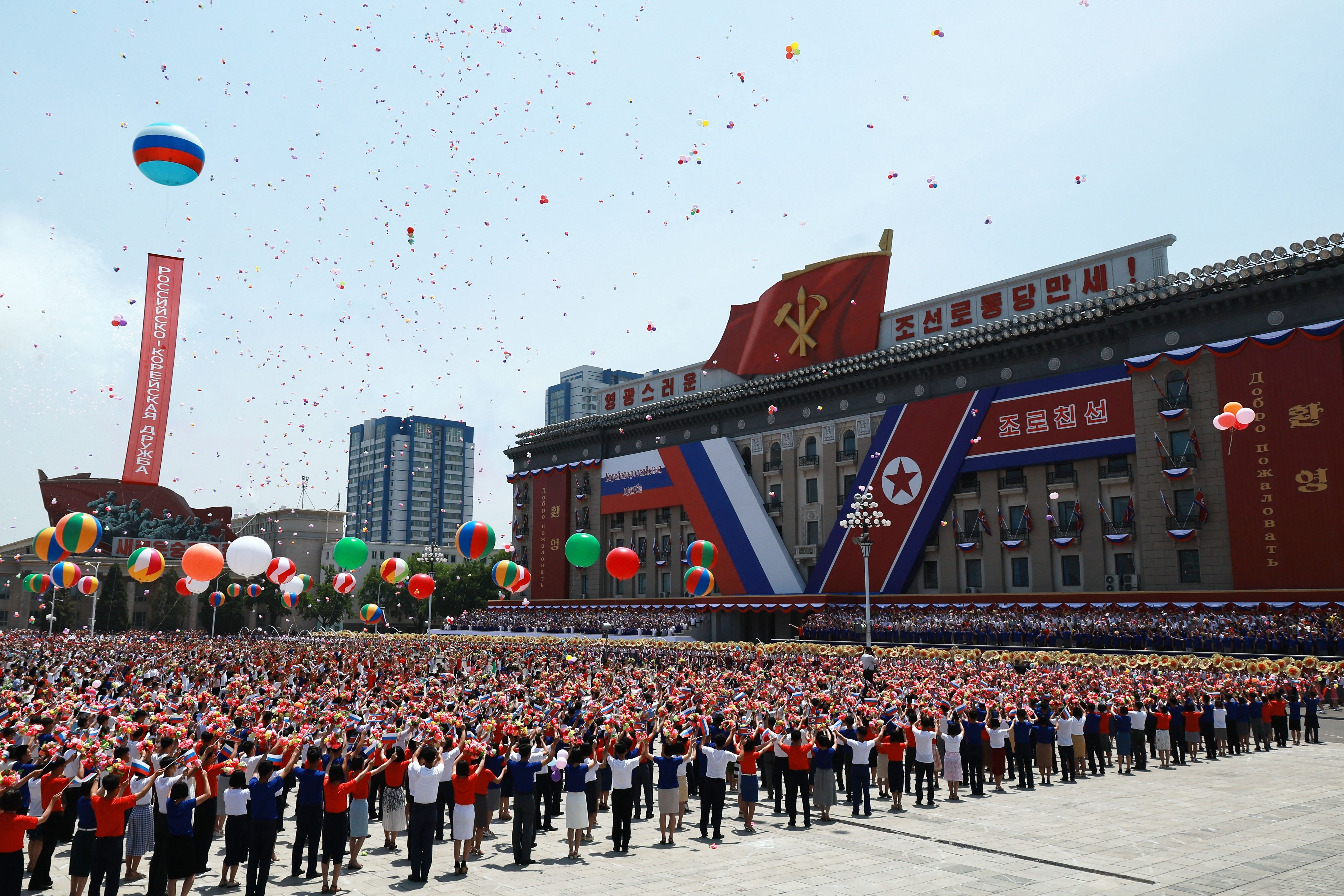
Faced with an increase in strategic maneuvering by Moscow and Pyongyang, Beijing will not sit idly by and allow Putin and Kim to shape the security environment on its behalf.

Tong Zhao
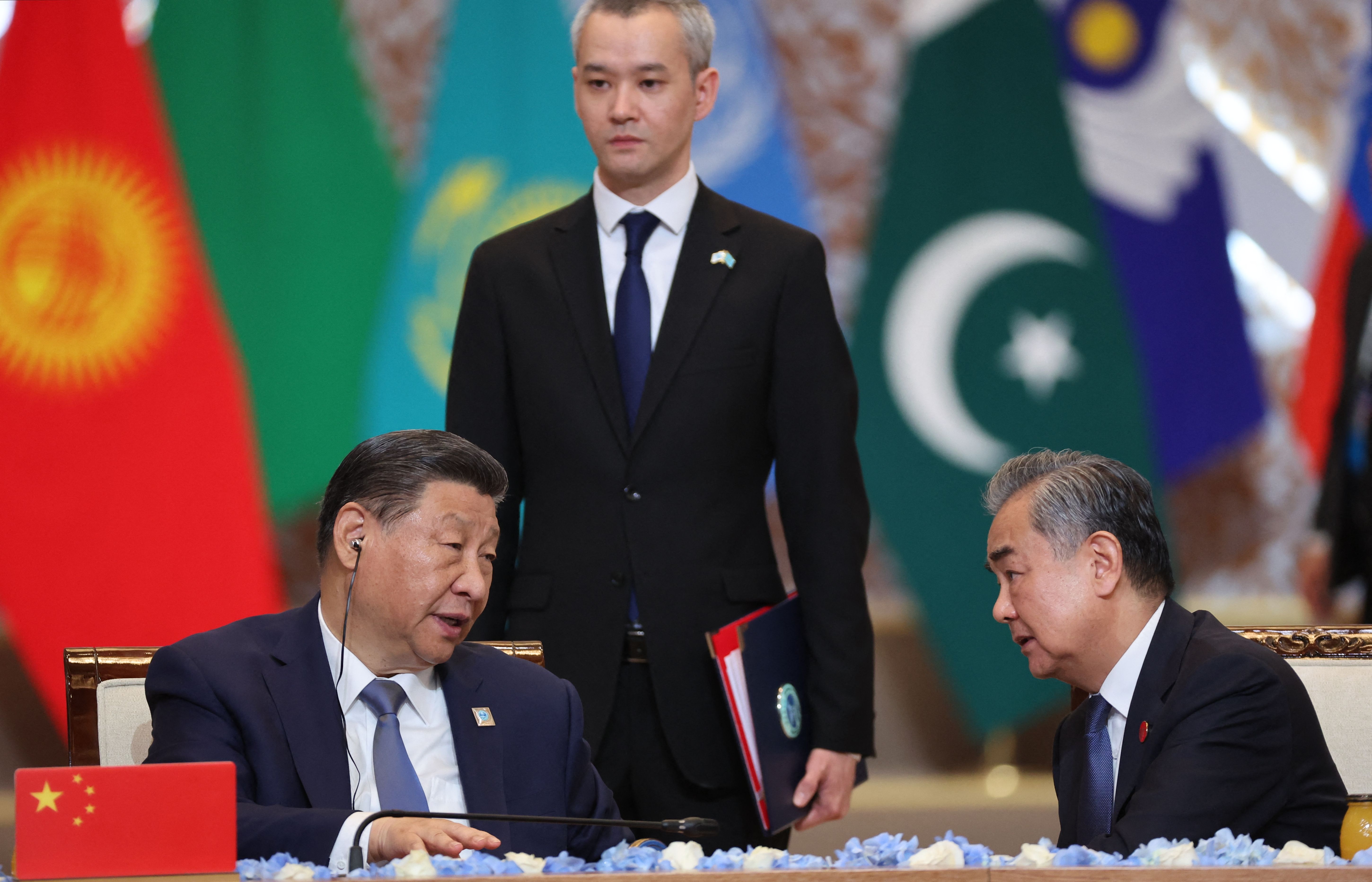
China’s growing attention to Central Asia is perceived as a harbinger of tectonic shifts in regional geopolitics.

Temur Umarov
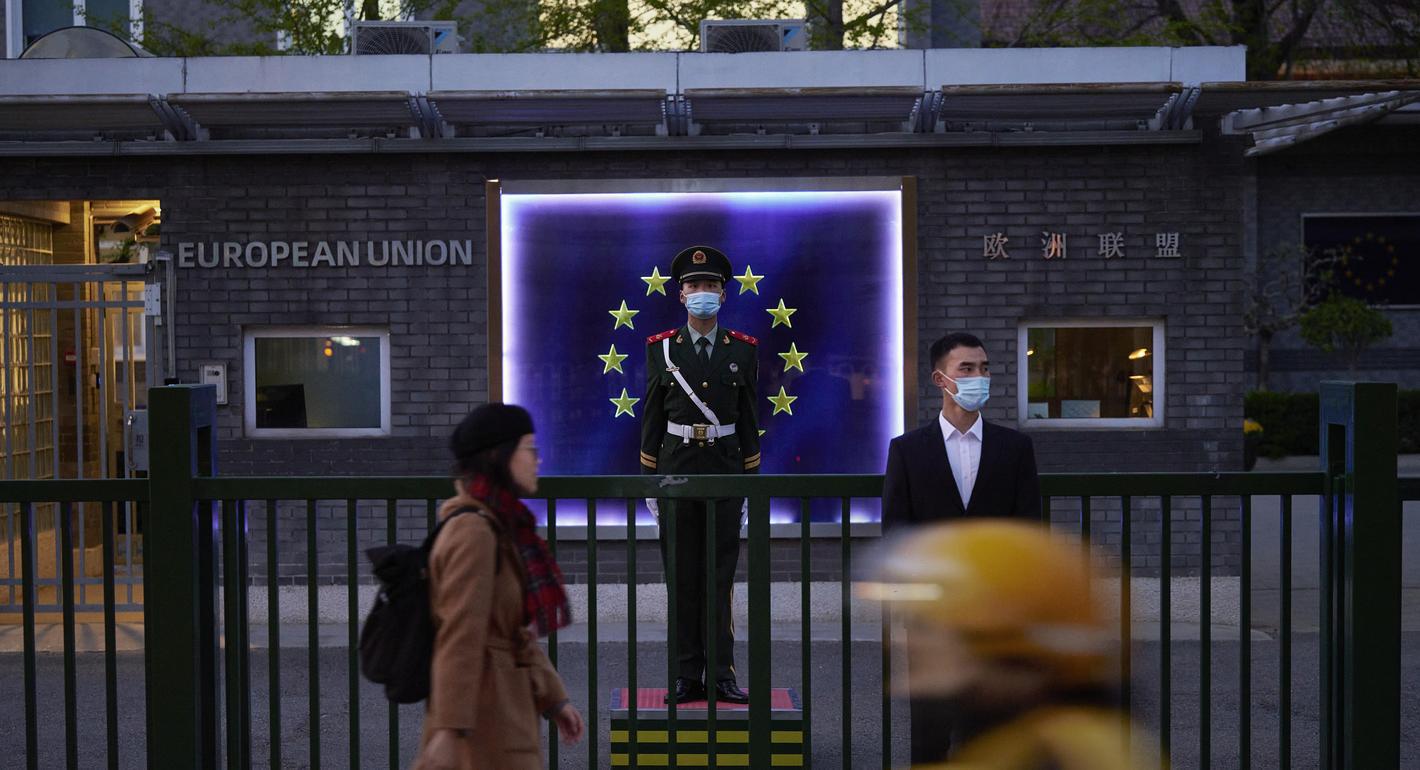
The Russian invasion of Ukraine is a turning point in the EU-China relationship, and evolution of the China-Russia relationship will continue to impact EU-China relations.
Yifan Ding, Alice Ekman