

Commentary
Thomas de Waal
{
  "authors": [
    "Thomas de Waal"
  ],
  "type": "commentary",
  "centerAffiliationAll": "",
  "centers": [
    "Carnegie Endowment for International Peace",
    "Carnegie Europe",
    "Carnegie Russia Eurasia Center"
  ],
  "collections": [],
  "englishNewsletterAll": "",
  "nonEnglishNewsletterAll": "",
  "primaryCenter": "Carnegie Europe",
  "programAffiliation": "",
  "programs": [],
  "projects": [
    "Eurasia in Transition"
  ],
  "regions": [
    "Middle East",
    "Türkiye",
    "Caucasus",
    "Armenia"
  ],
  "topics": [
    "Political Reform",
    "Foreign Policy"
  ]
}
Source: Getty
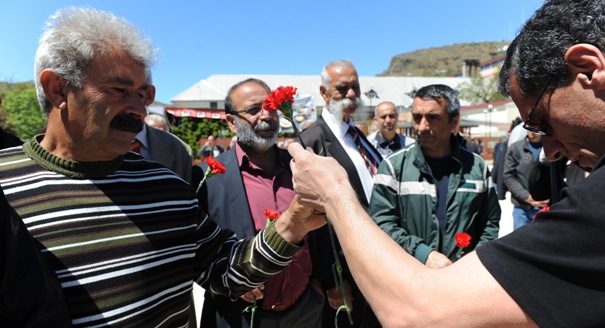
In his statement on the “Armenian Question,” Erdogan goes further than any other Turkish leader before him and offers condolences to the descendants of Ottoman Armenians. However, instead of rhetoric, it would be better for each of the nations to concentrate on normalizing Armenian-Turkish relations and opening the closed border.
2015 begins today.
The statement by Turkish Prime Minister Recep Tayyip Erdoğan on the “Armenian Question” goes further than any other Turkish leader before him.
Never before has a Turkish leader offered condolences to the descendants of Ottoman Armenians. Erdoğan said that he and his government “wish that the Armenians who lost their lives in the context of the early twentieth century rest in peace, and we convey our condolences to their grandchildren.”
So is Erdoğan's statement a sign of a change in Turkey or a calculating political maneuver?
It is both. Erdoğan's AKP government has done more for the Armenians than any Turkish government over the last 50 years. It has lifted the taboo on free discussion of the question of 1915, allowed ordinary Turks to use the word “genocide” and seen Armenian churches re-open in Turkey.
Yet, this is only the beginning of an acknowledgement of the huge tragedy that befell the entire Ottoman Armenian population—while the tone of the prime minister's remarks suggests that he wants this to be the end of the issue. And of course the Armenian-Turkish border remains closed.
The sad truth is that the annual round of statements on the Armenian tragedy every April 24 has now been completely devalued. Because of its use of the phrase “shared pain” and lack of the word “genocide,” the Armenian National Committee of America duly called Erdoğan's statement a “cold and cynical ploy.”
The ANCA missed the opportunity to give a more nuanced statement, just as they did in 2009 when they called a very dignified April 24 declaration by President Obama “yet another disgraceful capitulation to Turkey’s threats” because Obama did not use the word “genocide.”
The paradoxical effect is that Armenian organizations which say they speak for the Armenian dead of 1915 end up making April 24 a day of anger and politics, rather than mourning.
It would surely be better all round if everyone just abandoned their April 24 statements and their tortured language and concentrated on the real issues: how to honor the Armenian dead, what to do about Armenian architectural heritage in Turkey, re-writing Turkey's history books and—most importantly—normalizing Armenian-Turkish relations and opening the closed border.
As the 2015 centenary approaches, it is more likely that we will see more rhetoric and less action. But, if anyone was listening, the statement by the Turkish prime minister is an opportunity to encourage him and his government to take real steps to honor Armenians, living and dead.

Senior Fellow, Carnegie Europe
De Waal is a senior fellow at Carnegie Europe, specializing in Eastern Europe and the Caucasus.
Recent Work
Thomas de Waal
Thomas de Waal, ed.
Carnegie does not take institutional positions on public policy issues; the views represented herein are those of the author(s) and do not necessarily reflect the views of Carnegie, its staff, or its trustees.

Malaysia’s chairmanship sought to fend off short-term challenges while laying the groundwork for minimizing ASEAN’s longer-term exposure to external stresses.

Elina Noor

For Malaysia, the conjunction that works is “and” not “or” when it comes to the United States and China.
Elina Noor
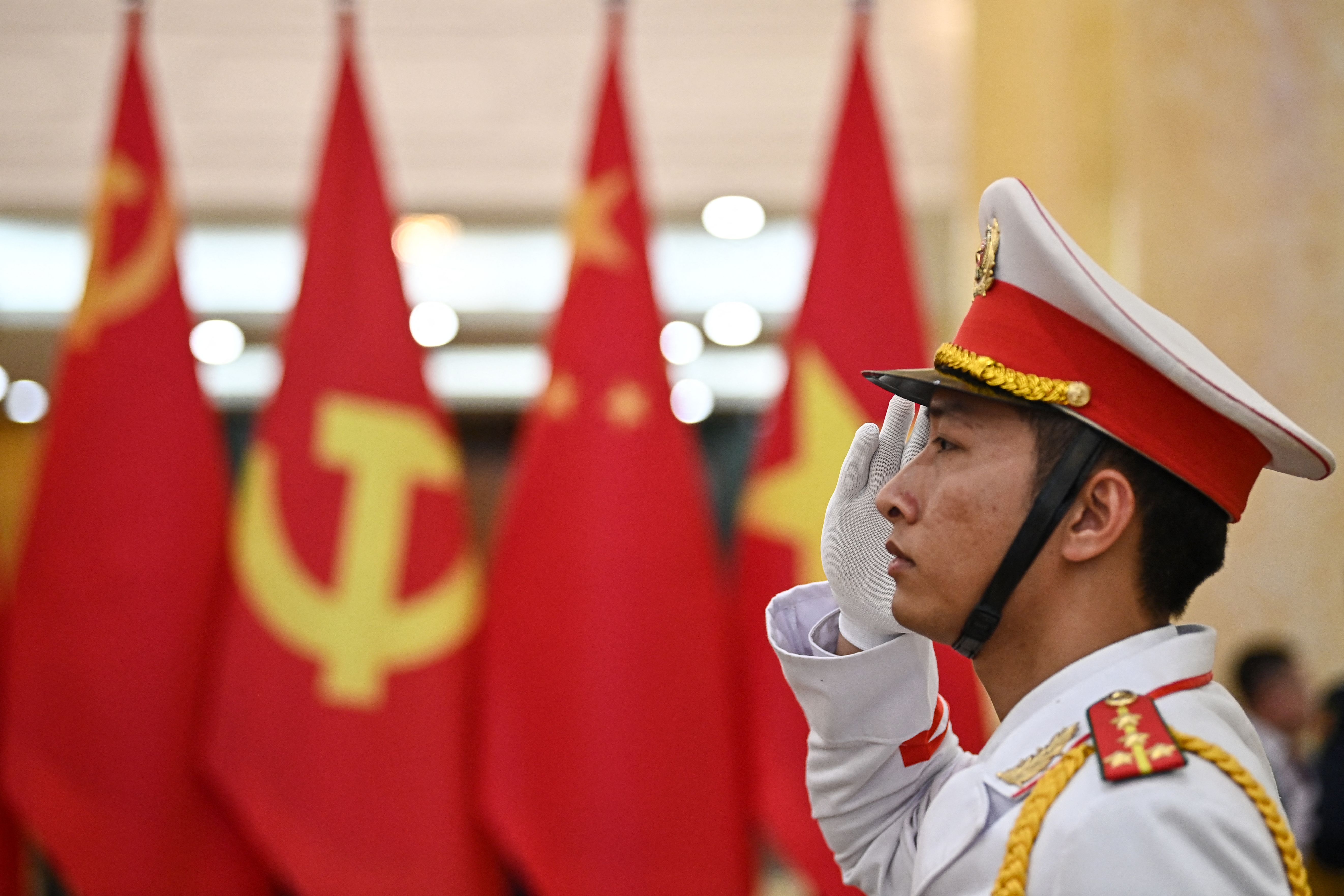
In July 2025, Vietnam and China held their first joint army drill, a modest but symbolic move reflecting Hanoi’s strategic hedging amid U.S.–China rivalry.

Nguyễn Khắc Giang
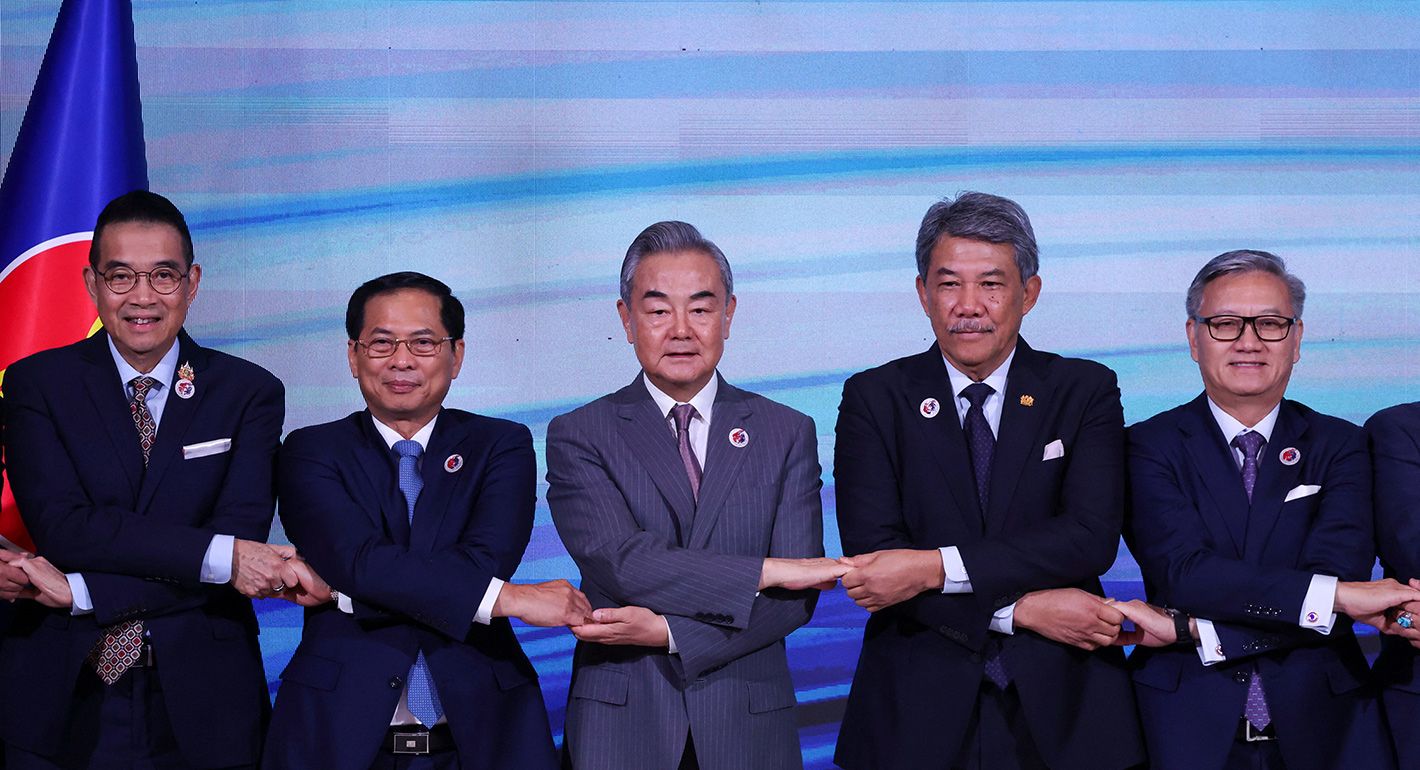
The Thai-Cambodian conflict highlights the limits to China's peacemaker ambition and the significance of this role on Southeast Asia’s balance of power.

Pongphisoot (Paul) Busbarat
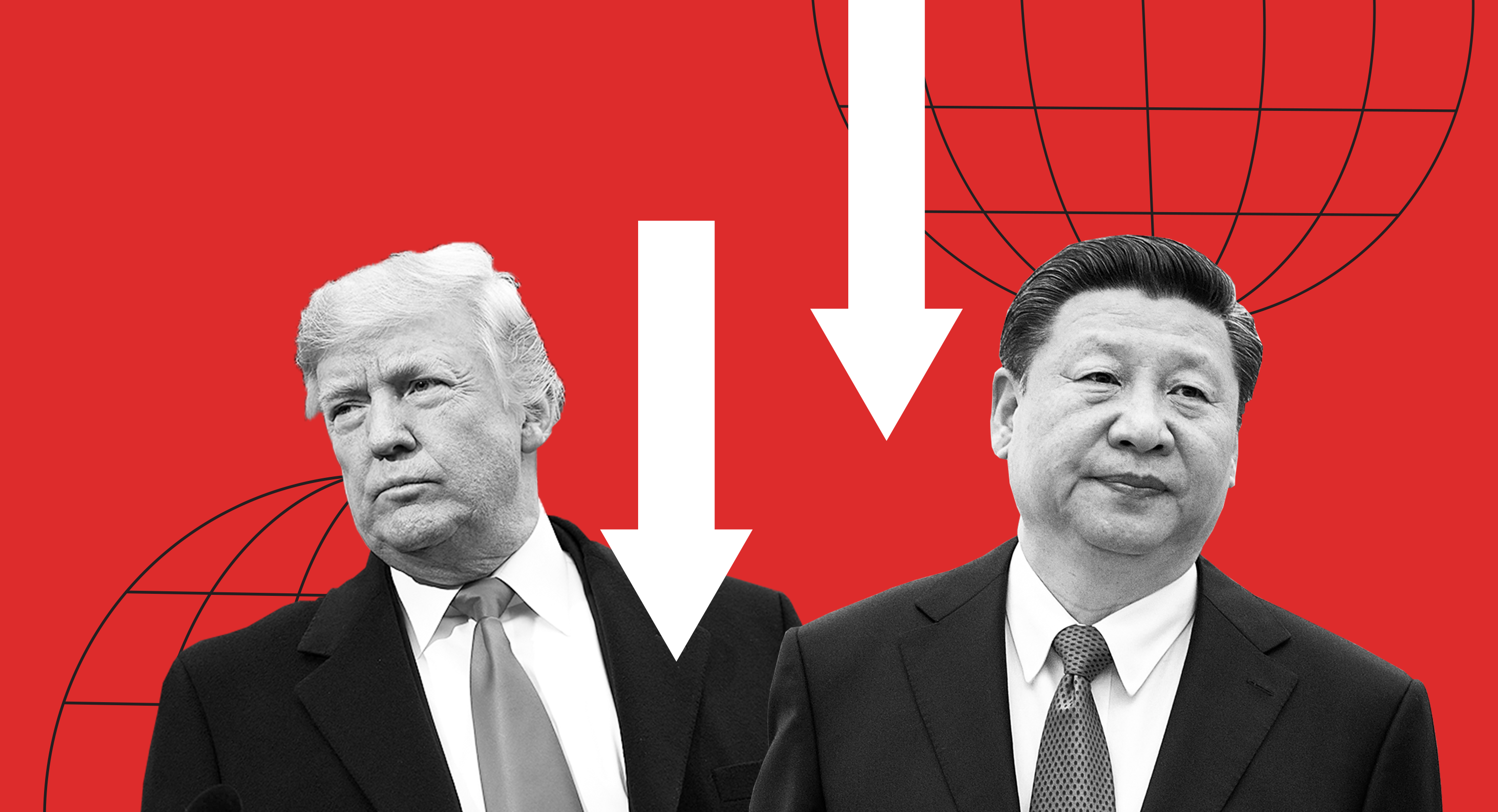
Beijing believes that Washington is overestimating its own leverage and its ability to handle the trade war’s impacts.


Rick Waters, Sheena Chestnut Greitens