

Commentary
Thomas de Waal
{
  "authors": [
    "Thomas de Waal"
  ],
  "type": "legacyinthemedia",
  "centerAffiliationAll": "dc",
  "centers": [
    "Carnegie Endowment for International Peace",
    "Carnegie Europe"
  ],
  "collections": [
    "Europe’s Eastern Neighborhood"
  ],
  "englishNewsletterAll": "ctw",
  "nonEnglishNewsletterAll": "",
  "primaryCenter": "Carnegie Europe",
  "programAffiliation": "EP",
  "programs": [
    "Europe"
  ],
  "projects": [],
  "regions": [
    "Russia",
    "Europe",
    "Eastern Europe",
    "Caucasus",
    "Armenia",
    "Iran"
  ],
  "topics": [
    "Democracy"
  ]
}
Source: Getty
While several post-Soviet countries such as Georgia, Moldova, and Ukraine now routinely hold free and fair elections, another democratic pillar—rule of law—has proved much more difficult to achieve.
Source: World Politics Review
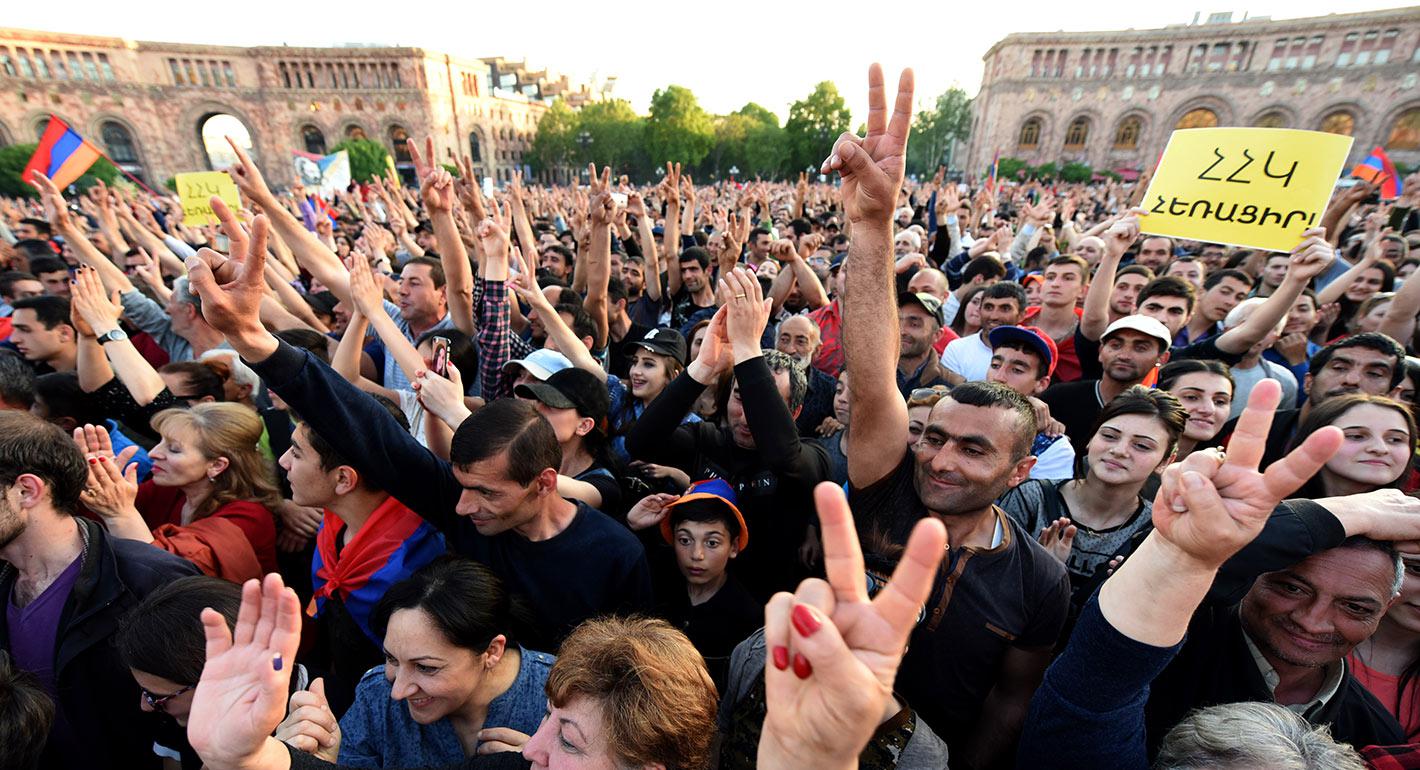
If you thought judicial appointments were an explosive issue in the United States, just look at Armenia, where over the past year, the government of Prime Minister Nikol Pashinyan has declared war on Armenia’s senior judges. Most recently, Pashinyan has called a popular referendum for April 5 to remove seven of the nine judges on the Constitutional Court, whom he accuses of blocking his reform agenda.The government sees this as a last-ditch measure to clean up a corrupt justice system that Pashinyan inherited from former President Serzh Sargsyan. For the judges, it is an assault by politicians on the rule of law. In an unusual statement last month, the president of the Venice Commission, the Council of Europe’s venerable advisory body on constitutional law, called on both sides “to exercise restraint and to de-escalate this worrying situation in order to ensure the normal operation of the constitution of Armenia.”
This article was originally published by World Politics Review.

Senior Fellow, Carnegie Europe
Thomas de Waal is a senior fellow at Carnegie Europe, specializing in Eastern Europe and the Caucasus.
Recent Work
Thomas de Waal
Thomas de Waal
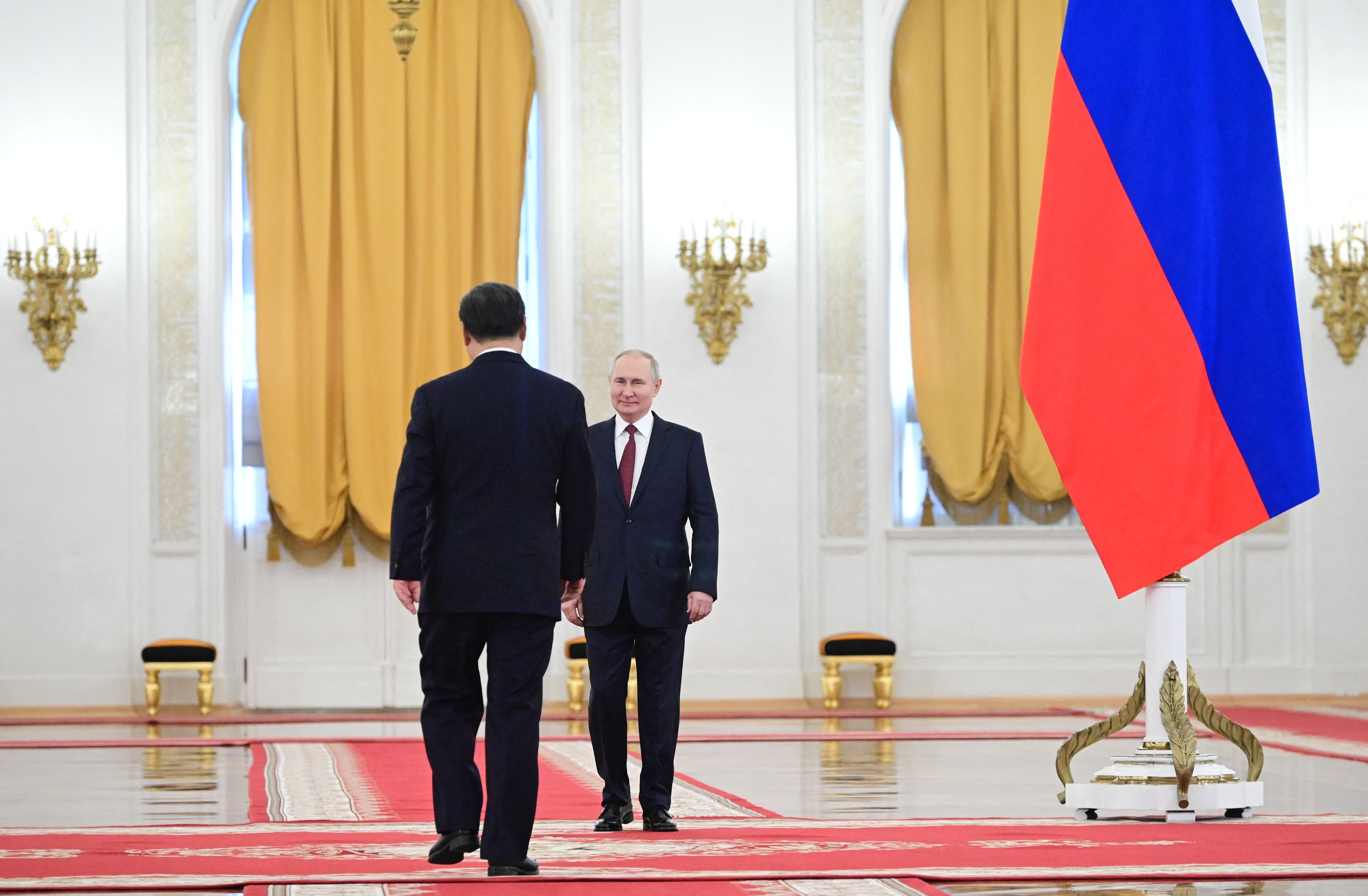
Beijing is trying to navigate the overall situation regarding Ukraine, especially the substance of interactions between Washington and Moscow.

Ellen Nakashima, Zhao Long, Pavlo Klimkin, …
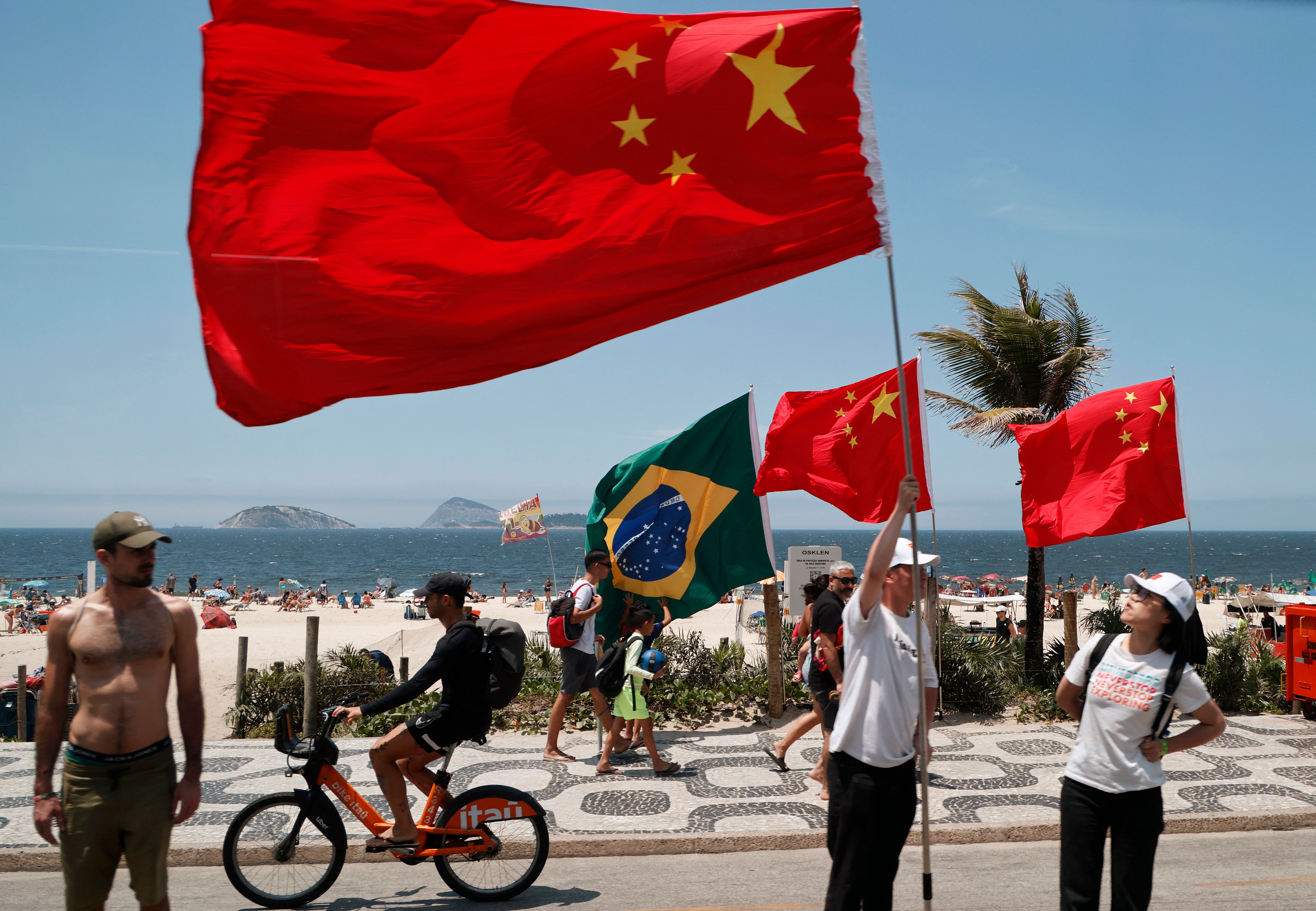
While China will remain a significant political and economic force in the Global South, its ambition to leverage the Global South as a counterbalance to the United States and the Global North is far from assured.

Xue Gong
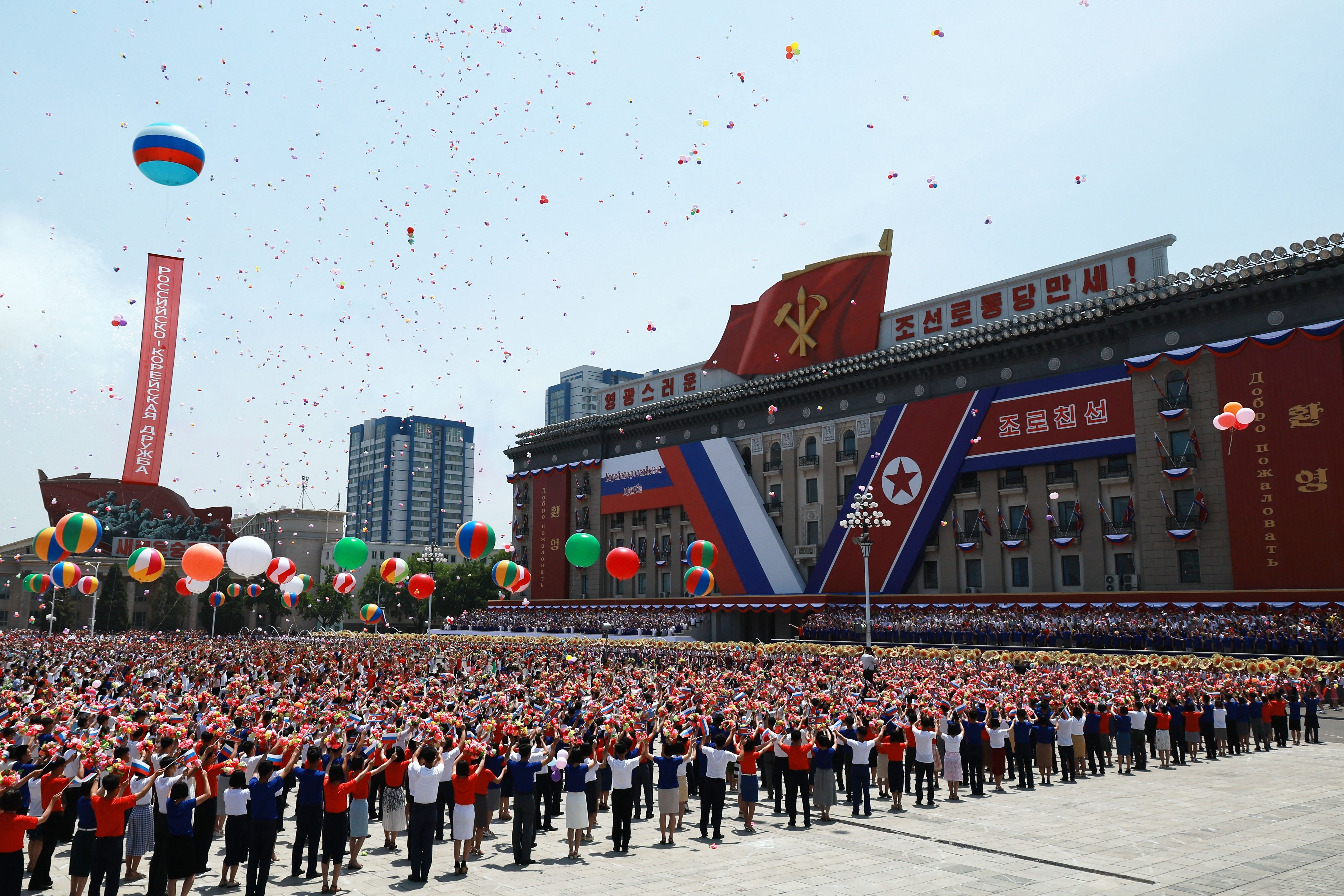
Faced with an increase in strategic maneuvering by Moscow and Pyongyang, Beijing will not sit idly by and allow Putin and Kim to shape the security environment on its behalf.

Tong Zhao
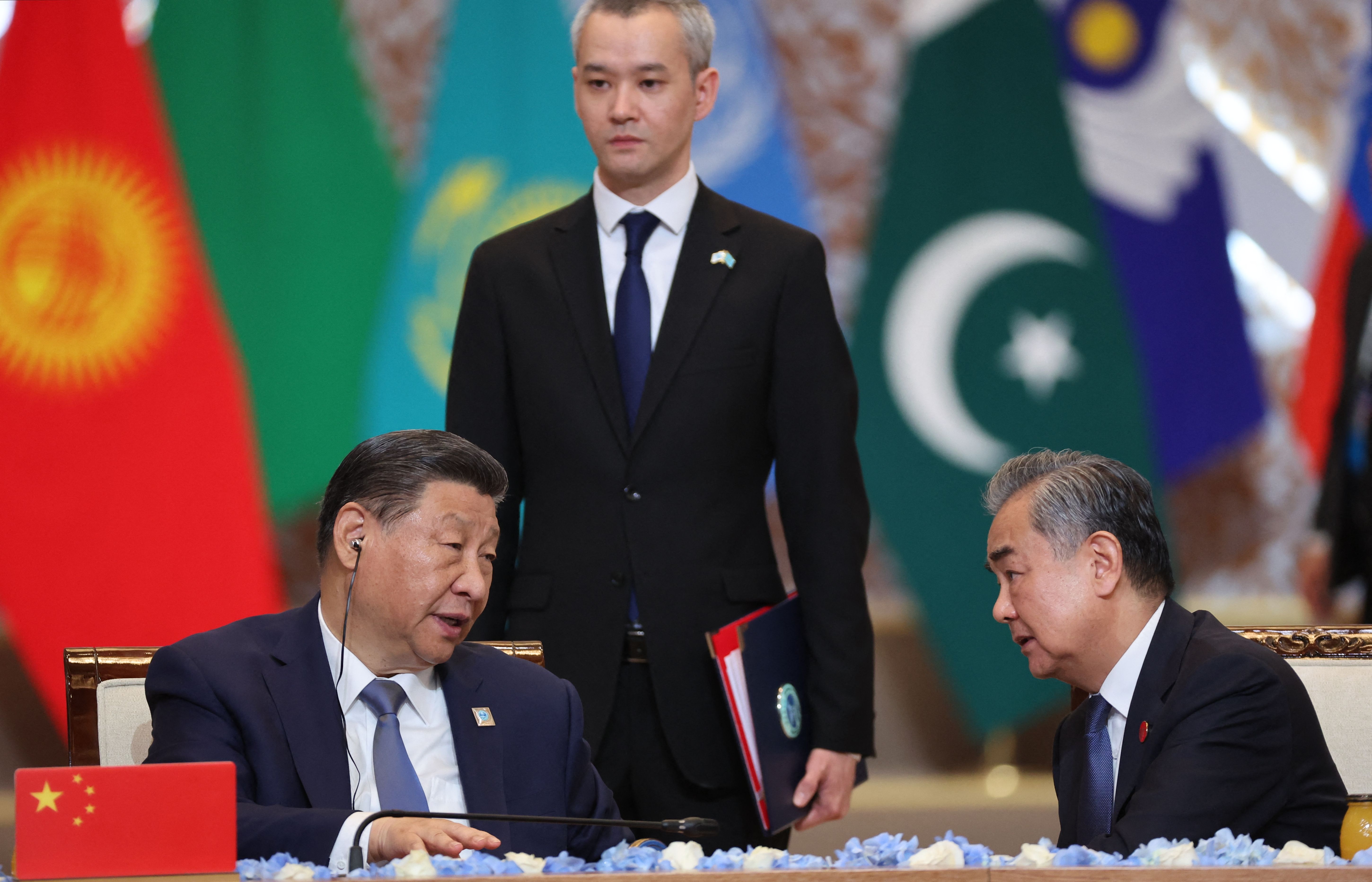
China’s growing attention to Central Asia is perceived as a harbinger of tectonic shifts in regional geopolitics.

Temur Umarov
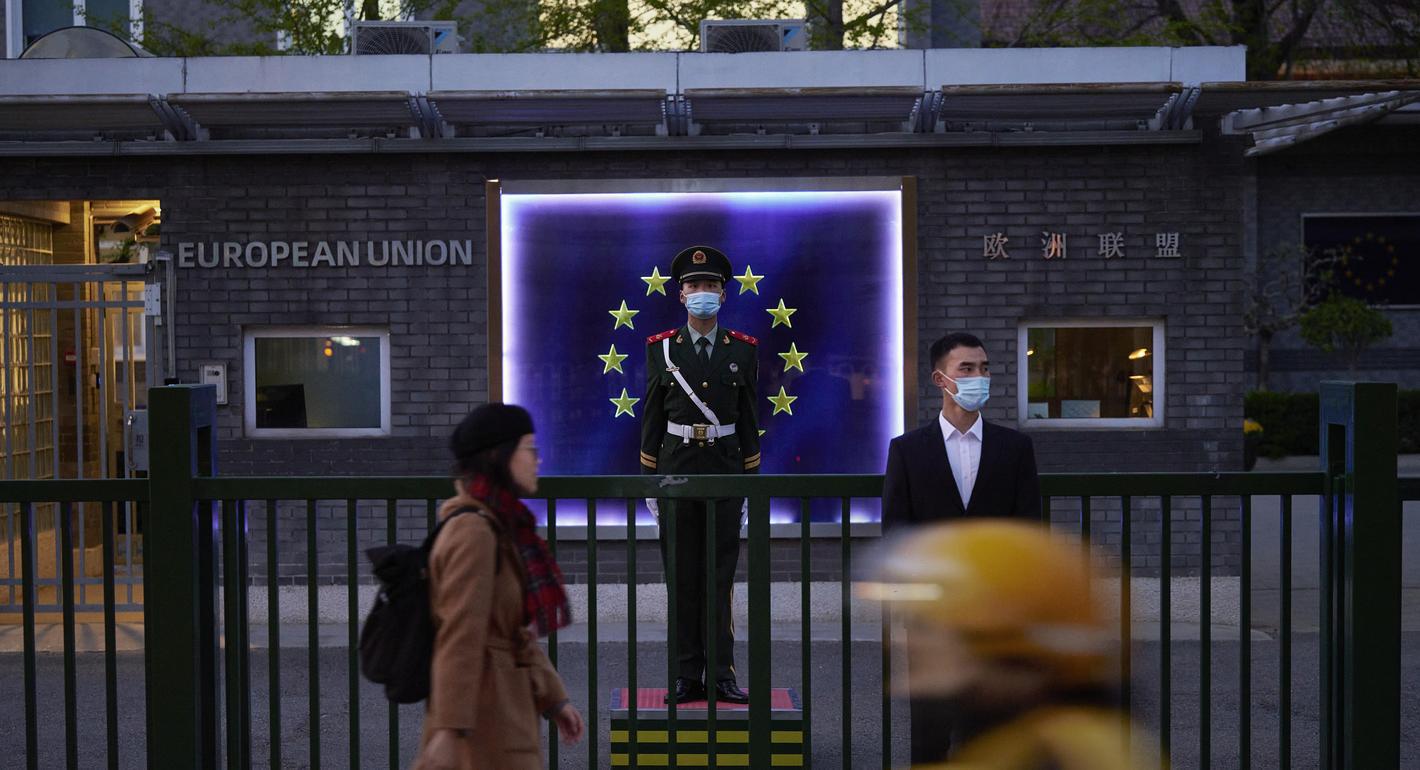
The Russian invasion of Ukraine is a turning point in the EU-China relationship, and evolution of the China-Russia relationship will continue to impact EU-China relations.
Yifan Ding, Alice Ekman