

Paper
Paul Salem

REQUIRED IMAGE
There have been many attempts by the international community to impose order in the Middle East. The reality is that Arab states must themselves overcome divisive ideologies, prioritize common interests, and develop a cooperative political and security architecture if a new regional order is to come to fruition.
Source: Carnegie Endowment
There have been many attempts by the international community to impose order in the Middle East. The reality is that Arab states must themselves overcome divisive ideologies, prioritize common interests, and develop a cooperative political and security architecture if a new regional order is to come to fruition, argues Paul Salem, director of the Carnegie Middle East Center in Beirut.
In The Middle East: Evolution of a Broken Regional Order, Salem identifies patterns and trends in the dynamic history between the countries of the Middle East—through the collapse of Ottoman rule, European mandates, and the post-World War II developments in the region—that help to understand how Arab states, as well as Turkey and Iran, have shaped their policies, particularly after 9/11 and the U.S. invasion of Iraq. The paper introduces a series of country-by-country studies that will examine how key players in the Middle East—namely Iran, Turkey, Saudi Arabia, Syria, Jordan, and Egypt—have responded.
Salem offers analysis of:
"The events of the past few years have broken the precarious old Middle East order without replacing it with a new one. And although rival external and regional players have been pushing their own agendas for a new regional order, none of them has prevailed. The competition among these rival visions and forces appears destined to continue in the years ahead. In the meantime, meetings of countries neighboring Iraq have been taking place, first in Egypt, then in Turkey and Kuwait. Participants in addition to Iraq have included Iran, Turkey, and key Arab countries. Discussions have focused on exploring potential common ground on security as well as political and economic issues. These meetings have been encouraged by the United States and the international community; their progress, however, has been slow, as tensions within Iraq and the region continue to make the main players wary of each other."
A limited number of print copies of this Carnegie Paper are available.
Request a copy
About the Author
Paul Salem is the director of the Carnegie Middle East Center in Beirut. He is the author and editor of several books and studies on the Middle East. Before joining Carnegie in 2006, Salem was the director of the Fares Foundation (1999–2006) and the founding director of the Lebanese Center for Policy Studies, Lebanon’s leading public policy think tank (1990–1999).

Senior Fellow at the Middle East Institute
Paul Salem is a senior fellow at the Middle East Institute.
Recent Work
Paul Salem
Paul Salem
Carnegie does not take institutional positions on public policy issues; the views represented herein are those of the author(s) and do not necessarily reflect the views of Carnegie, its staff, or its trustees.

The Thai-Cambodian conflict highlights the limits to China's peacemaker ambition and the significance of this role on Southeast Asia’s balance of power.

Pongphisoot (Paul) Busbarat
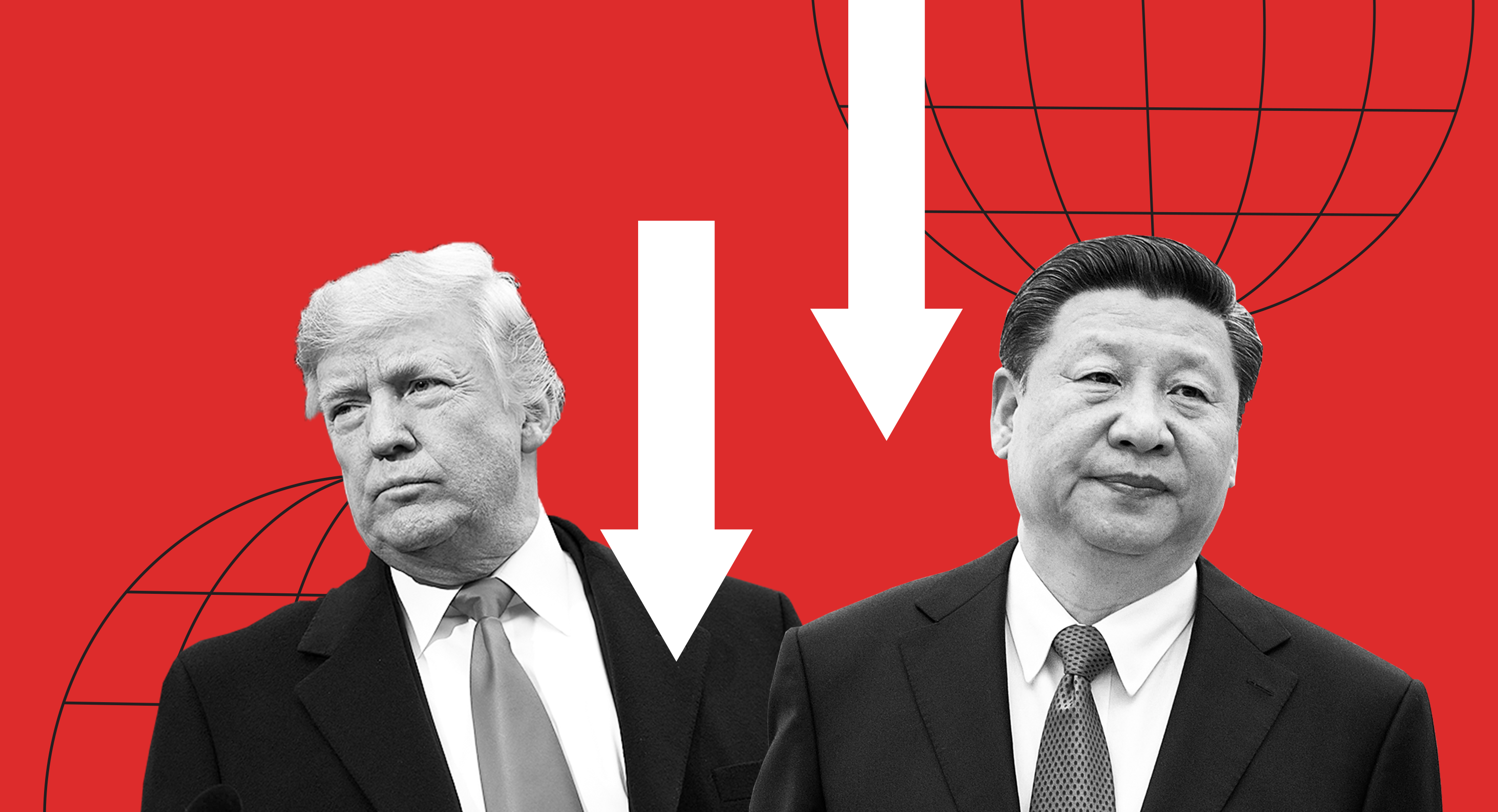
Beijing believes that Washington is overestimating its own leverage and its ability to handle the trade war’s impacts.


Rick Waters, Sheena Chestnut Greitens
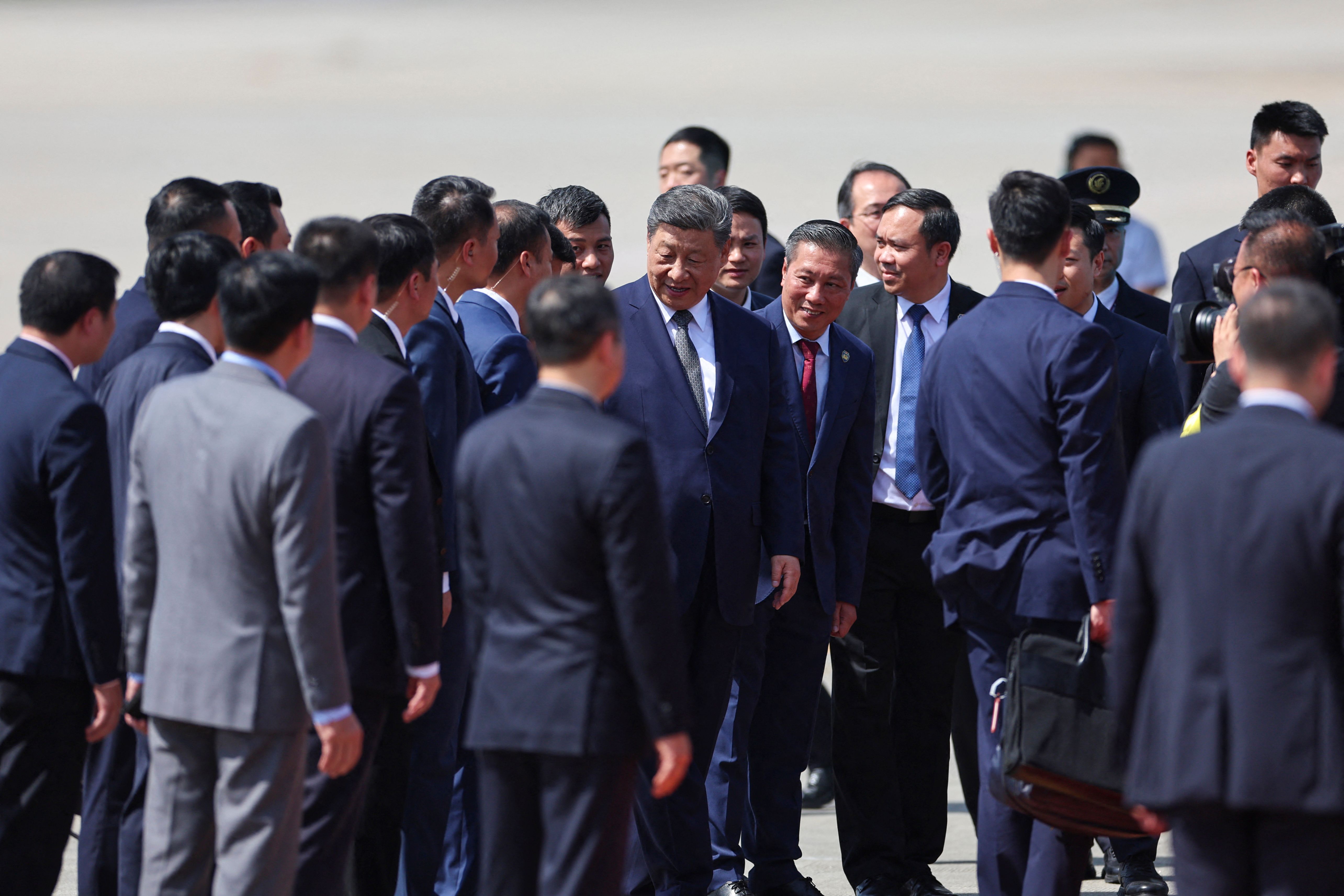
Tapping our network of China experts in the region, Carnegie China offers this latest “China Through a Southeast Asian Lens” report to offer preliminary assessments of whether the U.S. effort to reshape the global trading order will lead countries in the region to tilt toward Beijing.


Selina Ho, Khin Khin Kyaw Kyee, Joseph Ching Velasco, …
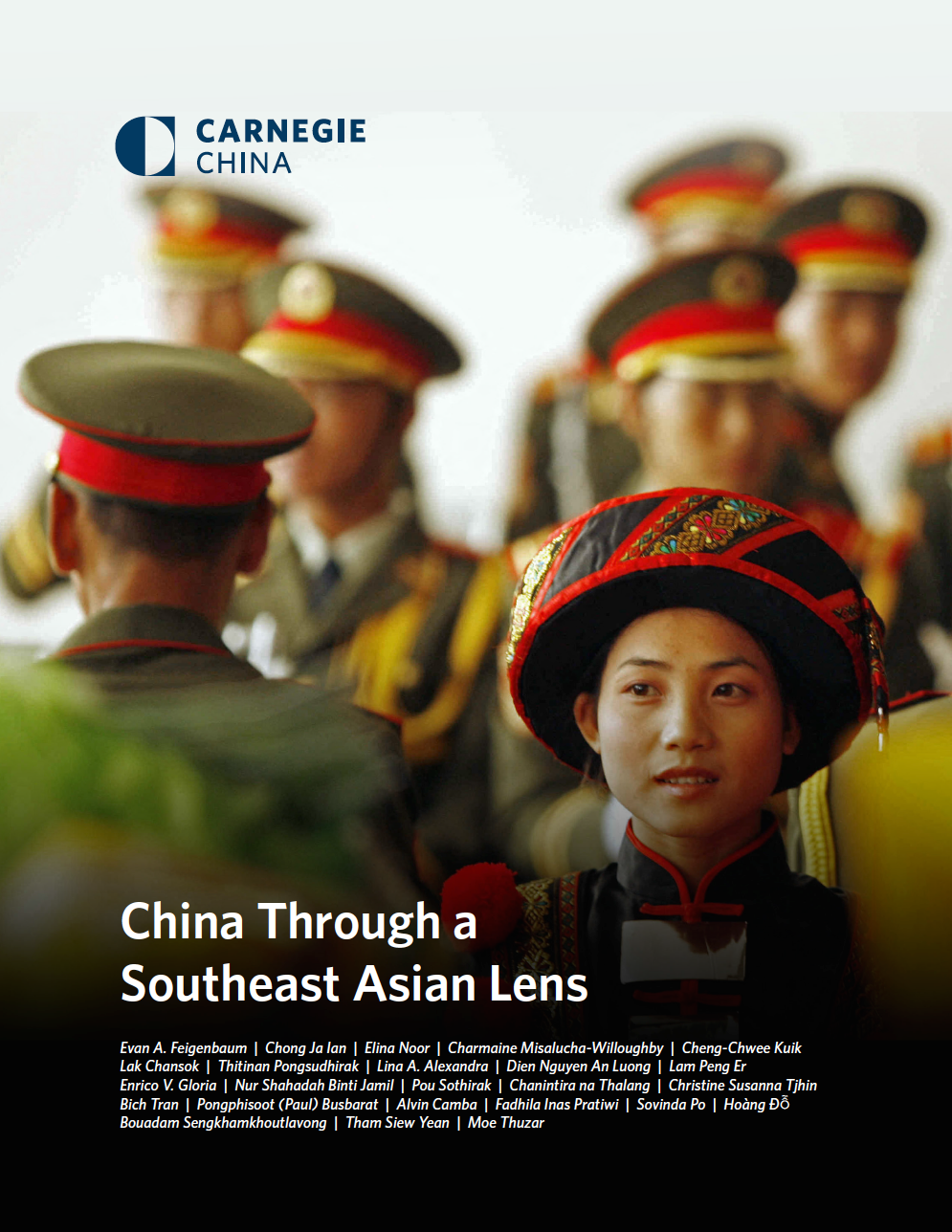
Because strategic, economic, and ideological perceptions of China contain multiple, sometimes contradictory facets in Southeast Asia, receptions of and responses to Beijing diverge across and within state lines.



Evan A. Feigenbaum, Chong Ja Ian, Elina Noor
Most Southeast Asian states behave as if the actions of their Northeast Asian neighbors and the Philippines will be sufficient to maintain a regional status quo from which they can benefit.
Chong Ja Ian