• Research
  • Strategic Europe
  • About
  • Experts
Carnegie Europe logoCarnegie lettermark logo
EUUkraine
  • Donate
{
  "authors": [],
  "type": "pressRelease",
  "centerAffiliationAll": "",
  "centers": [
    "Carnegie Endowment for International Peace"
  ],
  "collections": [],
  "englishNewsletterAll": "",
  "nonEnglishNewsletterAll": "",
  "primaryCenter": "Carnegie Endowment for International Peace",
  "programAffiliation": "",
  "programs": [
    "Nuclear Policy"
  ],
  "projects": [],
  "regions": [],
  "topics": []
}
REQUIRED IMAGE

REQUIRED IMAGE

Press Release

Enhancing Nuclear Security in the Counter-Terrorism Struggle

Link Copied
Published on Aug 5, 2002

Source: Carnegie

For Immediate Release: August 5, 2002
Contact: Karen Jacob, 202-939-2372, kjacob@ceip.org

Safeguarding Nuclear Assets from Terrorists
New Working Paper Offers Lessons and Recommendations

In a new working paper, "Enhancing Nuclear Security in the Counter-Terrorism Struggle: India and Pakistan as a New Region for Cooperation," Rose Gottemoeller and Rebecca Longsworth write that the last decade of nuclear security cooperation with the former Soviet Union provides lessons that can be applied in other regions. Drawing on these lessons, the paper explores what cooperative work might be done to enhance the security of nuclear assets, with particular attention to India and Pakistan. This just-published Carnegie working paper is available in full at www.ceip.org/pubs. To request a copy, email to pubs@ceip.org.

The paper first examines who could be involved in nuclear security cooperation in new regions - bilateral government partnerships, nongovernmental organizations, private sector entities or associations, laboratory exchanges, multilateral organizations - and considers questions of funding, competing priorities, diplomatic sensitivities, and division of labor. Next, the authors outline an overall approach to new cooperation initiatives - stressing the importance of common commitment among all partners, the need to "sell" the cooperation program at home and abroad, and ways to integrate nuclear security into broader cooperation strategies. The authors offer a list of "points of entry" for engaging India and Pakistan, as well as other countries and regions, in new cooperation programs. Finally, the paper discusses types of projects that might be undertaken and offers a list of guiding principles or goals.

This paper outlines a variety of ways to begin working with India and Pakistan to enhance nuclear security; more broadly, it offers a path to a new era of international cooperation to reduce the threat of nuclear terrorism. As Gottemoeller and Longsworth warn, however, "…the potential for nuclear security cooperation in the counter-terrorism struggle is serious and wide ranging. To accomplish this potential … will require U.S. leaders to exercise high-level attention, broad thinking, and willingness to take risks."

Rose Gottemoeller is a senior associate at the Carnegie Endowment for International Peace. She previously served as deputy undersecretary for defense nuclear nonproliferation in the U.S. Department of Energy. Rebecca Longsworth, formerly with Science Applications International Corporation, is president of Keen Management Solutions. The paper is based on a study funded by the MacArthur Foundation.

###

Carnegie does not take institutional positions on public policy issues; the views represented herein are those of the author(s) and do not necessarily reflect the views of Carnegie, its staff, or its trustees.

More Work from Carnegie Europe

  • Commentary
    Strategic Europe
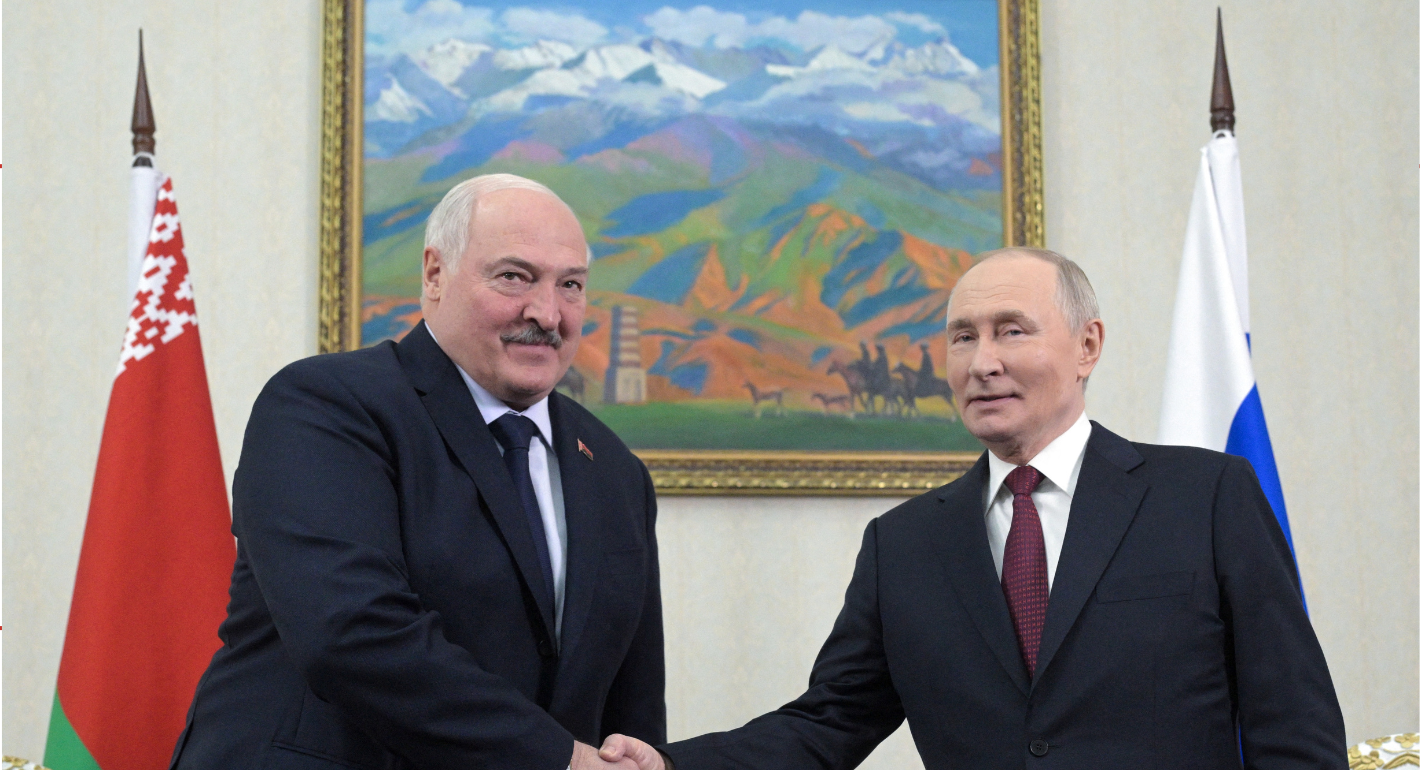
    Taking the Pulse: Is It Time for Europe to Reengage With Belarus?

    In return for a trade deal and the release of political prisoners, the United States has lifted sanctions on Belarus, breaking the previous Western policy consensus. Should Europeans follow suit, using their leverage to extract concessions from Lukashenko, or continue to isolate a key Kremlin ally?

      Thomas de Waal, ed.

  • Commentary
    Strategic Europe
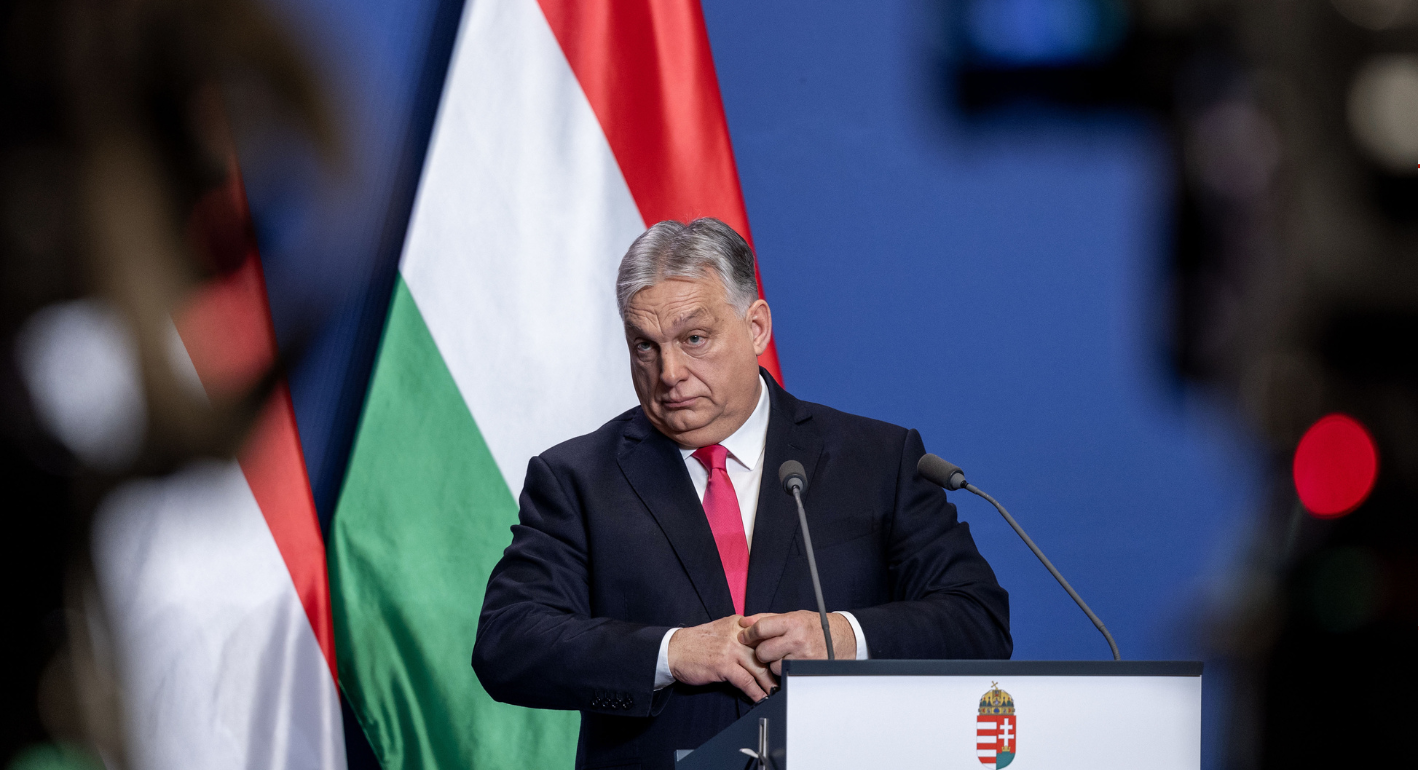
    New Tricks and AI Tools in Hungary’s High-Stakes Election

    Hungarian Prime Minister Viktor Orbán faces his most serious challenge yet in the April 2026 parliamentary elections. All of Europe should monitor the Fidesz campaign: It will use unprecedented methods of electoral manipulation to secure victory and maintain power.

      Zsuzsanna Szelényi

  • Commentary
    Strategic Europe
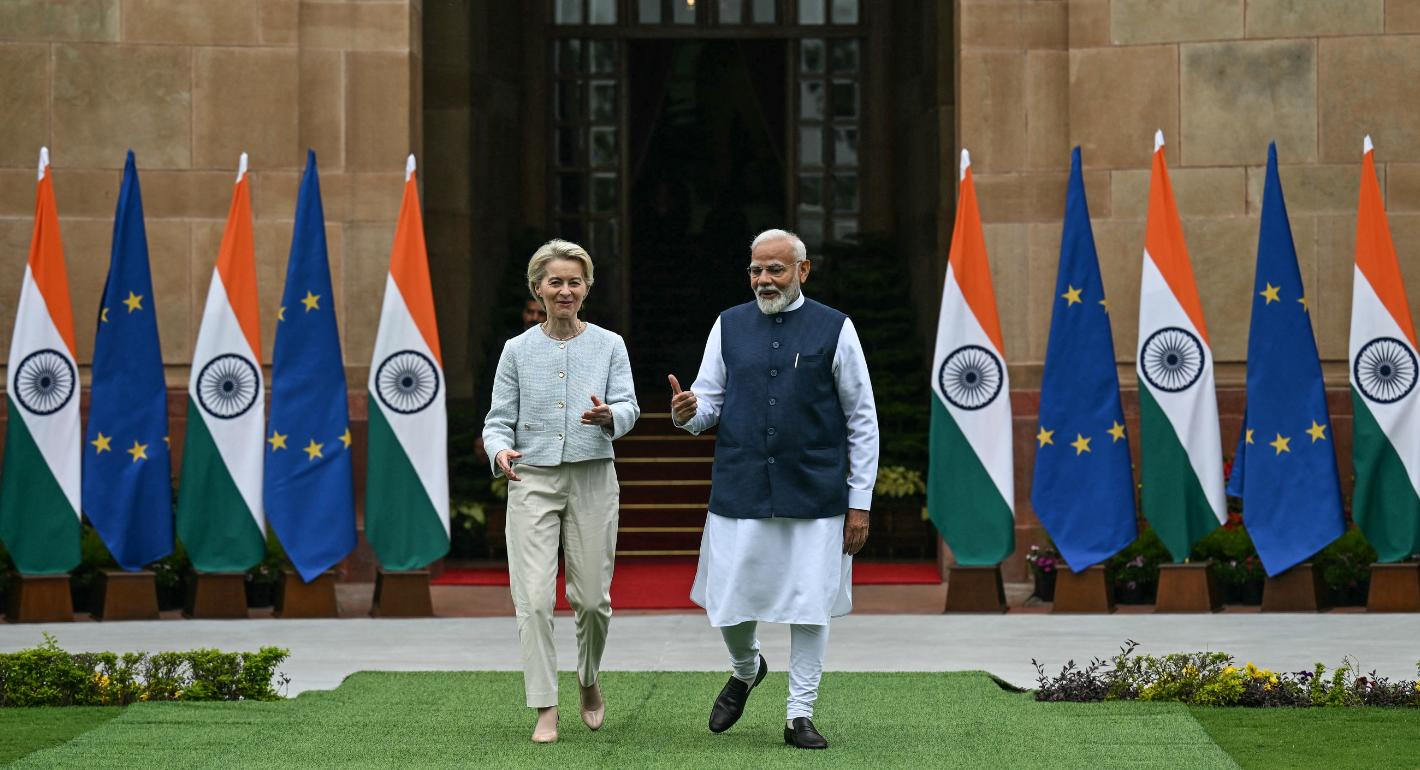
    The EU and India in Tandem

    As European leadership prepares for the sixteenth EU-India Summit, both sides must reckon with trade-offs in order to secure a mutually beneficial Free Trade Agreement.

      Dinakar Peri

  • Trump speaking to a room of reporters
    Commentary
    Emissary
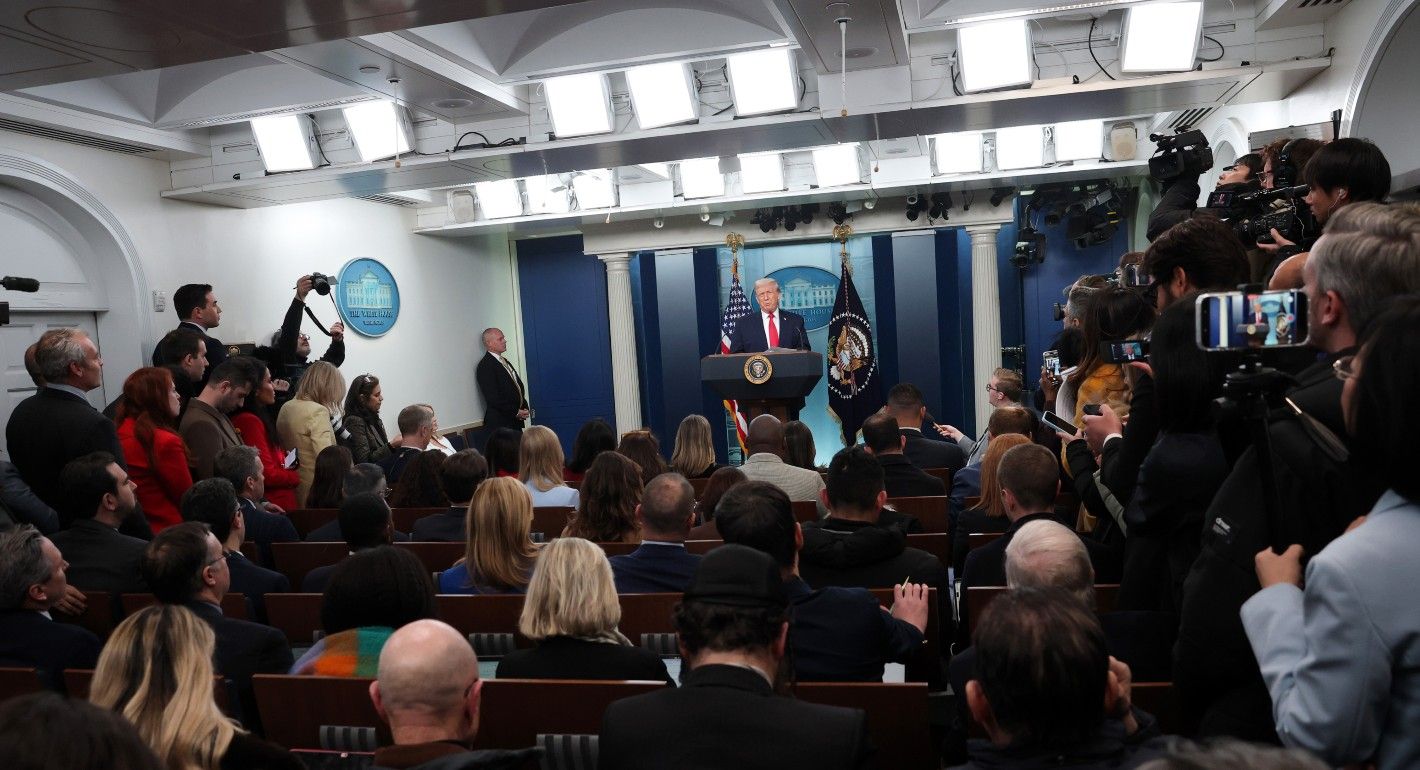
    Unpacking Trump’s National Security Strategy

    Carnegie scholars examine the crucial elements of a document that’s radically different than its predecessors.

      • Cecily Brewer
      • +18

      James M. Acton, Saskia Brechenmacher, Cecily Brewer, …

  • Commentary
    Strategic Europe
    Europe Faces the Gone-Rogue Doctrine

    The hyper-personalized new version of global sphere-of-influence politics that Donald Trump wants will fail, as it did for Russia. In the meantime, Europe must still deal with a disruptive former ally determined to break the rules.

      Thomas de Waal

Get more news and analysis from
Carnegie Europe
Carnegie Europe logo, white
Rue du Congrès, 151000 Brussels, Belgium
  • Research
  • Strategic Europe
  • About
  • Experts
  • Projects
  • Events
  • Contact
  • Careers
  • Privacy
  • For Media
  • Gender Equality Plan
Get more news and analysis from
Carnegie Europe
© 2026 Carnegie Endowment for International Peace. All rights reserved.