

Commentary
As European leadership prepares for the sixteenth EU-India Summit, both sides must reckon with trade-offs in order to secure a mutually beneficial Free Trade Agreement.
Dinakar Peri
{
  "authors": [],
  "type": "pressRelease",
  "centerAffiliationAll": "",
  "centers": [
    "Carnegie Endowment for International Peace"
  ],
  "collections": [],
  "englishNewsletterAll": "",
  "nonEnglishNewsletterAll": "",
  "primaryCenter": "Carnegie Endowment for International Peace",
  "programAffiliation": "",
  "programs": [
    "Asia"
  ],
  "projects": [],
  "regions": [],
  "topics": []
}
REQUIRED IMAGE
For Immediate Relase: August 7, 2003
Contact: Cara Santos Pianesi, 202-939-2211, csantos@ceip.org
Kimsey China Scholar Begins Term at Carnegie Endowment
Yayun Li's Research Focuses on Chinese Judicial Independence
The Carnegie Endowment for International Peace announces its newest visiting scholar from China's Central Party School in Beijing. Yayun Li, associate professor of law, joined the Endowment in the beginning of August. Her primary research focus is China's effort to improve judicial independence. As a three-month Kimsey Scholar, she is a participant in an Endowment effort to foster the exchange of ideas between Chinese and U.S. experts. The initiative, funded by the Kimsey Foundation, is designed to influence political reform in China and inform U.S. policymakers about Chinese political trends.
"Yayun's presence will increase our understanding of the Chinese judicial system and its attempts at reform. More generally, she will enhance the work of the Endowment's China Program and bring current, first-hand experience to Washington policy discussions," said Jessica Mathews, president of the Carnegie Endowment for International Peace.
Yayun Li is an associate professor of law at the Central Party School of the Communist Party of China and also serves as the director of the school's law department and women's studies center. In addition, Li is a part-time lawyer for the Beijing law firm Jing Yi; member of the Labor Law Committee of the Beijing Lawyer's Association; juror of the Intermediate People's Court of Bejing; and arbitrator of the Arbitration Committee of Labor Law. Li researches commercial, economic, labor and social security law and has published numerous articles. She received her Bachelor of Law degree from the Law College of Peking University and a postgraduate degree from the Central Party School.
###
Carnegie does not take institutional positions on public policy issues; the views represented herein are those of the author(s) and do not necessarily reflect the views of Carnegie, its staff, or its trustees.
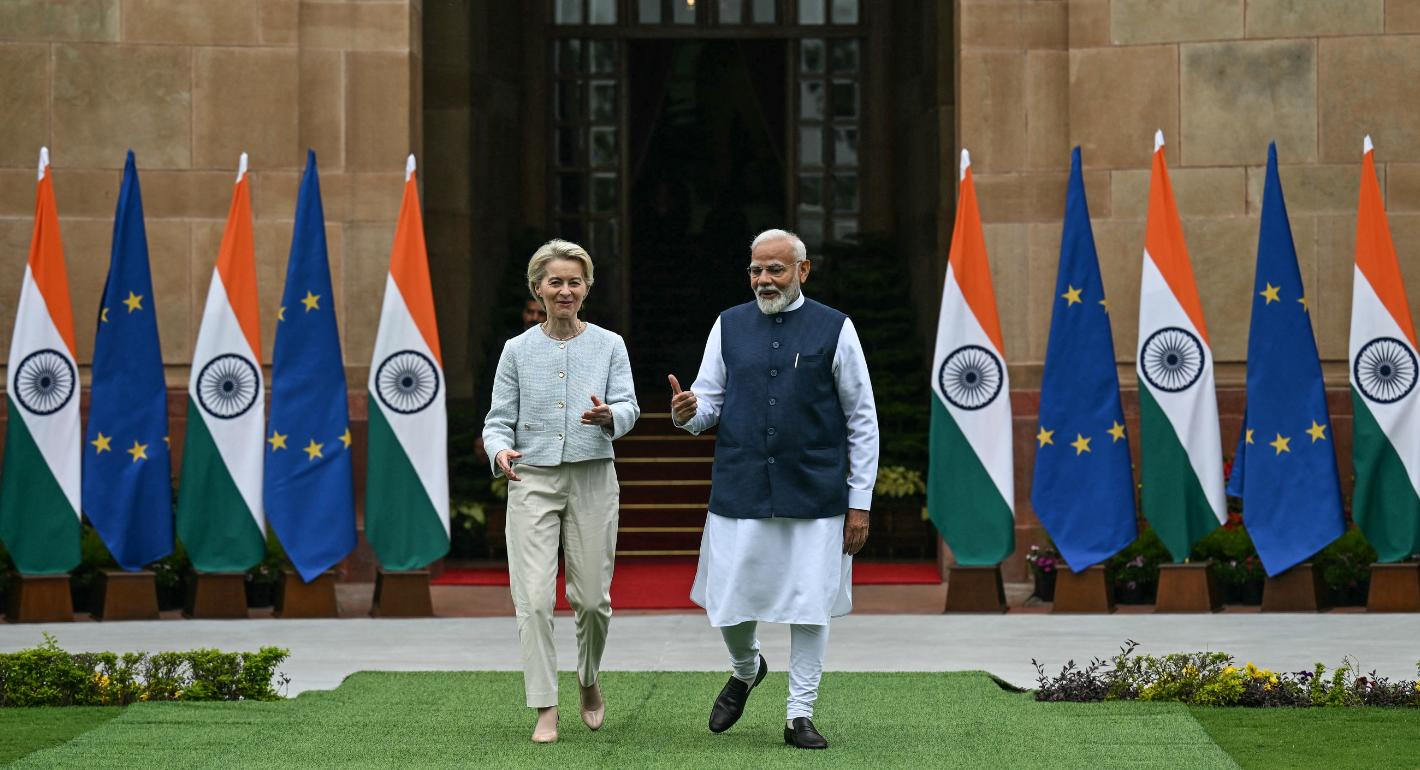
As European leadership prepares for the sixteenth EU-India Summit, both sides must reckon with trade-offs in order to secure a mutually beneficial Free Trade Agreement.

Dinakar Peri
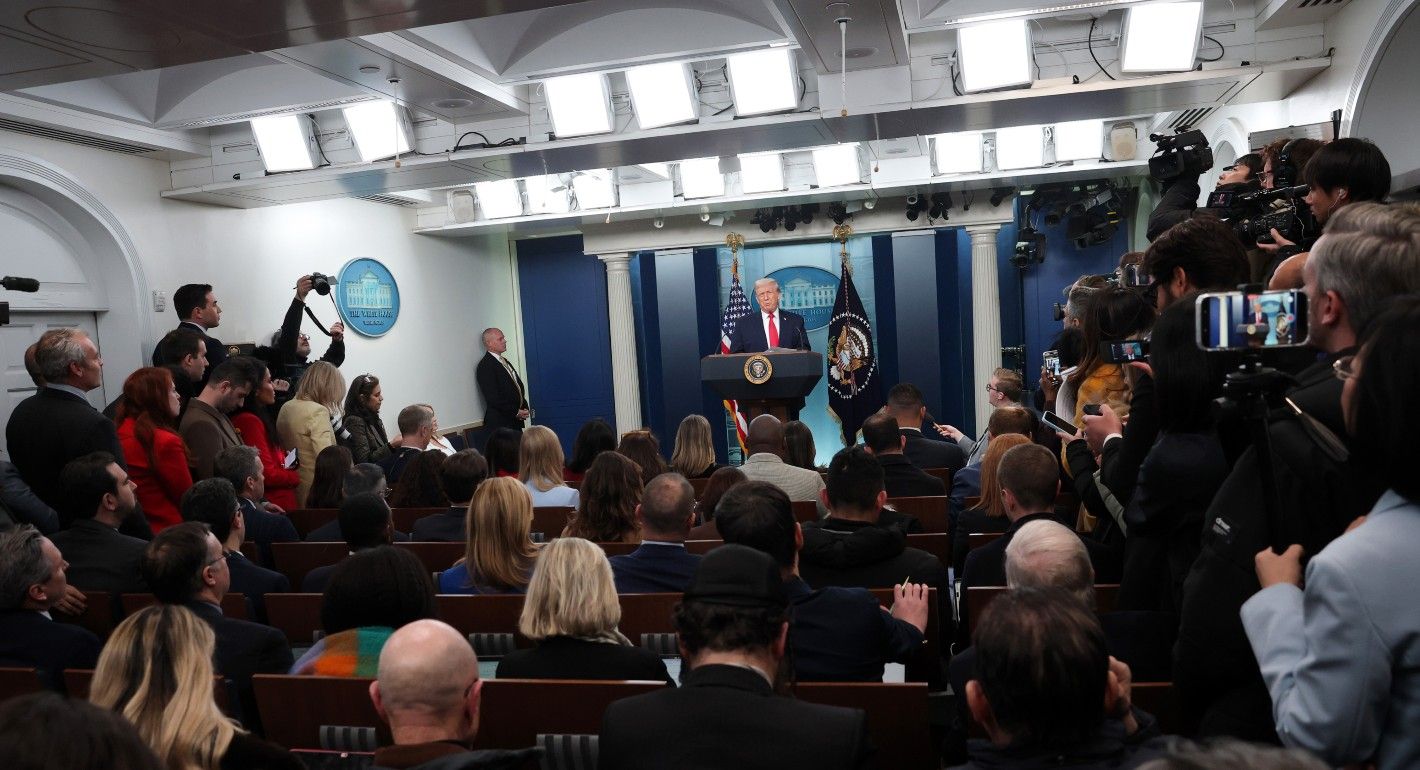
Carnegie scholars examine the crucial elements of a document that’s radically different than its predecessors.



James M. Acton, Saskia Brechenmacher, Cecily Brewer, …

The hyper-personalized new version of global sphere-of-influence politics that Donald Trump wants will fail, as it did for Russia. In the meantime, Europe must still deal with a disruptive former ally determined to break the rules.

Thomas de Waal
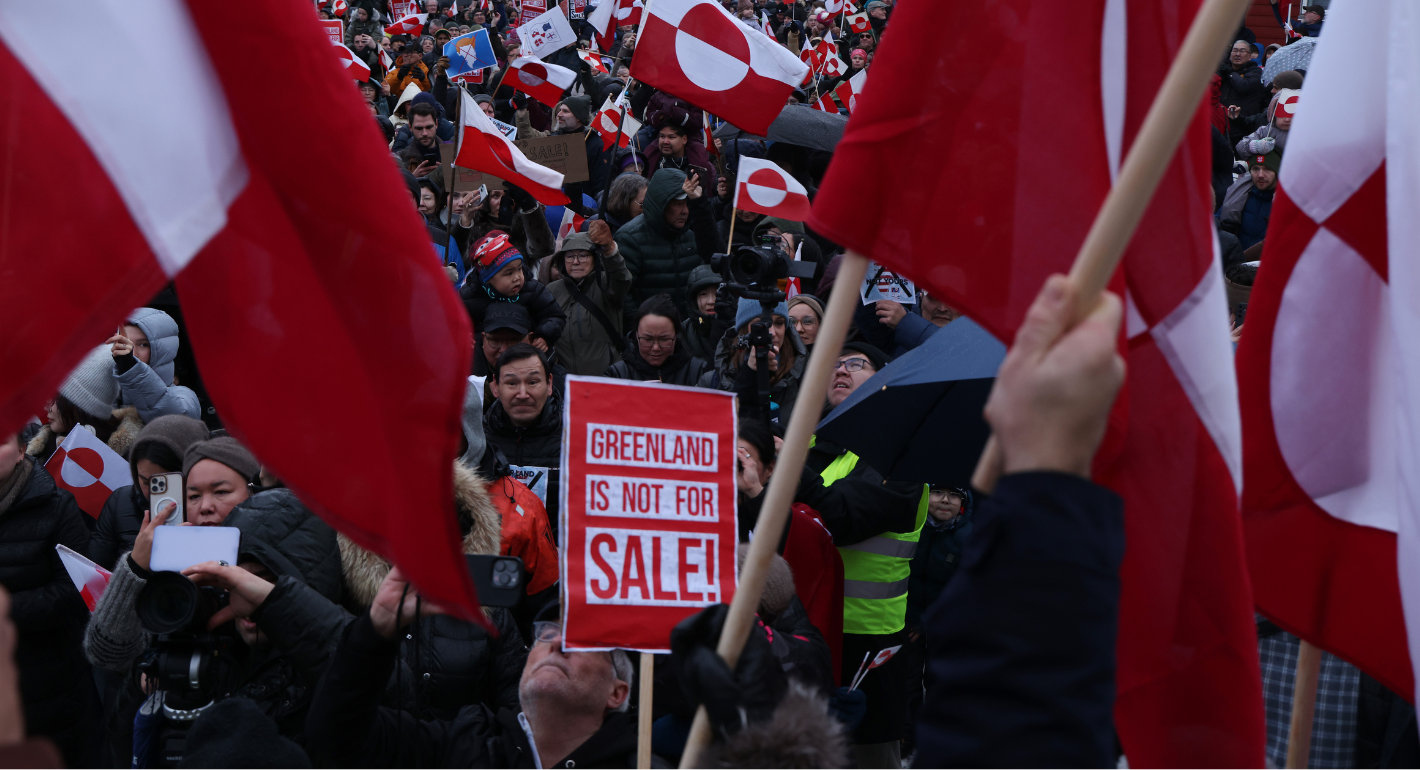
Between Greenland and U.S. interference in Europe’s democracies, transatlantic relations risk rising to an unprecedented level of crisis. Amid continued arguments on how Brussels should react, tough times lie ahead for European leaders.

Marc Pierini
2026 has started in crisis, as the actions of unpredictable leaders shape an increasingly volatile global environment. To shift from crisis response to strategic foresight, what under-the-radar issues should the EU prepare for in the coming year?
Thomas de Waal