• Research
  • Strategic Europe
  • About
  • Experts
Carnegie Europe logoCarnegie lettermark logo
EUUkraine
  • Donate
{
  "authors": [],
  "type": "pressRelease",
  "centerAffiliationAll": "",
  "centers": [
    "Carnegie Endowment for International Peace"
  ],
  "collections": [],
  "englishNewsletterAll": "",
  "nonEnglishNewsletterAll": "",
  "primaryCenter": "Carnegie Endowment for International Peace",
  "programAffiliation": "",
  "programs": [
    "Middle East"
  ],
  "projects": [],
  "regions": [
    "Middle East",
    "Israel",
    "Lebanon",
    "Palestine",
    "Syria",
    "Western Europe"
  ],
  "topics": []
}
REQUIRED IMAGE

REQUIRED IMAGE

Press Release

Middle East Peace Process Should be a Transatlantic Priority

Although Europe actively tries to manage Middle East crises, it undermines its economic, political, and security interests by assuming a secondary role to the United States and following its policy line.

Link Copied
Published on Mar 6, 2009

BEIRUT, Mar 5—Although Europe actively tries to manage Middle East crises, it undermines its economic, political, and security interests by assuming a secondary role to the United States and following its policy line. For the EU to be an effective player in the Middle East peace process, it must pursue greater political engagement on three tracks: the Palestinian territories, Syria, and Lebanon, concludes a new paper by the Carnegie Middle East Center.

Drawing on interviews with EU delegations and European embassies as well as a wealth of local actors in Lebanon, Syria, and the Palestinian territories, Muriel Asseburg assesses Europe’s on-the-ground efforts in conflict management and recommends a more effective European approach to the Arab–Israeli conflict.

Key Conclusions:

  • Israeli–Palestinian negotiations must be the EU’s main priority in the region. The EU should support Palestinian efforts to reach a new power-sharing agreement and send clear signals that it is ready to cooperate with a Palestinian consensus government backed by all factions, including Hamas.
  • Efforts should concentrate on re-opening Gaza’s border crossings to allow for humanitarian aid, reconstruction, and a sustained economic upturn.
  • The EU should move towards ratification of its Association Agreement with Syria and encourage Israeli–Syrian talks, but recognize that U.S. security guarantees are essential for moving the talks forward.
  • The EU should not push for direct negotiations on the Israeli–Lebanon track. Rather, it should work on Syrian–Lebanese relations and push for an early exchange of ambassadors between Damascus and Beirut, for border demarcation, and cooperation on border control.

Asseburg concludes:

“It is time for Europeans to rethink their policy approaches, refocus their activities, and seek a more effective coordination and division of labor with the new U.S. administration. Not only are intensified efforts needed to reinvigorate the Israeli–Palestinian negotiations, Europeans should also stand ready to help advance the other tracks of the peace process. In the end, for Europeans, it is not about claiming a role as a ‘player,’ but about assuming that role and engaging in politics.”

###


NOTES

  • Click here for a direct link to the PDF
  • Muriel Asseburg is the head of the Middle East and Africa Division of the German Institute for International and Security Affairs in Berlin (Stiftung Wissenschaft und Politik, SWP). Her current research focuses on the Middle East conflict, German and Middle East politics, the Euro–Mediterranean Partnership, and state building, political reform, and political Islam in the Middle East. She was a visiting scholar at the Carnegie Middle East Center in 2008.
  • The Carnegie Middle East Center based in Beirut, Lebanon, aims to better inform the process of political change in the Middle East.
  • The Carnegie Middle East Program provides analysis and recommendations in both English and Arabic that are deeply informed by knowledge and views from the region.
  • Carnegie's Arab Reform Bulletin has been transformed into a full-featured website that offers greatly enhanced search functionality, the option for readers to comment on articles, and frequent news updates.
  • Press Contact: Trent Perrotto, 202/939-2372, tperrotto@ceip.org
Middle EastIsraelLebanonPalestineSyriaWestern Europe

Carnegie does not take institutional positions on public policy issues; the views represented herein are those of the author(s) and do not necessarily reflect the views of Carnegie, its staff, or its trustees.

More Work from Carnegie Europe

  • Commentary
    Strategic Europe
    Unpacking Europe’s Deterrence Dilemmas

    The debate on the future of European deterrence has intensified, as NATO allies seek to balance three key aims. Going forward, they will need to cooperate more deeply to craft a coherent strategy for confronting new threats.

      Sophia Besch, Jamie Kwong
  • Paper
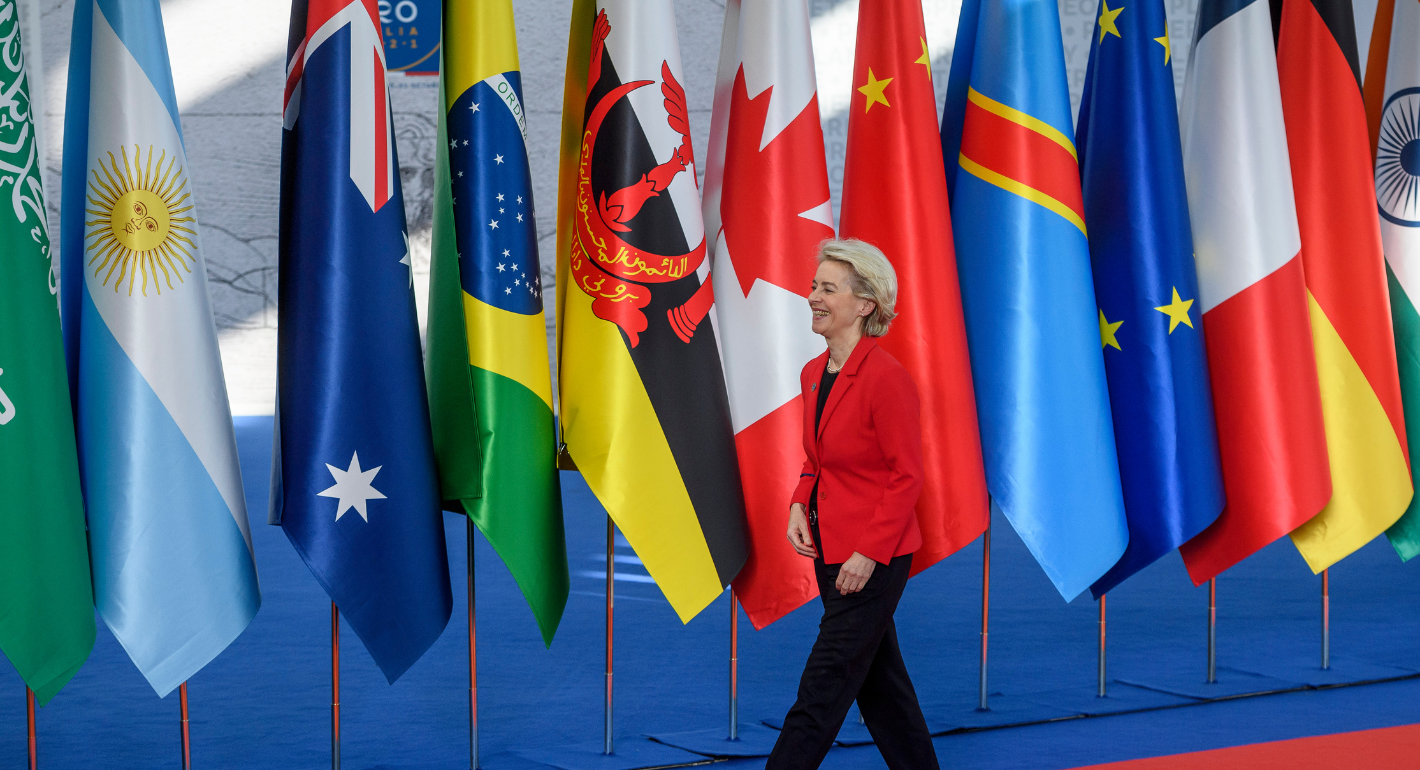
    How EU Foreign Policy Turned Regional

    The EU’s engagement with the rest of the world has become increasingly uneven. To chase the ambition of a global Europe, the second von der Leyen commission must leverage funds and diplomatic tools to play a more cohesive role in shaping international affairs.

      • Francesco Siccardi

      Francesco Siccardi

  • Commentary
    Strategic Europe
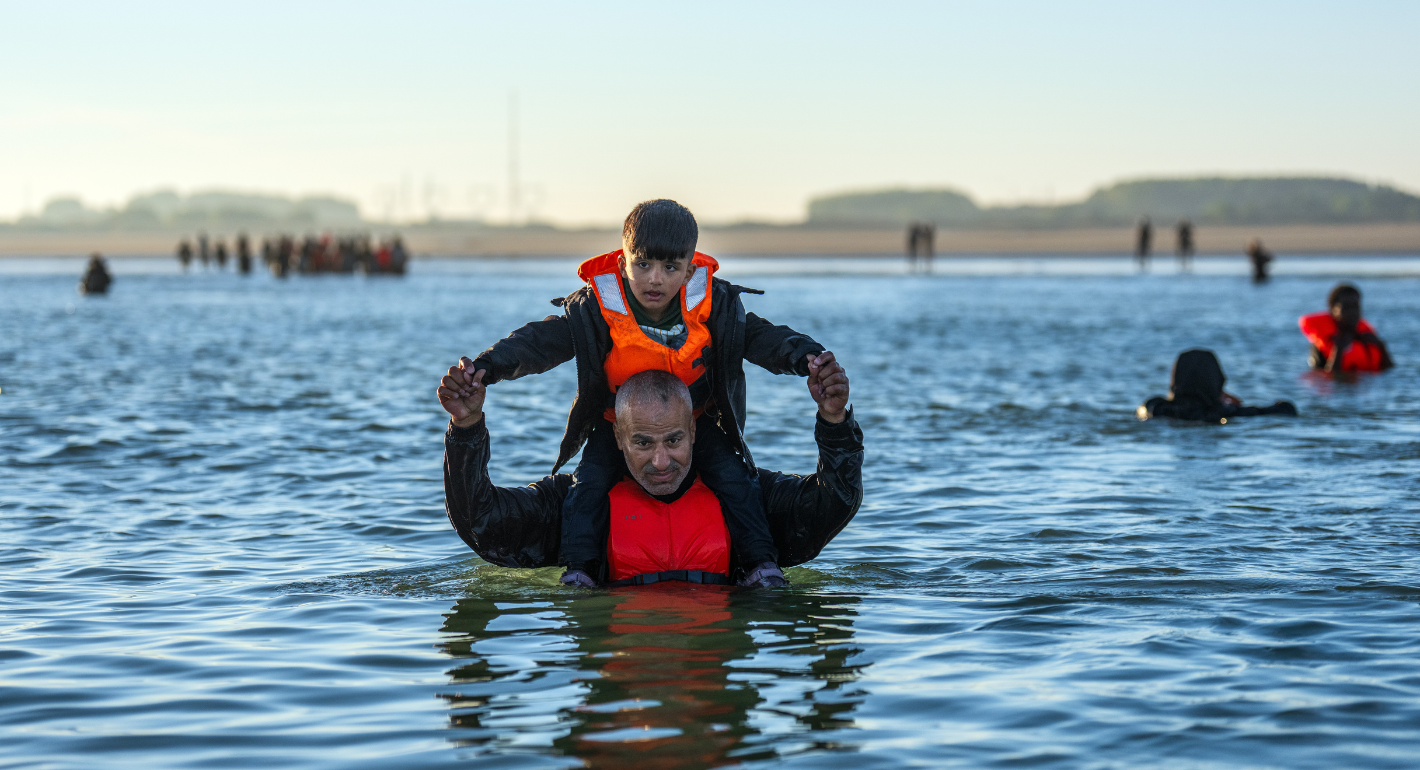
    Taking the Pulse: Are Europe’s New Asylum Policies a Betrayal of its Values?

    Hard-line approaches to asylum policy are increasingly common, with crackdowns proposed even by parties that traditionally hold liberal views on migration. Does this shift represent a break with Europe’s fundamental values?

      Thomas de Waal

  • Commentary
    Strategic Europe
    Taking the Pulse: Should the EU Seek a Seat on Trump’s Gaza Board of Peace?

    Despite holding significant leverage, the EU remains sidelined in ongoing diplomacy around the Gaza peace plan. How can the union overcome internal divisions to take a more active role?

      • Rym Momtaz

      Rym Momtaz

  • Commentary
    Perceptions of Europe Across the Generations: Rebuilding Trust in the Rule of Law

    As polarization increases across Western societies, the gap between Baby Boomers and Millennials could become a fault line. Rebuilding intergenerational trust is essential to restoring shared values in liberal democracies.

      Cyrine Drissi, Marc Pierini

Get more news and analysis from
Carnegie Europe
Carnegie Europe logo, white
Rue du Congrès, 151000 Brussels, Belgium
  • Research
  • Strategic Europe
  • About
  • Experts
  • Projects
  • Events
  • Contact
  • Careers
  • Privacy
  • For Media
Get more news and analysis from
Carnegie Europe
© 2026 Carnegie Endowment for International Peace. All rights reserved.