
COP30 takes place amidst increased pessimism about the world’s commitment to energy transition and ecological protection. Beset by a host of other challenges, can Europe still maintain its role as a driver of global climate action?
Thomas de Waal

{
"authors": [
"David Livingston",
"Peter Hughes"
],
"type": "other",
"centerAffiliationAll": "",
"centers": [
"Carnegie Endowment for International Peace"
],
"collections": [],
"englishNewsletterAll": "",
"nonEnglishNewsletterAll": "",
"primaryCenter": "Carnegie Endowment for International Peace",
"programAffiliation": "",
"programs": [
"Sustainability, Climate, and Geopolitics"
],
"projects": [],
"regions": [
"North America"
],
"topics": [
"Climate Change"
]
}What are the implications of the COP21 outcomes for corporate stakeholders?
Source: Institute for Corporate Responsibility and Sustainability
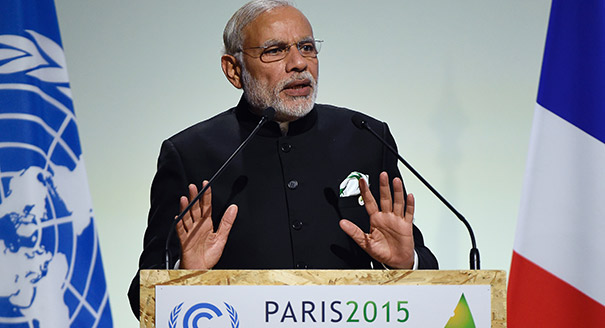
At the 2015 United Nations Climate Conference in Paris, world leaders, UN agencies, NGOs, and intergovernmental organisations gathered with the aim of achieving a legally binding and universal agreement on climate and a goal of keeping global warming below the threshold of 2°C.
This webinar will explore the outcomes of the Climate Conference, giving listeners:
This webinar was hosted by the Institute of Corporate Responsibility and Sustainability.
This webinar is behind a paywall, but please contact ICRS at stephanie.attal-juncqua@carnstone.com for free access.
Carnegie does not take institutional positions on public policy issues; the views represented herein are those of the author(s) and do not necessarily reflect the views of Carnegie, its staff, or its trustees.
COP30 takes place amidst increased pessimism about the world’s commitment to energy transition and ecological protection. Beset by a host of other challenges, can Europe still maintain its role as a driver of global climate action?
Thomas de Waal
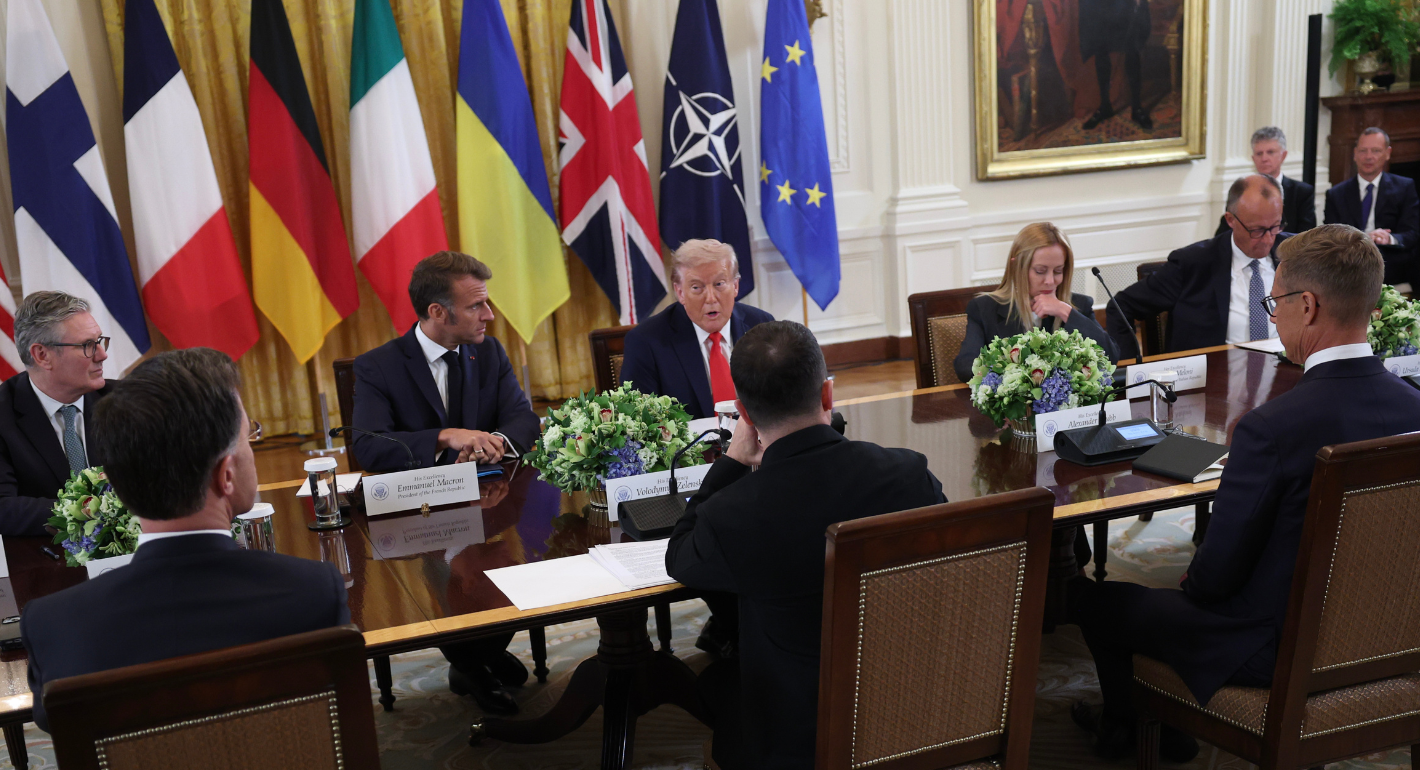
The second Trump administration has shifted the cornerstones of the liberal international order. How the EU responds will determine not only its global standing but also the very integrity of the European project.
Rym Momtaz
Greenlash is driven by an increasingly diverse set of actors. It is also prompting groups in favor of ambitious climate action to seek more effective strategies.
Erin Jones, Richard Youngs
The EU’s ambition to slash carbon emissions by 90 percent by 2040 is challenged by internal divisions and global turmoil. But this target must cement a new era of European climate action, linked to innovation, competitiveness, and security.
Emil Sondaj Hansen
As the effects of climate change intensify, interest in geoengineering approaches is ramping up. But these methods risk creating new ecological and security threats, undermining urgent systemic transitions.
Olivia Lazard, Mandi Bissett, James Dyke