

Commentary
As European leadership prepares for the sixteenth EU-India Summit, both sides must reckon with trade-offs in order to secure a mutually beneficial Free Trade Agreement.
Dinakar Peri
{
  "authors": [
    "Yezid Sayigh"
  ],
  "type": "legacyinthemedia",
  "centerAffiliationAll": "",
  "centers": [
    "Carnegie Endowment for International Peace",
    "Malcolm H. Kerr Carnegie Middle East Center",
    "Carnegie Russia Eurasia Center"
  ],
  "collections": [],
  "englishNewsletterAll": "",
  "nonEnglishNewsletterAll": "",
  "primaryCenter": "Malcolm H. Kerr Carnegie Middle East Center",
  "programAffiliation": "",
  "programs": [
    "Middle East"
  ],
  "projects": [],
  "regions": [
    "Levant",
    "Iran",
    "Lebanon",
    "Syria",
    "Middle East"
  ],
  "topics": [
    "Political Reform",
    "Economy"
  ]
}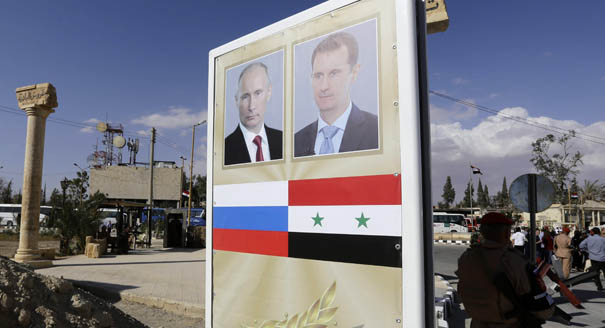
Russia, Iran and Hezbullah must seek a genuine accommodation with the Syrian opposition and a meaningful political transition, otherwise they will have to maintain and police a sullen, nonviable post-war peace.
Source: Al-Hayat
Russia, Iran, and Hezbullah appear increasingly confident that the U.S. is coming round to treating the regime of Syrian President Bashar al-Assad as a partner in the war against the Islamic State. More importantly, they hope to extract U.S. acceptance that Assad will not be required to relinquish the presidency as a prior condition of a political solution to the conflict, whether during or at the end of a transitional period. They believe that once the U.S. has given in, a “domino effect” will ensue as the opposition’s regional backers follow suit.
But victory may prove pyrrhic. Russia, Iran, and Hezbullah are pursuing a short-term outcome that enables them to pull out of Syria and cut their costs. But Assad will be left heading a hollowed-out state, devastated economy, and largely resentful population. His exhausted and morally bankrupt regime will possess few means to rebuild its former system of control and coercion, or even to meet the needs and expectations of its own loyalist social constituencies. A coercive outcome of the sort Russia, Iran, and Hezbullah envisage will result in a perpetually weak and unstable regime that they will have to prop up indefinitely. To avoid such an outcome, they must modify their approach to a political solution to the conflict, and seek meaningful power-sharing and a genuine transition in Syria.
In the short term, Russia, Iran, and Hezbullah have good reason to feel confident. Thanks to their help, regime forces have come close to encircling the northern city of Aleppo, consolidated their position in the south of the country, and most recently made significant advances into the besieged enclave of eastern Ghoutah near the capital Damascus. Meanwhile, the Kurdish-led Syrian Democratic Forces and Islamic State have separately pushed the armed opposition out of most of its enclave in the northern Aleppo countryside.The Syrian opposition is being boxed in politically as well as militarily. Despite the paralysis of the Vienna talks and continued regime and Russian air strikes on civilian areas, the U.S. has threatened to withdraw support should the opposition pull out of the peace process. It has also notified the armed groups that they must abide by the ragged cessation of hostilities or lose protection from Russian air strikes, and continues to constrain their regional backers from providing greater military assistance.
Some in the opposition anticipate this may stance change as U.S. attention turns to the coming presidential elections after August. And Turkey may undertake limited ground action to end ISIS rocket attacks across the Syrian border. But even if such shifts take place, they will not transform things for the opposition. Indeed, its political and military predicament will become dire should Jabhat al-Nusra declare an emirate in northwest Syria, as reports suggest it may, and if Islamist groups affiliated to the armed opposition defect to it.
Scenting an opportunity, Assad has repeatedly promised “final victory” since early 2016. His regime still has far to go, but even if he is able to impose his definition of victory, he will have a very hard time governing a post-conflict Syria. None of the instruments and policies through which he varyingly intimidated and co-opted Syrian society will be as available to his regime or as effective. The security services, backed by pro-regime militias and the army will no doubt play a central role, but even the most coercive regimes need to generate willing cooperation or at least to reduce the costs of ensuring compliance.
But while the “stick” is insufficient, the Assad regime will not be able to revive past practice of offering its population a “carrot” by subsidizing basic services and commodities. Syria has suffered massive destruction of housing and infrastructure, but without real “buy-in” by local society and the international community, the regime will not be able to reverse the extensive loss of economic opportunity and principal export markets nor overcome continued denial of access to Western, Turkish, and Gulf aid and trade. Most importantly, it will be unable to compensate for the debilitating flight of Syrian human and financial capital, let alone tempt it home, and will remain permanently unable to generate sufficient domestic revenue to cover its routine expenditure, let alone rebuild or make necessary new investments.
The Assad regime will moreover face an unfamiliar challenge of reintegrating—or subduing—the very many local actors—paramilitary and economic—whose proliferation it encouraged in order to survive in wartime. Their continued presence and vested interests may derail any post-war policies Assad may wish to pursue for economic reconstruction, reassertion of state authority, and political stabilization. This is not to suggest that he would pursue these goals sincerely or equitably, nor that he could attain them if he tried. After all, delivering any of these goals would require far greater administrative competence, integrity, and autonomy in state institutions than his regime ever allowed.
Even in the best of circumstances, a negotiated transition in Syria will be complicated and fragile. But for an unreformed and unrepentant Assad regime, achieving even a minimal balance between contending needs and demands will be impossible, to say nothing of achieving national reconciliation. Western and regional sanctions against the regime are unlikely to be lifted without meaningful power-sharing and credible assurances for the safety of the civilian population and opposition activists. Russia, Iran, and Hezbullah will find that helping the regime to win the military war is far easier—and cheaper—than keeping peace on Assad’s terms. His Syria will not be stable: it will need constant buttressing economically, and its politics will be more, rather than less, complex.
In the past few weeks Russia has exploited its advantage to focus discussion at the Vienna talks narrowly on its proposal for a draft constitution that leaves most key powers in Assad’s hands. Conversely, it has done nothing to ensure that the Assad regime reduces levels of violence in the country, allows full access for humanitarian aid to besieged communities, and releases political prisoners as it is supposed to do. A more farsighted and rational approach would be for Russia—and no less for Iran and Hezbullah—to seek a genuine accommodation with the Syrian opposition and a meaningful political transition. Otherwise they will have to maintain and police a sullen, nonviable post-war peace.
This article was originally published in Arabic in Al-Hayat.
Carnegie does not take institutional positions on public policy issues; the views represented herein are those of the author(s) and do not necessarily reflect the views of Carnegie, its staff, or its trustees.
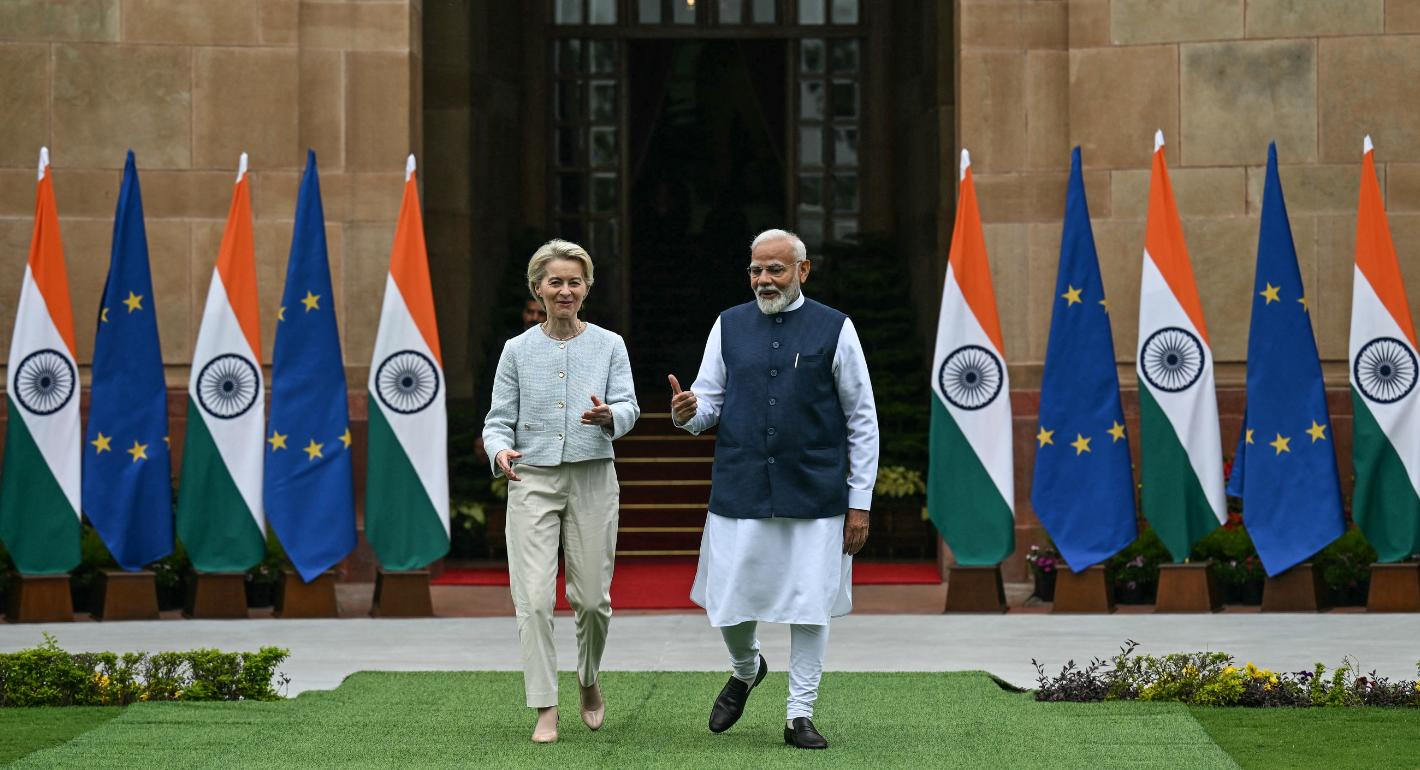
As European leadership prepares for the sixteenth EU-India Summit, both sides must reckon with trade-offs in order to secure a mutually beneficial Free Trade Agreement.

Dinakar Peri
Beset by an increasingly hostile United States, internal divisions, and the threat of Russian aggression, the EU finds itself in a make-or-break moment. U.S. President Donald Trump calls it a decaying group of nations headed by weak leaders. Is Europe able to prove him wrong?
Thomas de Waal
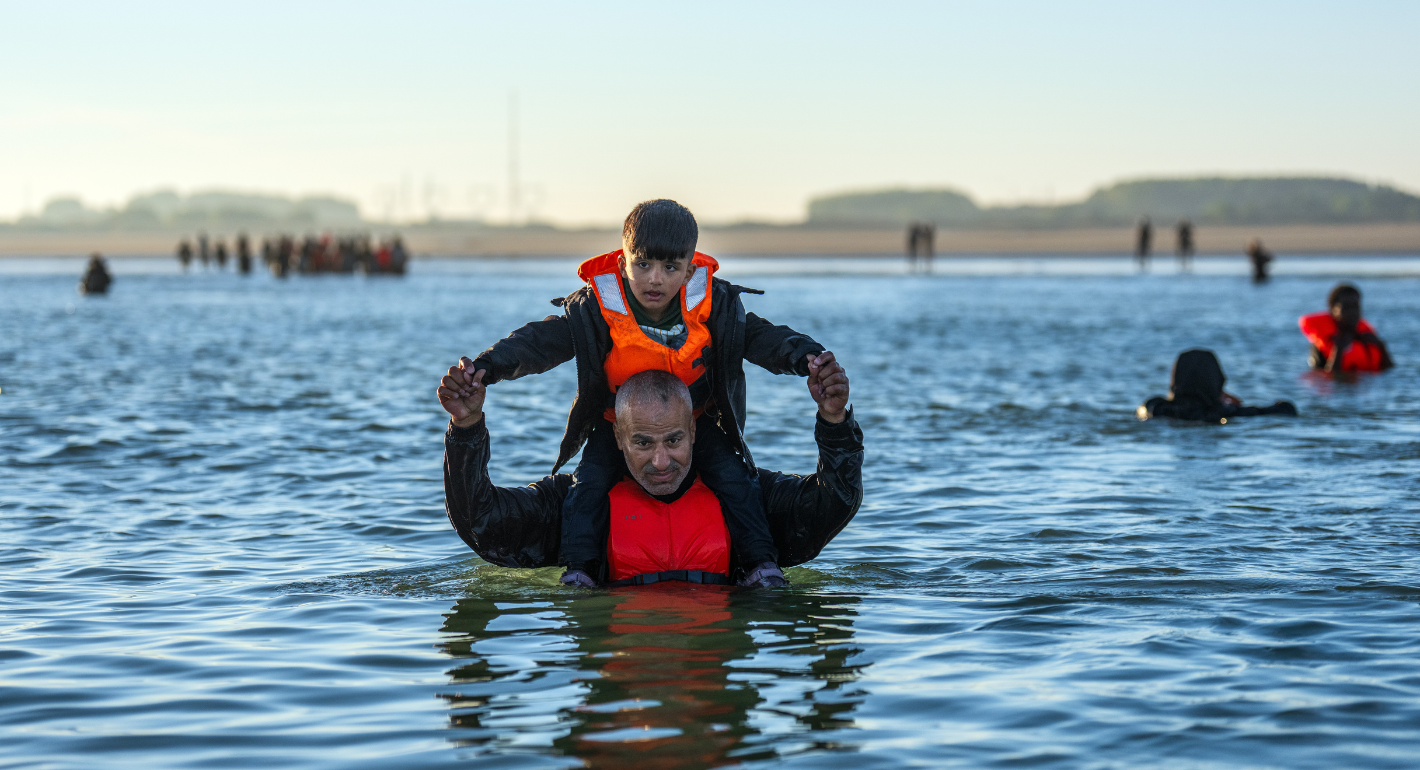
Hard-line approaches to asylum policy are increasingly common, with crackdowns proposed even by parties that traditionally hold liberal views on migration. Does this shift represent a break with Europe’s fundamental values?
Thomas de Waal
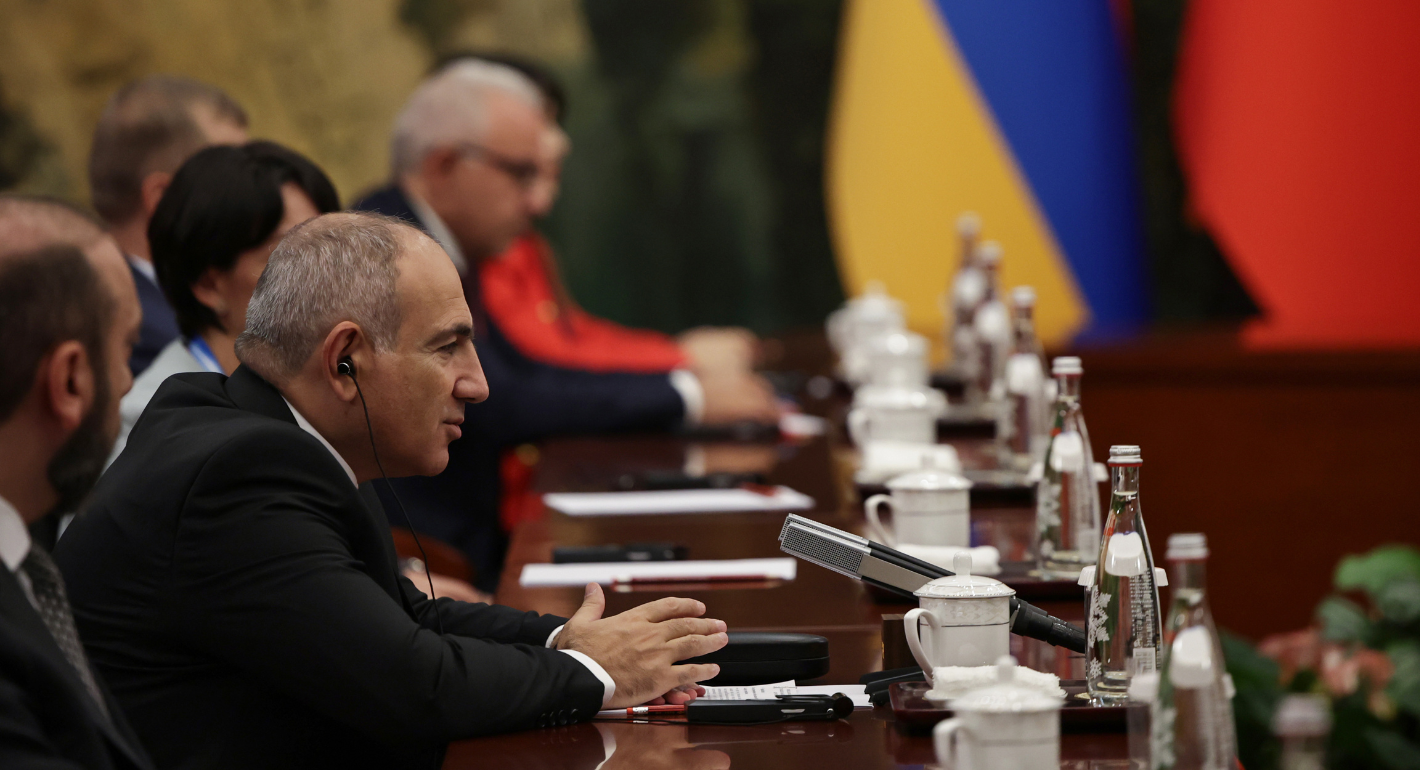
As the 2026 Armenian election approaches, Prime Minister Nikol Pashinyan is facing fierce opposition from both Russia and the diaspora. He will need the help of Europe, the United States, and regional neighbours to advance his ambitious foreign policy.
Thomas de Waal
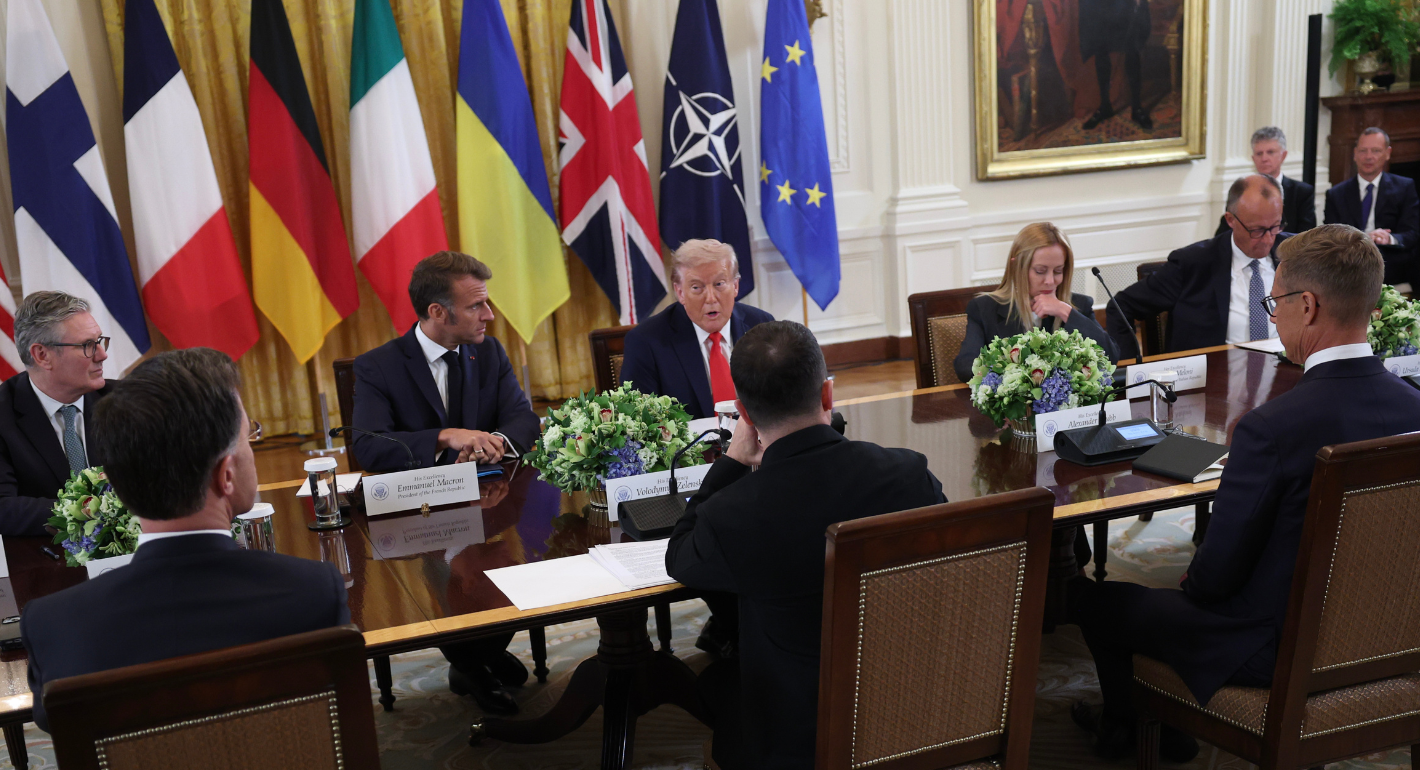
The second Trump administration has shifted the cornerstones of the liberal international order. How the EU responds will determine not only its global standing but also the very integrity of the European project.
Rym Momtaz