

Commentary
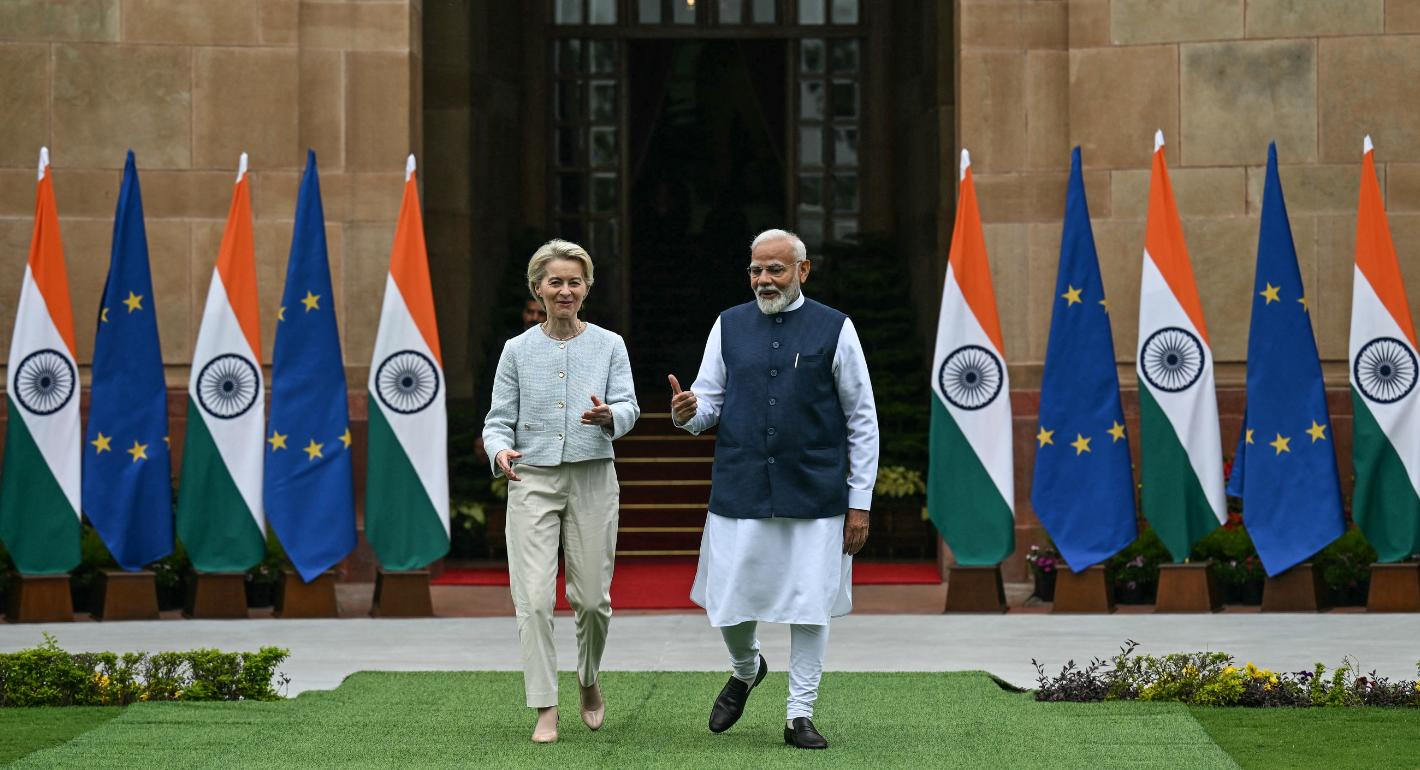
As European leadership prepares for the sixteenth EU-India Summit, both sides must reckon with trade-offs in order to secure a mutually beneficial Free Trade Agreement.
Dinakar Peri
{
  "authors": [
    "Yukon Huang"
  ],
  "type": "legacyinthemedia",
  "centerAffiliationAll": "",
  "centers": [
    "Carnegie Endowment for International Peace"
  ],
  "collections": [],
  "englishNewsletterAll": "",
  "nonEnglishNewsletterAll": "",
  "primaryCenter": "Carnegie Endowment for International Peace",
  "programAffiliation": "",
  "programs": [
    "Asia"
  ],
  "projects": [],
  "regions": [
    "East Asia",
    "China"
  ],
  "topics": [
    "Economy"
  ]
}
Data suggests that the Chinese economy has stabilized in spite of a global economic slowdown, with increased investment and rising property values signalling a stable, though slower, growth.
Source: CCTV America
Speaking on a three-person panel discussion with CCTV America, Carnegie’s Yukon Huang discussed how China can move forward as its economy shows signs of stabilizing. The panel of experts agreed that recent data supports the view that China is rebounding despite facing global economic slowdown, with key indicators such as growing public investment and a small housing boom pointing to stabilization. In addressing how China can sustain stable growth amidst the global slowdown, Huang pointed to the importance of the Chinese government fostering domestic demand. Huang noted that the government is already involved in areas such as a new urbanization initiative, which will foster growth in housing and social service sectors, guiding the country’s economy to become more domestic and service-oriented. Additionally, Huang argued that China could benefit from a more open, liberal investment environment that provides domestic alternatives for investors, which could continue to help stabilize growth.
As European leadership prepares for the sixteenth EU-India Summit, both sides must reckon with trade-offs in order to secure a mutually beneficial Free Trade Agreement.

Dinakar Peri
2026 has started in crisis, as the actions of unpredictable leaders shape an increasingly volatile global environment. To shift from crisis response to strategic foresight, what under-the-radar issues should the EU prepare for in the coming year?

Thomas de Waal
Beset by an increasingly hostile United States, internal divisions, and the threat of Russian aggression, the EU finds itself in a make-or-break moment. U.S. President Donald Trump calls it a decaying group of nations headed by weak leaders. Is Europe able to prove him wrong?
Thomas de Waal

Hard-line approaches to asylum policy are increasingly common, with crackdowns proposed even by parties that traditionally hold liberal views on migration. Does this shift represent a break with Europe’s fundamental values?
Thomas de Waal
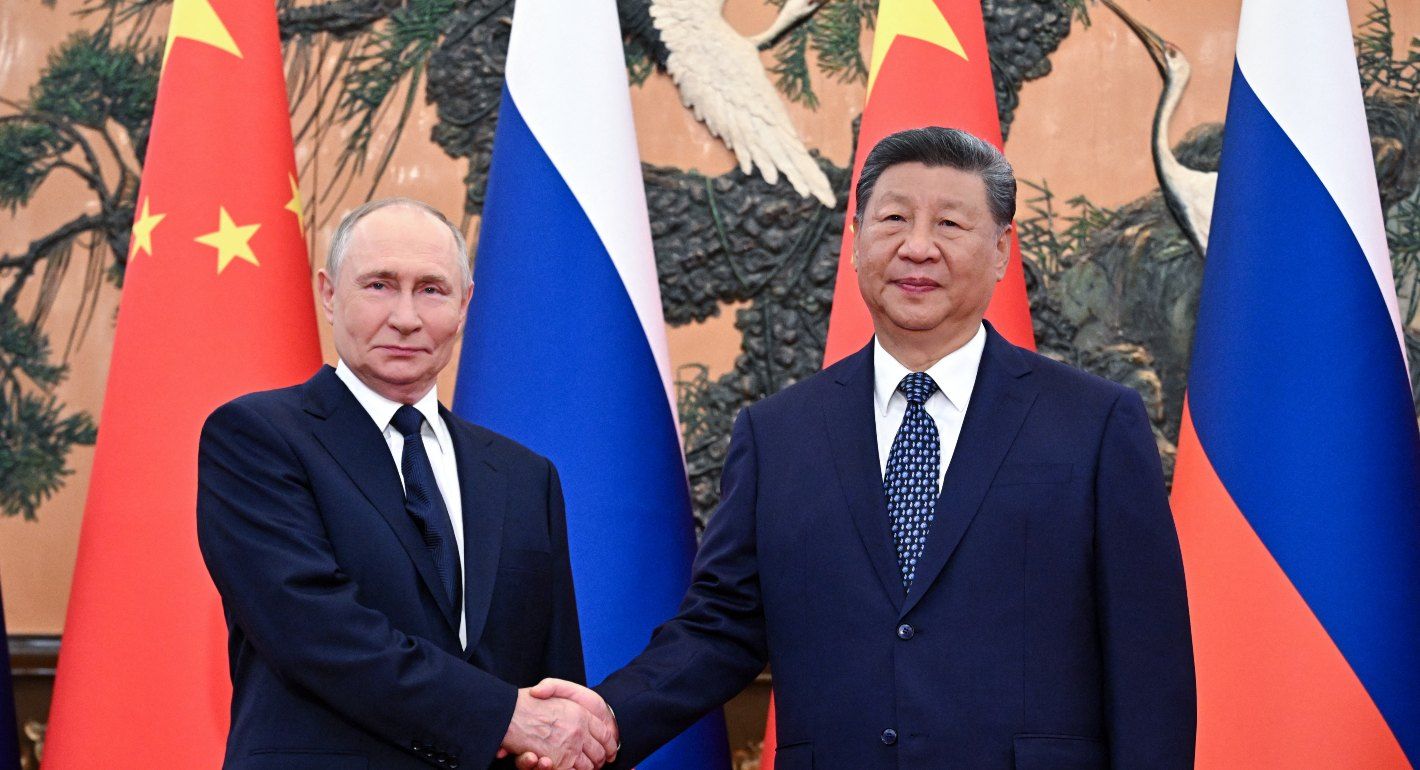
China plays an increasingly active role in the Kremlin’s hybrid war against Europe. The EU must confront this growing China-Russia cooperation, as it poses grave threats to both European security and economic resilience.

Maksym Beznosiuk