

Commentary
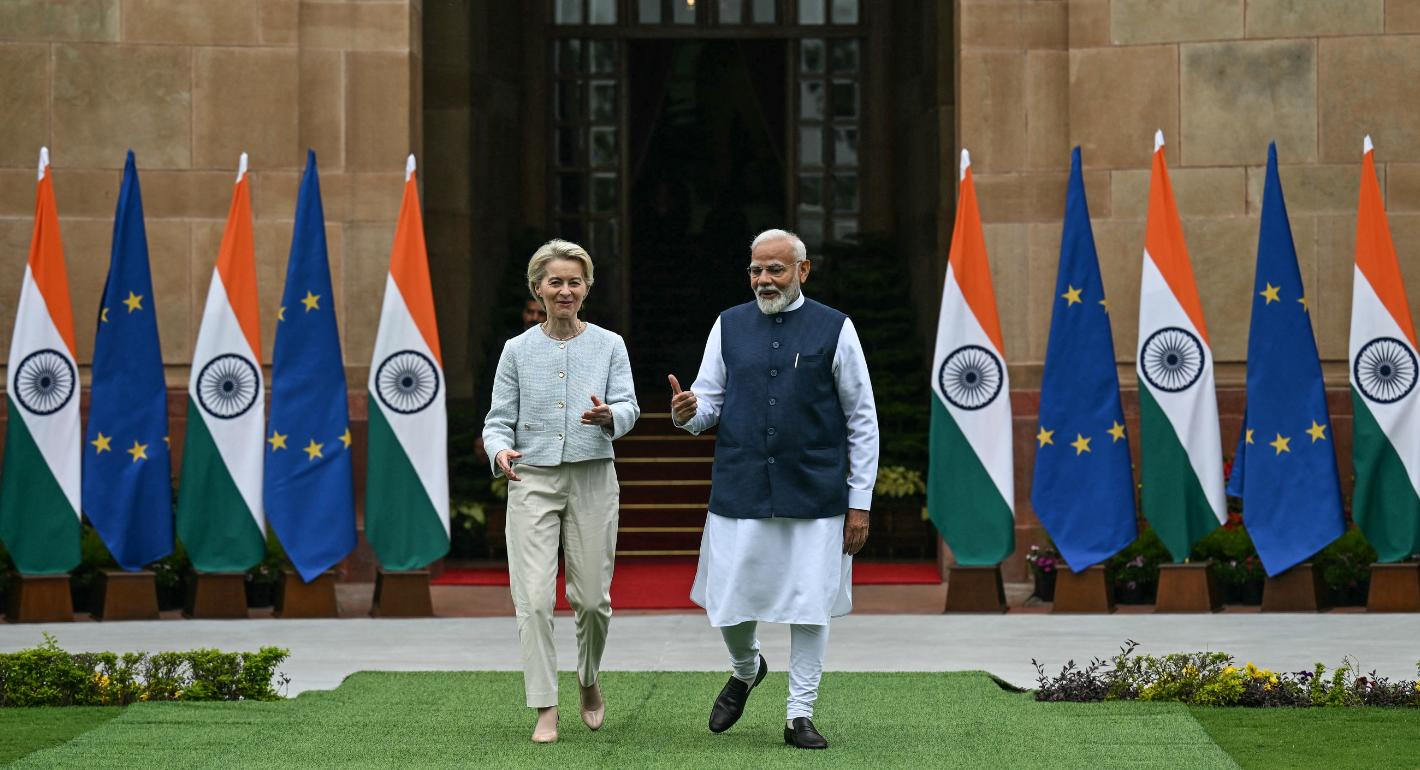
As European leadership prepares for the sixteenth EU-India Summit, both sides must reckon with trade-offs in order to secure a mutually beneficial Free Trade Agreement.
Dinakar Peri
{
  "authors": [
    "Rafael Sattarov"
  ],
  "type": "commentary",
  "centerAffiliationAll": "",
  "centers": [
    "Carnegie Endowment for International Peace",
    "Carnegie Russia Eurasia Center"
  ],
  "collections": [],
  "englishNewsletterAll": "",
  "nonEnglishNewsletterAll": "",
  "primaryCenter": "Carnegie Russia Eurasia Center",
  "programAffiliation": "",
  "programs": [],
  "projects": [
    "Eurasia in Transition"
  ],
  "regions": [],
  "topics": [
    "Economy"
  ]
}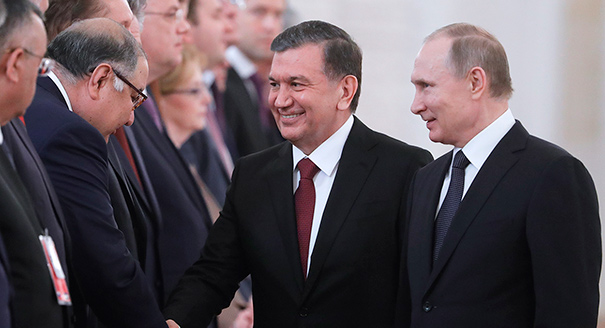
President Shavkat Mirziyoyev is growing closer to Uzbekistan-born Russian oligarch Alisher Usmanov, who could help the president solidify his power as he continues to struggle against the Uzbek National Security Service (SNB) and its chief, Rustam Inoyatov. However, any belief that oligarchs will help modernize Uzbekistan is naïve. They will simply assume the power once wielded by the SNB.
Rumors of President Mirziyoyev’s warming relationship with Russian billionaire Alisher Usmanov surfaced immediately following former president Islam Karimov’s death in 2016. Although the nature of their relations was first shrouded in secrecy, it is now fair to recognize Usmanov as Uzbekistan’s most powerful oligarch.
The pair are connected by business, security, and political interests as well as by marriage: Usmanov’s nephew Babur was once married to Mirziyoyev’s niece. Babur died in a car accident in 2013, but the families now have grandchildren in common.
Mirziyoyev’s decision to embrace Usmanov marks another departure from Karimov’s Uzbekistan, where oligarchs were not welcome. In December 2009, the late Uzbek president stated that the authorities wouldn’t allow income inequality to grow dramatically because it would provoke social tensions. This statement triggered a series of arrests of influential Uzbek businessmen, whose assets were then confiscated. Under Karimov, the richest people in the country disappeared from public life. Some of them accepted the new rules of the game, and those who didn’t left the country or were arrested.
Uzbekistan differs from other former Soviet republics with respect to oligarchs. Unlike Russia, Kazakhstan, or Ukraine, Karimov’s Uzbekistan never developed oligarch-based capitalism. Instead, Uzbek capitalism revolved around government officials. As a result, government officials became the richest people in the country. They gained full control of the Uzbek economy through their extensive family ties.
A year after Karimov’s death, this system remains the norm in Uzbekistan. But the situation is gradually beginning to change. Foreign oligarchic groups tightly connected to the Uzbek leadership through business or blood are becoming more visible. While the Russian oligarch Alisher Usmanov is the most prominent figure in this regard, he is certainly not the only one.
Usmanov initially helped President Mirziyoyev consolidate his power after Karimov’s death. Journalists and political analysts began to understand Usmanov’s close ties to Mirziyoyev by tracking Usmanov’s personal plane, which came to Uzbekistan with heightened frequency in 2016 and 2017. This year, Mirziyoyev used Usmanov’s plane to travel to the UN General Assembly in New York and the CIS Summit in Sochi. Uzbek authorities explained, in a somewhat unprecedented public statement, that Uzbekistan Airways rented Usmanov’s plane for Mirziyoyev long-distance flights.
This incident raises concerns about conflicts of interest and national security. Some speculate that Mirziyoyev suddenly started using Usmanov’s plane due to safety concerns resulting from the president’s conflict with Uzbekistan’s central security figure Rustam Inoyatov. This explanation is plausible, but it’s more likely the new president wants to distance himself from Karimov’s legacy.
Just as Stalin’s former henchmen later became his most vocal opponents, Mirziyoyev is now a Karimov critic. He has refused to work and live in the late president’s residences. Mirziyoyev also dismissed Karimov’s security detail after he came to power and requested a new presidential aircraft.
Some attribute these changes to Mirziyoyev’s bad memories of the Karimov regime, but there are other explanations for the new president’s actions. Mirziyoyev chose Usmanov’s plane because he sees the Russian oligarch as a tool to level the playing field between the president and the SNB.
Under Karimov, SNB chief Inoyatov controlled many aspects of life in Uzbekistan: borders, personnel appointments, and political and public spheres. Security officials also played a decisive role in the economic sphere. The fate of successful businessmen and foreign investors was completely in the hands of the SNB. Inoyatov’s power grew especially strong after he crushed the business empire of Karimov’s younger daughter, Gulnara.
The new president is no longer happy with the old rules, but he need leverage if he is to take on their old keeper Rustam Inoyatov. Alisher Usmanov is that leverage, and he is pursuing business ventures in Uzbekistan to complement his improved relations with Mirziyoyev.
It was reported in May that Usmanov will take part in the Kadimiy Bukharo (the Ancient Bukhara) tourist zone project, which calls for the construction of a tourist zone in Bukhara with boutique hotels, health and recreational facilities, shopping malls, and entertainment centers. The zone’s investors will be exempt from myriad taxes until 2020. Usmanov and his companies have also appeared in the Uzbek railroad and telecommunications industries.
During President Mirziyoyev’s visit to Russia in April, the countries signed bilateral agreements totaling $16 billion. According to Radio Ozodlik (Radio Liberty’s Uzbek Service), Alisher Usmanov will invest seven out of the sixteen billion, although the number is yet to be confirmed.
Other oligarchs of Uzbek descent are interested in promoting their business interests in Uzbekistan and are ready to participate in new projects. Wealthy Uzbeks live in a number of countries beyond Russia – the UAE, Turkey, Malaysia, Ukraine, Kazakhstan, and throughout the European Union. They are capable of bringing sizable investments to Uzbekistan if the rules of the game are clear.
Usmanov will act as an informal patron for these semi-foreign investors, influencing the decision-making process and reducing any unfair treatment. Uzbekistan’s natives who made their fortunes in countries like Russia and Kazakhstan are accustomed to having a patron on the highest government level who can walk into the president’s office at any time.
A segment of Uzbek power bureaucracy, which includes the new president, will be happy to welcome new investments into the country. Many Uzbek officials believe large foreign investments can sharply accelerate the country’s modernization. However, this is a naïve belief.
The experience of other post-Soviet countries dispels the myth of “oligarchic modernization.” The oligarchs will divide the most lucrative pieces of the Uzbek economy among themselves and start taking over the country’s political sphere just as the SNB officials did. But for now, despite the inefficiency of the “crony state capitalism” model, the new Uzbek leader sees oligarchic support as the best tool to strengthen his grip on power and prevail over his security-sector rivals.
Carnegie does not take institutional positions on public policy issues; the views represented herein are those of the author(s) and do not necessarily reflect the views of Carnegie, its staff, or its trustees.
As European leadership prepares for the sixteenth EU-India Summit, both sides must reckon with trade-offs in order to secure a mutually beneficial Free Trade Agreement.
Dinakar Peri
Beset by an increasingly hostile United States, internal divisions, and the threat of Russian aggression, the EU finds itself in a make-or-break moment. U.S. President Donald Trump calls it a decaying group of nations headed by weak leaders. Is Europe able to prove him wrong?
Thomas de Waal
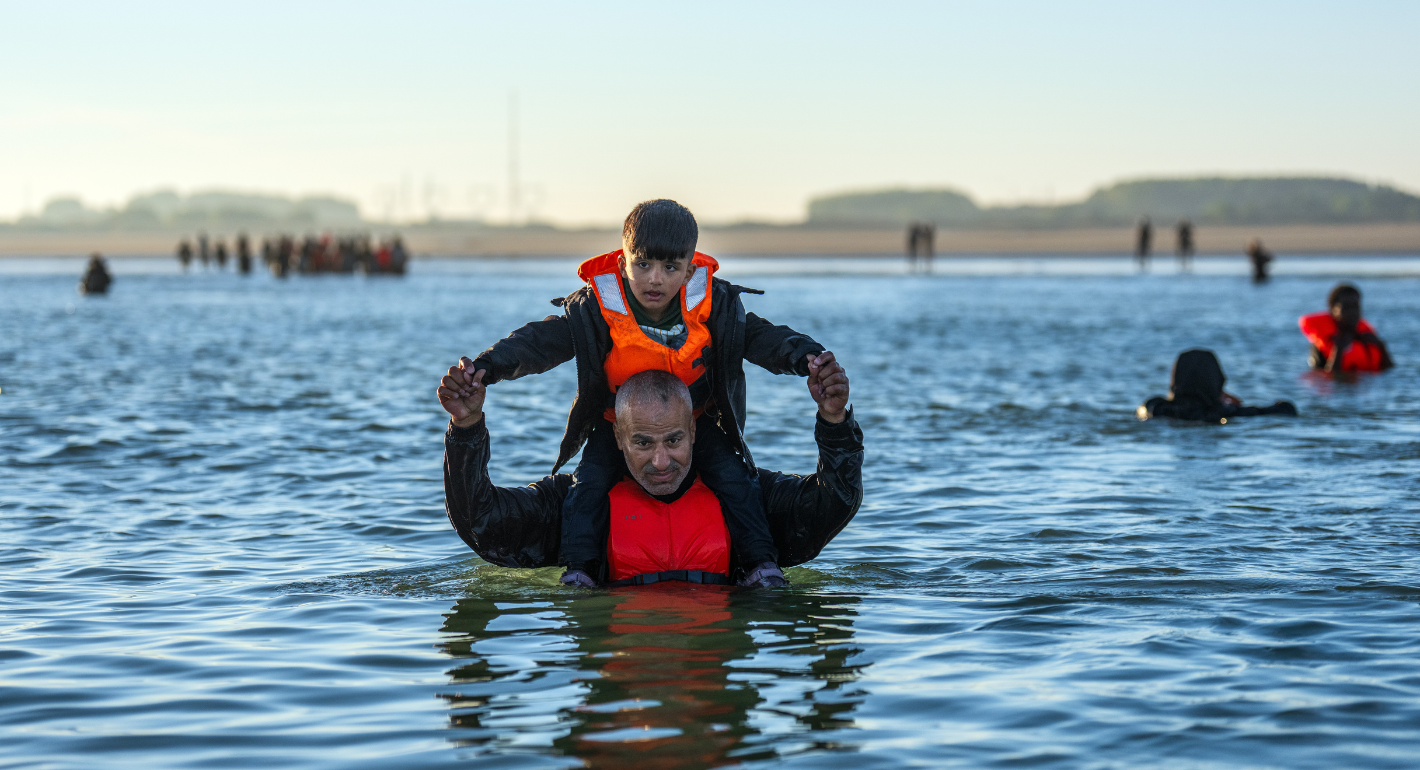
Hard-line approaches to asylum policy are increasingly common, with crackdowns proposed even by parties that traditionally hold liberal views on migration. Does this shift represent a break with Europe’s fundamental values?
Thomas de Waal
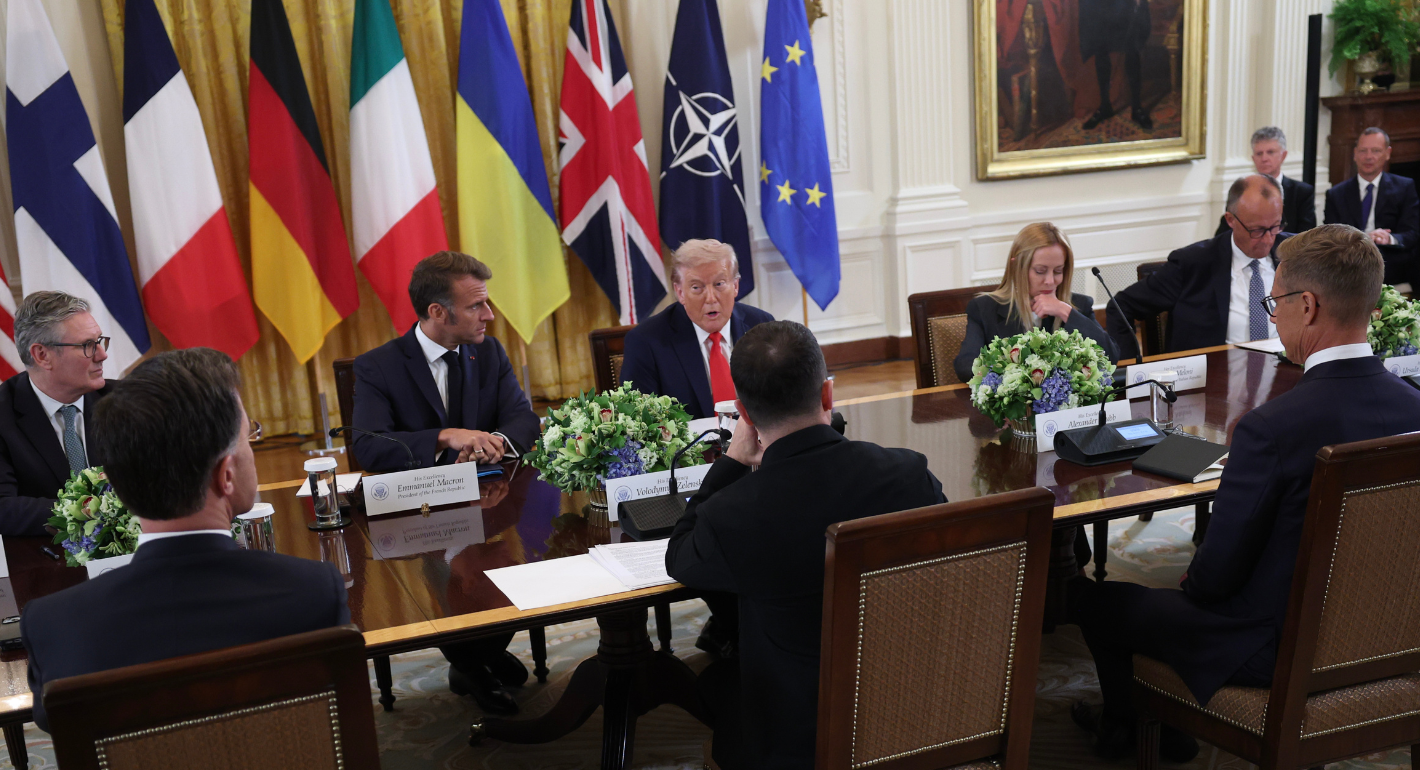
The second Trump administration has shifted the cornerstones of the liberal international order. How the EU responds will determine not only its global standing but also the very integrity of the European project.
Rym Momtaz
The rift between Brussels and Washington raises questions about which side will emerge stronger. The Europeans are laying the groundwork to enhance their power and have already proved their ability to withstand epochal change.
Erik Jones