

Commentary
As European leadership prepares for the sixteenth EU-India Summit, both sides must reckon with trade-offs in order to secure a mutually beneficial Free Trade Agreement.
Dinakar Peri
{
  "authors": [
    "Matt Ferchen"
  ],
  "type": "other",
  "centerAffiliationAll": "",
  "centers": [
    "Carnegie Endowment for International Peace",
    "Carnegie China"
  ],
  "collections": [
    "China and the Developing World",
    "China’s Foreign Relations"
  ],
  "englishNewsletterAll": "",
  "nonEnglishNewsletterAll": "",
  "primaryCenter": "Carnegie China",
  "programAffiliation": "",
  "programs": [],
  "projects": [],
  "regions": [],
  "topics": [
    "Economy"
  ]
}
Source: Getty
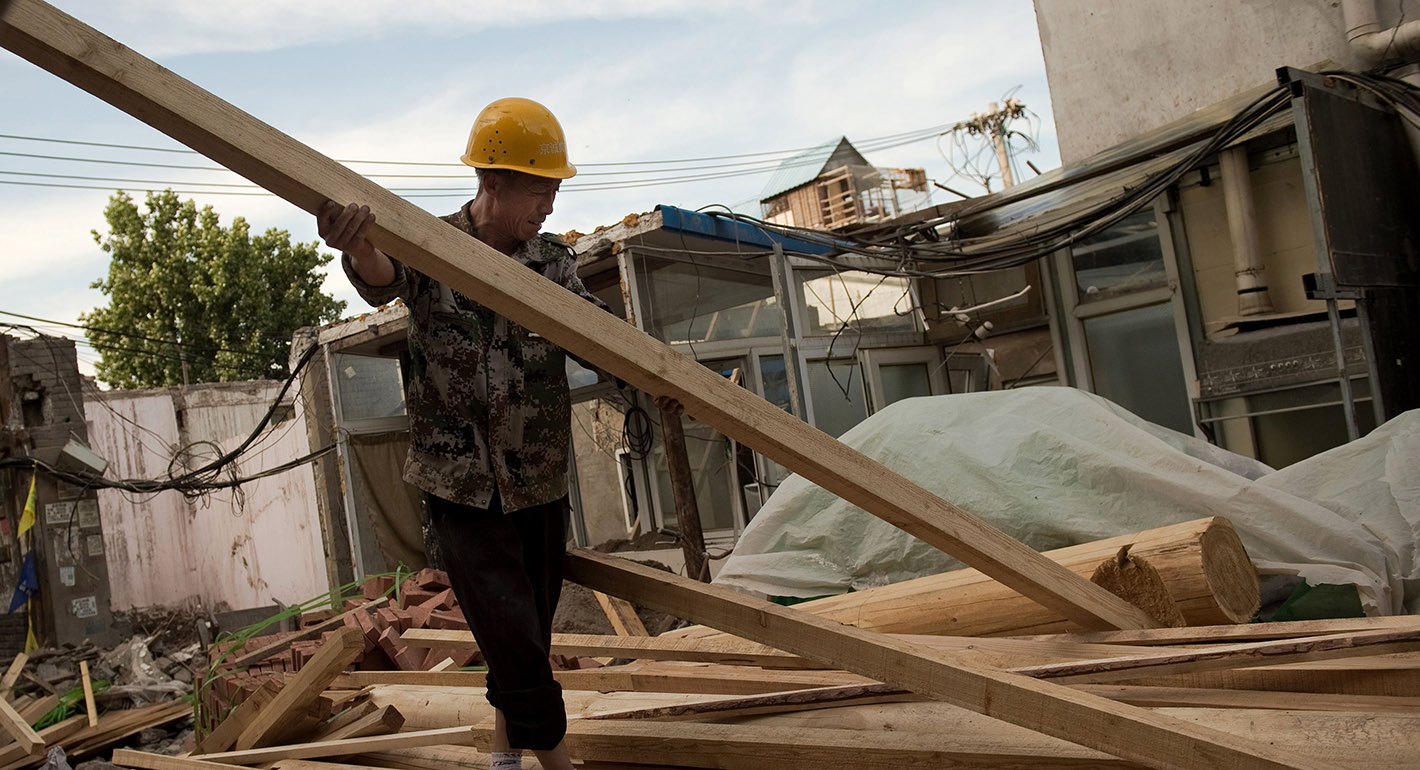
The recent expansion of China’s Belt and Road Initiative into Latin America and the Caribbean (LAC) is unlikely to bring fundamental change to China–LAC economic relations. It may, however, catalyze a more volatile LAC–China–US geopolitical relationship.
Source: International Institute of Strategic Studies
Until quite recently, Chinese officials claimed that Latin America and the Caribbean (LAC) were beyond the central geographic scope of both the continental Eurasian “belt” and the Asian and African maritime “road.” From 2017, however, an increasing number of countries in South and Central America, as well as in the Caribbean, have signed BRI-related memoranda of understanding and announced related business deals, signaling that the BRI has now extended to the Americas. Nevertheless, despite the hype and anxiety surrounding the BRI’s apparent extension to the region, it remains unclear whether its rollout there will change entrenched patterns, challenges and dysfunctions in the China–LAC relationship or merely deepen them. Moreover, at a time of growing U.S.-China strategic rivalry, the expansion of BRI-themed dealmaking in LAC is already playing into growing great power competition and tension.
Carnegie does not take institutional positions on public policy issues; the views represented herein are those of the author(s) and do not necessarily reflect the views of Carnegie, its staff, or its trustees.
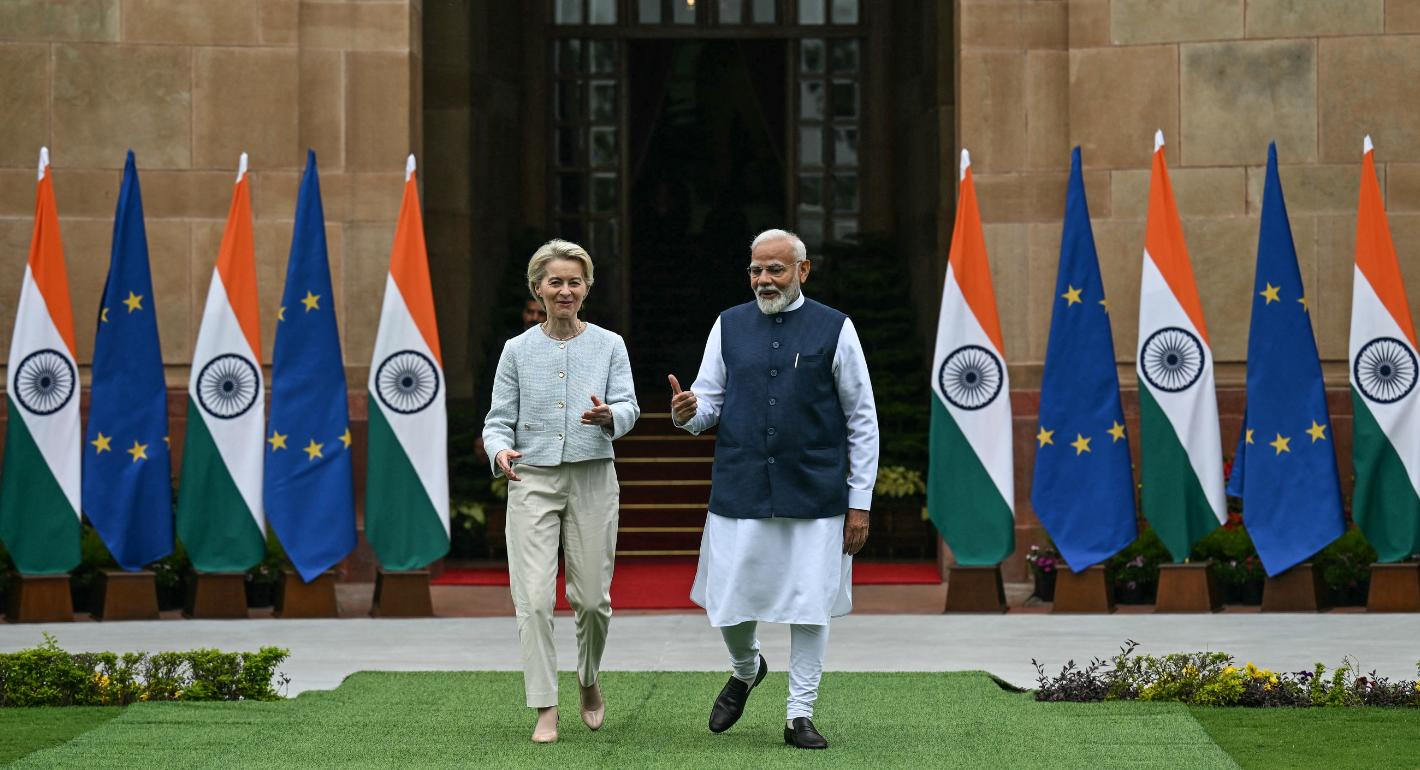
As European leadership prepares for the sixteenth EU-India Summit, both sides must reckon with trade-offs in order to secure a mutually beneficial Free Trade Agreement.

Dinakar Peri
Beset by an increasingly hostile United States, internal divisions, and the threat of Russian aggression, the EU finds itself in a make-or-break moment. U.S. President Donald Trump calls it a decaying group of nations headed by weak leaders. Is Europe able to prove him wrong?

Thomas de Waal

Hard-line approaches to asylum policy are increasingly common, with crackdowns proposed even by parties that traditionally hold liberal views on migration. Does this shift represent a break with Europe’s fundamental values?
Thomas de Waal
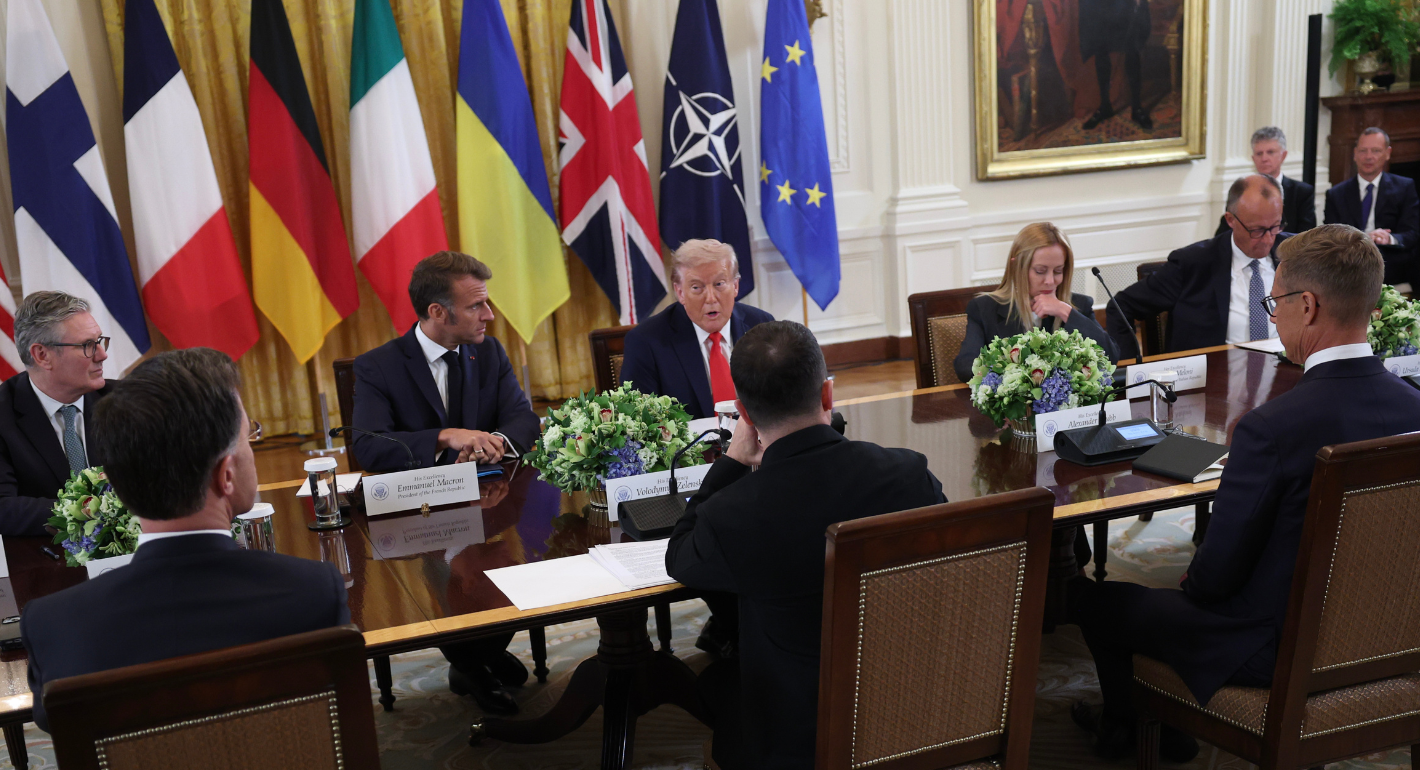
The second Trump administration has shifted the cornerstones of the liberal international order. How the EU responds will determine not only its global standing but also the very integrity of the European project.

Rym Momtaz
The rift between Brussels and Washington raises questions about which side will emerge stronger. The Europeans are laying the groundwork to enhance their power and have already proved their ability to withstand epochal change.

Erik Jones