

Commentary
As European leadership prepares for the sixteenth EU-India Summit, both sides must reckon with trade-offs in order to secure a mutually beneficial Free Trade Agreement.
Dinakar Peri
{
  "authors": [
    "Anirudh Burman"
  ],
  "type": "legacyinthemedia",
  "centerAffiliationAll": "",
  "centers": [
    "Carnegie Endowment for International Peace",
    "Carnegie India"
  ],
  "collections": [],
  "englishNewsletterAll": "",
  "nonEnglishNewsletterAll": "",
  "primaryCenter": "Carnegie India",
  "programAffiliation": "",
  "programs": [],
  "projects": [
    "Technology and Society"
  ],
  "regions": [
    "South Asia",
    "India"
  ],
  "topics": [
    "Technology"
  ]
}
The Narendra Modi government wants to reportedly water down the provisions related to data localization proposed in the draft Personal Data Protection Bill 2018 formulated by the Justice Srikrishna Committee.
Source: Print
The Narendra Modi government wants to reportedly water down the provisions related to data localisation proposed in the draft Personal Data Protection Bill 2018 formulated by the Justice Srikrishna Committee.
The debate on the free-flow and storage of data has assumed significance in the wake of technological developments – such as Artificial Intelligence (AI) – that can harness data to provide better and cheaper services to consumers. The debate on data localisation is now not only a political one, but also a geopolitical one, and a key aspect of trade talks between India and other countries like the US. However, it is important to examine and analyse whether localisation, as defined in the data protection bill, would actually meet its underlying objectives.
Carnegie does not take institutional positions on public policy issues; the views represented herein are those of the author(s) and do not necessarily reflect the views of Carnegie, its staff, or its trustees.
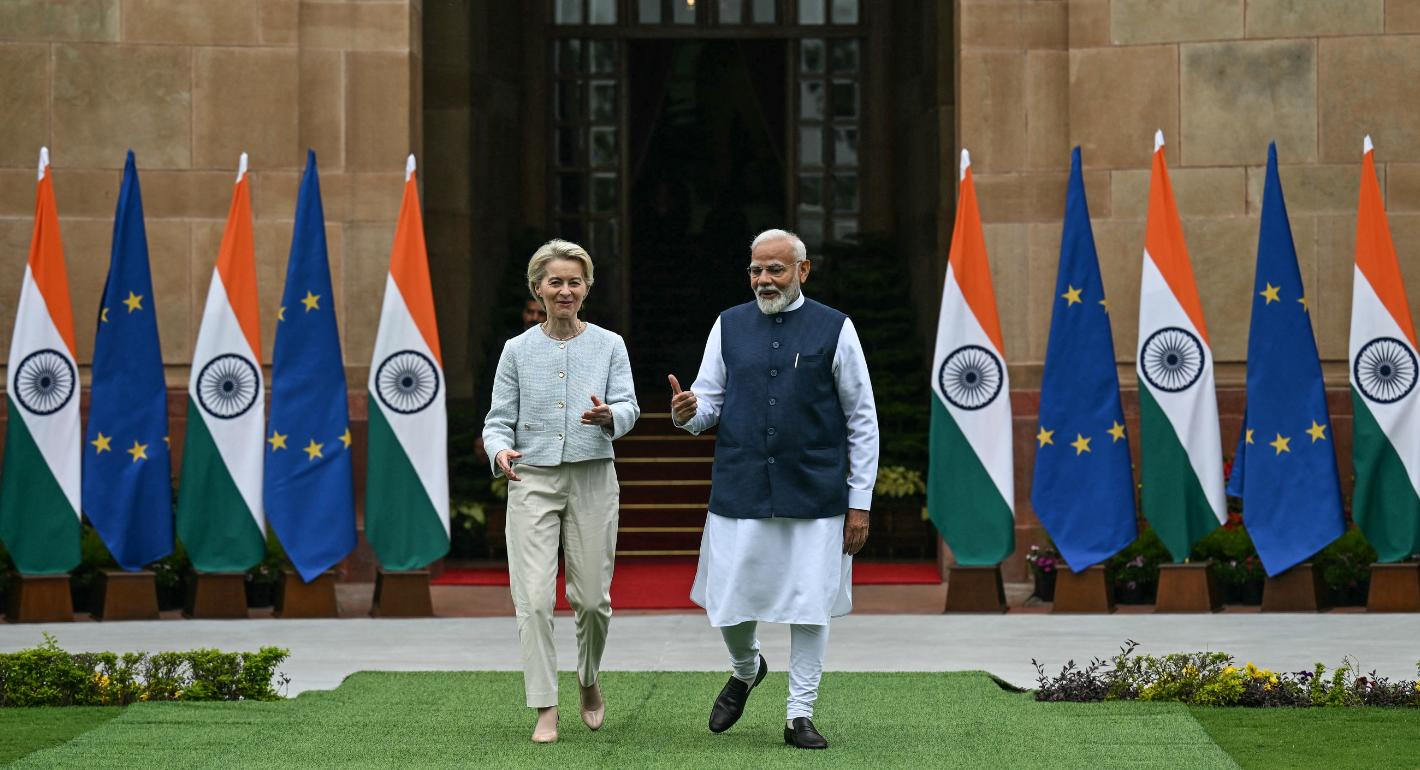
As European leadership prepares for the sixteenth EU-India Summit, both sides must reckon with trade-offs in order to secure a mutually beneficial Free Trade Agreement.

Dinakar Peri

Tech giants are increasingly able to wield significant geopolitical influence. To ensure digital sovereignty, governments must insist on transparency and accountability.

Raluca Csernatoni
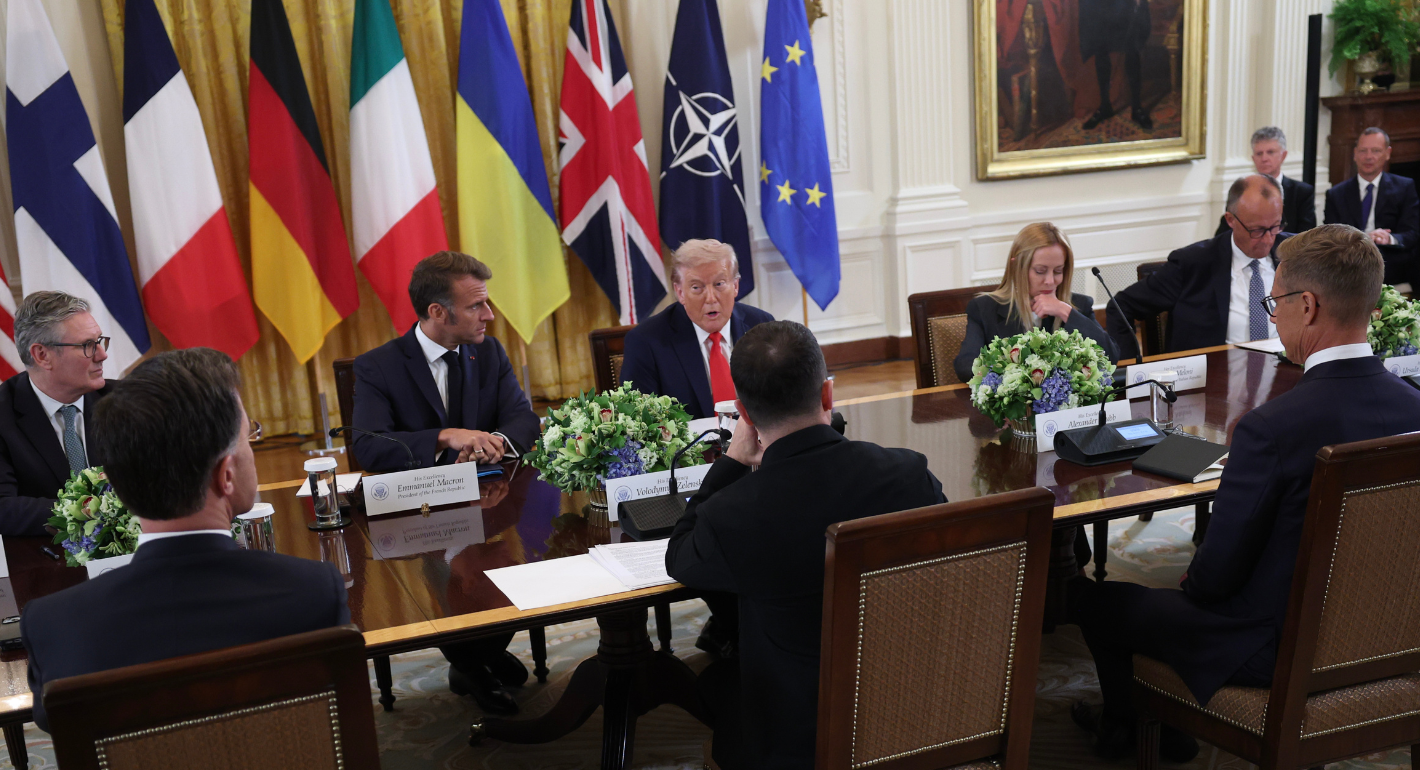
The second Trump administration has shifted the cornerstones of the liberal international order. How the EU responds will determine not only its global standing but also the very integrity of the European project.

Rym Momtaz

The EU’s pursuit of tech sovereignty has often sidelined the role of democracy in the digital sphere. The union should adopt a tech citizenship strategy that promotes citizen engagement, democratic innovation, and accountability.

Richard Youngs
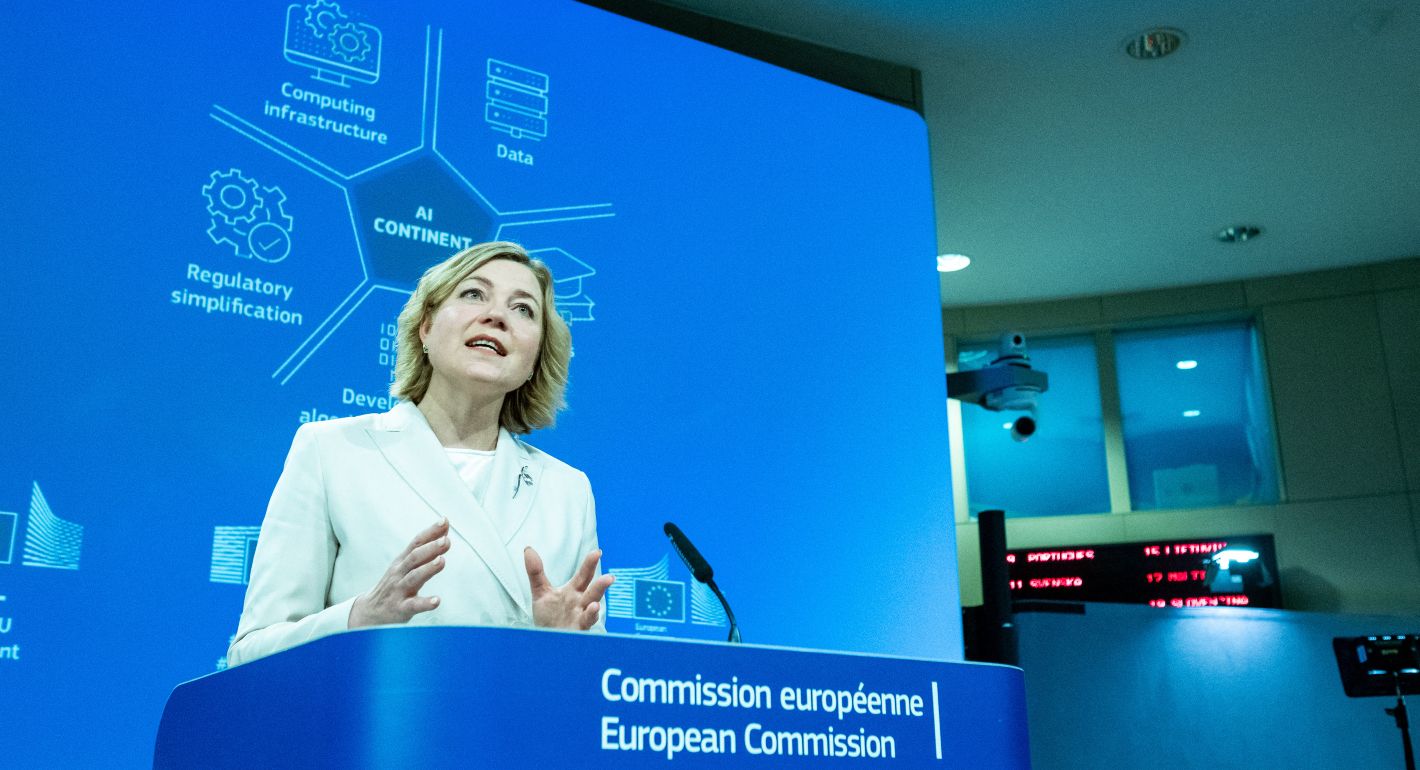
The EU’s quest for strategic autonomy in the digital domain is challenged by national interests. Brussels can set a bold direction on tech sovereignty, but its success will require a robust framework and delicate compromises.

Raluca Csernatoni, Sinan Ülgen