• Research
  • Strategic Europe
  • About
  • Experts
Carnegie Europe logoCarnegie lettermark logo
EUUkraine
  • Donate
{
  "authors": [
    "Michele Dunne"
  ],
  "type": "other",
  "centerAffiliationAll": "",
  "centers": [
    "Carnegie Endowment for International Peace",
    "Malcolm H. Kerr Carnegie Middle East Center"
  ],
  "collections": [
    "Arab Awakening"
  ],
  "englishNewsletterAll": "",
  "nonEnglishNewsletterAll": "",
  "primaryCenter": "Carnegie Endowment for International Peace",
  "programAffiliation": "",
  "programs": [
    "Middle East"
  ],
  "projects": [],
  "regions": [
    "Middle East",
    "North Africa"
  ],
  "topics": [
    "Political Reform",
    "Democracy"
  ]
}

Source: Getty

Other

Fear and Learning in the Arab Uprisings

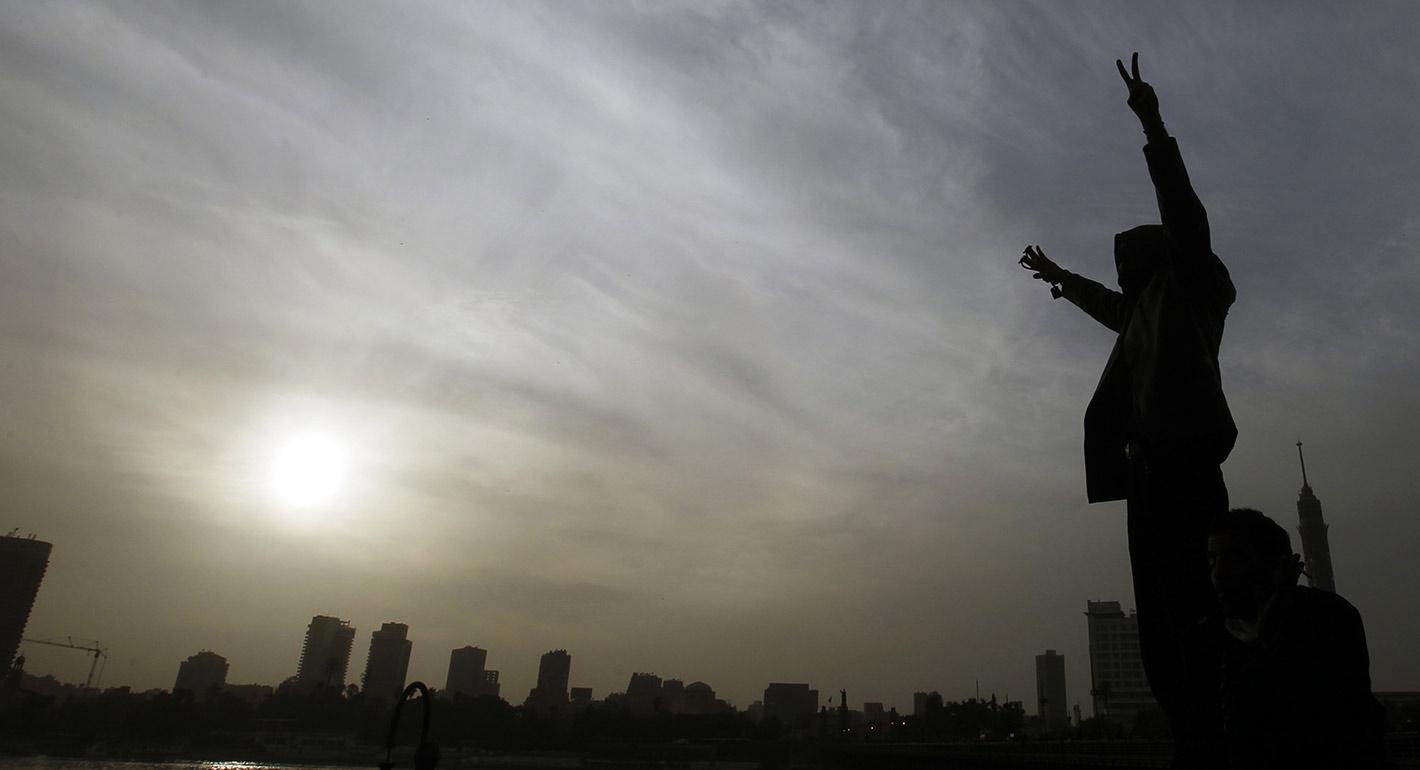
As the tenth anniversary of the first uprising of the Arab Spring approaches, massive and sustained popular uprisings in Sudan, Algeria, Iraq, and Lebanon have shown that the Arab world is far from finished with the question of democracy.

Link Copied
By Michele Dunne
Published on Jan 15, 2020

Source: Journal of Democracy

As the tenth anniversary of the first uprising of the Arab Spring approaches, massive and sustained popular uprisings in Sudan, Algeria, Iraq, and Lebanon have shown that the Arab world is far from finished with the question of democracy. In each of these countries, protesters have connected grievances about economic hardships and corruption to issues of governance. They have demanded changes to undemocratic aspects of current power structures: sectarian bargains in Iraq and Lebanon, and military dominance in Sudan and Algeria.

The struggle of citizens of Arab-majority countries for more responsive, accountable, and participatory governance has been long and difficult. Vested interests both foreign and domestic have pushed back, often with great brutality. In Lebanon, the Arab country in which citizens long had the most individual freedom, sectarianism erupted into civil war in 1975. Even after the fighting ended, sectarian divisions constrained political competition and undermined accountability; they also opened the country to ongoing foreign intervention. Algeria's experiment with political pluralism in the early 1990s led into a decade of horrific civil war.

Read Full Text

This article was originally published in the Journal of Democracy.

Michele Dunne
Former Nonresident Scholar, Middle East Program
Michele Dunne
Political ReformDemocracyMiddle EastNorth Africa

Carnegie does not take institutional positions on public policy issues; the views represented herein are those of the author(s) and do not necessarily reflect the views of Carnegie, its staff, or its trustees.

More Work from Carnegie Europe

  • Commentary
    Strategic Europe
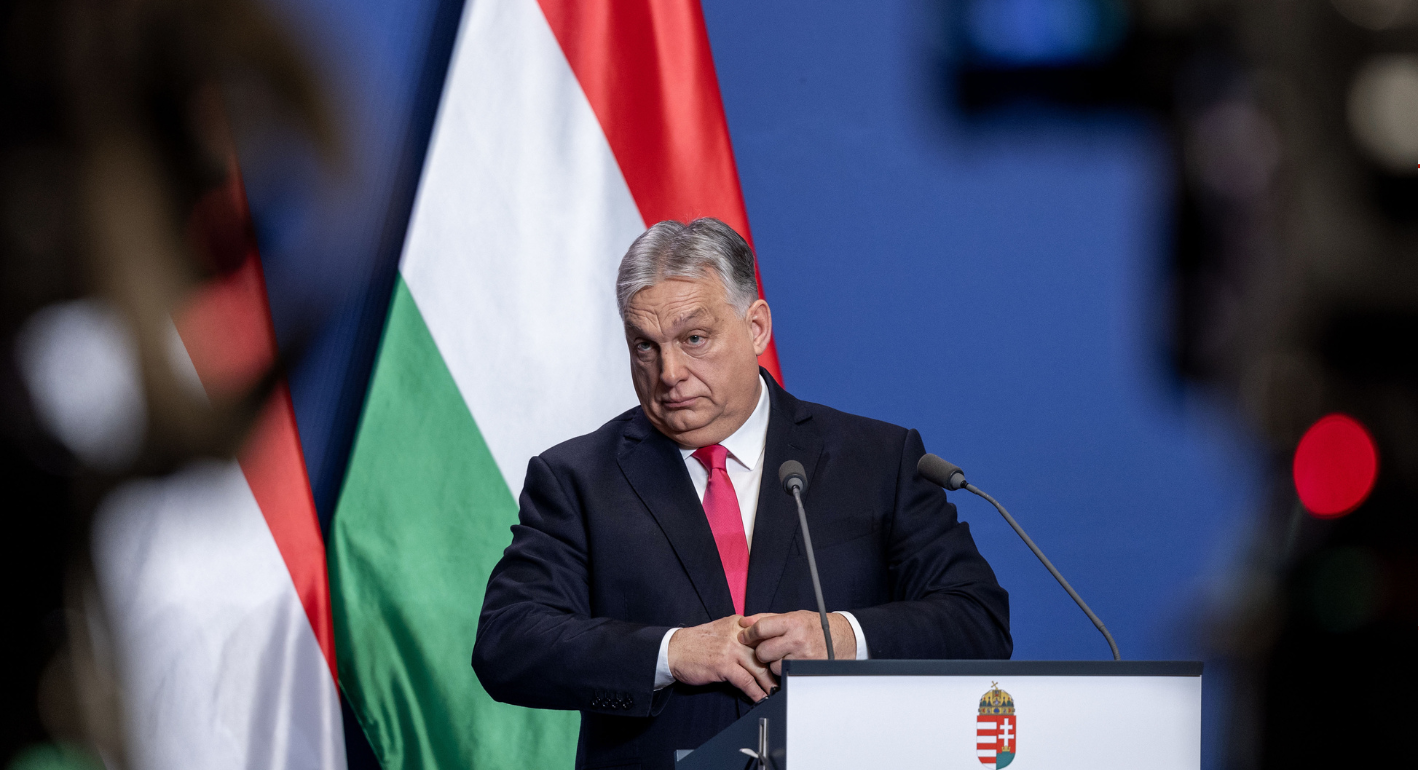
    New Tricks and AI Tools in Hungary’s High-Stakes Election

    Hungarian Prime Minister Viktor Orbán faces his most serious challenge yet in the April 2026 parliamentary elections. All of Europe should monitor the Fidesz campaign: It will use unprecedented methods of electoral manipulation to secure victory and maintain power.

      Zsuzsanna Szelényi
  • Commentary
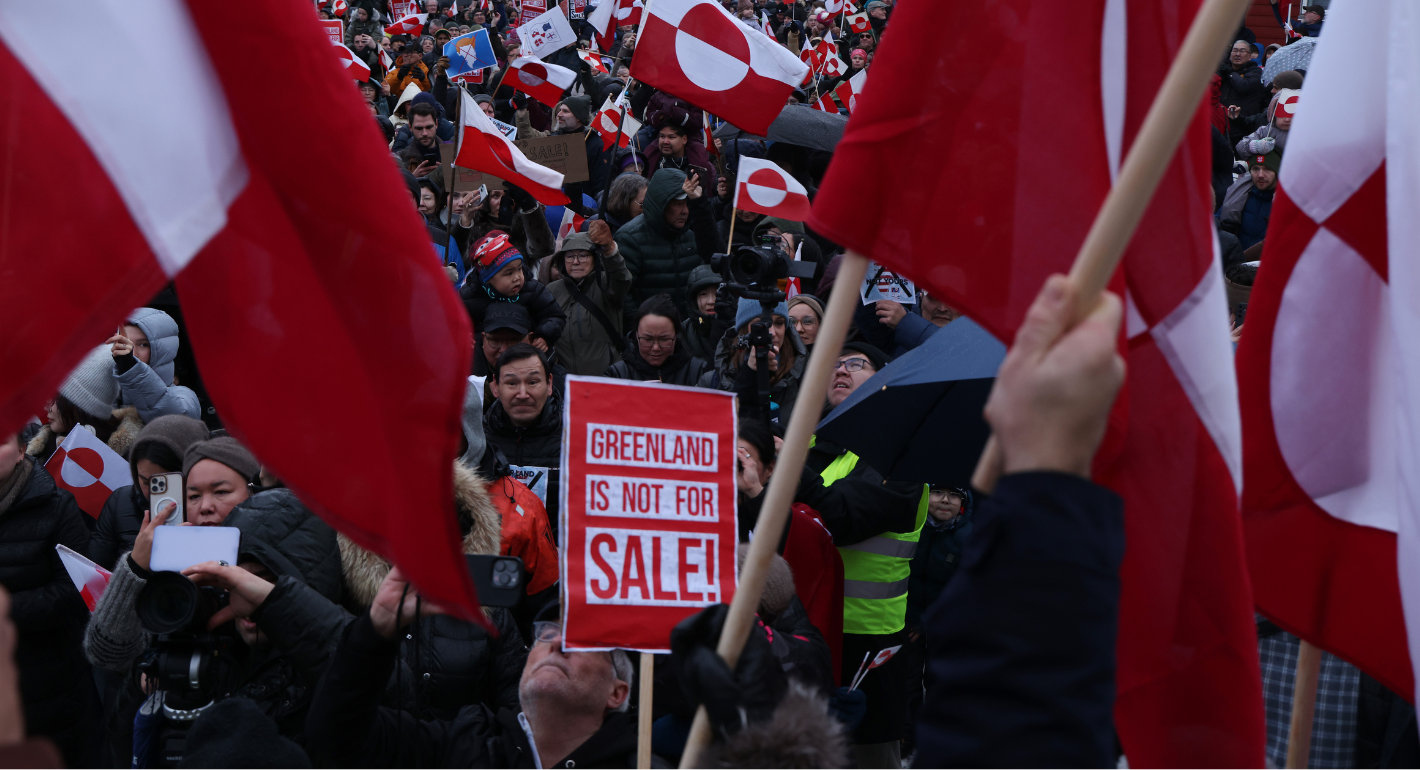
    Europe’s American Predicament

    Between Greenland and U.S. interference in Europe’s democracies, transatlantic relations risk rising to an unprecedented level of crisis. Amid continued arguments on how Brussels should react, tough times lie ahead for European leaders.

      Marc Pierini

  • Commentary
    Strategic Europe
    Taking the Pulse: What Issue Is Europe Ignoring at Its Peril in 2026?

    2026 has started in crisis, as the actions of unpredictable leaders shape an increasingly volatile global environment. To shift from crisis response to strategic foresight, what under-the-radar issues should the EU prepare for in the coming year?

      Thomas de Waal

  • Ulcinj Montenegro UAE investments
    Paper
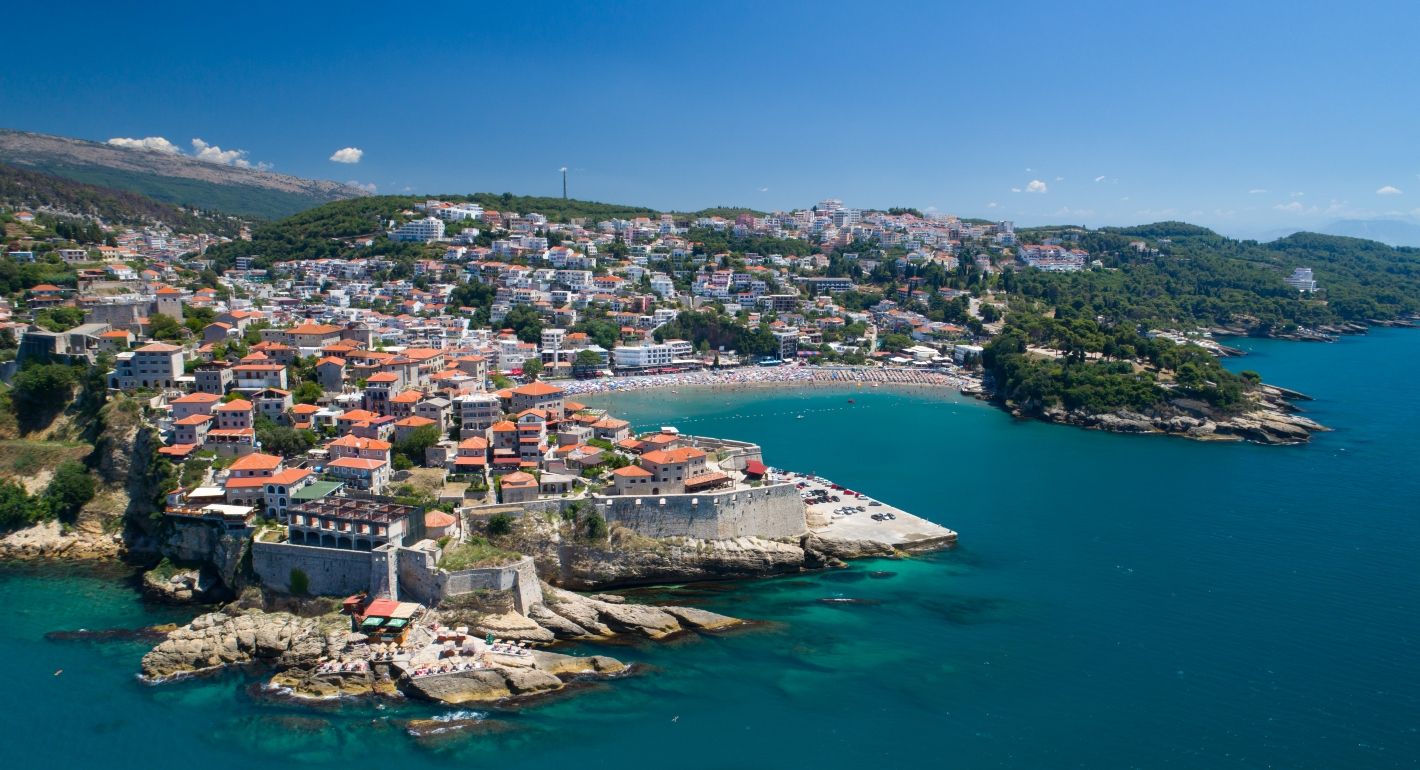
    Rules or Deals? The EU’s Challenge in Regulating Corrosive Capital in the Western Balkans

    The United Arab Emirates has become a major investor in the Western Balkans. With enlargement back on the agenda, the EU must ensure that foreign capital meets rather than undermines its governance standards.

      • Alba Çela
      • +1

      Iliriana Gjoni, Iva Čukić, Alba Çela, …

  • Commentary
    Can Europe and Africa Mend Fences?

    Despite the strategic importance of relations between the EU and the African Union, deep divisions remain between the blocs. At their upcoming summit, both partners should strive to build a mutually beneficial cooperation.

      Marta Martinelli

Get more news and analysis from
Carnegie Europe
Carnegie Europe logo, white
Rue du Congrès, 151000 Brussels, Belgium
  • Research
  • Strategic Europe
  • About
  • Experts
  • Projects
  • Events
  • Contact
  • Careers
  • Privacy
  • For Media
  • Gender Equality Plan
Get more news and analysis from
Carnegie Europe
© 2026 Carnegie Endowment for International Peace. All rights reserved.