

Commentary
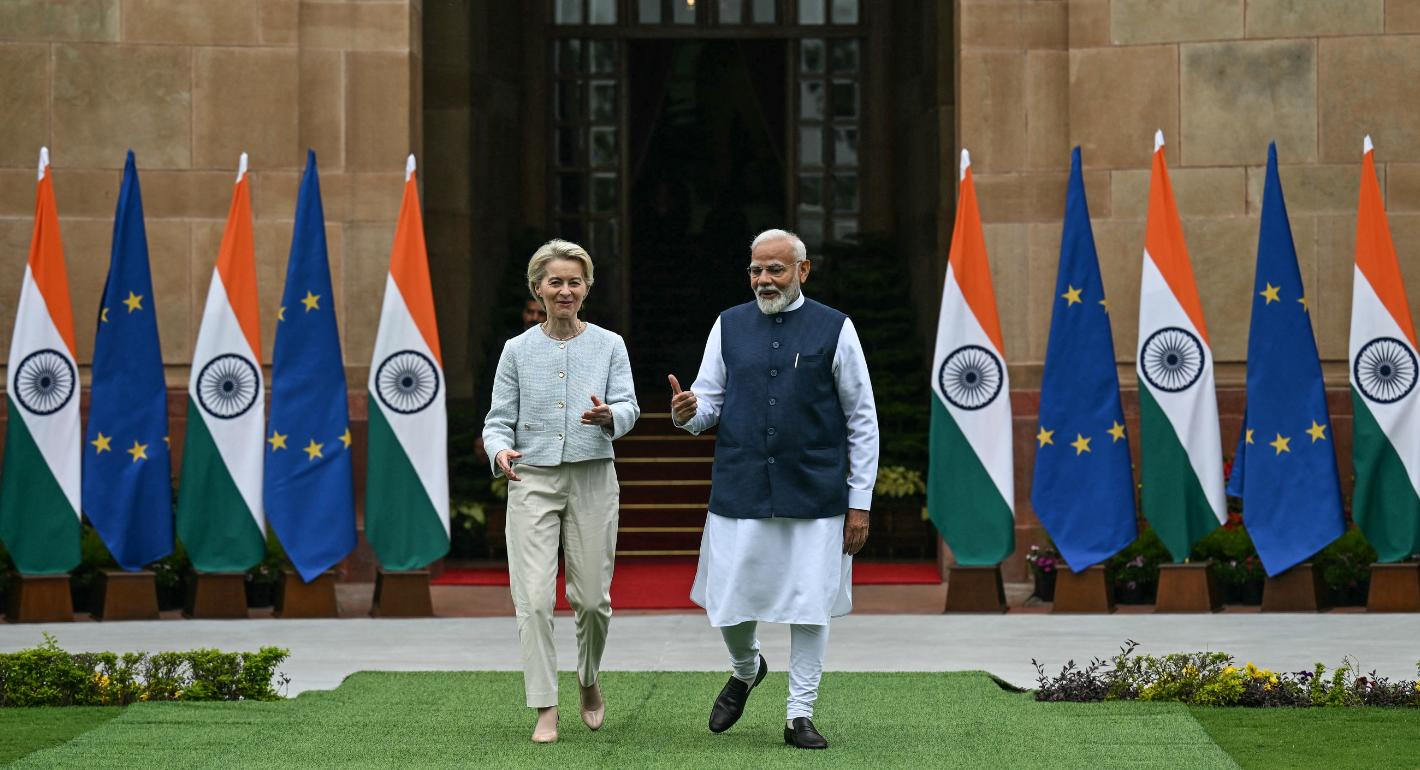
As European leadership prepares for the sixteenth EU-India Summit, both sides must reckon with trade-offs in order to secure a mutually beneficial Free Trade Agreement.
Dinakar Peri
{
  "authors": [
    "Sarah Yerkes"
  ],
  "type": "legacyinthemedia",
  "centerAffiliationAll": "",
  "centers": [
    "Carnegie Endowment for International Peace",
    "Malcolm H. Kerr Carnegie Middle East Center"
  ],
  "collections": [],
  "englishNewsletterAll": "",
  "nonEnglishNewsletterAll": "",
  "primaryCenter": "Carnegie Endowment for International Peace",
  "programAffiliation": "",
  "programs": [
    "Middle East"
  ],
  "projects": [
    "Tunisia Monitor"
  ],
  "regions": [
    "North Africa",
    "Tunisia",
    "Maghreb"
  ],
  "topics": [
    "Political Reform",
    "Foreign Policy"
  ]
}
The current parliament is the most fractured in Tunisia’s history, with no party holding even one-quarter of the seats.
Source: World Politics Review
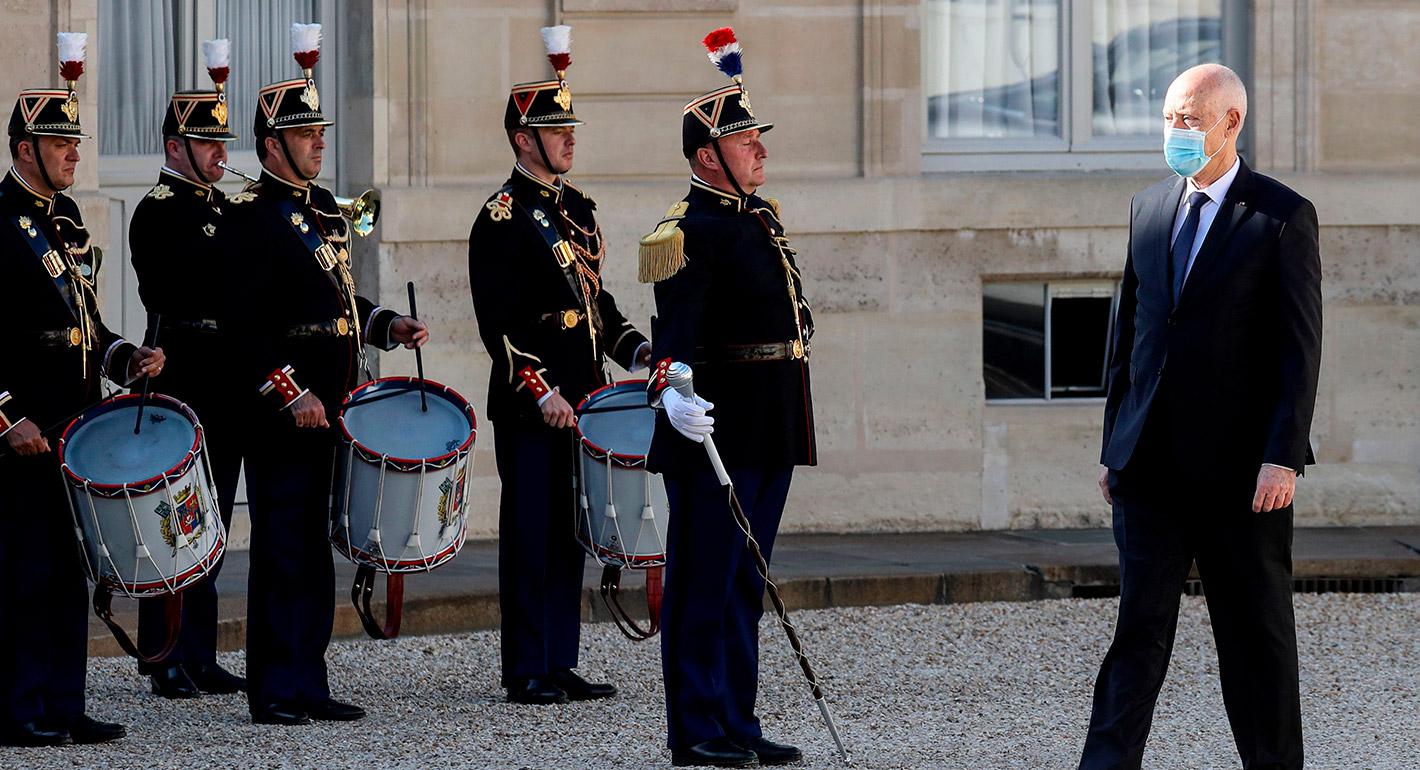
Following the resignation of Elyes Fakhfakh as prime minister of Tunisia in mid-July, amid corruption allegations and after just five months in office, President Kais Saied designated one of his own advisers, Hichem Mechichi, as the new prime minister. Mechichi has until Aug. 25 to form a government that can win parliamentary approval. Should he fail, Saied has the constitutional right to call for new elections—an arduous task, particularly as Tunisia struggles with a deepening economic crisis and a spike in COVID-19 cases triggered by reopening the country’s borders in late June.
Before he even takes office, Mechichi faces several hurdles, the biggest of which is cobbling together a government that simultaneously appeases enough of Tunisia’s political parties to be approved by parliament, but does not appear too partisan or vest too much power in any one group. This is a particular challenge given that the current parliament is the most fractured in Tunisia’s history, with no party holding even one-quarter of the seats.
This article was originally published by World Politics Review.
Carnegie does not take institutional positions on public policy issues; the views represented herein are those of the author(s) and do not necessarily reflect the views of Carnegie, its staff, or its trustees.
As European leadership prepares for the sixteenth EU-India Summit, both sides must reckon with trade-offs in order to secure a mutually beneficial Free Trade Agreement.
Dinakar Peri
Carnegie scholars examine the crucial elements of a document that’s radically different than its predecessors.


James M. Acton, Saskia Brechenmacher, Cecily Brewer, …
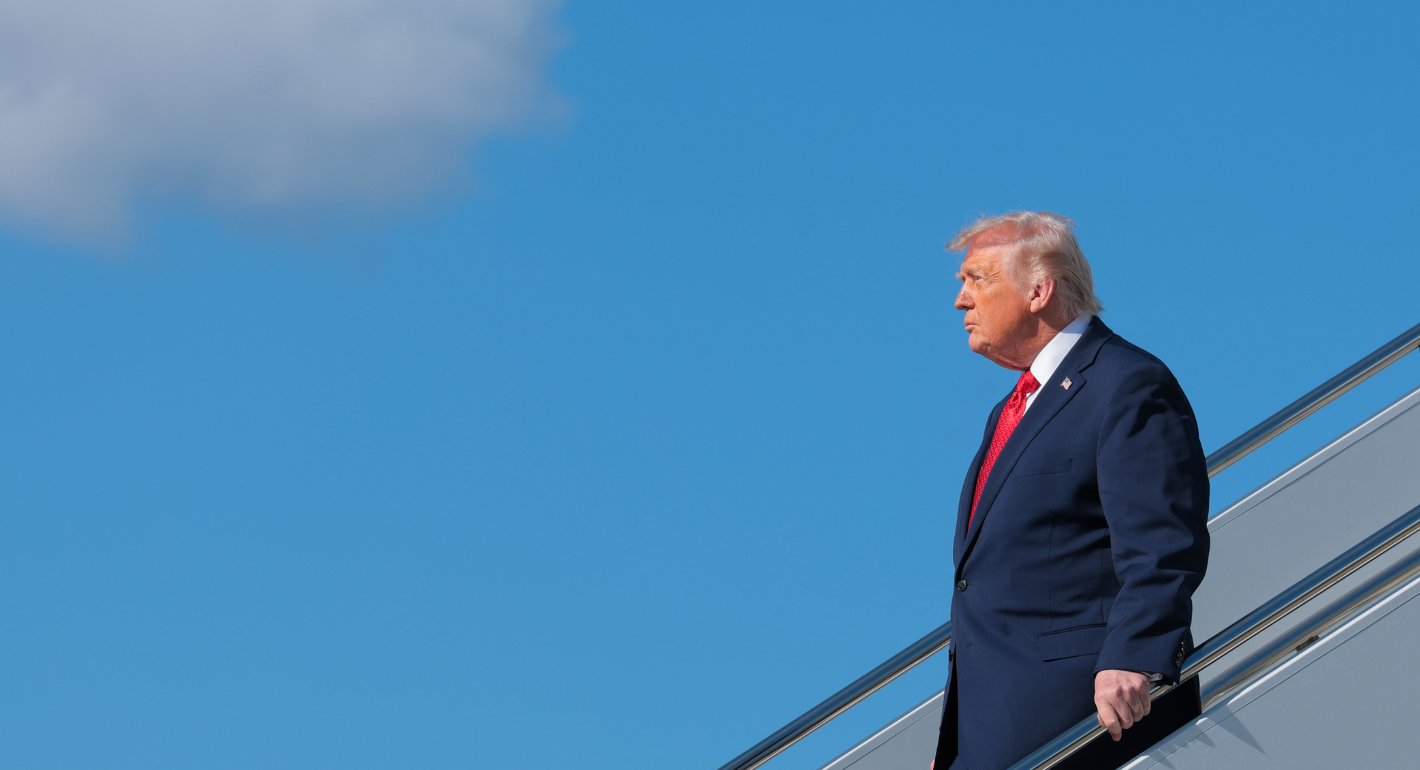
The hyper-personalized new version of global sphere-of-influence politics that Donald Trump wants will fail, as it did for Russia. In the meantime, Europe must still deal with a disruptive former ally determined to break the rules.
Thomas de Waal
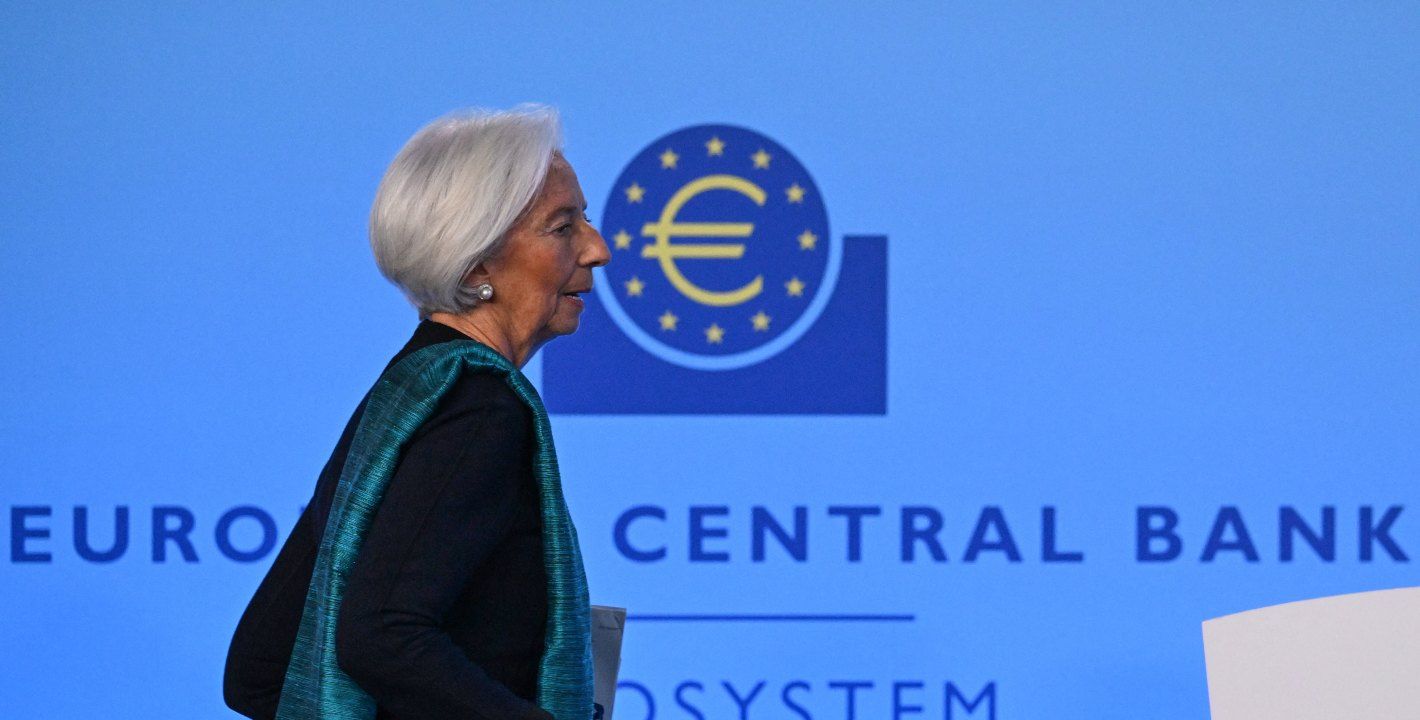
2026 has started in crisis, as the actions of unpredictable leaders shape an increasingly volatile global environment. To shift from crisis response to strategic foresight, what under-the-radar issues should the EU prepare for in the coming year?
Thomas de Waal
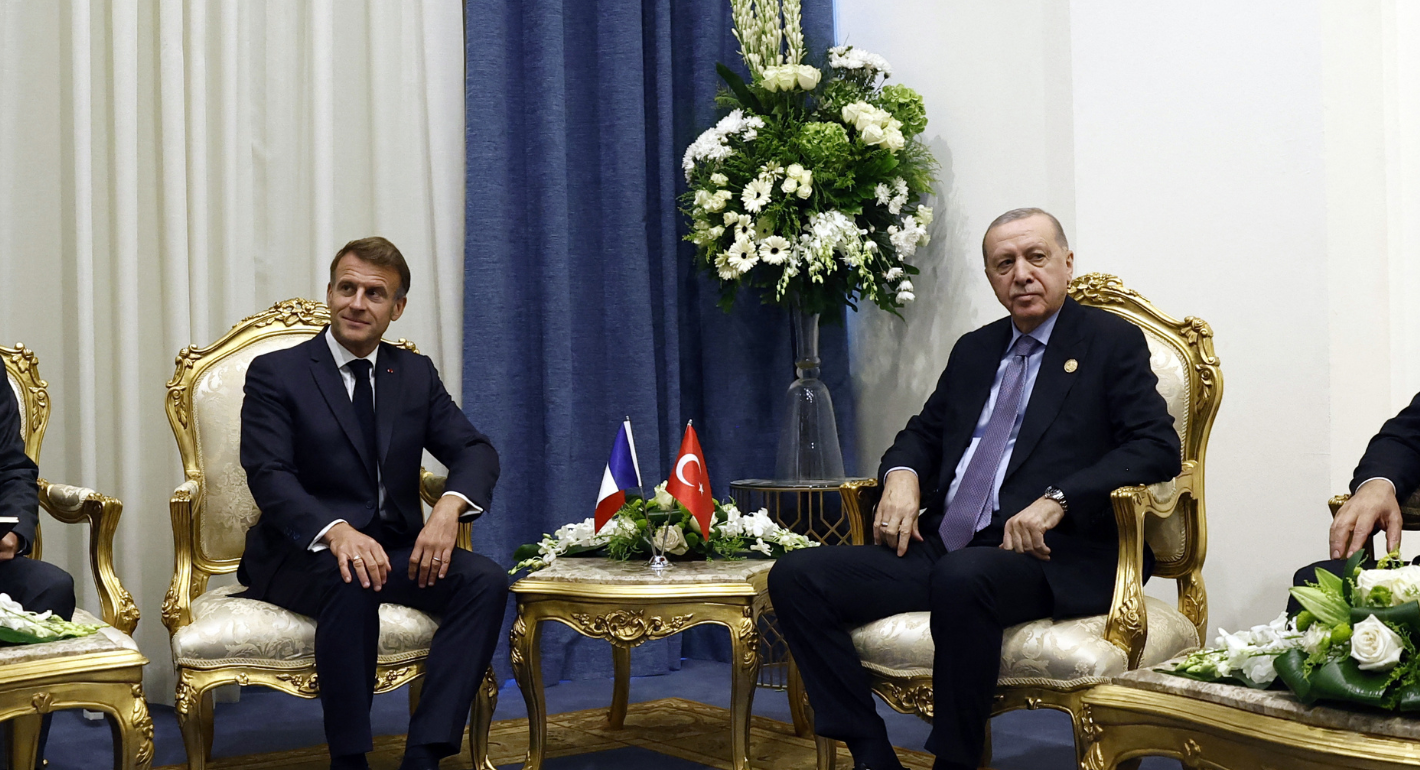
A renewal of relations between France and Turkey is vital to strengthen European strategic autonomy. To make this détente a reality, Paris and Ankara should move beyond personal friction and jointly engage with questions of Black Sea security.
Romain Le Quiniou