

Commentary
As European leadership prepares for the sixteenth EU-India Summit, both sides must reckon with trade-offs in order to secure a mutually beneficial Free Trade Agreement.
Dinakar Peri
{
  "authors": [
    "Frederic Grare"
  ],
  "type": "legacyinthemedia",
  "centerAffiliationAll": "",
  "centers": [
    "Carnegie Endowment for International Peace"
  ],
  "collections": [],
  "englishNewsletterAll": "",
  "nonEnglishNewsletterAll": "",
  "primaryCenter": "Carnegie Endowment for International Peace",
  "programAffiliation": "",
  "programs": [
    "South Asia"
  ],
  "projects": [],
  "regions": [
    "South Asia",
    "Southeast Asia",
    "Western Europe"
  ],
  "topics": [
    "Foreign Policy"
  ]
}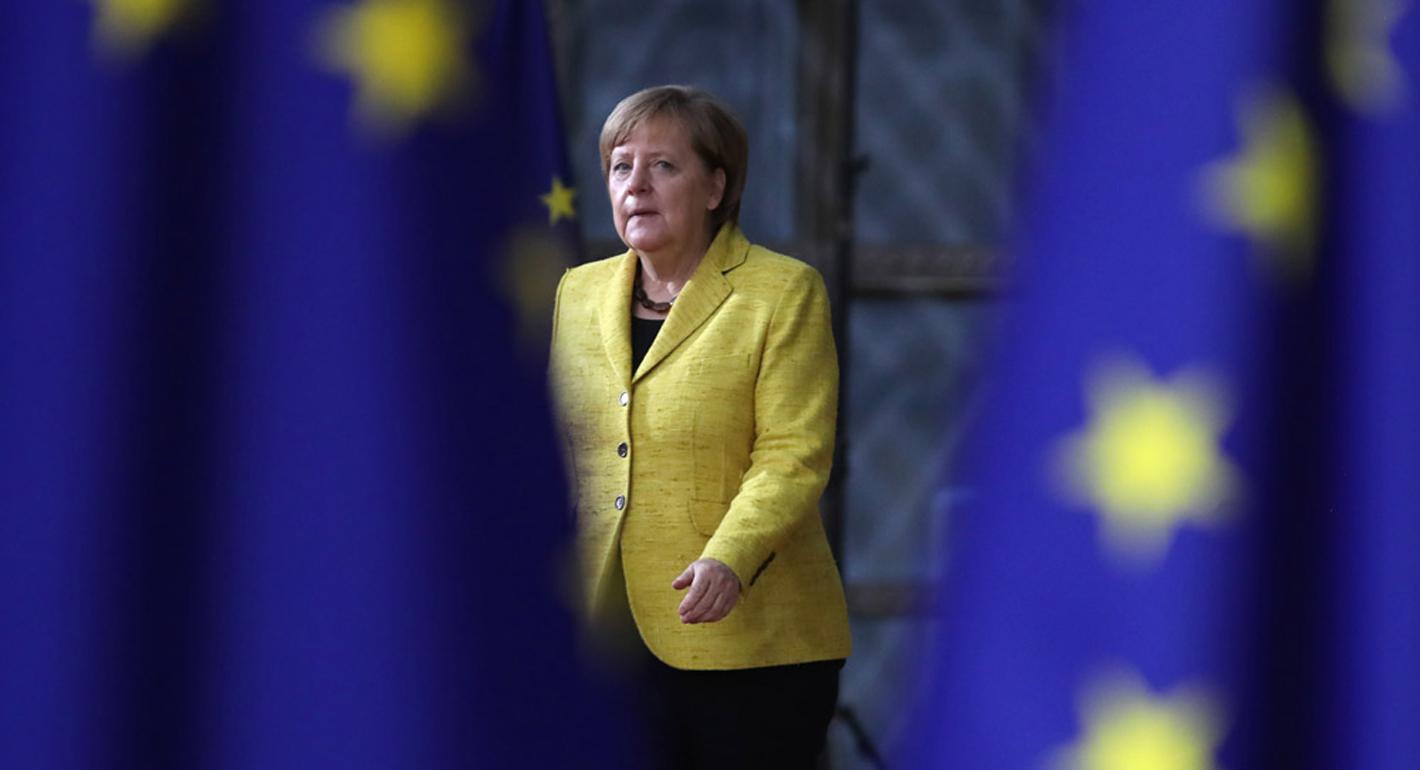
Germany is in a unique position to shape the EU’s approach to the Indo-Pacific.
Source: Internationale Politik Quarterly
On September 2, 2020, the German government released a document entitled “Policy guidelines for the Indo-Pacific region. Germany—Europe—Asia: shaping the 21st century together,” in which the country for the first time officially endorsed the concept of the “Indo-Pacific.” Coming after months of inter-ministerial dialogue during which the German government appeared reluctant to even use term “Indo-Pacific,” the publication signaled a change in the country’s approach to the issue and attracted significant international attention and comments. The document was welcomed by Germany’s Asian partners, such as India and Japan, but also by France, which was the first European country to publish an Indo-Pacific strategy, back in 2018, and has been trying ever since to convince its European partners to endorse the concept.
Questions arose, however, regarding not only the motivation but also the depth and significance of the policy change. Some have blamed Germany for publishing a document that they perceive as excessively cautious vis-à-vis China, while Beijing in turn has blamed Germany for making such a politically significant move. It can be argued, however, that the value of the German document should be seen less in terms of its content than in its very existence. Furthermore, the circumstances of its publication are important, given the fact that, in part due to the COVID-19 pandemic, most EU member states are increasingly skeptical about China’s intentions and question the evolution of their relationship with Beijing but are yet undecided as to what direction that should now take. Substantively, the German’s policy guidelines are cautious enough to reassure Berlin’s European partners and for the same reason constitute a powerful instrument to mobilize them behind a unified European Indo-Pacific strategy. Indeed, Germany’s public stance will likely impact the EU’s position, Brussels having so far refused to endorse the concept. It should however be careful not to do so at the expense of a potential EU strategy....
This article was originally published in Internationale Politik Quarterly.
Carnegie does not take institutional positions on public policy issues; the views represented herein are those of the author(s) and do not necessarily reflect the views of Carnegie, its staff, or its trustees.
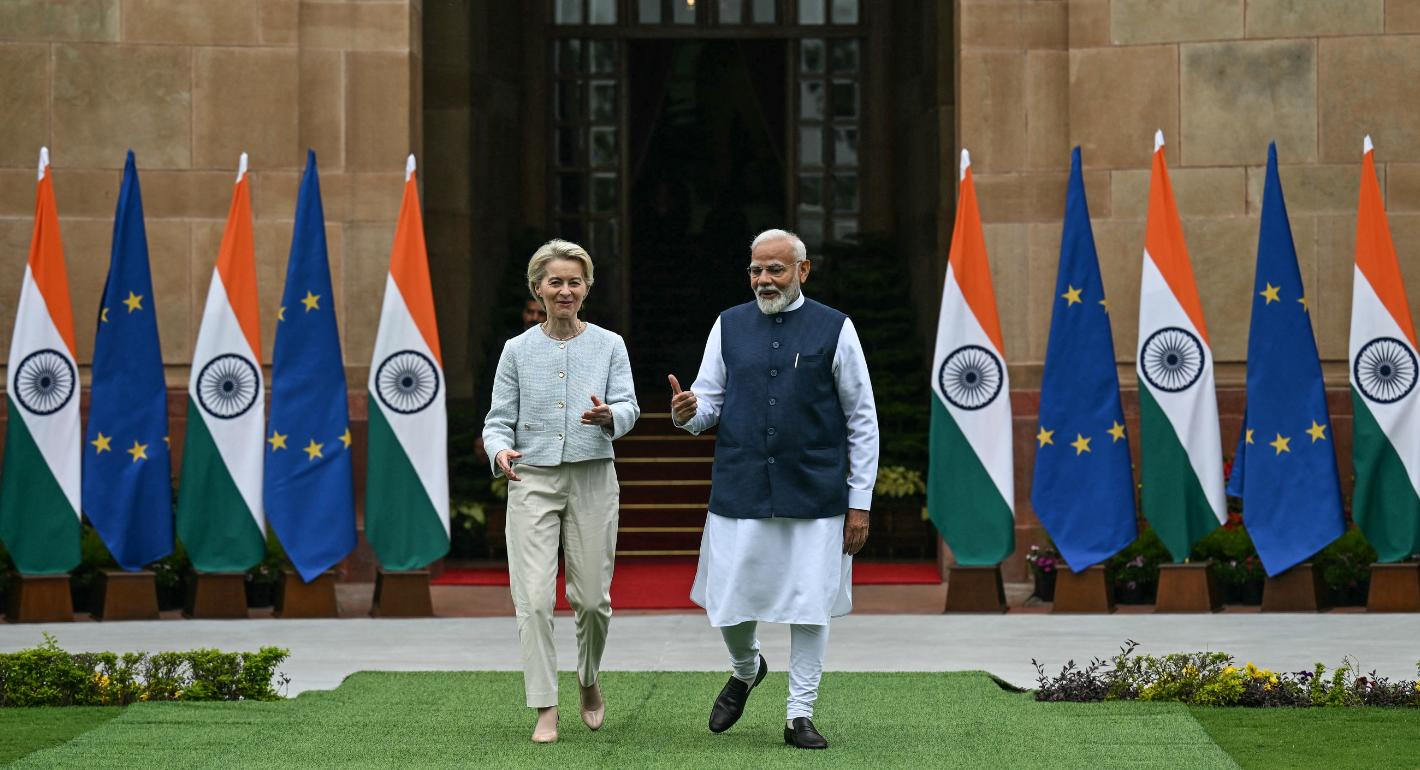
As European leadership prepares for the sixteenth EU-India Summit, both sides must reckon with trade-offs in order to secure a mutually beneficial Free Trade Agreement.

Dinakar Peri
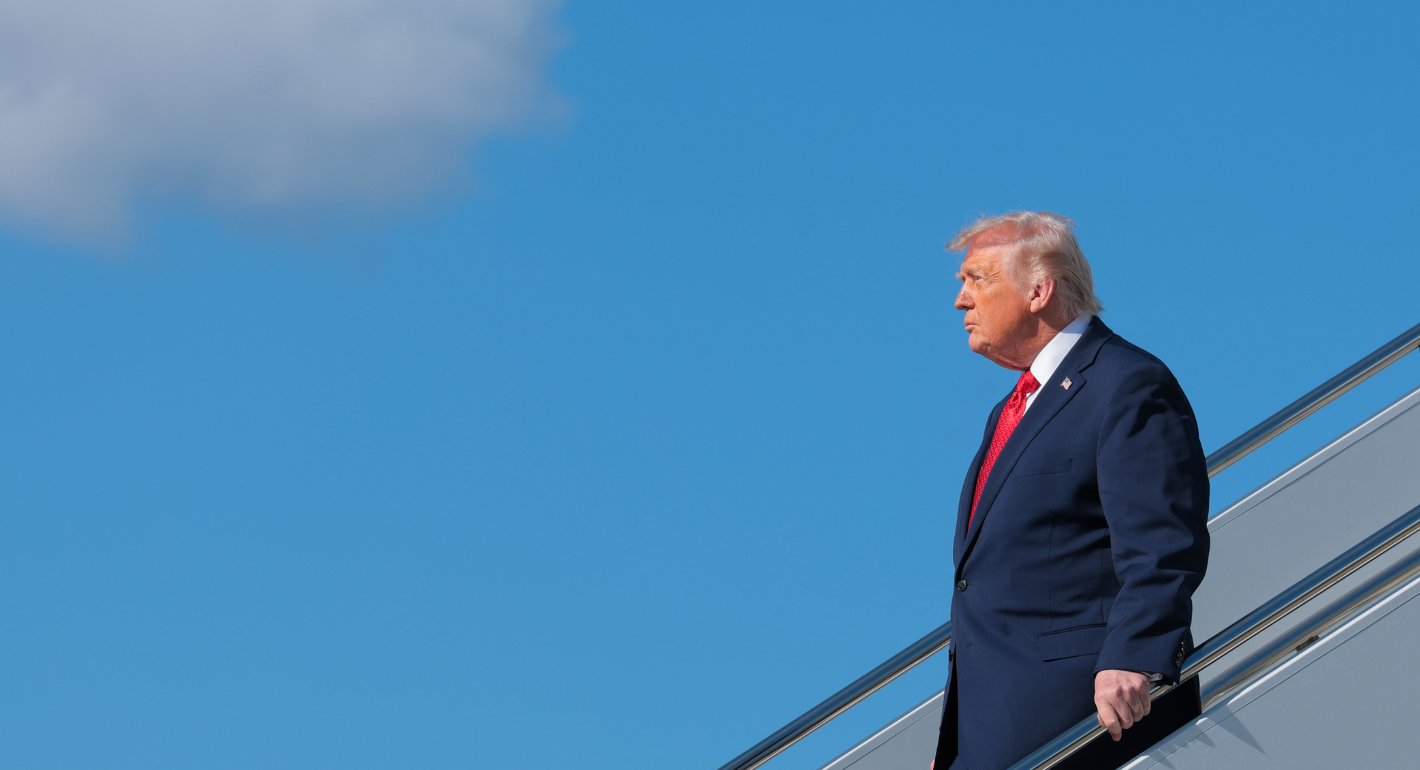
The hyper-personalized new version of global sphere-of-influence politics that Donald Trump wants will fail, as it did for Russia. In the meantime, Europe must still deal with a disruptive former ally determined to break the rules.

Thomas de Waal
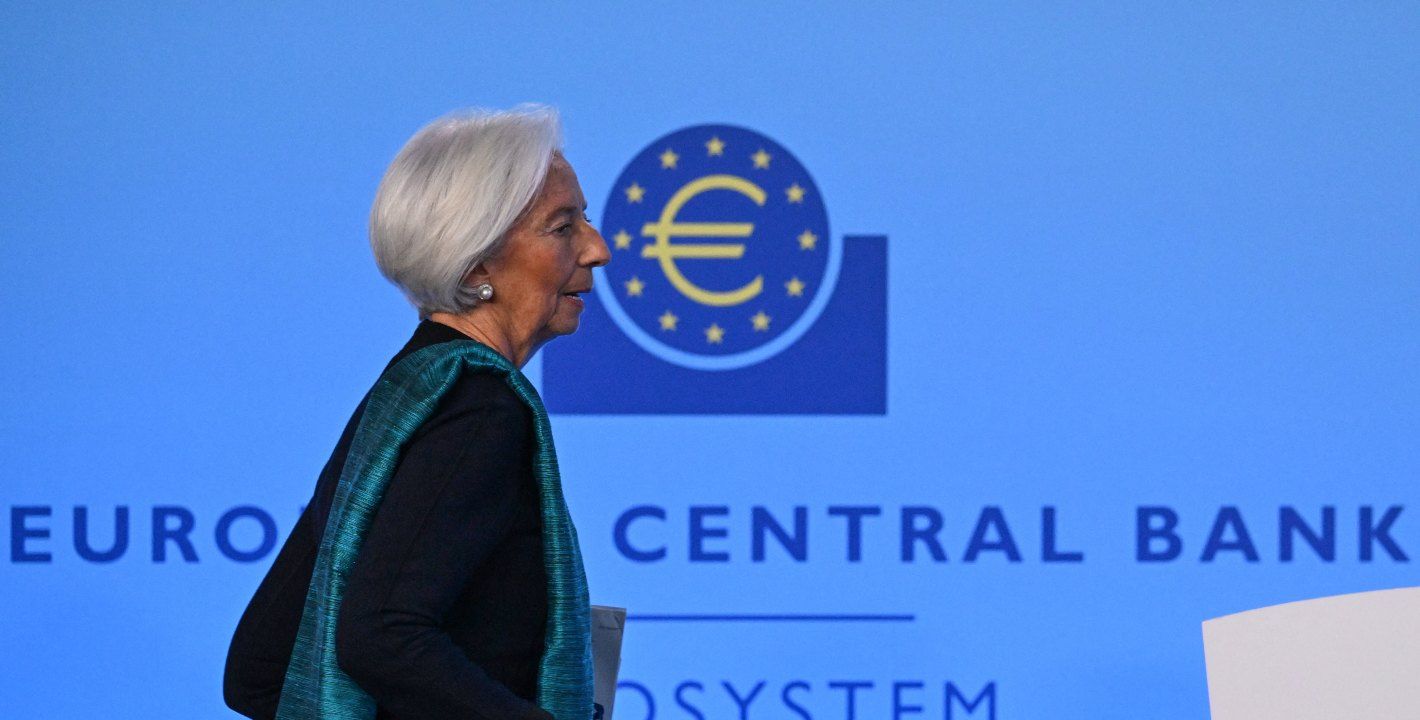
2026 has started in crisis, as the actions of unpredictable leaders shape an increasingly volatile global environment. To shift from crisis response to strategic foresight, what under-the-radar issues should the EU prepare for in the coming year?
Thomas de Waal
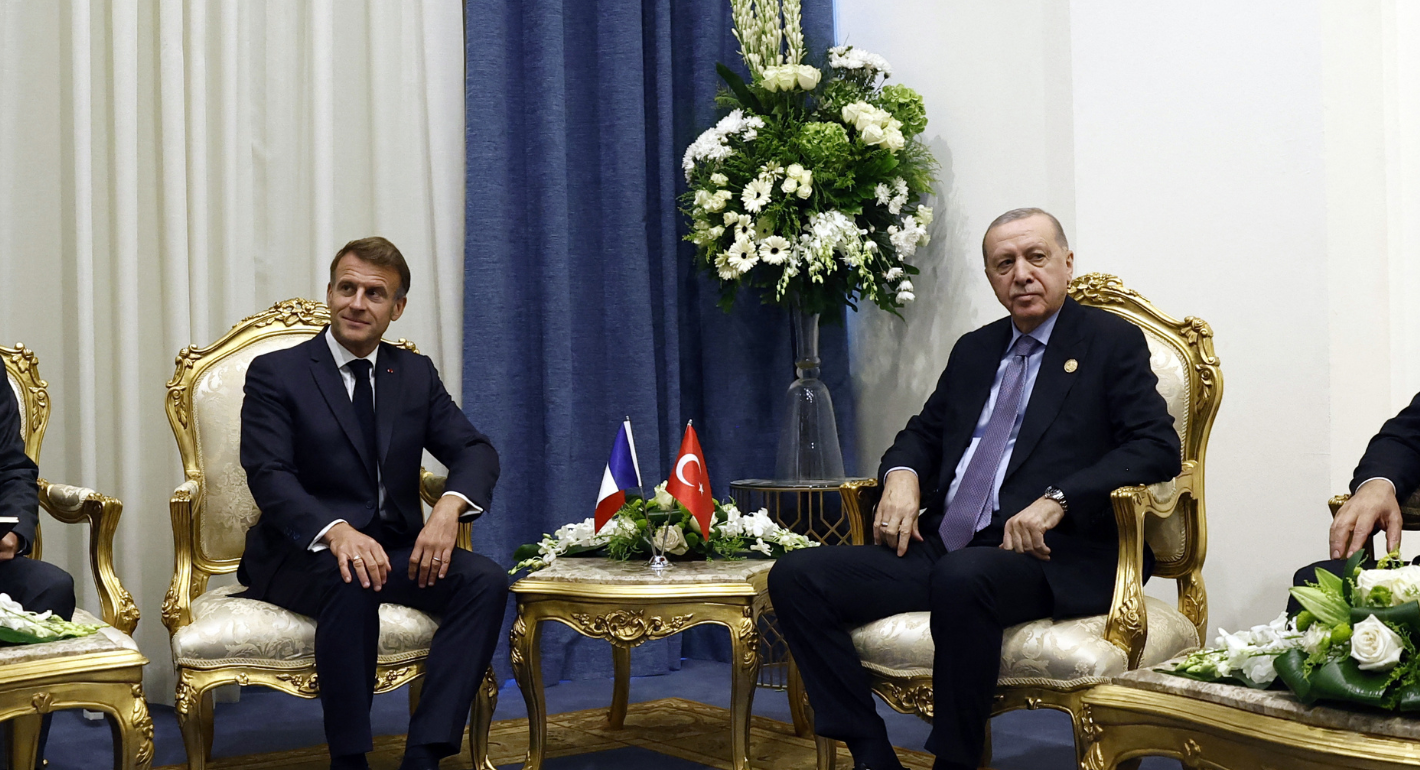
A renewal of relations between France and Turkey is vital to strengthen European strategic autonomy. To make this détente a reality, Paris and Ankara should move beyond personal friction and jointly engage with questions of Black Sea security.
Romain Le Quiniou
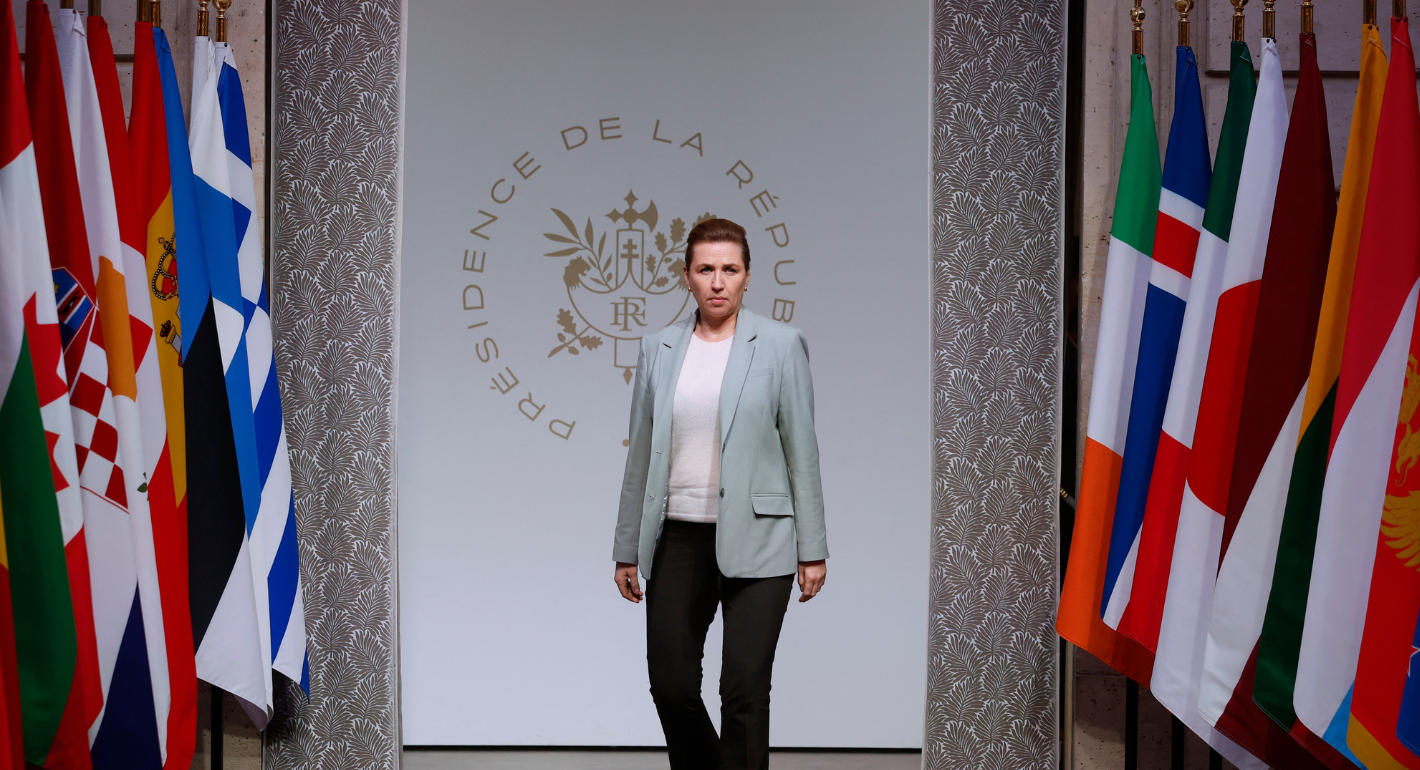
Europe is designing a new model of collective security that no longer relies on the United States. For this effort to succeed, solidarity between member states that have different threat perceptions is vital.

Erik Jones