

Commentary
As European leadership prepares for the sixteenth EU-India Summit, both sides must reckon with trade-offs in order to secure a mutually beneficial Free Trade Agreement.
Dinakar Peri
{
  "authors": [
    "Paul Haenle",
    "Ashley J. Tellis",
    "Han Hua",
    "Vijay Gokhale"
  ],
  "type": "questionAnswer",
  "centerAffiliationAll": "",
  "centers": [
    "Carnegie Endowment for International Peace",
    "Carnegie China"
  ],
  "collections": [
    "Carnegie China Commentaries"
  ],
  "englishNewsletterAll": "",
  "nonEnglishNewsletterAll": "",
  "primaryCenter": "Carnegie China",
  "programAffiliation": "",
  "programs": [],
  "projects": [],
  "regions": [
    "South Asia",
    "India",
    "East Asia",
    "China"
  ],
  "topics": [
    "Foreign Policy"
  ]
}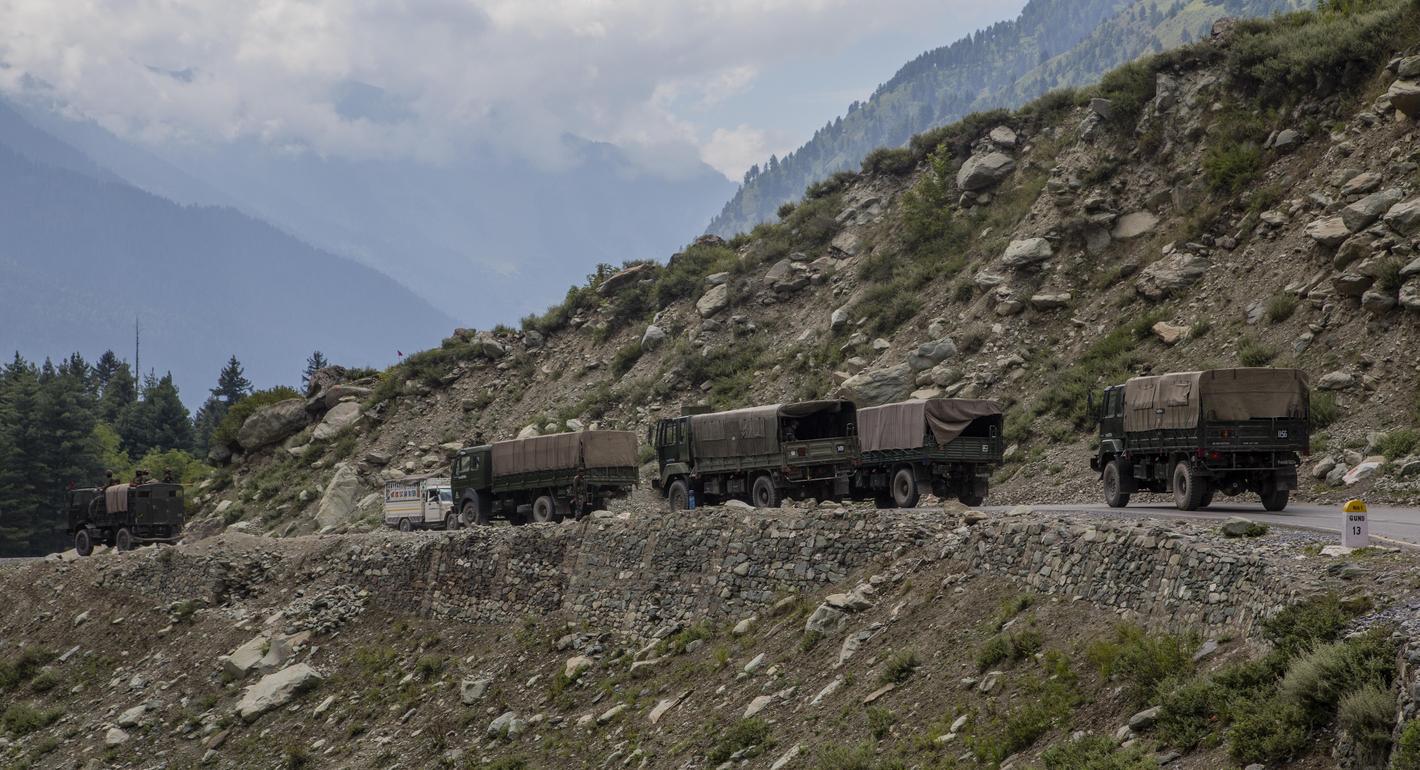
Can China and India disengage from contested territories along the border?
This Q&A has been adapted from a Carnegie live event assessing China-India relations amid ongoing border tensions.
Paul Haenle: In September 2022, China and India reached an agreement to move troops back from key positions along the Line of Actual Control (LAC) near the Gogra-Hot Springs of eastern Ladakh. However, in December, renewed clashes erupted near Tawang in the Arunachal Pradesh region. What is the current state of border negotiations and how can the two sides facilitate broader disengagement along the border?
Ashley Tellis: It is important to step back and see the forces that are at play and why this situation is still extremely fragile. You have a border that runs for many thousands of kilometers and is fundamentally undemarcated. Both sides have claims as to what they believe is their own territory. The blame on this specific issue lies very much with the Chinese because they have refused to exchange maps as was required by the agreements of two decades ago, which would at least help to delineate each side’s claims on a sheet of paper. Delineating claims would not solve the border problem but it would at least identify which territories are contested. Absent this delineation, both sides continue to patrol up to the limits of their own claim lines. And because the claim lines intersect, you get a large number of troops in close proximity to each other.
In the past, patrols would move, acknowledge each other’s existence but have no confrontation, and after a brief period of patrolling, return back to their home bases. What has happened in the last few years is that Chinese patrols have attempted to physically obstruct Indian patrols from moving to the limits of their claim lines. This is what triggered the events in Galwan in May of 2020 and it is essentially what happened a few days ago in Arunachal Pradesh.
The point I want to make is very simple. As long as there is no delineation of claim lines on a map that is commonly shared between the two sides and as long as both sides are patrolling in strength to the limits of their claims lines, you have one of two choices: you either allow the patrolling on either side to go unmolested or you confront the patrols on the other side and then open the door to uncertainty. Unfortunately, what has happened is that the understanding that both sides will allow patrolling unmolested has completely broken down, and now both sides are involved in physically obstructing patrols that attempt to cross what they believe is their territory. This has not changed. This is only going to get worse.
I want to make a second point. Professor Han Hua mentioned that, of the seven disputed pockets in eastern Ladakh, five have resulted in disengagement. But behind the “line of contact,” there are huge numbers of Chinese and Indian military forces in very close proximity to the border. After the crisis of May 2020, the Chinese brought in three to four combined-arms brigades in close proximity to the eastern Ladakh border. The Indians did the same. So there are roughly 50,000 to 60,000 men-at-arms on both sides. This is a recipe for all sorts of trouble. If there is a crisis, large numbers of fully armed forces could enter into confrontation before political actors have a chance to intervene. The situation is quite fraught and we have not seen any fundamental changes in the structural environment which might lead to the kind of optimism Professor Hua has spoken about.
Han Hua: During the commander-level talks, China proposed that both sides withdraw from a certain distance to create a buffer zone so it would not be so easy for the two sides to reignite another clash as was seen in 2020. I assume during the discussion that the Indian side did not agree with this proposal. Ultimately, the problem is not a tactical one; the core issue is the disagreement about the meaning of the status quo. The Indian side insists that we have to go back to the status quo before May 2020. But the Chinese side argues that the Indian side changed the patrol lines and the status quo before May 2020. If we are going to talk about the status quo, then we should talk about the agreement in 1959. That is where the Chinese thinking on the status quo begins.
Vijay Gokhale: I’ll just add one line because it is important. I would like the Chinese side to show proof that we had an agreed Line of Actual Control on November 7, 1959. And if they cannot produce any proof to that point, then we must conclude that there was no agreement on the Line of Actual Control, and that every attempt by the Indian side to build an agreement or a common understanding is faulted because the Chinese side stalled on its promise to exchange maps.
Carnegie does not take institutional positions on public policy issues; the views represented herein are those of the author(s) and do not necessarily reflect the views of Carnegie, its staff, or its trustees.
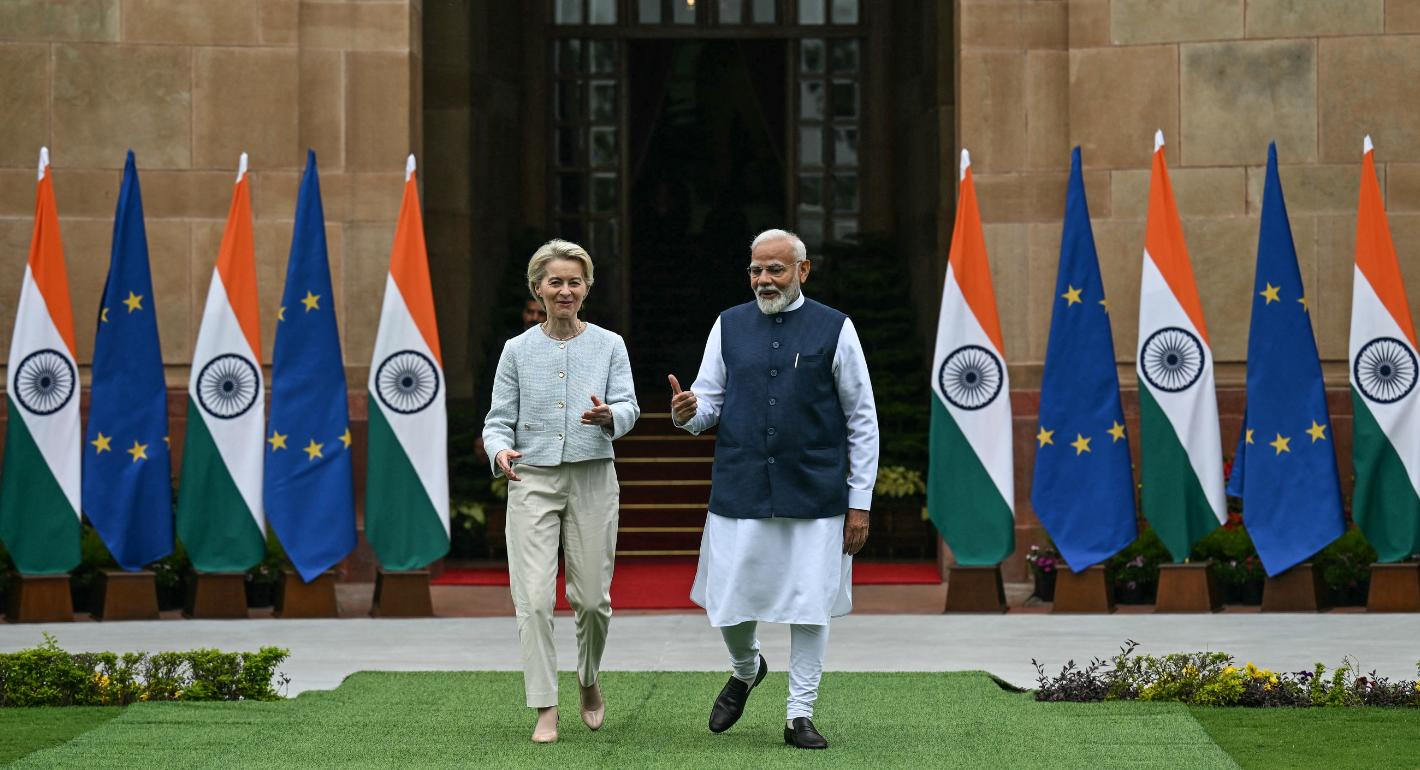
As European leadership prepares for the sixteenth EU-India Summit, both sides must reckon with trade-offs in order to secure a mutually beneficial Free Trade Agreement.

Dinakar Peri
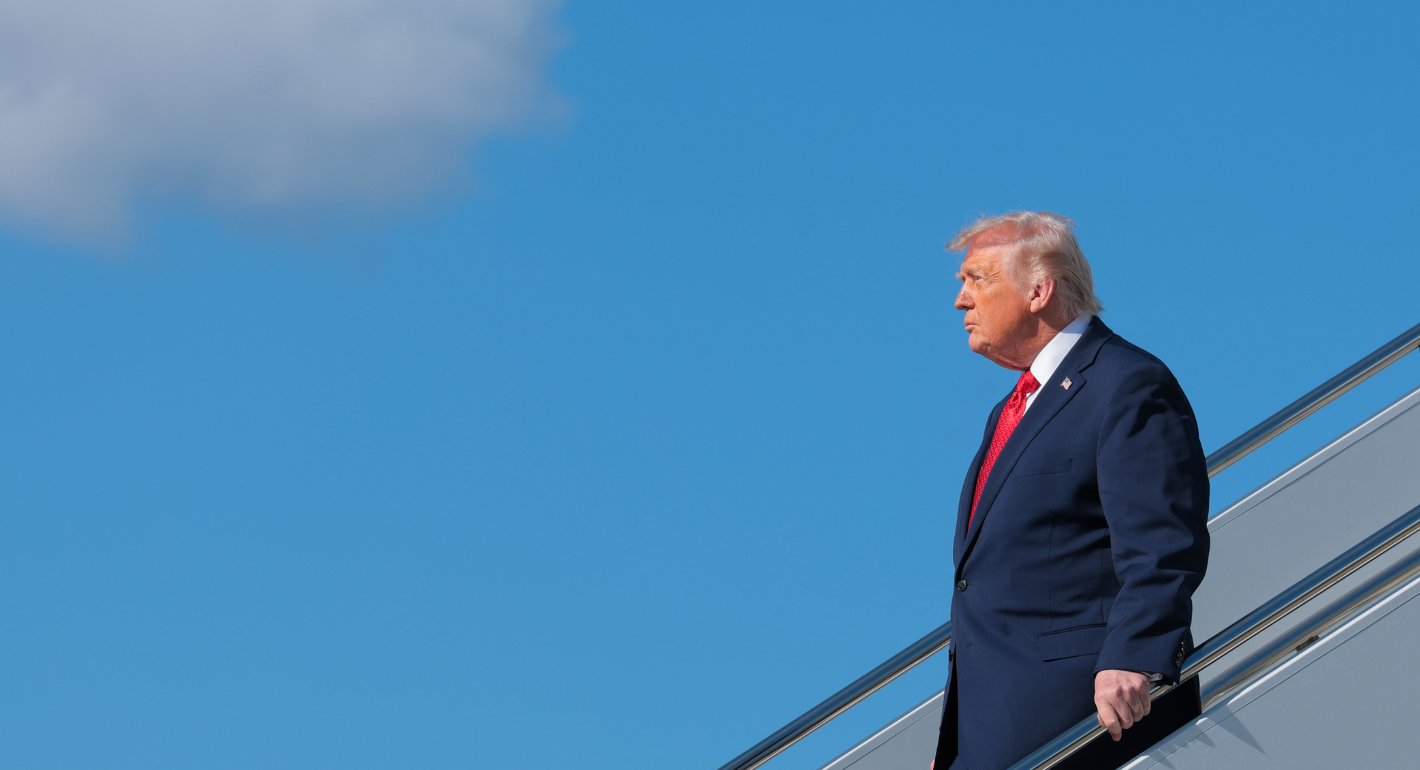
The hyper-personalized new version of global sphere-of-influence politics that Donald Trump wants will fail, as it did for Russia. In the meantime, Europe must still deal with a disruptive former ally determined to break the rules.

Thomas de Waal
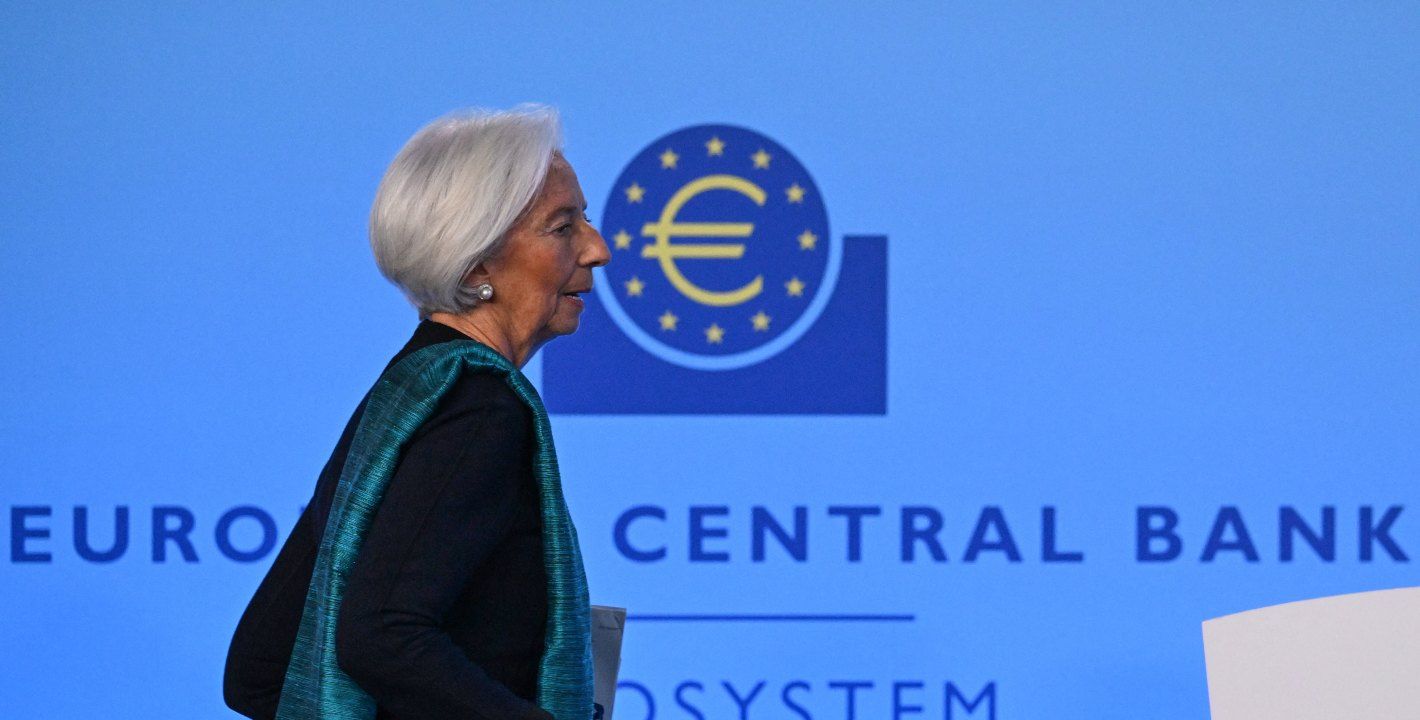
2026 has started in crisis, as the actions of unpredictable leaders shape an increasingly volatile global environment. To shift from crisis response to strategic foresight, what under-the-radar issues should the EU prepare for in the coming year?
Thomas de Waal
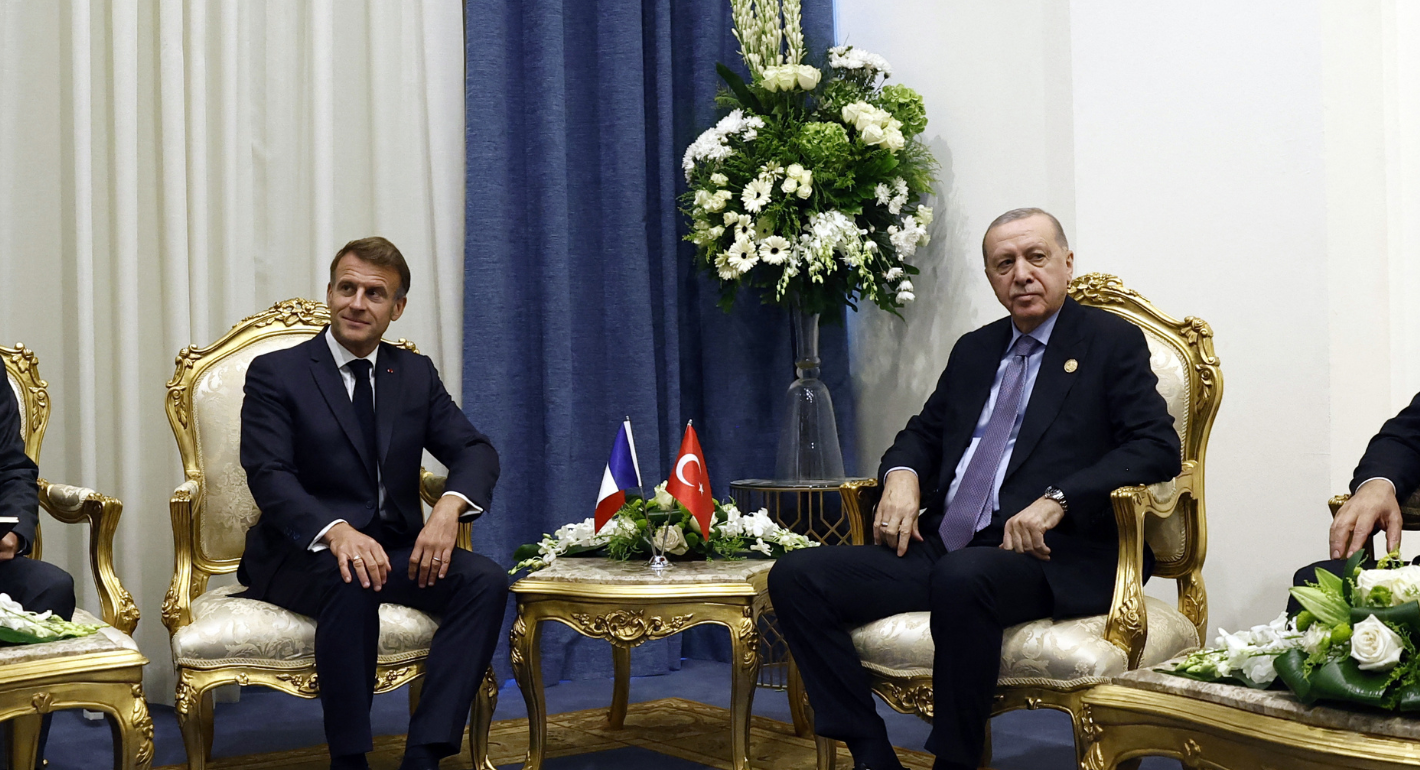
A renewal of relations between France and Turkey is vital to strengthen European strategic autonomy. To make this détente a reality, Paris and Ankara should move beyond personal friction and jointly engage with questions of Black Sea security.

Romain Le Quiniou
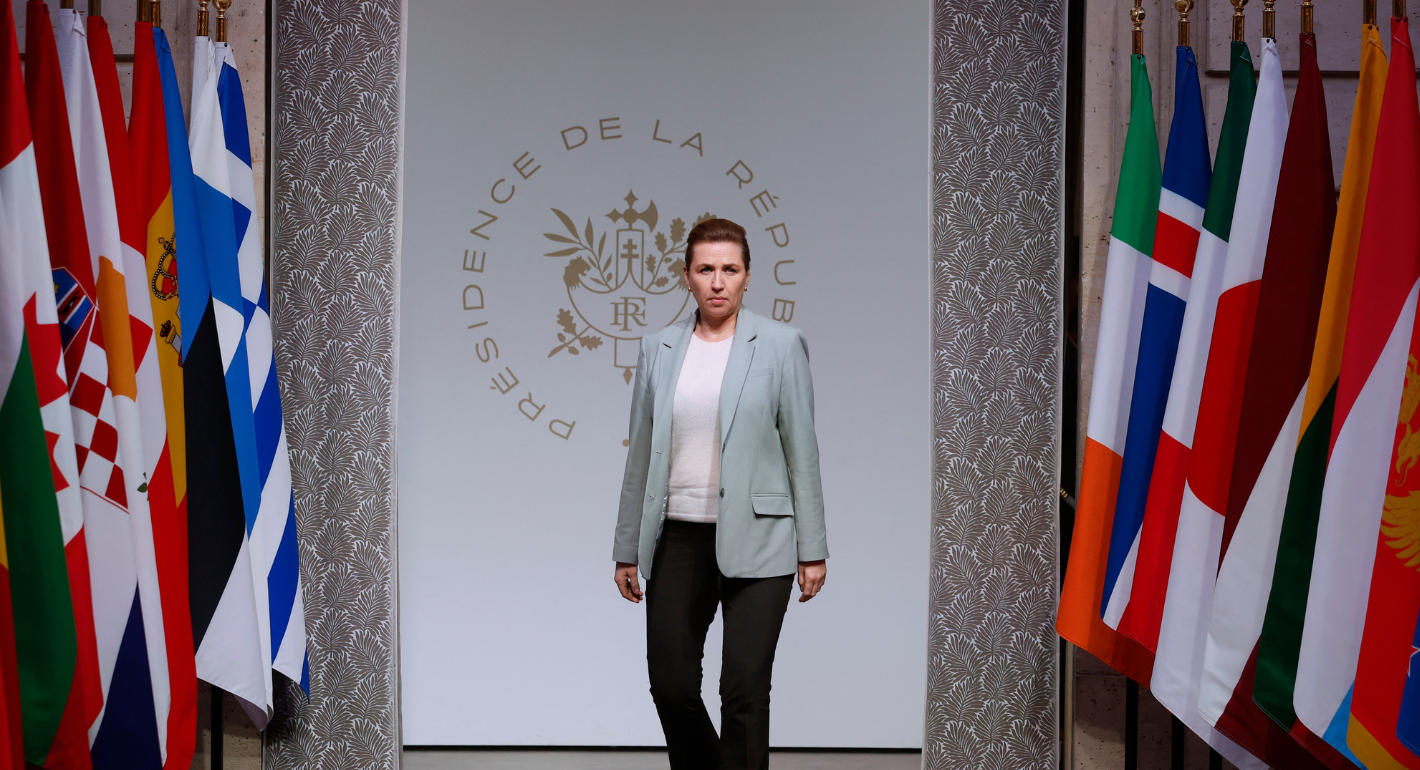
Europe is designing a new model of collective security that no longer relies on the United States. For this effort to succeed, solidarity between member states that have different threat perceptions is vital.

Erik Jones