

Other
- +18
James M. Acton, Saskia Brechenmacher, Cecily Brewer, …
{
  "authors": [
    "James M. Acton"
  ],
  "type": "commentary",
  "centerAffiliationAll": "dc",
  "centers": [
    "Carnegie Endowment for International Peace"
  ],
  "collections": [],
  "englishNewsletterAll": "ctw",
  "nonEnglishNewsletterAll": "",
  "primaryCenter": "Carnegie Endowment for International Peace",
  "programAffiliation": "NPP",
  "programs": [
    "Nuclear Policy"
  ],
  "projects": [],
  "regions": [
    "North America",
    "United States",
    "Western Europe",
    "United Kingdom"
  ],
  "topics": [
    "Security",
    "Military",
    "Nuclear Policy",
    "Nuclear Energy"
  ]
}
Source: Getty
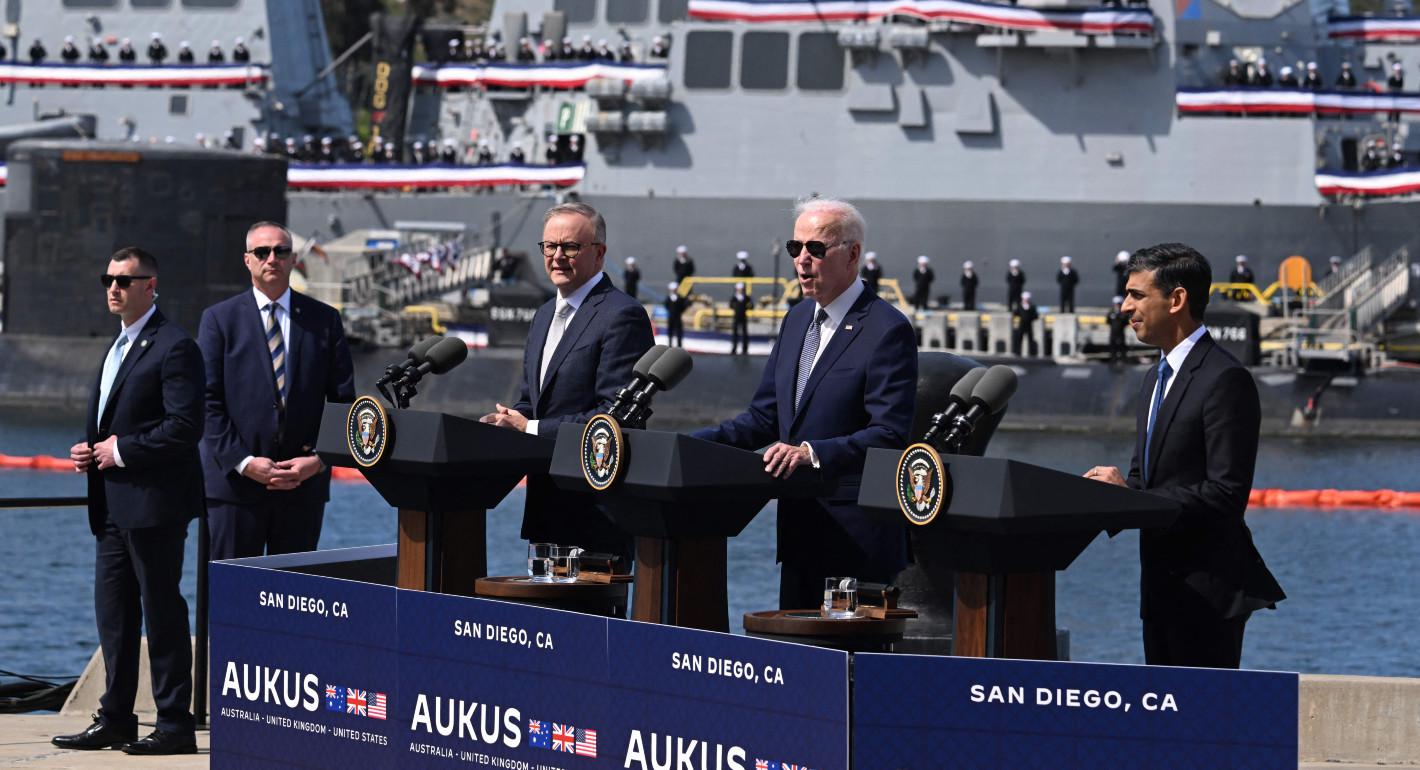
Canberra should push to alleviate itself of the burden of managing spent fuel while enhancing commitments to nonproliferation.
The often repeated claim that the AUKUS submarine initiative is a century-long endeavor deserves an award for understatement.
Australia is due to acquire nuclear-powered submarines though trilateral cooperation with the United Kingdom and the United States and will be responsible for managing the spent nuclear fuel from these vessels. Canberra’s task will be to ensure that this highly radioactive nuclear material remains safe and secure—not for a hundred years, but for hundreds of thousands.
Disposing of spent fuel is difficult, divisive, and expensive. The least bad option is burial deep underground. However, across the world, efforts to build geological repositories have foundered on local opposition. Indeed, no such facility is currently in operation and only one is under construction. Partly as a result, the costs of waste management are highly uncertain, but they will run into the billions of dollars.
The details of the AUKUS initiative will complicate matters further. Australia is due to purchase between three and five Virginia-class submarines from the United States. Washington probably prefers for these submarines to be second-hand (though no decision has yet been taken). In this case, Australia would be responsible for managing radioactive material originally produced by the U.S. Navy—a fact that may stir domestic controversary as Australians ask (quite reasonably) why the United States should not deal with its own waste. Moreover, for nonproliferation reasons, neither the United Kingdom nor the United States will permit Australia to have access to the designs of their naval reactor fuels. Certifying the safety of any repository without this information will pose an unprecedented challenge.
Fortunately, a cheaper way forward will also mitigate the damage to the nonproliferation regime. Australia should approach the United Kingdom and the United States with a mutually beneficial proposal: if you agree to take our spent fuel, we will pay you and strengthen our nonproliferation commitments.
The United States already has more than 250 cores of spent naval reactor fuel. The United Kingdom probably has around ninety. The marginal cost of disposing of a relatively tiny quantity of Australian spent fuel—perhaps ten cores or fewer—alongside their own large stockpiles would be small. Meanwhile, this arrangement would spare Canberra the need to develop an underground repository—a project that would be dominated by the fixed costs incurred before a single fuel bundle is buried. All three states would benefit financially, but for Canberra, the savings would probably be measured in the billions of dollars.
Moreover, the current plan for AUKUS does not embody “the highest standards” for nonproliferation, as the leaders of Australia, the United Kingdom, and the United States promised in 2021. Australia’s retention of spent fuel, from which weapon-grade nuclear material could be extracted, is one significant weakness. Another is that Australia’s commitment not to enrich uranium or reprocess spent fuel applies only in connection with AUKUS, not more generally. (Enrichment and reprocessing can be used to produce fuel for both nuclear reactors and nuclear weapons.)
The concern here is about precedent, not that Australia itself will try to acquire nuclear weapons. Countries ranging from Iran to South Korea may try to proliferate in the future and use naval propulsion programs as cover. Indeed, Australia, the United Kingdom, and the United States all acknowledge that AUKUS will set a significant precedent, but they assert it will be positive. Yet this claim does not stand up to scrutiny. If Russia and Iran announced an essentially identical deal, Canberra, London, and Washington would all decry it on nonproliferation grounds.
To strengthen the precedent, Canberra should offer that Australia will not enrich uranium or reprocess spent fuel for any reason—with one potential caveat—while Australia controls the AUKUS submarines’ fuel, as long as the United Kingdom and the United States commit to take that fuel back as soon as it becomes safe to transport.
Canberra’s resistance to foreclosing the option to enrich or reprocess likely stems from the work of an Australian company, Silex Systems, to develop laser-based enrichment technology. Efforts to commercialize this technology are currently ongoing abroad, but the Australian government may not to want to close the door on repatriating it at some point. If so, Australia could include a caveat in any pledge not to enrich or reprocess: that it reserves the right to commence domestic enrichment efforts if the three AUKUS partners make a joint determination that such efforts would be economically justifiable.
A blanket Australian commitment not to enrich or reprocess may seem unnecessary. After all, existing Australian legislation prohibits the construction of plants for either purpose. However, Australia can change domestic law unilaterally, but it can’t alter an international commitment by itself.
Given that Australia will not face the challenge of managing spent fuel for a few decades, its current generation of political leaders may be tempted to simply ignore the problem (as leaders in many other countries have done). To do so, however, would be to discard a promise to act as a “responsible nuclear steward” and to undertake “early planning” for spent fuel disposal. Moreover, there is clear reason to act soon: U.S. President Joe Biden is personally committed to nonproliferation, and his administration should be receptive to any deal that strengthens it. Meanwhile, Canberra should capitalize on any opportunity to alleviate itself of the burden of managing spent nuclear fuel.

Jessica T. Mathews Chair, Co-director, Nuclear Policy Program
Acton holds the Jessica T. Mathews Chair and is co-director of the Nuclear Policy Program at the Carnegie Endowment for International Peace.
Recent Work


James M. Acton, Saskia Brechenmacher, Cecily Brewer, …
James M. Acton
Carnegie does not take institutional positions on public policy issues; the views represented herein are those of the author(s) and do not necessarily reflect the views of Carnegie, its staff, or its trustees.
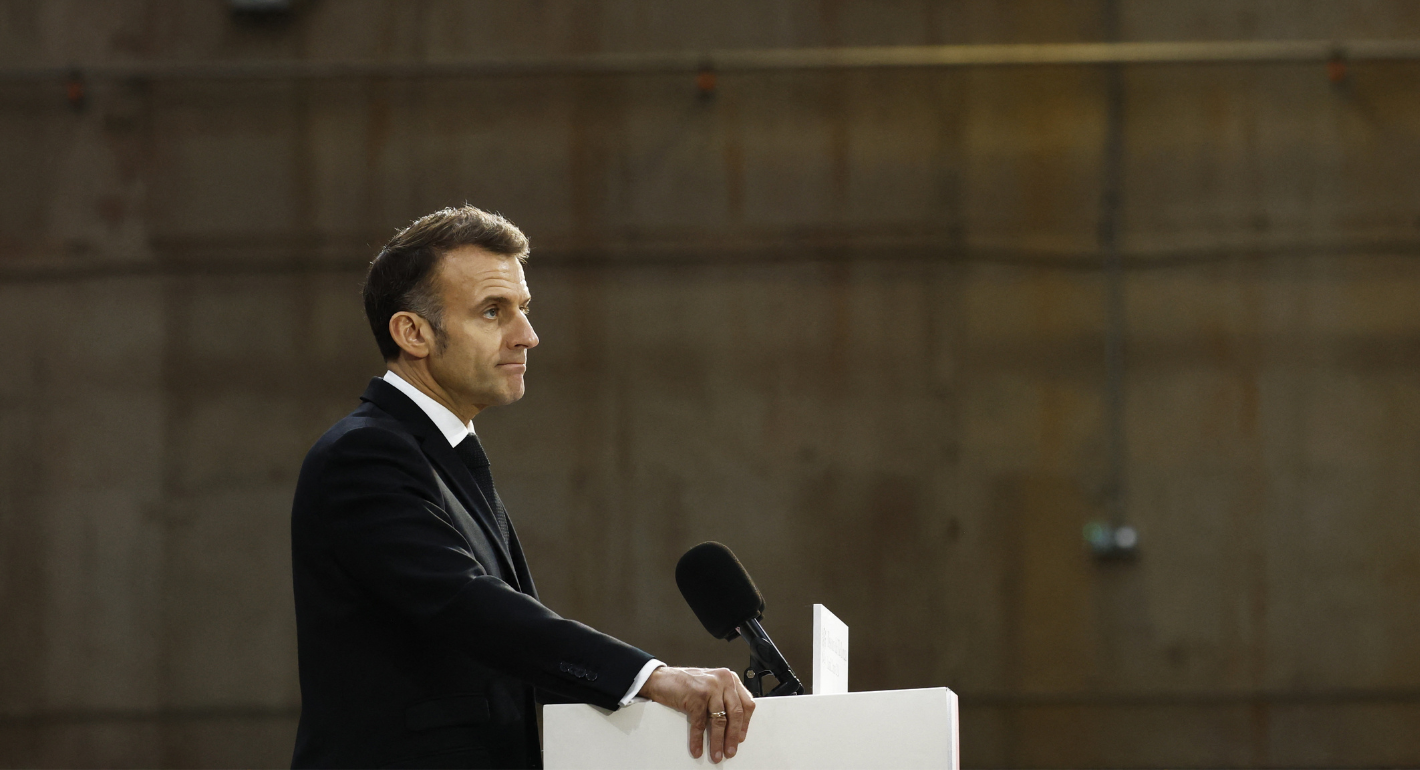
French President Emmanuel Macron has unveiled his country’s new nuclear doctrine. Are the changes he has made enough to reassure France’s European partners in the current geopolitical context?

Rym Momtaz, ed.
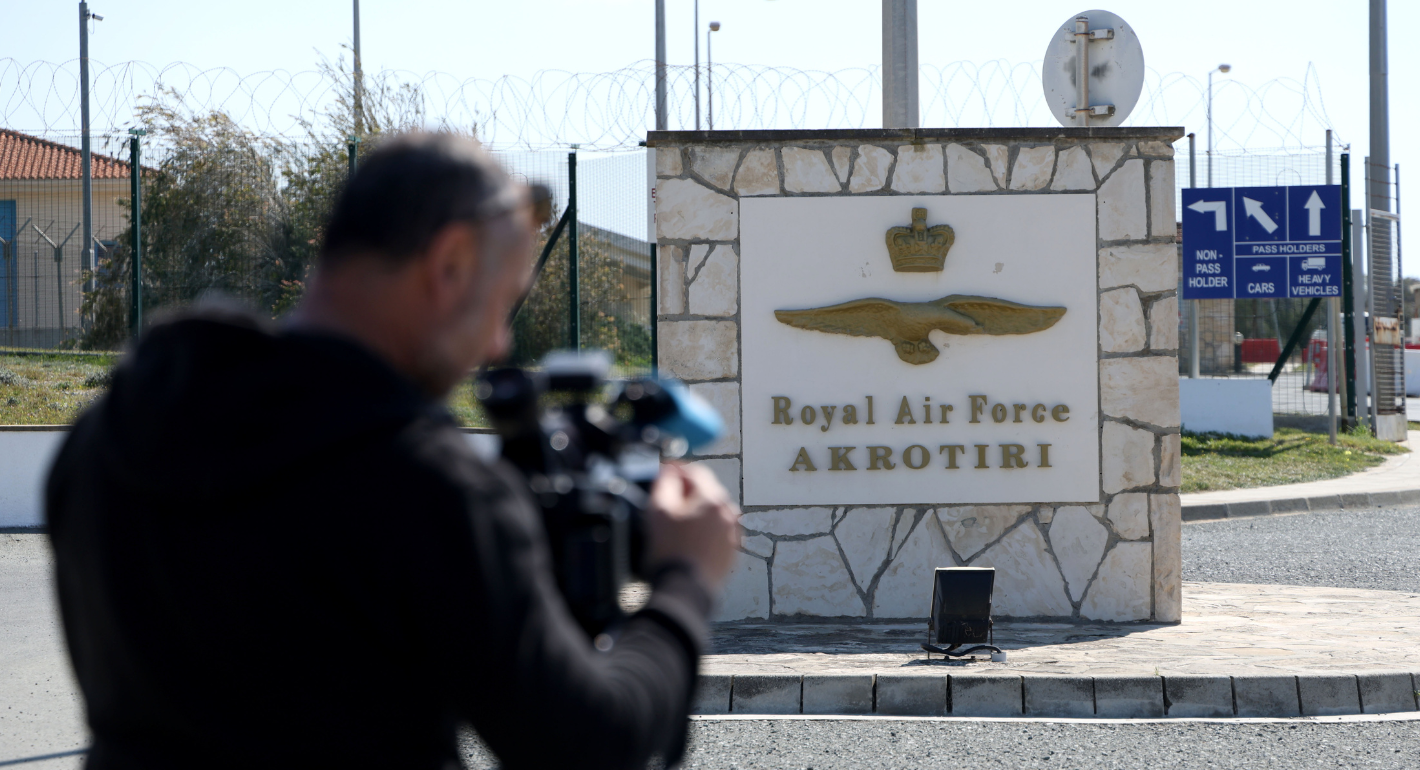
The drone strike on the British air base in Akrotiri brings Europe’s proximity to the conflict in Iran into sharp relief. In the fog of war, old tensions in the Eastern Mediterranean risk being reignited, and regional stakeholders must avoid escalation.

Marc Pierini
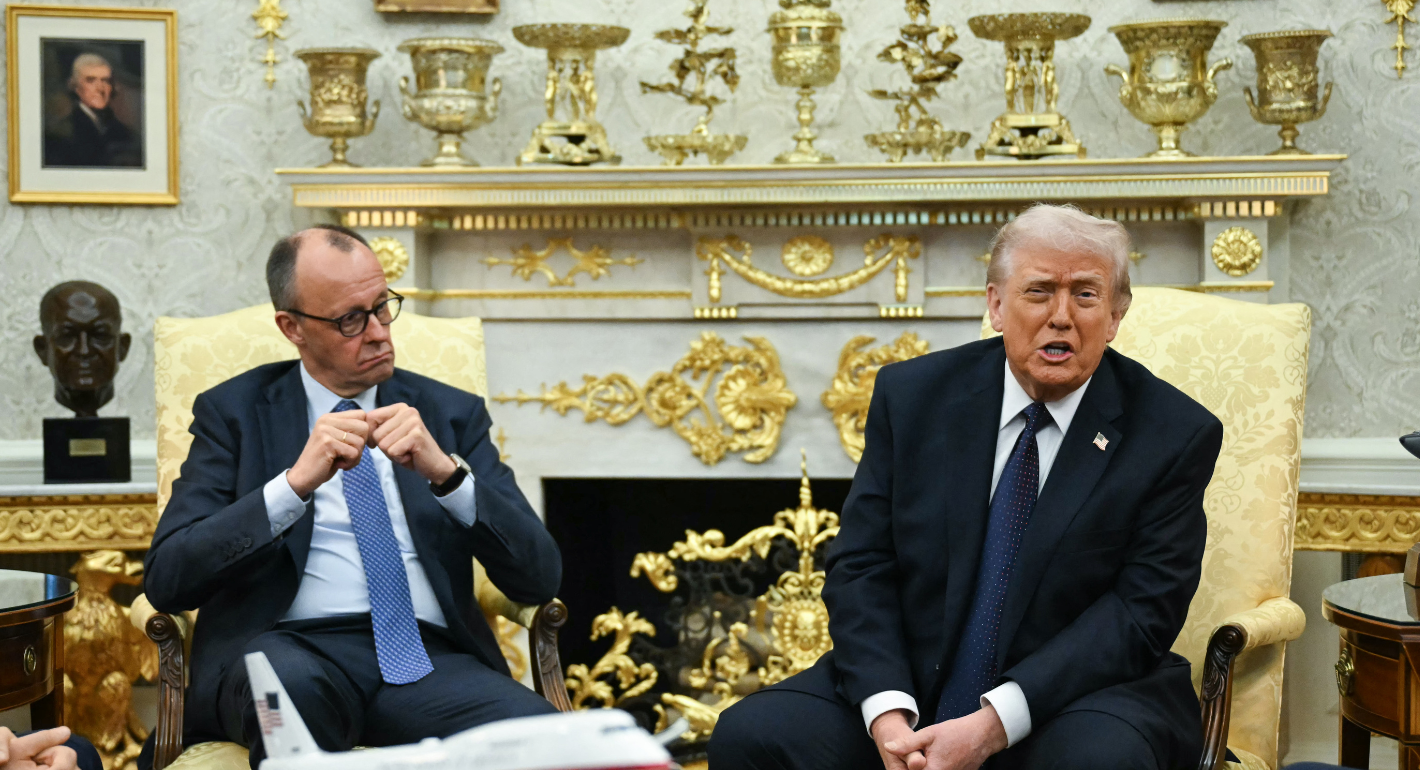
European reactions to the war in Iran have lost sight of wider political dynamics. The EU must position itself for the next phase of the crisis without giving up on its principles.

Richard Youngs
For years, the United States anchored global cyber diplomacy. As Washington rethinks its leadership role, the launch of the UN’s Cyber Global Mechanism may test how allies adjust their engagement.


Patryk Pawlak, Chris Painter
Europe’s reaction to the war in Iran has been disunited and meek, a far cry from its previously leading role in diplomacy with Tehran. To avoid being condemned to the sidelines while escalation continues, Brussels needs to stand up for international law.

Pierre Vimont