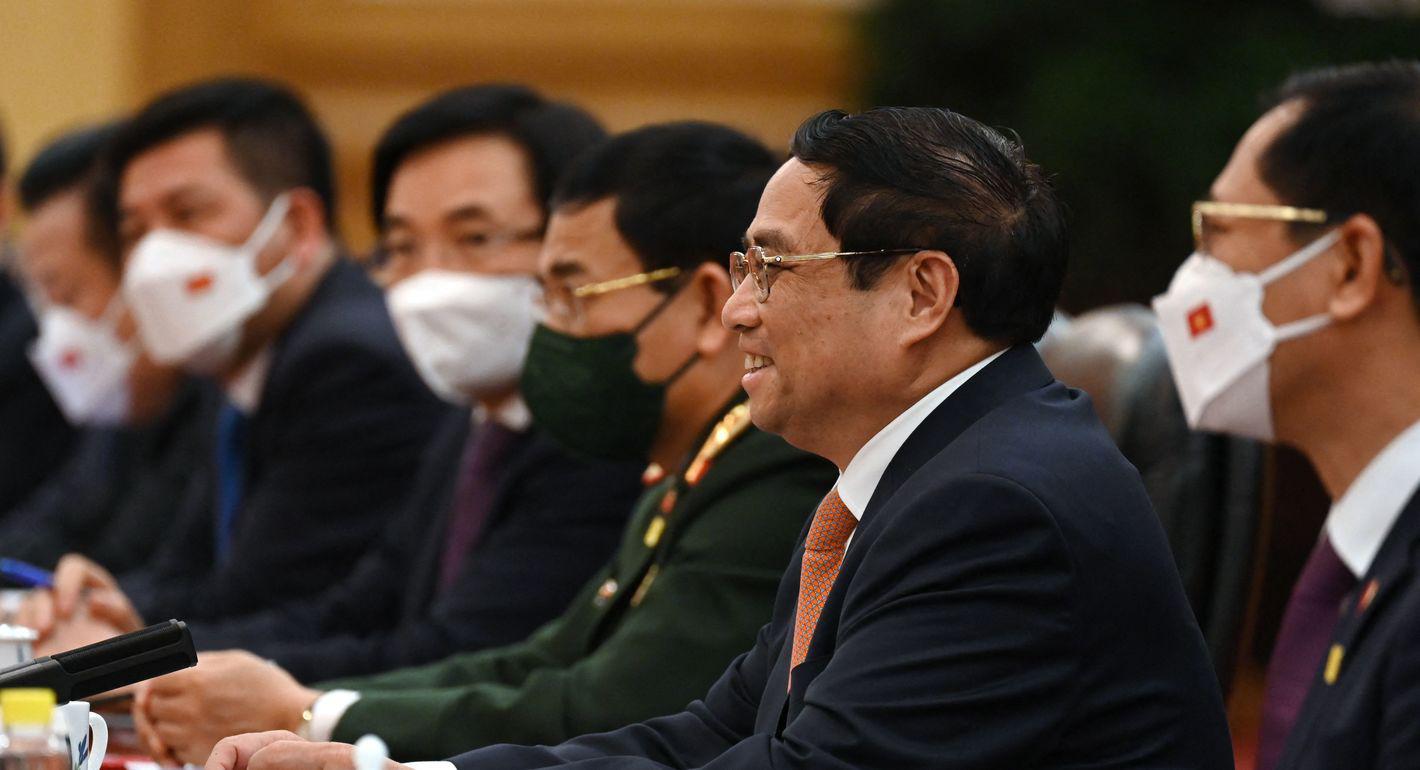
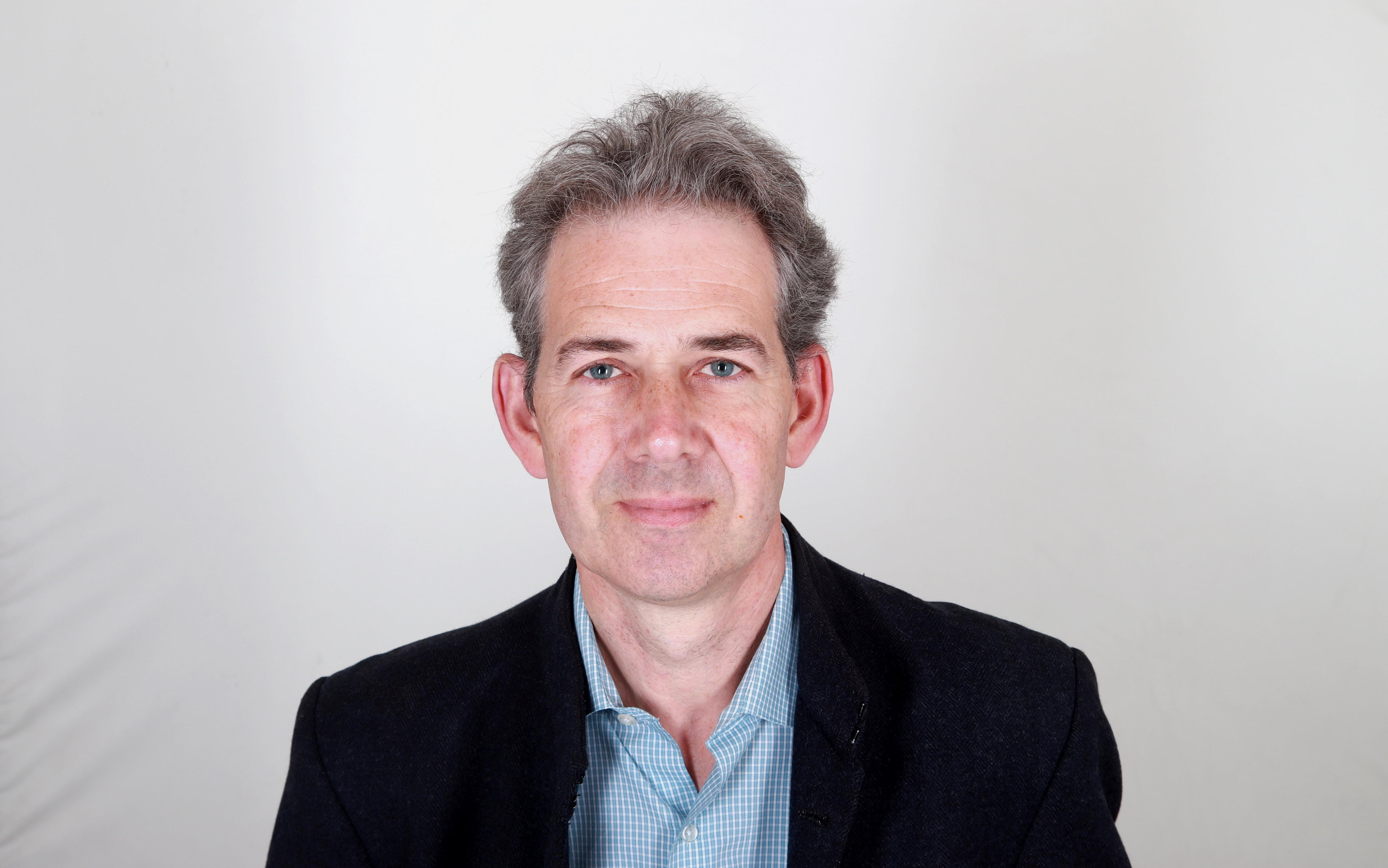
On a recent episode of the China in the Worldpodcast, Paul Haenle spoke with Huong Le Thu, nonresident fellow with the Southeast Asia Program at the Center for Strategic and International Studies, about Vietnam’s views of China’s foreign policy. A portion of their conversation, which has been edited and condensed for clarity, is below.
Paul Haenle: China recently announced three new initiatives: the
Global Security Initiative, the
Global Development Initiative, and the
Global Civilization Initiative. This has been an effort by China to bring its concepts and approaches of solving global security and development challenges to the international stage.
As you know, the U.S. and China each present different narratives about their role in the region. These differences were on display in the two countries’ defense ministers’ speeches at the Shangri-La Dialogue in Singapore last June. How does Vietnam assess these dueling narratives?
Huong Le Thu: I am also interested in the role that the narrative battle plays in great power competition. The regional response to China’s narratives is often more restrained than its response to those of the United States. Relative to criticism of the United States’ vision for a “
Free and Open Indo-Pacific,” you don’t hear as much open criticism of China’s proposals in the Global Civilization, Development, or Security Initiatives. It is unlikely that anyone will come out and say that these are bad ideas or suspicious in any way.
Paul: What explains the difference in how the region is responding to the initiatives of China and the U.S.?
Huong: The narratives play a different role in each great power’s relations with the region.
China is very sensitive to criticism. Southeast Asian countries refrain from doing anything that could be perceived as offending, contradicting, or criticizing China. There is certainly a concern about retaliation or diplomatic pressure. This is learned from experience. It is not just a perception. For example, with the South China Sea issues, China made explicit that it did not want countries to raise it in regional forums and wanted to deal bilaterally with individual claimant countries.
With the U.S., there are different ways to interpret it. First, regional countries do not expect direct retaliation from the United States. Especially with Singapore and other countries, the United States also explicitly requests to hear different views and feedback from the region. For example, the region’s emphasis on ASESN centrality has helped build that into the Biden administration’s narrative. Official U.S. speeches on the Free and Open Indo-Pacific now pay respect to ASESN centrality. So it is a way for the region to influence U.S. policy.
Back to your question about China’s initiatives: there is a certain level of restraint, but there is also a lingering distrust. If you look at the 2023 State of Southeast Asia survey, it shows that many countries are confused by what the Global Security Initiative is, and many others do not have confidence in it. Two-thirds of the Vietnamese respondents have no confidence in [it], whereas only 11 percent have confidence in it. This comes from historical experience. You can’t have too much confidence in the Global Security Initiative—which claims to be working for broader peace, security, and win-win cooperation—when China has militarized artificial islands around the South China Sea. China’s actions on the ground are incompatible with the narratives it is presenting.
To listen to the full episode, use the player below, or subscribe in your favorite podcast app.