• Research
  • Strategic Europe
  • About
  • Experts
Carnegie Europe logoCarnegie lettermark logo
EUUkraine
  • Donate
{
  "authors": [
    "Paul Haenle",
    "Chong Ja Ian"
  ],
  "type": "questionAnswer",
  "centerAffiliationAll": "",
  "centers": [
    "Carnegie Endowment for International Peace",
    "Carnegie China"
  ],
  "collections": [
    "Carnegie China Commentaries"
  ],
  "englishNewsletterAll": "",
  "nonEnglishNewsletterAll": "",
  "primaryCenter": "Carnegie China",
  "programAffiliation": "",
  "programs": [],
  "projects": [],
  "regions": [
    "North America",
    "United States",
    "East Asia",
    "China",
    "Southeast Asia"
  ],
  "topics": []
}
Q&A
Carnegie China

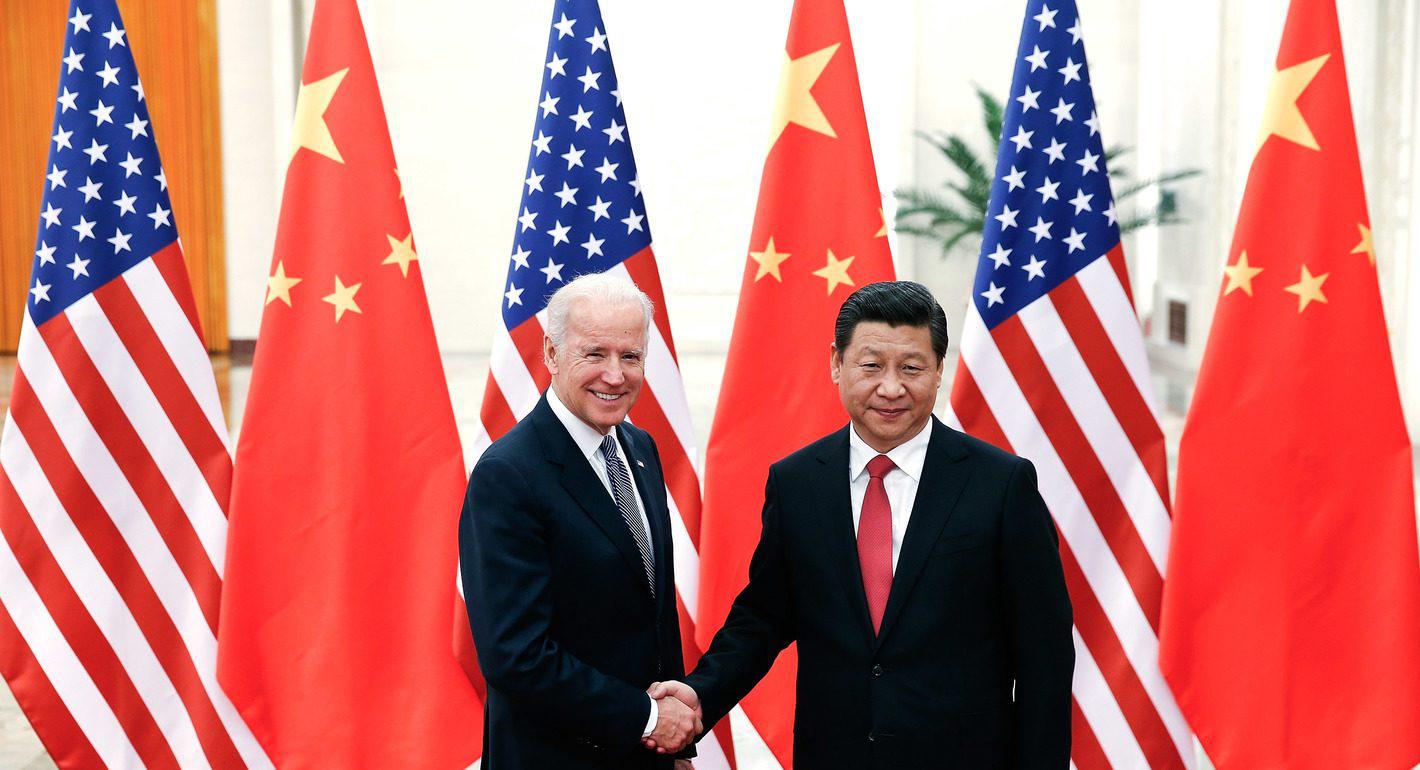
Biden and Xi Meet at APEC

Southeast Asian capitals would prefer that the U.S. and PRC manage their relationship, if not get along.

Link Copied
By Paul Haenle and Chong Ja Ian
Published on Nov 14, 2023

On a recent episode of the China in the Worldpodcast, Paul Haenle spoke with Ian Chong, nonresident fellow at Carnegie China, about Southeast Asian views of the Biden-Xi meeting. A portion of their conversation, which has been edited and condensed for clarity, is below.

Paul Haenle: ASEAN countries have a lot at stake in U.S.-China relations. Southeast Asian countries watch very closely the U.S.-China relationship because it is so consequential to them. The Singapore Prime Minister Lee Hsien Loong said recently, “You need a meeting to head in the right direction, but you don’t expect a meeting to make everything sweetness and light.” What, in your view, would ASEAN countries see as a successful meeting between President Xi and Biden?

Ian Chong: In ASEAN capitals, the Biden-Xi meeting itself does not necessarily signify anything substantial. If you recall, at last year’s G20 meeting, it appeared that Biden and Xi had a very good conversation. However, the subsequent balloon incident led to an immediate downward spiral in bilateral relations.

Southeast Asian capitals would prefer that the U.S. and PRC manage their relationship, if not get along. They will be looking to see if there is real momentum behind the recent economic and political dialogues, and if there will be effort to move forward on military-to-military dialogues. They will also be watching to see how far the PRC side is willing to go in softening its positions on regional security. Before he was removed, General Li Shangfu claimed that there had been an increase in maritime and aerial patrols in and near PRC waters. This, of course, is a matter of dispute. The PRC’s excessive claims put a lot of pressure on Southeast Asian capitals. So they will be watching to see if, as a result of the forward movement in U.S.-China relations, the PRC is willing to dial back its rhetoric and behavior in relation to its excessive regional claims.

To listen to the full episode, use the player below, or subscribe in your favorite podcast app.

Authors

Paul Haenle
Former Maurice R. Greenberg Director’s Chair, Carnegie China
Paul Haenle
Chong Ja Ian
Nonresident Scholar, Carnegie China
Chong Ja Ian
North AmericaUnited StatesEast AsiaChinaSoutheast Asia

Carnegie does not take institutional positions on public policy issues; the views represented herein are those of the author(s) and do not necessarily reflect the views of Carnegie, its staff, or its trustees.

More Work from Carnegie Europe

  • Commentary
    Strategic Europe
    Europe Faces the Gone-Rogue Doctrine

    The hyper-personalized new version of global sphere-of-influence politics that Donald Trump wants will fail, as it did for Russia. In the meantime, Europe must still deal with a disruptive former ally determined to break the rules.

      Thomas de Waal
  • Commentary
    Europe’s American Predicament

    Between Greenland and U.S. interference in Europe’s democracies, transatlantic relations risk rising to an unprecedented level of crisis. Amid continued arguments on how Brussels should react, tough times lie ahead for European leaders.

      Marc Pierini

  • Commentary
    Strategic Europe
    Taking the Pulse: What Issue Is Europe Ignoring at Its Peril in 2026?

    2026 has started in crisis, as the actions of unpredictable leaders shape an increasingly volatile global environment. To shift from crisis response to strategic foresight, what under-the-radar issues should the EU prepare for in the coming year?

      Thomas de Waal

  • Commentary
    Strategic Europe
    Solidarity Is a Must for Europe to Ensure Its Own Security

    Europe is designing a new model of collective security that no longer relies on the United States. For this effort to succeed, solidarity between member states that have different threat perceptions is vital.

      • Erik Jones

      Erik Jones

  • Commentary
    Can Europe Trust the United States Again?

    In Donald Trump’s second term in office, the transatlantic relationship that helped define the postwar European project and global order appears broken. Is it time for Brussels to chart its own path?

      Nathalie Tocci, Jan Techau

Get more news and analysis from
Carnegie Europe
Carnegie Europe logo, white
Rue du Congrès, 151000 Brussels, Belgium
  • Research
  • Strategic Europe
  • About
  • Experts
  • Projects
  • Events
  • Contact
  • Careers
  • Privacy
  • For Media
Get more news and analysis from
Carnegie Europe
© 2026 Carnegie Endowment for International Peace. All rights reserved.