

Commentary
As European leadership prepares for the sixteenth EU-India Summit, both sides must reckon with trade-offs in order to secure a mutually beneficial Free Trade Agreement.
Dinakar Peri
{
  "authors": [
    "Temur Umarov"
  ],
  "type": "commentary",
  "centerAffiliationAll": "",
  "centers": [
    "Carnegie Endowment for International Peace",
    "Carnegie China"
  ],
  "collections": [
    "Carnegie China Commentaries"
  ],
  "englishNewsletterAll": "",
  "nonEnglishNewsletterAll": "",
  "primaryCenter": "Carnegie China",
  "programAffiliation": "",
  "programs": [],
  "projects": [],
  "regions": [
    "China",
    "Kazakhstan",
    "Tajikistan",
    "Russia"
  ],
  "topics": [
    "Foreign Policy"
  ]
}
China’s growing attention to Central Asia is perceived as a harbinger of tectonic shifts in regional geopolitics.
This publication is a product of Carnegie China. For more work by Carnegie China, click here.
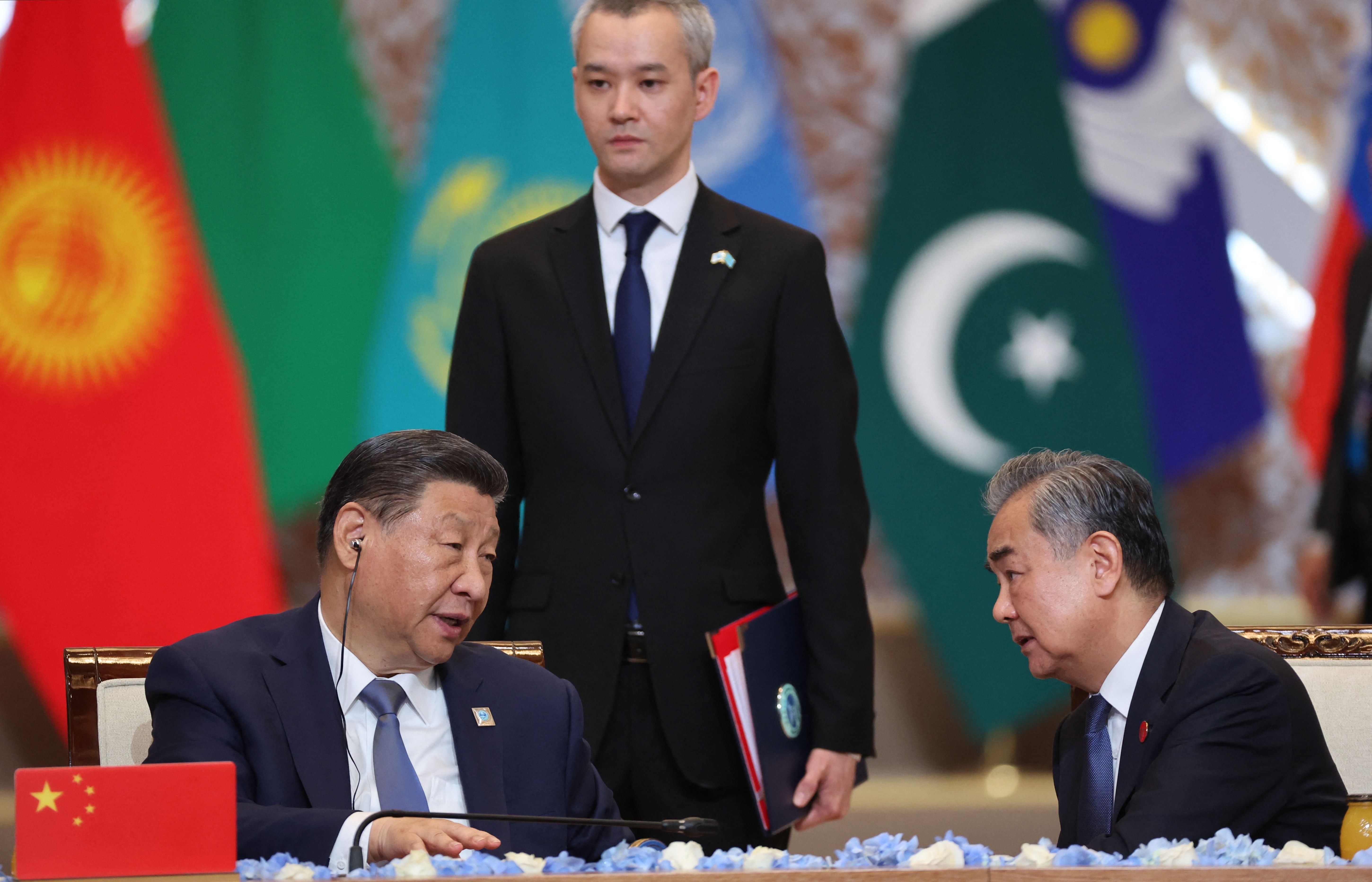
On July 3, Chinese President Xi Jinping visited Kazakhstan for the fifth time since assuming power in 2012. That visit puts Kazakhstan on par with the United States and France in terms of the frequency of Xi’s visits. The only country he has visited more frequently is Russia (nine times).
Following his state visit to Kazakhstan and participation in the 24th summit of the Shanghai Cooperation Organization (SCO), Xi travelled to another Central Asian state: Tajikistan. That visit to Dushanbe marks the first time the Chinese leader has visited the country without participating in a multilateral event. Xi combined his previous trips to Tajikistan with the SCO summit in 2014 and the Conference on Interaction and Confidence-Building Measures in Asia in 2019.
Considering that since the end of the global COVID pandemic, Xi has been selective in his foreign visits, this mini tour of Central Asia by the Chinese leader signals the region’s importance in Beijing’s foreign policy priorities in the coming years.
Kazakhstan and Tajikistan hold unique significance for Beijing in Central Asia. While Kazakhstan serves as the main economic partner, attracting the largest share of Chinese investment in the region and functioning as the primary transit hub between China and Europe, Tajikistan plays a crucial role as Beijing’s key security partner in the area.
The increased attention on China in Central Asia is underscored by the fact that the region’s traditional dominant power—Russia—is struggling to maintain its appeal and is itself increasingly becoming dependent on Beijing.
Against this backdrop, China’s growing attention to Central Asia is perceived as a harbinger of tectonic shifts in regional geopolitics. Last year’s grandiose inaugural China-Central Asia Summit in Xi’an is often cited as evidence that China is supplanting Russia in the region. Similarly, Xi Jinping’s statement affirming support for Kazakhstan’s sovereignty and territorial integrity is seen as further confirmation of Beijing’s commitments.
For those seeking empirical proof of changing power dynamics in Central Asia, trade data provides compelling insights. Over the past two years, China has surged ahead of Russia. Trade turnover between China and the five Central Asian nations surpassed $70 billion in 2022 (compared to $42 billion with Russia). By 2023, trade turnover with China was more than double what it was with Russia, reaching $90 billion.
However, the reality on the ground remains nuanced.
Firstly, Beijing’s statements of support for sovereignty and territorial integrity do not necessarily translate into China assuming greater responsibility as a new security guarantor for the region’s states. To illustrate how Beijing’s declarations often have limited impact in the real world, consider China’s stance regarding the war in Ukraine. While officially supporting Ukraine’s territorial integrity, China simultaneously maintains close ties with Russia and even supports the Kremlin’s military capabilities.
Secondly, even prior to the conflict in Ukraine, China’s economic positions in Central Asia were more dynamic and visible than Russia’s. Consequently, it comes as no surprise that the recovery from the COVID-induced economic downturn has been particularly robust in China’s partnership with Central Asia.
Furthermore, the war in Ukraine and the sanctions imposed on Russia over its aggression have inadvertently led to increased trade between Beijing and Central Asia. The region now serves as a reexport hub for products destined for Russia, allowing some countries to avoid direct exports and potential secondary sanctions.
In fact, the dynamics between China and Central Asia represent a continuation of trends that have unfolded over the past few decades. Crucially, it is the Central Asian states themselves that are seeking to diversify their foreign policy engagements. Rather than choosing between Russia and China, they recognize the value of having both powers actively involved in the region. Furthermore, Central Asia is fostering internal cooperation and forging partnerships with various non-regional players, from Japan and South Korea to Gulf countries and Türkiye.
China, too, remains committed to longstanding goals in the region. Beijing views Kazakhstan as its primary economic partner in Central Asia, with approximately half of China’s trade and investment directed toward Kazakhstan. The transit opportunities that have arisen since Russia’s invasion further align with China’s economic interests there.
As for Tajikistan, Beijing’s primary concern is security. Since Xi’s last visit to Dushanbe in 2019, there are certain adjustments that need to be discussed. Importantly, following the U.S. withdrawal from Afghanistan, Tajikistan’s role as a security buffer zone has become even more significant. Additionally, this visit may mark the last time Xi meets with Tajikistan’s long-serving president, Emomali Rahmon, in his homeland. Given that the Tajik political regime is preparing for a transition of power from father to son, it’s an opportune moment to become better acquainted with the successor.
All of this begs the question: What does Russia think about Xi’s visit to Central Asia? Those seeking signs of a simmering conflict between Moscow and Beijing may find them in misguided assumptions about their overlapping interests in the region.
However, what often goes unnoticed is the level of coordination that China and Russia are actively pursuing in Central Asia. For three consecutive years, joint statements signed during bilateral summits between the Chinese and Russian leaders have emphasized cooperation and joint efforts in countering the “import of color revolutions” (referring to Western influence).
While authoritarian Central Asian states may also have concerns about hidden Western involvement in local social issues, the very public discussions between Moscow and Beijing regarding the fate of the region’s independent states do not necessarily sit well with local leadership. Perhaps for this reason, Russian President Vladimir Putin, following his recent trip to China, reached out to the presidents of Kazakhstan and Uzbekistan to inform them about the visit.
Carnegie does not take institutional positions on public policy issues; the views represented herein are those of the author(s) and do not necessarily reflect the views of Carnegie, its staff, or its trustees.
As European leadership prepares for the sixteenth EU-India Summit, both sides must reckon with trade-offs in order to secure a mutually beneficial Free Trade Agreement.

Dinakar Peri
The hyper-personalized new version of global sphere-of-influence politics that Donald Trump wants will fail, as it did for Russia. In the meantime, Europe must still deal with a disruptive former ally determined to break the rules.

Thomas de Waal
2026 has started in crisis, as the actions of unpredictable leaders shape an increasingly volatile global environment. To shift from crisis response to strategic foresight, what under-the-radar issues should the EU prepare for in the coming year?
Thomas de Waal
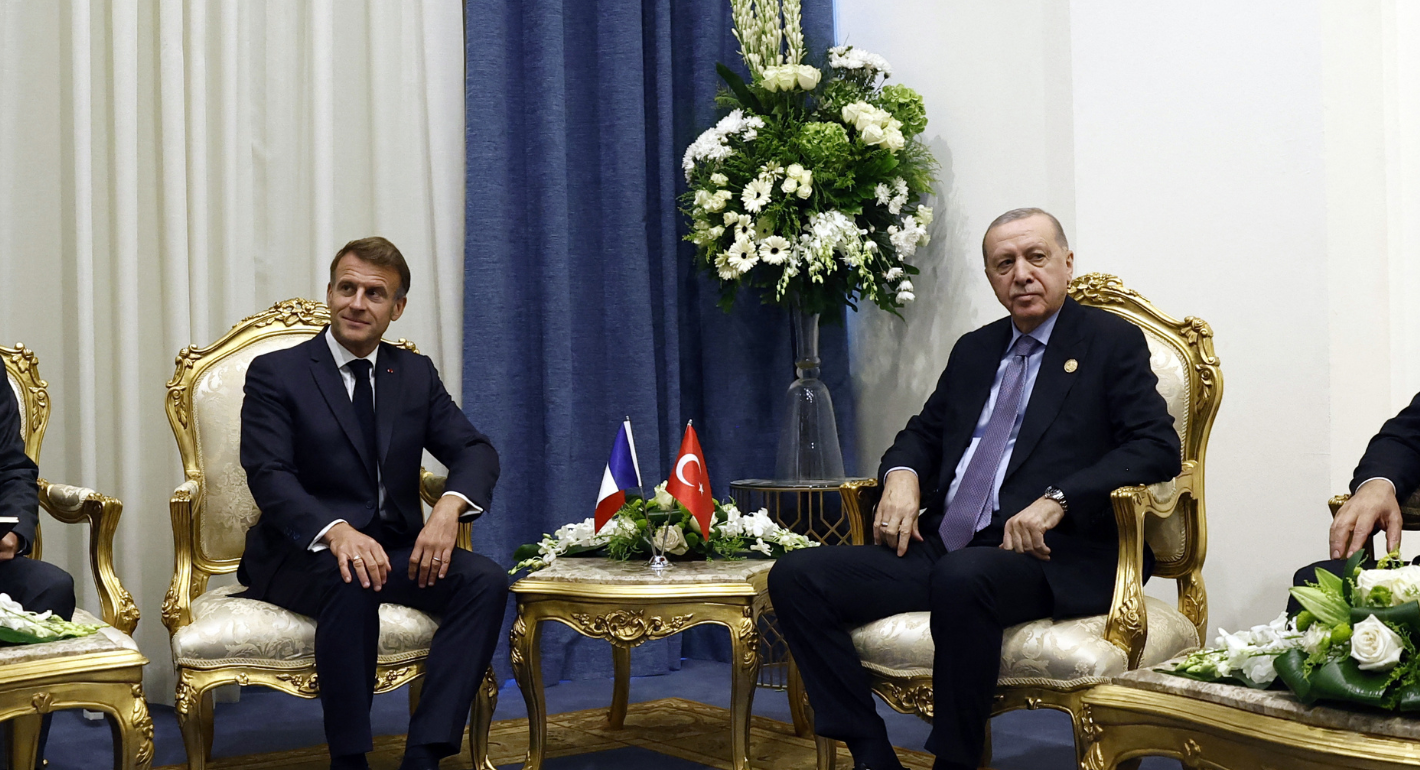
A renewal of relations between France and Turkey is vital to strengthen European strategic autonomy. To make this détente a reality, Paris and Ankara should move beyond personal friction and jointly engage with questions of Black Sea security.

Romain Le Quiniou
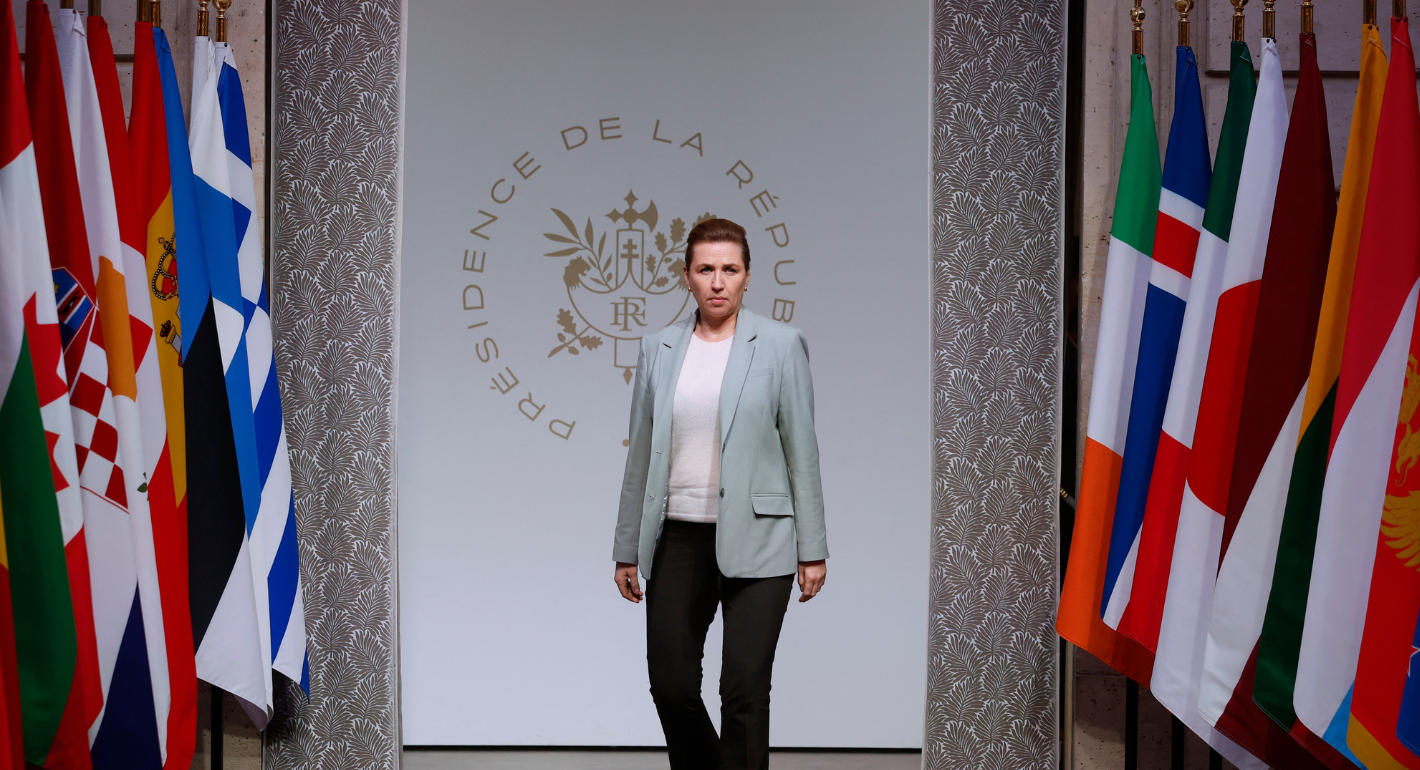
Europe is designing a new model of collective security that no longer relies on the United States. For this effort to succeed, solidarity between member states that have different threat perceptions is vital.

Erik Jones