

Commentary
As European leadership prepares for the sixteenth EU-India Summit, both sides must reckon with trade-offs in order to secure a mutually beneficial Free Trade Agreement.
Dinakar Peri
{
  "authors": [
    "Konark Bhandari"
  ],
  "type": "commentary",
  "centerAffiliationAll": "",
  "centers": [
    "Carnegie Endowment for International Peace",
    "Carnegie India"
  ],
  "englishNewsletterAll": "",
  "nonEnglishNewsletterAll": "",
  "primaryCenter": "Carnegie India",
  "programAffiliation": "",
  "programs": [],
  "projects": [
    "Technology and Society"
  ],
  "regions": [
    "India"
  ],
  "topics": [
    "Military",
    "Technology"
  ]
}
In August 2024, the U.S. Department of Defense (DoD) entered into a Security of Supply Arrangement (SOSA) with the Indian Ministry of Defence (MoD). This commentary attempts to highlight the issues that arise in the wake of the arrangement.
In August 2024, the U.S. Department of Defense (DoD) entered into a Security of Supply Arrangement (SOSA) with the Indian Ministry of Defence (MoD). The SOSA is a significant milestone in the defense partnership between India and the United States since it would allow both the countries to request each other for priority delivery of certain defense items. These include “materials, services and facilities” that include raw, in-process, or manufactured supply, equipment, component, or part. However, besides this official purpose of enabling both the countries to acquire industrial resources from each other in the face of supply chain disruptions, there is a lack of clarity as to why the arrangement was signed now and its other advantages. This commentary attempts to highlight the issues that arise in the wake of the arrangement.
The SOSA allows both the United States and India to request each other for priority delivery of certain defense items. Both the countries will provide each other assurances in this regard through different mechanisms. While the United States already has a Defense Priorities and Allocations System (DPAS) program under which it provides prioritization of the performance of certain contracts, India has agreed under the SOSA to establish a Code of Conduct where Indian firms will agree to make reasonable effort to provide the requested item. Essentially, the Code of Conduct will ensure prioritization of requests made under the SOSA. Similarly, the DPAS will provide priority to the performance of contracts for the provision of defense items requested by India.
The SOSA is non-binding, which means that the firms under the Code of Conduct or DPAS do not necessarily have to fulfil the request, especially if they have other commitments. However, each of the SOSAs entered into by the DoD provides that if a company refuses to provide priority support, then the partner country will investigate the circumstances surrounding the refusal to do so. Similarly, the DoD, upon a request on the part of India, would endeavor to ensure that the performance of contracts requested by the MoD are given priority under the DPAS.
It was known for some time that the United States and India were negotiating a SOSA, with the arrangement close to being finalized at the Fifth Annual India–U.S. 2+2 Ministerial Dialogue in December 2024. It appears that the SOSA was signed to propel the Major Defense Partner (MDP) status provided to India in 2016. Indeed, the sides highlighted it as a “pivotal moment” in the MDP relationship they share. However, the rationale for entering into a SOSA may have been more recent—eight SOSAs have been signed in the last one year alone, and India is the eighteenth country to enter into one with the United States. The earlier SOSAs were negotiated with Western European countries and were related to the deployment of their militaries during the wars in Iraq and Afghanistan. These militaries relied on the United States’ defense equipment and needed to ensure the timely supply of spare parts. Accordingly, SOSAs were signed by the DoD with them.
However, the recent spate of SOSAs, especially since 2023, highlight the need for a resilient supply chain. For instance, the United States’ defense industrial base has been under strain when it comes to serving its own needs. There have been an increasing number of calls for the American military to make reforms, especially as they relate to procurement processes and diversifying its base of suppliers. To its credit, the DoD has moved swiftly, initiating new programs that have compressed timelines for securing new and emerging technologies. It has also moved to liberalize export controls when it comes to the transfer of high-tech defense items among certain countries. However, it is felt that more could be done. This may have prompted the United States to consider entering into a flurry of SOSAs with certain countries recently.
The United States has signed SOSAs with eighteen countries. The provisions of all of them were reviewed, barring the ones with Singapore and India, which are not public yet. The following are the advantages that appear to stem from these agreements.
India and the United States have made significant strides in their defense partnership over the years. The recent signing of the SOSA could even have positive spillover effects on the INDUS-X as a SOSA Code of Conduct will likely be more expansive in scope of the empaneled companies compared to the companies that are involved in the INDUS-X challenges. However, as discussed, clarity would be required on the aforementioned issues if the most is to be made out of the U.S.–India SOSA. For now, it is a welcome step in the trajectory of U.S.–India defense relations.
Carnegie does not take institutional positions on public policy issues; the views represented herein are those of the author(s) and do not necessarily reflect the views of Carnegie, its staff, or its trustees.
As European leadership prepares for the sixteenth EU-India Summit, both sides must reckon with trade-offs in order to secure a mutually beneficial Free Trade Agreement.

Dinakar Peri
In Donald Trump’s second term in office, the transatlantic relationship that helped define the postwar European project and global order appears broken. Is it time for Brussels to chart its own path?


Nathalie Tocci, Jan Techau
Beset by an increasingly hostile United States, internal divisions, and the threat of Russian aggression, the EU finds itself in a make-or-break moment. U.S. President Donald Trump calls it a decaying group of nations headed by weak leaders. Is Europe able to prove him wrong?

Thomas de Waal
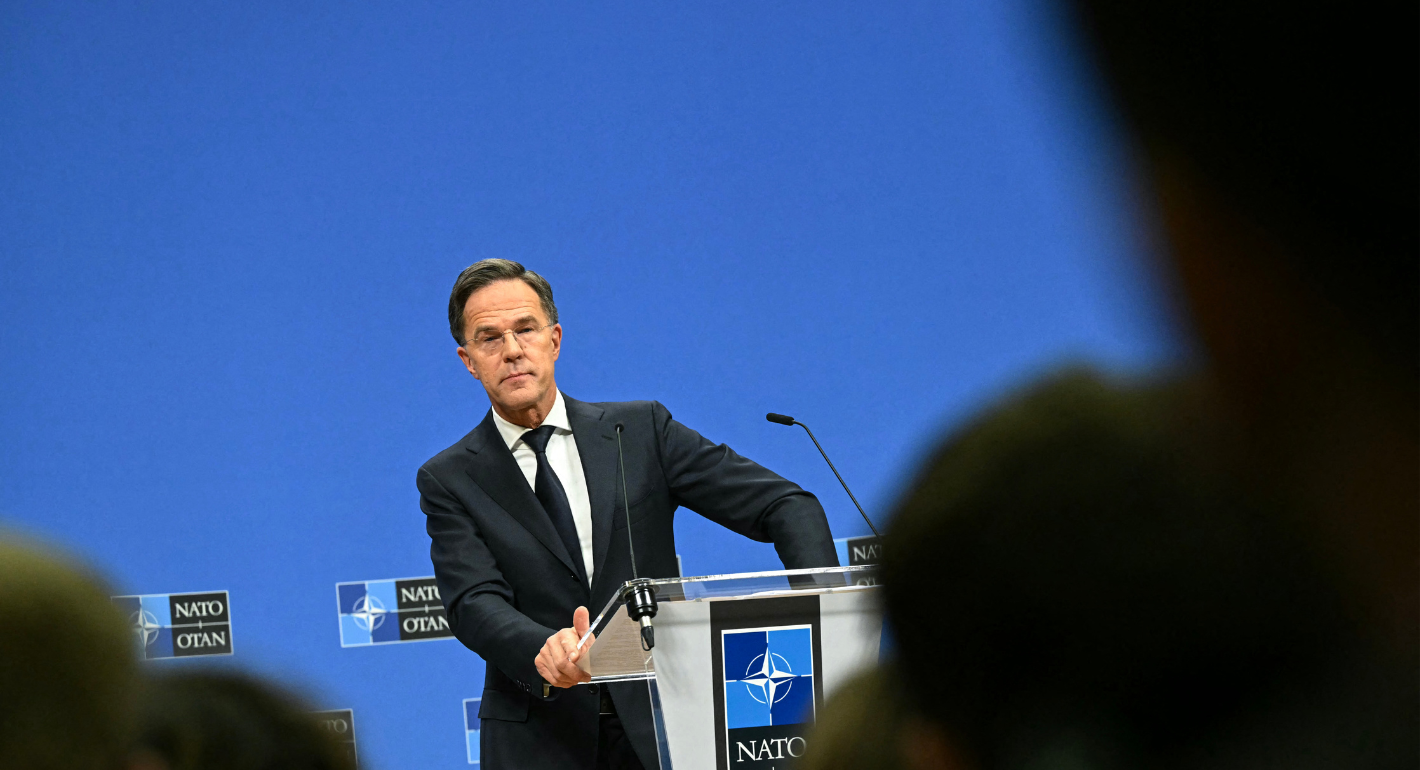
The debate on the future of European deterrence has intensified, as NATO allies seek to balance three key aims. Going forward, they will need to cooperate more deeply to craft a coherent strategy for confronting new threats.


Sophia Besch, Jamie Kwong
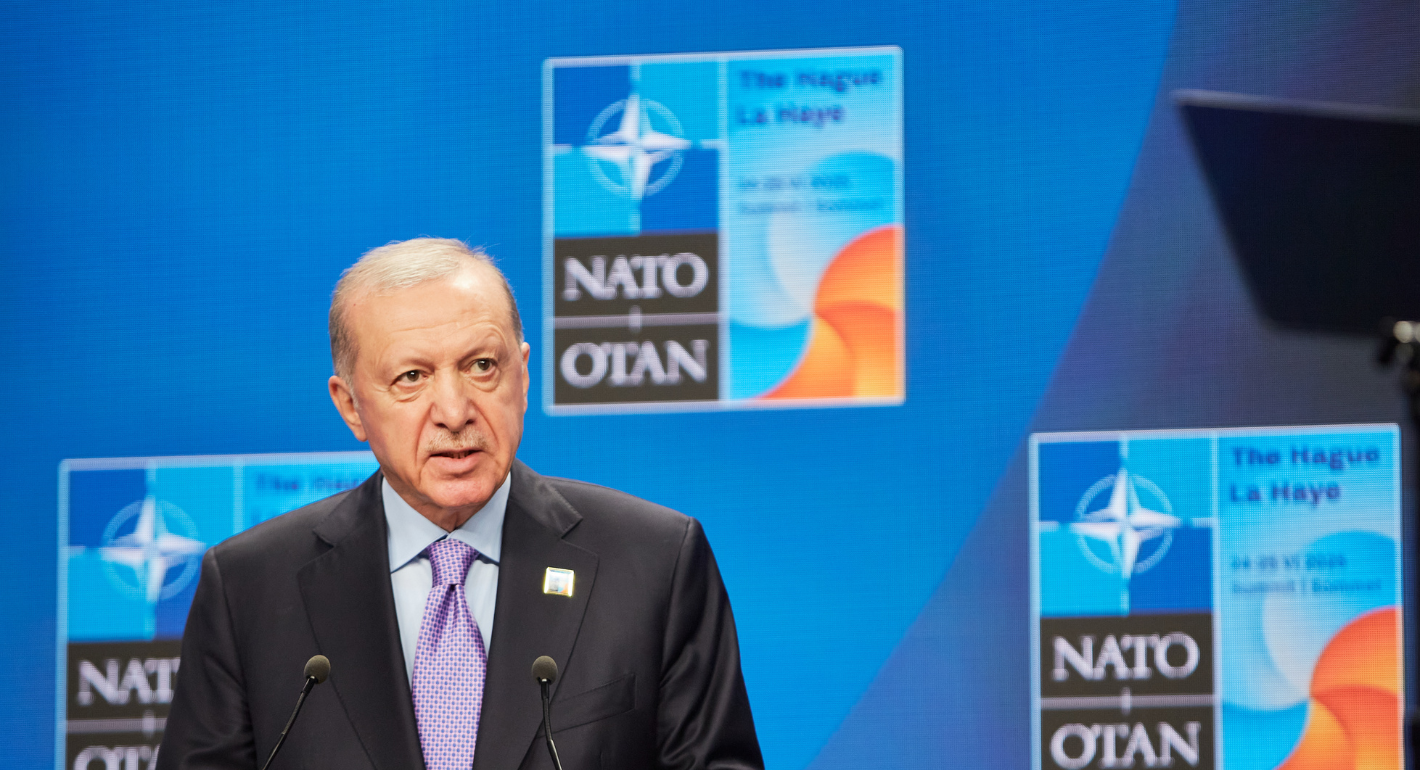
Turkey is positioning itself as a key player in a postwar reassurance force for Ukraine, especially in the Black Sea. But Ankara’s relationships with Moscow and Washington mean it faces a tough choice.

Alper Coşkun