

Commentary
As European leadership prepares for the sixteenth EU-India Summit, both sides must reckon with trade-offs in order to secure a mutually beneficial Free Trade Agreement.
Dinakar Peri

U.S., Russian, and Chinese scholars analyze the most important issues posed by the relationship between China and Russia, and weigh the prospects for real cooperation between Russia, a severely weakened power, and China, a power on the rise.
Source: Washington

In this first comprehensive study of Russian-Chinese relations, Sherman Garnett and a team of fifteen U.S., Russian, and Chinese scholars analyze the most important issues posed by the relationship, including: cross-border trade, the impact of Russia’s center-periphery politics, migration, arms sales, and (mis)perceptions of one another. The book assesses what will be one of the most important relationships, economically and strategically, in the dynamic region stretching from Central Asia to the Far East. It also weighs the prospects for real cooperation between Russia, a severely weakened power, and China, a power on the rise.
Contributing authors include: Sherman Garnett, Harry Gelman, Li Jingjie, Michael McFaul, Lu Nanquan, Kathleen Newland, Martha Brill Olcott, Gilbert Rozman, Judith Thornton, Dmitri Trenin, Tamara Troyakova, Galina Vitkovskaya, Alexei Voskressenski, Elizabeth Wishnick, and Zhanna Zayonchkovskaya.
“…[T]his is an informative and broadly balanced set of contributions which focus coherently on the key issues in the bilateral relationship.”
—Roland Dannreuther, Geneva Centre for Security Policy
Carnegie does not take institutional positions on public policy issues; the views represented herein are those of the author(s) and do not necessarily reflect the views of Carnegie, its staff, or its trustees.
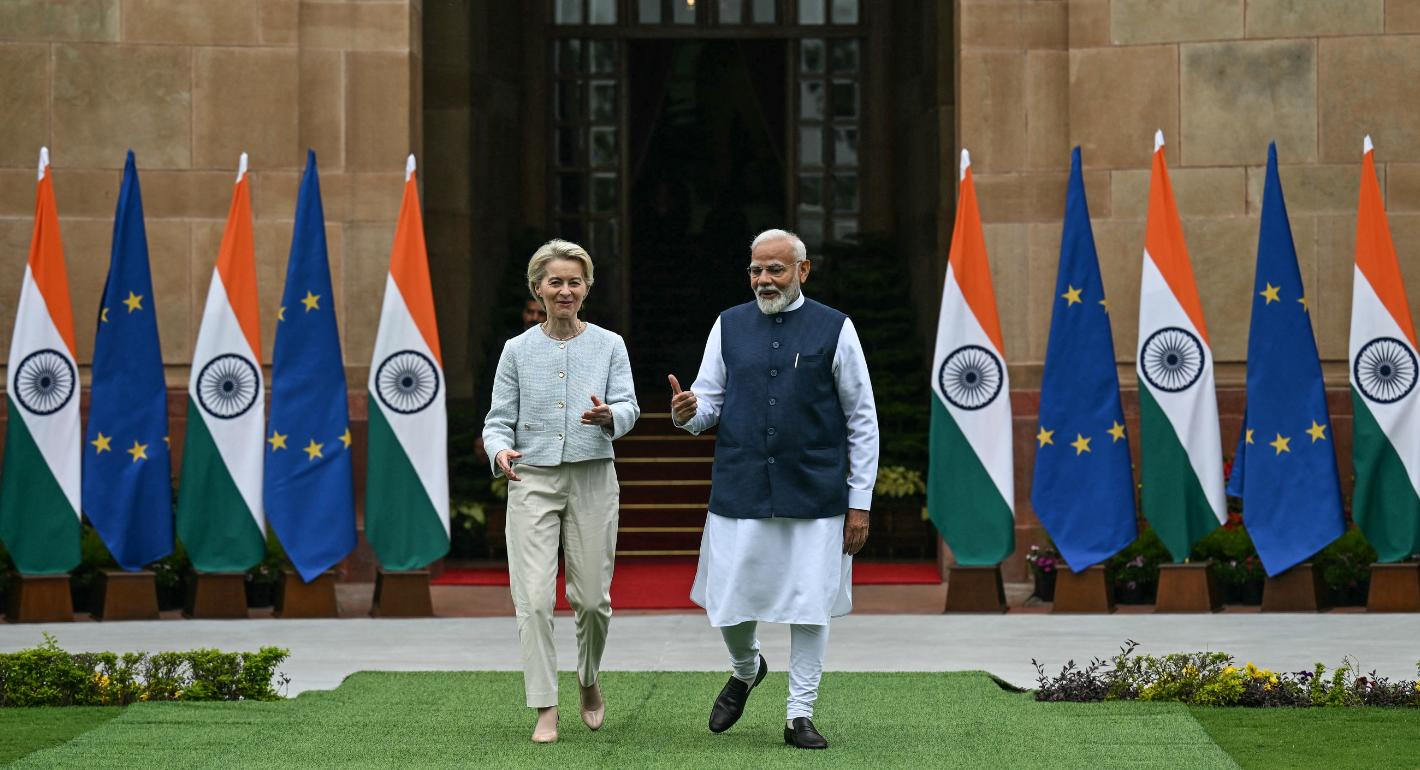
As European leadership prepares for the sixteenth EU-India Summit, both sides must reckon with trade-offs in order to secure a mutually beneficial Free Trade Agreement.

Dinakar Peri
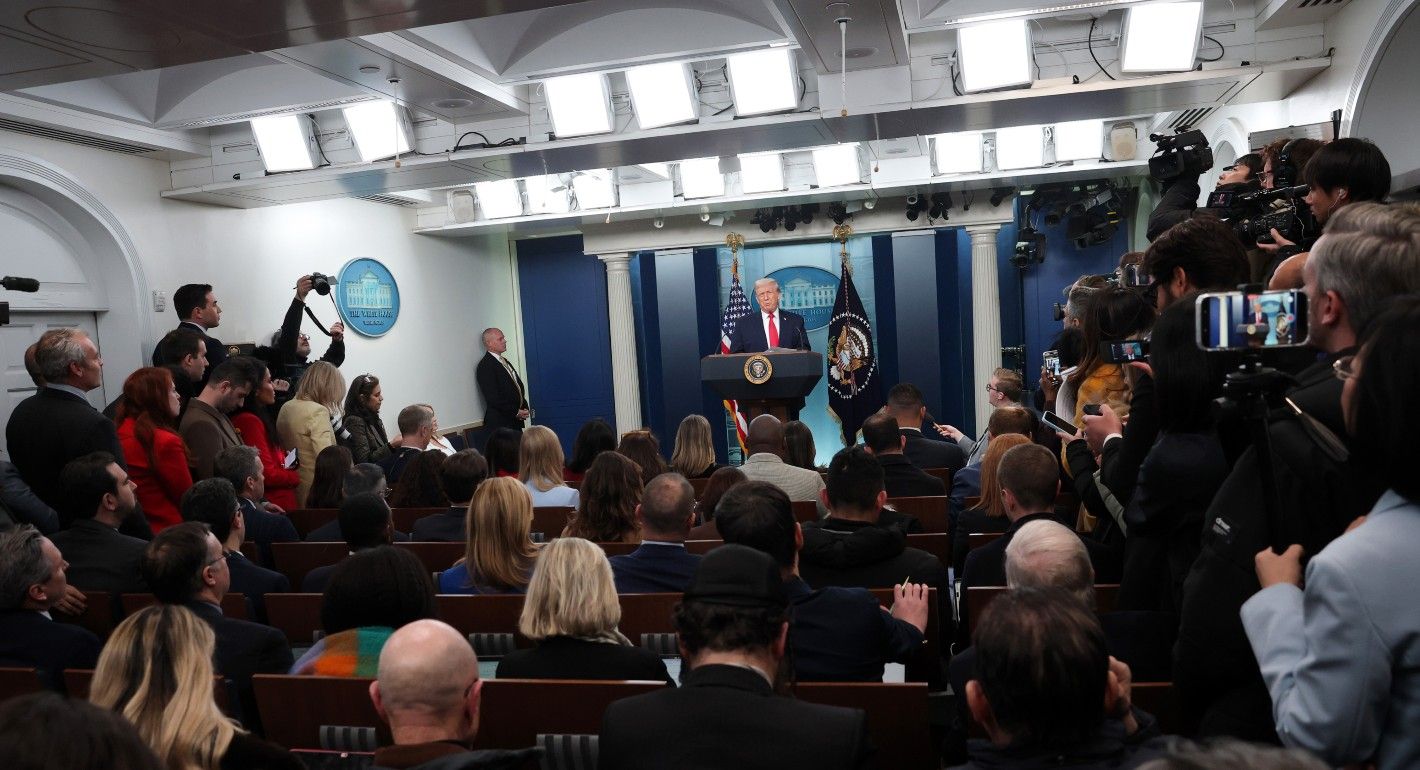
Carnegie scholars examine the crucial elements of a document that’s radically different than its predecessors.



James M. Acton, Saskia Brechenmacher, Cecily Brewer, …
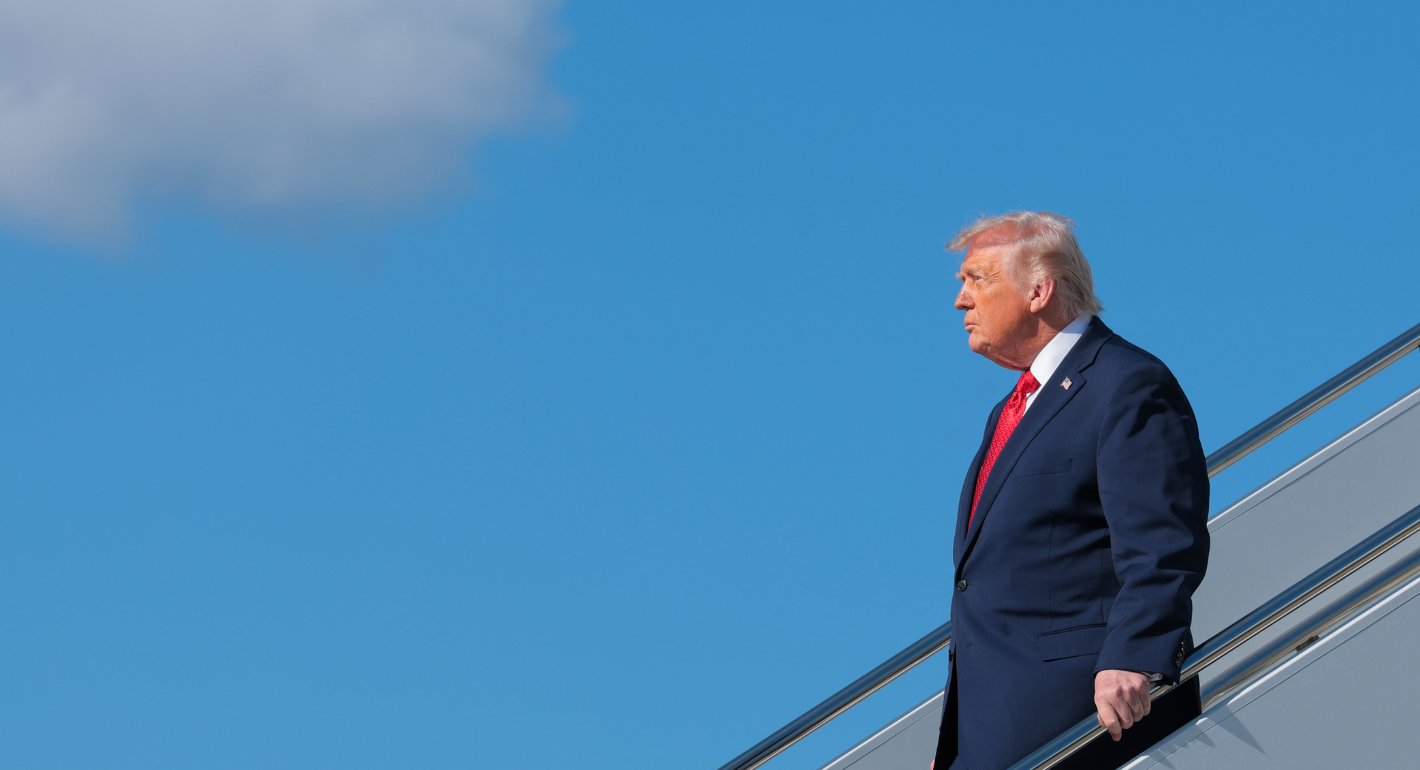
The hyper-personalized new version of global sphere-of-influence politics that Donald Trump wants will fail, as it did for Russia. In the meantime, Europe must still deal with a disruptive former ally determined to break the rules.

Thomas de Waal
2026 has started in crisis, as the actions of unpredictable leaders shape an increasingly volatile global environment. To shift from crisis response to strategic foresight, what under-the-radar issues should the EU prepare for in the coming year?
Thomas de Waal
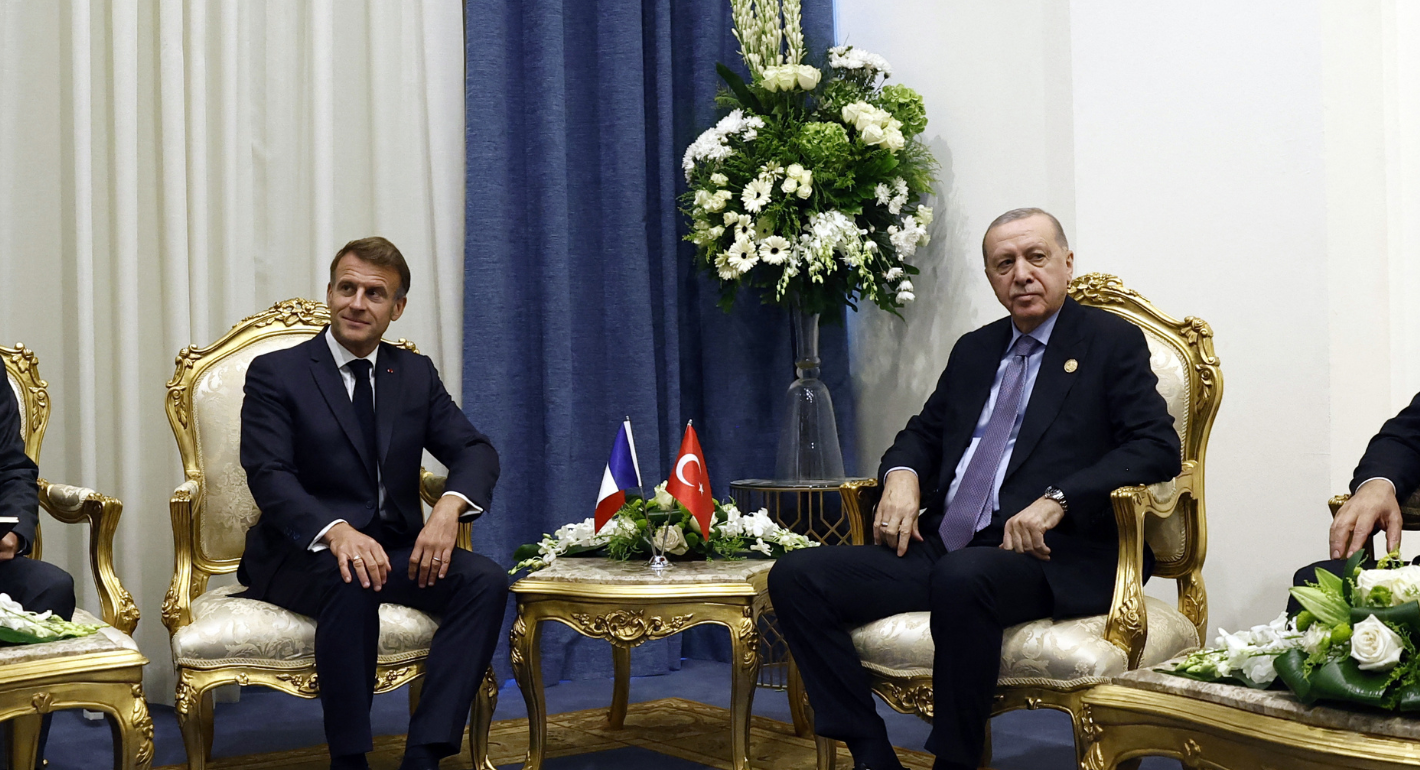
A renewal of relations between France and Turkey is vital to strengthen European strategic autonomy. To make this détente a reality, Paris and Ankara should move beyond personal friction and jointly engage with questions of Black Sea security.
Romain Le Quiniou