• Research
  • Strategic Europe
  • About
  • Experts
Carnegie Europe logoCarnegie lettermark logo
EUUkraine
  • Donate
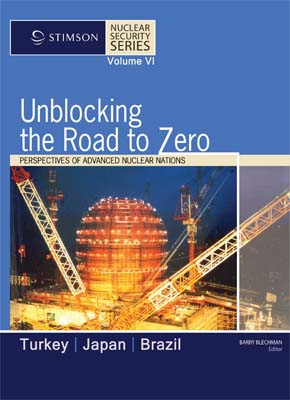
Turkey's Perspectives on Nuclear Weapons and Disarmament
Report

Turkey's Perspectives on Nuclear Weapons and Disarmament

Global nuclear disarmament could increase Turkey’s regional and international influence. If Iran achieves its nuclear ambitions and America’s influence is perceived as declining, however, Turkey’s inclination to favor a disarmament agreement may change.

Link Copied
By Henri J. Barkey
Published on Sep 22, 2009

Additional Links

Click here to read the full report

Source: Stimson Center's Nuclear Security Studies

Turkey's Perspectives on Nuclear Weapons and Disar
In principle, Turkey would welcome the global elimination of nuclear weapons. For the
current government, the possession of nuclear weapons by other states is a factor that, indirectly at least, reduces Turkey’s regional (if not global) aspirations and power. However, in the medium term, it remains deeply ambivalent on the future of nuclear weapons and its own plans regarding nuclear energy and weapons development.
Turkey lacks a coherently articulated national policy vis-à-vis nuclear weapons. This is partly due to the fact that as a member of NATO it is a direct beneficiary of the US nuclear umbrella and because the United States maintains a number of nuclear weapons at the Incirlik Air Force base in southern Turkey. The absence of such a policy is also the result of the unclear demarcation of lines of authority between civilian and military leaders on issues of national defense. While this may not have been a problem in the past, civil-military relations have been strained under the current ruling government, led by the Justice and Development Party (AKP). Until recently, when it came to setting national priorities, the military establishment’s role could best be described as primus inter pares. The AKP’s preoccupation with expanding Turkey’s role in the region and its push to reform Turkish state structures, including the military’s prerogatives, are radically challenging the military’s control of the national security agenda.
This report is part of larger series produced by the Stimson Center.
Henri J. Barkey
Former Visiting Scholar, Middle East Program
Henri J. Barkey
TürkiyePolitical ReformForeign PolicyNuclear PolicyNuclear Energy

Carnegie does not take institutional positions on public policy issues; the views represented herein are those of the author(s) and do not necessarily reflect the views of Carnegie, its staff, or its trustees.

More Work from Carnegie Europe

  • Commentary
    Strategic Europe
    The EU and India in Tandem

    As European leadership prepares for the sixteenth EU-India Summit, both sides must reckon with trade-offs in order to secure a mutually beneficial Free Trade Agreement.

      Dinakar Peri
  • Commentary
    Strategic Europe
    Europe Faces the Gone-Rogue Doctrine

    The hyper-personalized new version of global sphere-of-influence politics that Donald Trump wants will fail, as it did for Russia. In the meantime, Europe must still deal with a disruptive former ally determined to break the rules.

      Thomas de Waal
  • Commentary
    Strategic Europe
    Taking the Pulse: What Issue Is Europe Ignoring at Its Peril in 2026?

    2026 has started in crisis, as the actions of unpredictable leaders shape an increasingly volatile global environment. To shift from crisis response to strategic foresight, what under-the-radar issues should the EU prepare for in the coming year?

      Thomas de Waal
  • Commentary
    Strategic Europe
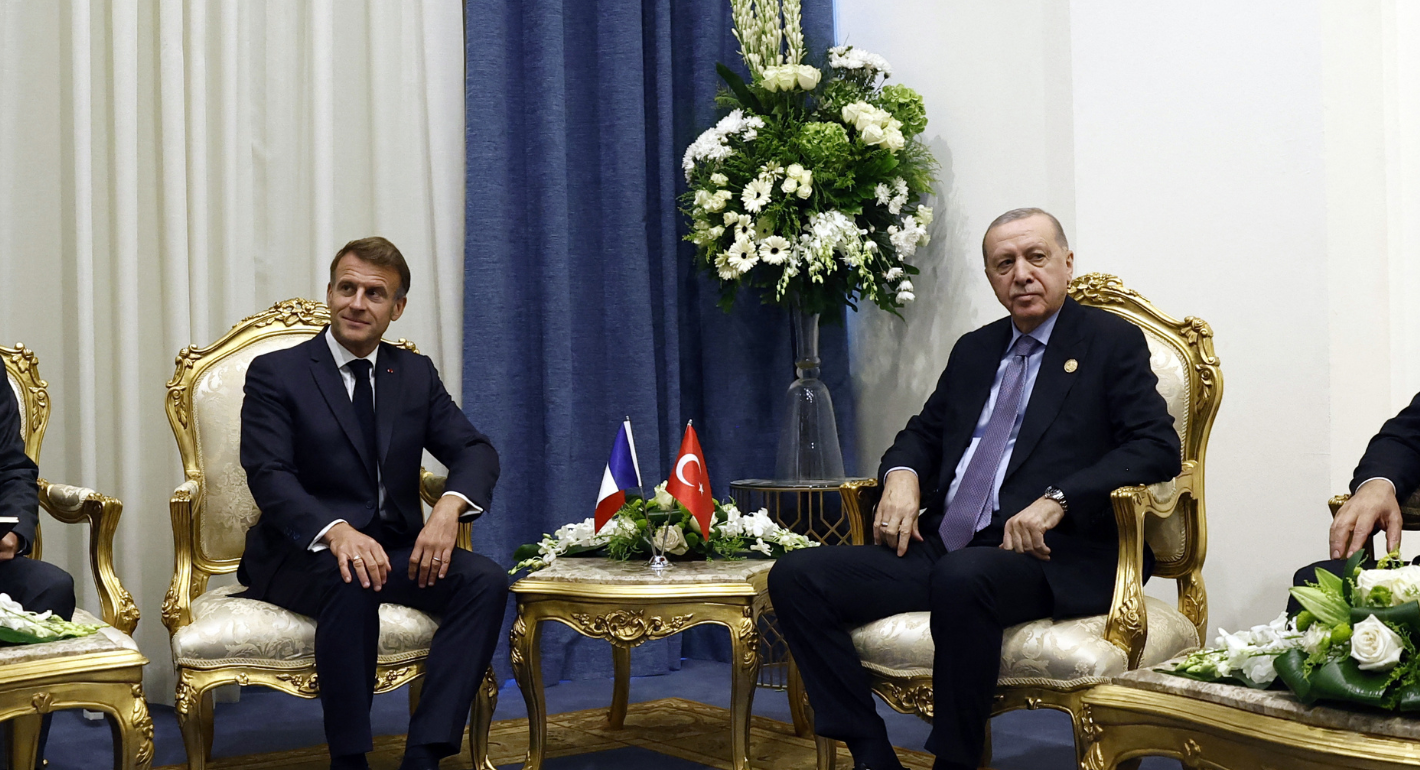
    France, Turkey, and a Reset in the Black Sea

    A renewal of relations between France and Turkey is vital to strengthen European strategic autonomy. To make this détente a reality, Paris and Ankara should move beyond personal friction and jointly engage with questions of Black Sea security.

      Romain Le Quiniou
  • Commentary
    Strategic Europe
    Solidarity Is a Must for Europe to Ensure Its Own Security

    Europe is designing a new model of collective security that no longer relies on the United States. For this effort to succeed, solidarity between member states that have different threat perceptions is vital.

      • Erik Jones

      Erik Jones

Get more news and analysis from
Carnegie Europe
Carnegie Europe logo, white
Rue du Congrès, 151000 Brussels, Belgium
  • Research
  • Strategic Europe
  • About
  • Experts
  • Projects
  • Events
  • Contact
  • Careers
  • Privacy
  • For Media
Get more news and analysis from
Carnegie Europe
© 2026 Carnegie Endowment for International Peace. All rights reserved.