• Research
  • Strategic Europe
  • About
  • Experts
Carnegie Europe logoCarnegie lettermark logo
EUUkraine
  • Donate
Misunderstanding Democratic Backsliding
Research

Misunderstanding Democratic Backsliding

Backsliding is less a result of democracies failing to deliver than of democracies failing to constrain the predatory political ambitions and methods of certain elected leaders. Policymakers and aid providers seeking to limit backsliding should tailor their diplomatic and aid interventions accordingly. 

Link Copied
By Thomas Carothers and Brendan Hartnett
Published on Jul 1, 2024
Read in the Journal of Democracy

Authors

Thomas Carothers
Harvey V. Fineberg Chair for Democracy Studies; Director, Democracy, Conflict, and Governance Program
Thomas Carothers
Brendan Hartnett
Former James C. Gaither Junior Fellow, Democracy, Conflict, and Governance Program
DemocracyPolitical Reform

Carnegie does not take institutional positions on public policy issues; the views represented herein are those of the author(s) and do not necessarily reflect the views of Carnegie, its staff, or its trustees.

More Work from Carnegie Europe

  • Commentary
    Strategic Europe
    New Tricks and AI Tools in Hungary’s High-Stakes Election

    Hungarian Prime Minister Viktor Orbán faces his most serious challenge yet in the April 2026 parliamentary elections. All of Europe should monitor the Fidesz campaign: It will use unprecedented methods of electoral manipulation to secure victory and maintain power.

      Zsuzsanna Szelényi

  • Commentary
    Europe’s American Predicament

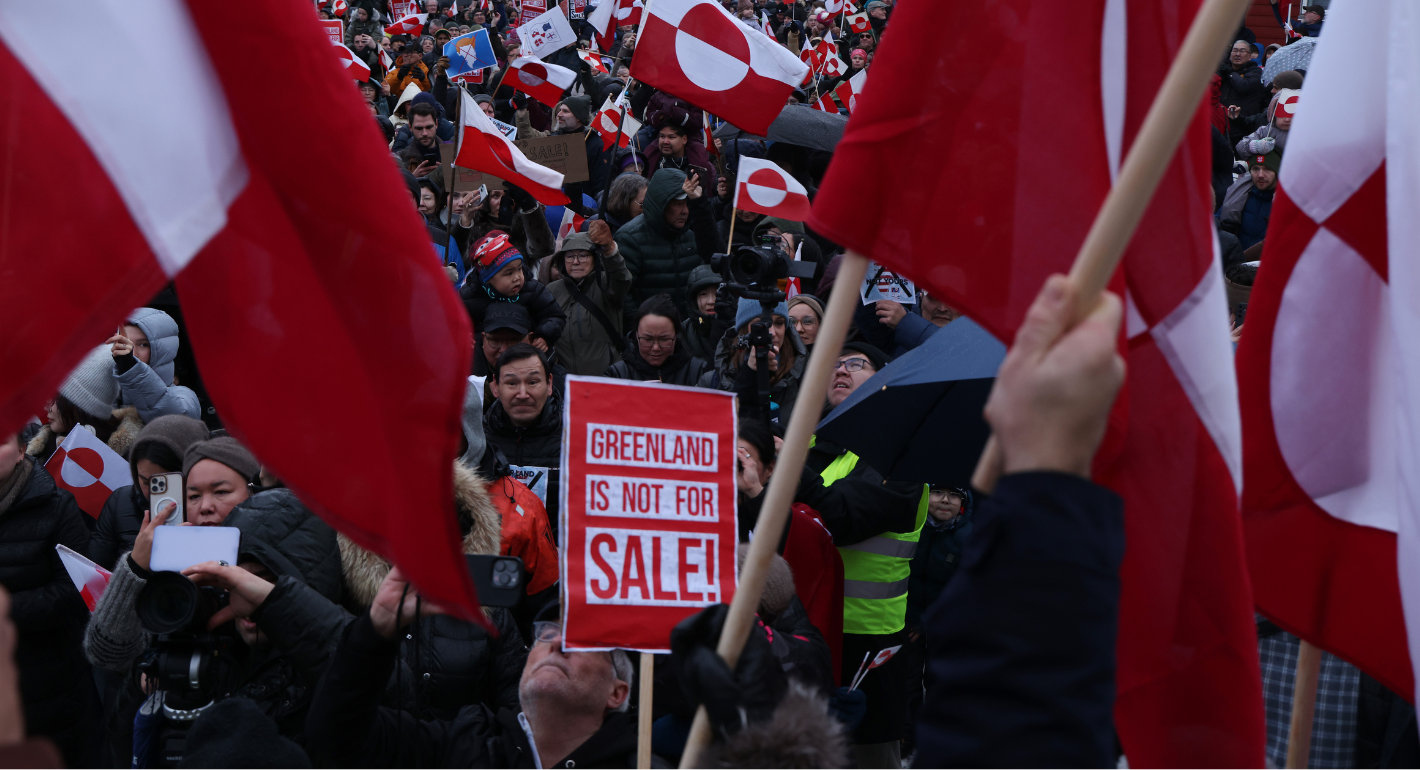
    Between Greenland and U.S. interference in Europe’s democracies, transatlantic relations risk rising to an unprecedented level of crisis. Amid continued arguments on how Brussels should react, tough times lie ahead for European leaders.

      Marc Pierini

  • Ulcinj Montenegro UAE investments
    Paper
    Rules or Deals? The EU’s Challenge in Regulating Corrosive Capital in the Western Balkans

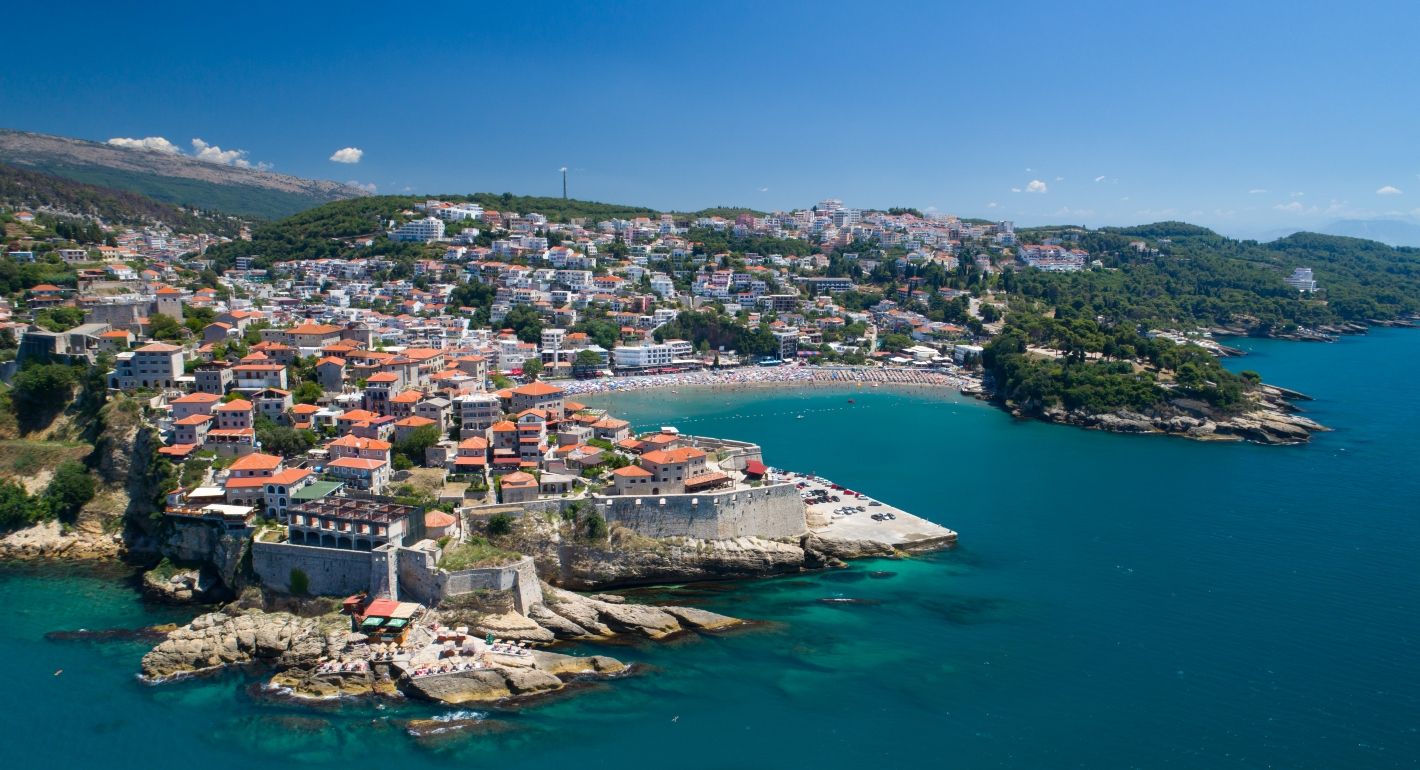
    The United Arab Emirates has become a major investor in the Western Balkans. With enlargement back on the agenda, the EU must ensure that foreign capital meets rather than undermines its governance standards.

      • Alba Çela
      • +1

      Iliriana Gjoni, Iva Čukić, Alba Çela, …

  • Commentary
    Strategic Europe
    Armenia’s Election Is a Foreign Affair

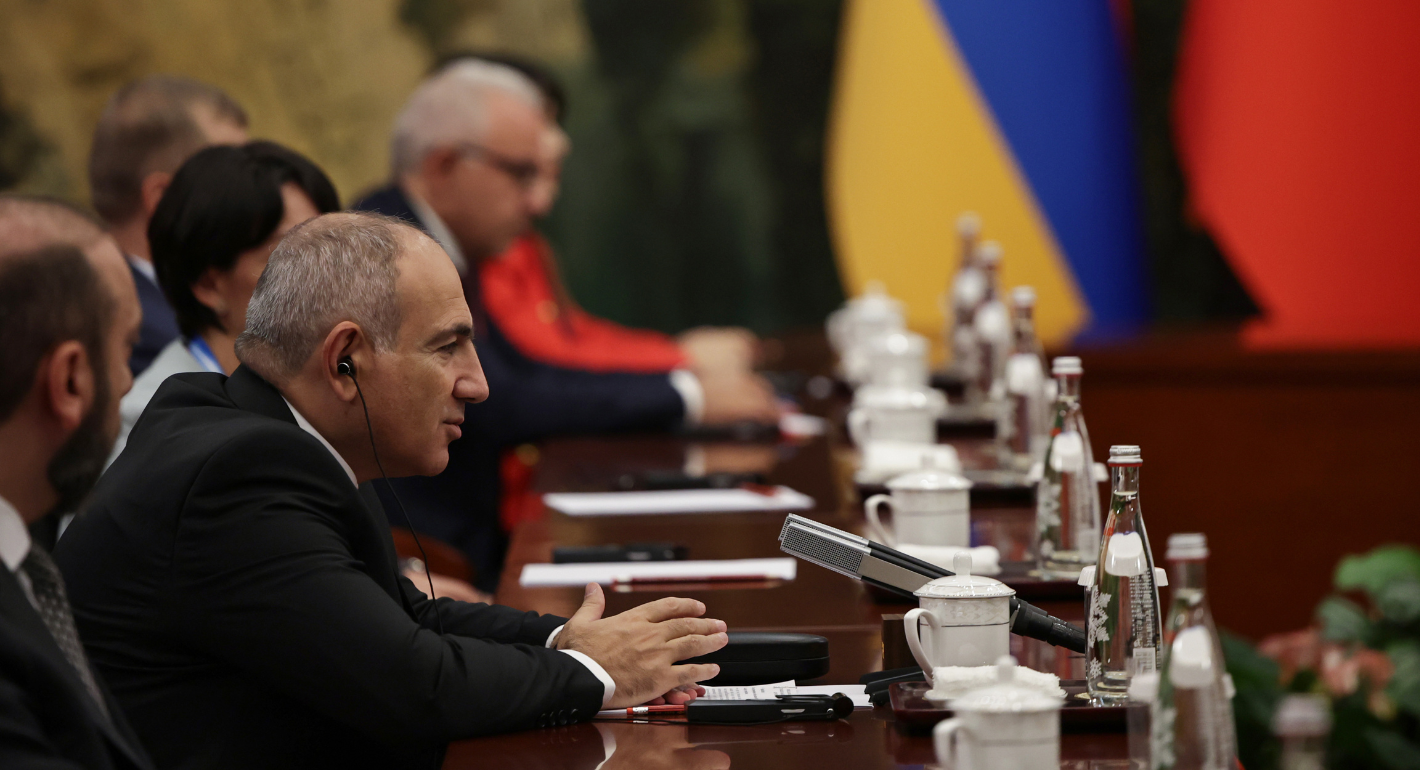
    As the 2026 Armenian election approaches, Prime Minister Nikol Pashinyan is facing fierce opposition from both Russia and the diaspora. He will need the help of Europe, the United States, and regional neighbours to advance his ambitious foreign policy. 

      Thomas de Waal

  • Commentary
    Strategic Europe
    Can the EU Meet the Trump Moment?

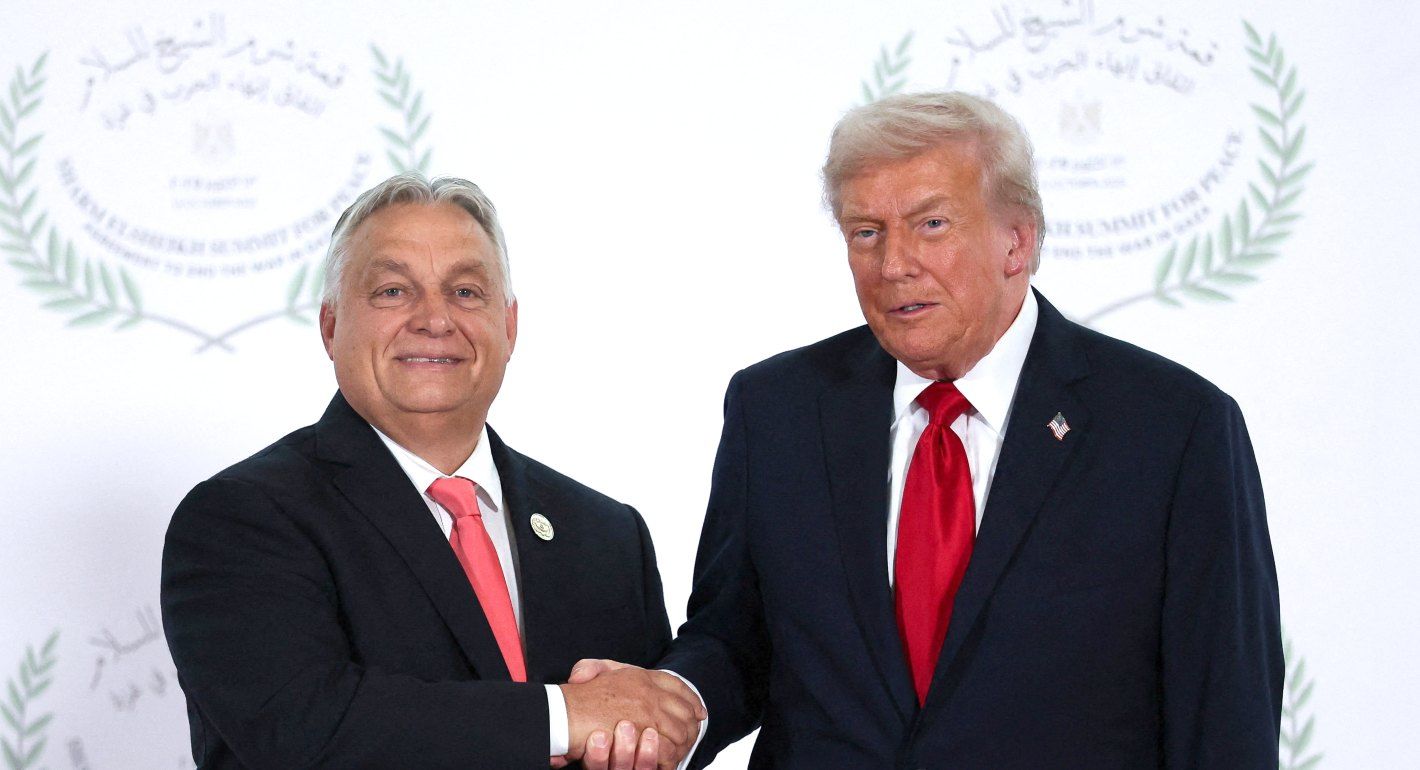
    The second term of U.S. President Donald Trump is pushing Europeans to strengthen their capacity for collective action. But their biggest challenge comes from within: U.S.-backed radical-right parties that want to weaken the EU.

      Stefan Lehne

Get more news and analysis from
Carnegie Europe
Carnegie Europe logo, white
Rue du Congrès, 151000 Brussels, Belgium
  • Research
  • Strategic Europe
  • About
  • Experts
  • Projects
  • Events
  • Contact
  • Careers
  • Privacy
  • For Media
  • Gender Equality Plan
Get more news and analysis from
Carnegie Europe
© 2026 Carnegie Endowment for International Peace. All rights reserved.