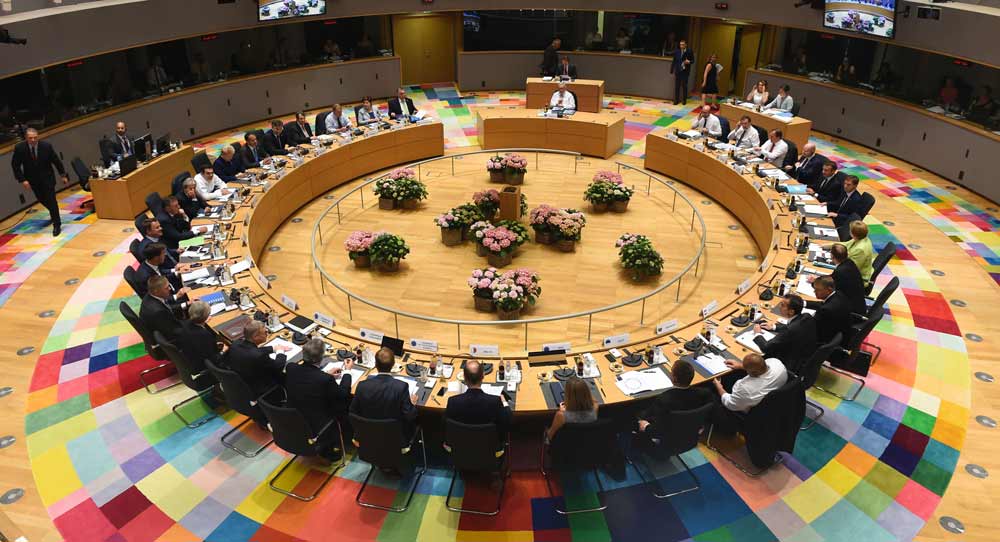
The decision by the UK to withdraw from the EU has apparently produced remarkable unity among the 27 remaining EU member states. Following Britain’s June 2016 referendum, the EU 27 embraced a united front, refusing to negotiate with the UK before London officially notified Brussels of its intention to trigger the EU’s Article 50 exit clause.
Since that happened in March 2017, the EU 27 have unanimously reaffirmed key principles of European integration. In its April 2017 guidelines for the withdrawal negotiations, the European Council explicitly affirmed that the four freedoms of the internal market—the free movement of capital, goods, people, and services—are indivisible; ruled out any cherry-picking of EU policies; and made crystal clear that EU membership involves privileges that cannot be replicated outside the EU.
In fact, the beginning of the withdrawal negotiations revealed the difficulties for the UK of brokering a good deal vis-à-vis a united EU. That is a sharp contrast to the concessions obtained by former British prime minister David Cameron in the February 2016 new settlement for the UK in the EU, which went out of its way to appease British unilateral requests.
Yet, if the Brexit vote has had the unexpected effect of drawing the EU 27 closer together in dealing with the UK, on most other matters the EU is anything but united. A decade of euro crisis has produced deep fissures in the EU, notably between Northern and Southern member states. Creditor countries complain that they have to shoulder the financial follies of their neighbors, while debtor countries lament a form of neocolonialism in exchange for bailout support.
Moreover, the migration crisis has opened a new wound between Western and Eastern member states. The latter have repeatedly failed to participate in the EU’s mandatory relocation mechanism for refugees, which has dealt a major blow to the principle of solidarity that underpins the European integration project.
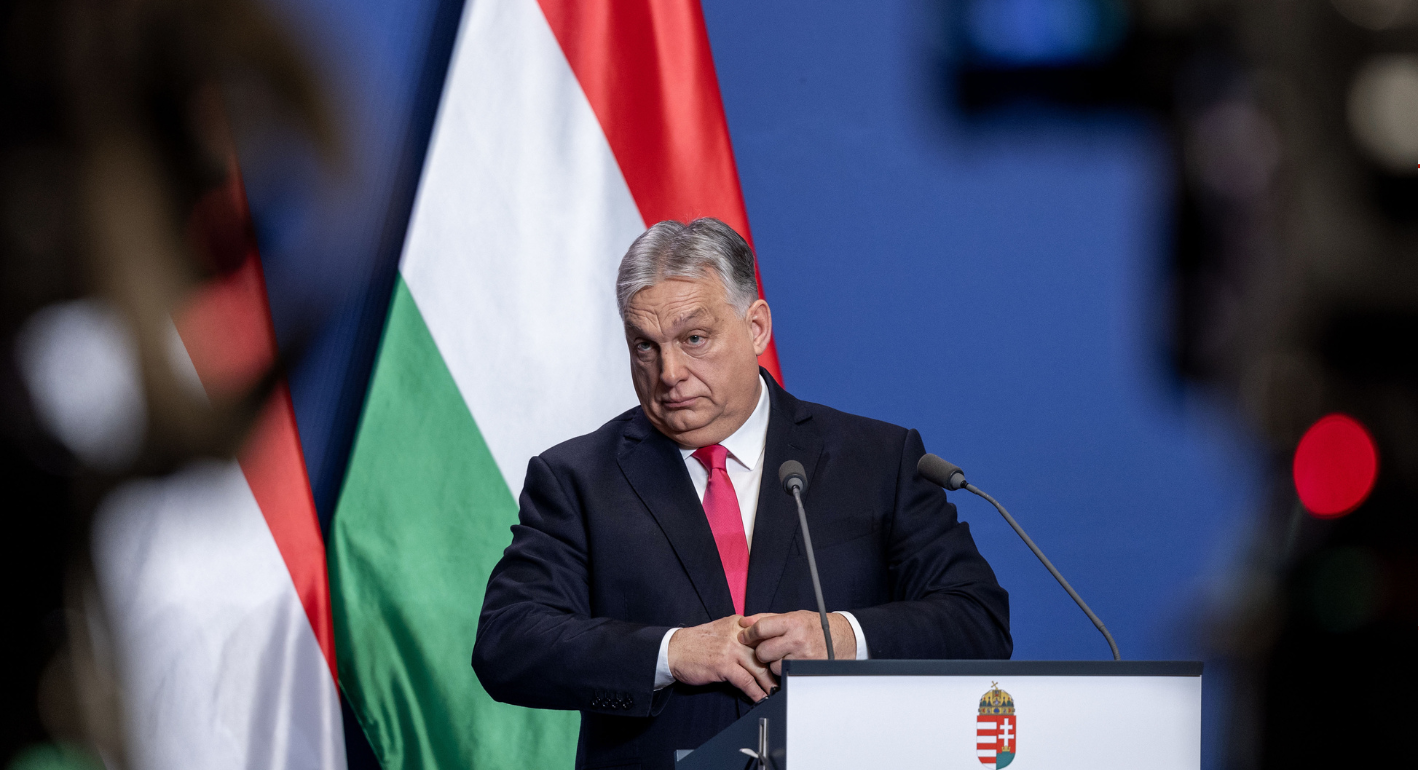
Finally, the state of the rule of law in countries like Hungary or Poland has recently degenerated to the point that the European Commission has decided to activate infringement proceedings to protect the independence of national judiciaries. Following Poland’s unprecedented decision in July 2017 to defy a judgment of the European Court of Justice, the suspension of Warsaw’s voting rights may be just a short step away.
In light of all this, it is uncertain to what extent the EU’s future may lie in a format of 27. Brexit will compel the remaining member states to readapt the EU to the reality of a union without the UK, changing the composition of the European Parliament and the financing of the EU budget. But beyond Brexit, the EU needs other reforms to strengthen its capacity to act amid growing geopolitical challenges—and it seems unlikely that member states that do not agree even on basic principles of liberal democracy could do so together.
Tacking stock of this state of affairs, the commission’s March 2017 white paper on the future of Europe indicated multispeed integration among a core group of member states as one of five possible options ahead. This scenario meets the support of the four largest EU member states—Germany, France, Italy, and Spain—but is strongly opposed by Eastern countries. The March 2017 declaration celebrating the sixtieth anniversary of the Rome Treaty was held hostage until the last minute by Poland, which opposed a reference to the idea of a two-speed Europe. This stance increases the pressure on European Commission President Jean-Claude Juncker, who is expected to outline his preferred way forward for the EU in the State of the Union address on September 13.
However, it is precisely on this issue that the Brexit negotiations may interplay with the debate on the future of the EU. If the solutions to several problems created by Brexit—particularly in Northern Ireland—highlight the need to consider a kind of associate status for the UK or a new partnership between Britain and the EU, it may be worth exploring to what extent such a template may be applied more broadly in the EU.
Although the UK had an idiosyncratic approach to European integration, its attachment to sovereignty and its interest in participating exclusively in a form of market integration find echoes in several Northern and Eastern member states. And while there seems to be consensus that states sharing the euro as their currency need to deepen their integration, participation in a lighter form of economic cooperation may be suitable for other EU countries.
In other words, if Brexit fuels the debate on the future of the EU, it also offers a window of opportunity to restructure Europe around two systems—a federalizing political union and a loose confederal free-trade area. Despite the new Franco-German élan for EU treaty change, such a prospect has challenges; but rethinking Europe’s future in creative terms may be the best way to handle the disunity surfacing from the apparent unity among EU member states since the Brexit vote.
Federico Fabbrini is a full professor of EU law at the School of Law and Government of Dublin City University (DCU) and director of the DCU Brexit Research and Policy Institute.