

Commentary
As European leadership prepares for the sixteenth EU-India Summit, both sides must reckon with trade-offs in order to secure a mutually beneficial Free Trade Agreement.
Dinakar Peri
{
  "authors": [
    "Donika Emini",
    "Iliriana Gjoni"
  ],
  "type": "commentary",
  "blog": "Strategic Europe",
  "centerAffiliationAll": "",
  "centers": [
    "Carnegie Endowment for International Peace",
    "Carnegie Europe"
  ],
  "collections": [
    "EU Integration and Enlargement"
  ],
  "englishNewsletterAll": "",
  "nonEnglishNewsletterAll": "",
  "primaryCenter": "Carnegie Europe",
  "programAffiliation": "",
  "programs": [],
  "projects": [],
  "regions": [
    "Western Balkans",
    "Europe"
  ],
  "topics": [
    "EU",
    "Democracy",
    "Domestic Politics"
  ]
}
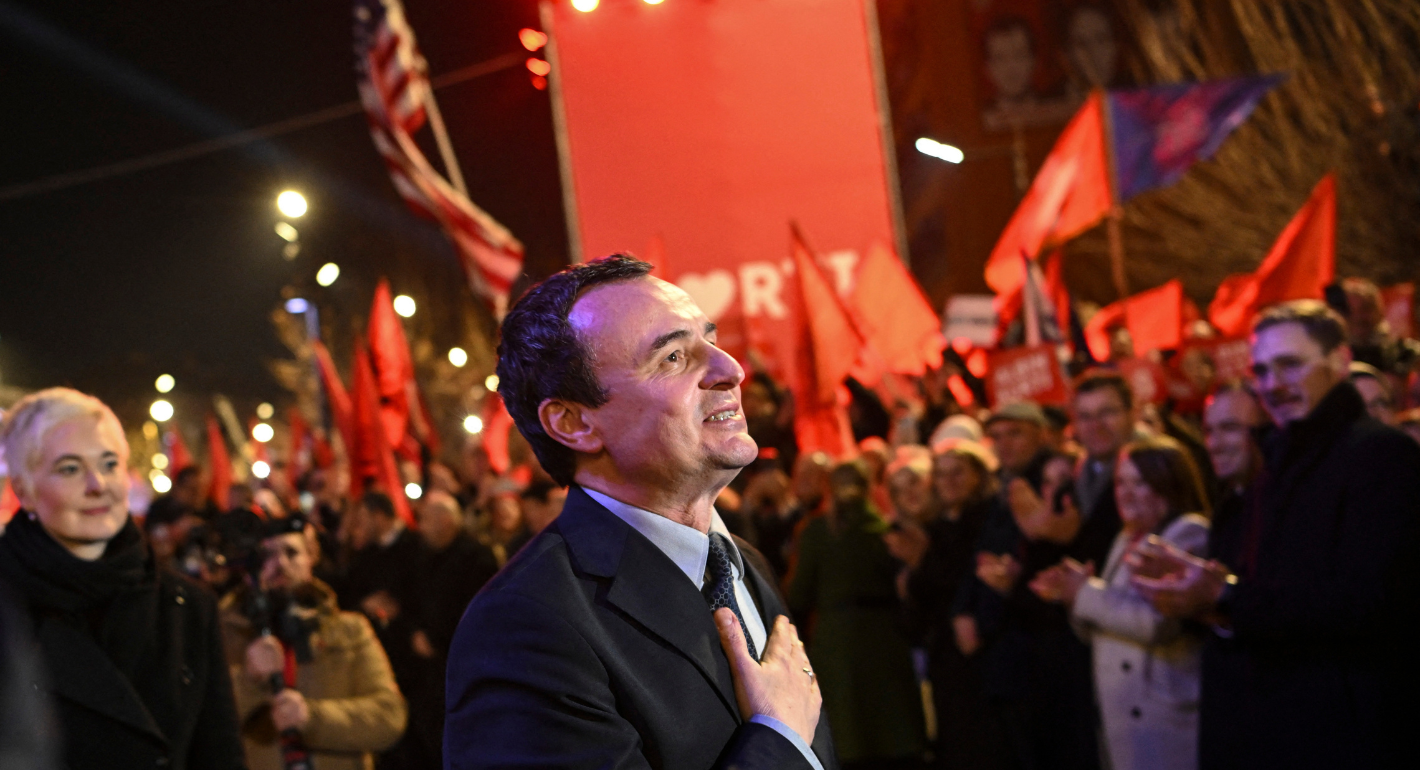
Left without a functioning Assembly since February 2025, Kosovo’s febrile politics is due for another test. With options for representation of the Serb minority limited to Belgrade-backed proxies, October’s local elections are much more than a local contest.
Kosovo’s local elections on October 12 come at a time of unusual strain. What should have been a routine democratic exercise has instead become a test of whether the country can sustain its institutions, integrate its Serb minority, and manage the costs of decisions taken in pursuit of sovereignty.
The stakes are high. Kosovo’s constitution, the Brussels Agreement of 2013, and the Brussels Agreement and Ohrid Annex of 2023 guarantee Serb representation in institutions. Yet, Serb minority politics is dominated by the Serb List (SL), a Belgrade-backed party implicated in violence, parallel structures, and clientelist control. For Prime Minister Albin Kurti, excluding SL risks alienating the minority even further; including by legitimizing impunity and undoing the credibility of his sovereignty push.
This is the dilemma at the heart of the country’s elections. Western partners continue to press Prishtina to guarantee Serb participation as the measure of stability, even if the only viable vehicle is SL. For the EU and United States, the party has become a fig leaf of representation: an undemocratic monopoly tolerated in the name of calm. For Kosovo, this comes at a price—EU sanctions remain in place, dialogue with Washington is suspended, and the electorate is divided over whether sovereignty has been strengthened or the state weakened.
For Kurti, the October vote is a gamble. His central achievement has been to dismantle Serbia’s parallel institutions and extend Prishtina’s sovereignty in the north. Supporters hail this as long overdue, while critics argue that it has come at too high a cost, leaving Kosovo more isolated abroad and its citizens bearing the impact of sanctions. The prime minister is therefore navigating a narrow path: if Serb turnout revives under SL and the party regains control of the north’s municipalities, his authority risks being rolled back and Kosovo’s isolation prolonged. If they boycott again, institutional positions will remain unfilled, and the community further alienated. Neither outcome offers a sustainable exit.
SL’s dominance explains why the stakes are so high. Other Serb initiatives are certified for the ballot but politically marginal, unable to campaign freely under pressure from Belgrade. The party’s former vice president, Milan Radoičić, admitted to organizing the Banjska attack in 2023 that killed a Kosovo policeman—a dramatic demonstration of how a party that claims to represent citizens could deploy paramilitary violence against the state. Beyond that incident, SL has long relied on intimidation, patronage hiring, and nationalist rhetoric that glorifies figures implicated in crime. Such tactics leave Serbs with little alternative to Belgrade’s proxy and expose the gap between representation and democratic choice.
Prishtina has not been passive in the face of this challenge. When Serb representatives collectively withdrew from Kosovo’s institutions in late 2022, the government insisted on extraordinary elections, held in April 2023. With Serb parties boycotting, Albanian mayors were elected on turnout below 3.5 percent. Kurti presented this as a necessary assertion of sovereignty, moving quickly to dismantle Serbian-led parallel structures and install Kosovo police and administrators. Yet, the lack of legitimacy inflamed protests, triggered sanctions, and paused dialogue with Washington. The episode underscored both the determination of the government to consolidate statehood and the limited room it has to do so without international costs.
The institutional crisis has since deepened. The February 2025 parliamentary elections left Kosovo without a functioning Assembly. The constitutionally mandated deputy speaker seat for the Serb community remains vacant, and the Constitutional Court must now decide whether the Assembly has been lawfully constituted. That ruling will have tangible consequences: it could delay reforms, stall the implementation of the 2013 and 2023 agreements, and weaken the country’s credibility as a state that respects its own constitutional framework. For citizens already weary of sanctions and political deadlock, a sense of fragility is growing.
Against this backdrop, these elections are frayed with expectations. In municipalities with a Serb majority, turnout will determine whether SL reasserts control or institutions remain hollow. In either case, Prishtina’s sovereignty will be tested. A strong SL showing would embolden Belgrade’s proxies; Another boycott would highlight the government’s failure to integrate Serbs meaningfully into state structures.
For the government, the choice is agonizing. Engaging with SL risks normalizing impunity and undermining the rule of law. Excluding it risks perpetuating weakened institutions and further estranging a community whose inclusion is essential for stability. Either way, Kosovo’s leaders are left to navigate not only their citizens’ expectations but also the pressure of their allies.
For Brussels and Washington, the elections pose their own dilemma. In Georgia and Moldova, Western actors have drawn firm lines against Moscow’s proxies. In Kosovo, by contrast, they have treated SL as indispensable to participation, tolerating a monopoly for the sake of appearances. By accepting representation via a party compromised by violence and clientelism, Western policy risks damaging the country’s institutions and its own credibility on democracy.
The security dimension only raises the stakes. NATO’s Kosovo Force mission has reinforced its presence in the north, preparing for intimidation, targeted attacks, or unrest around polling stations. Any escalation would reverberate across the region, destabilizing dialogue with Belgrade and testing the alliance’s ability to maintain calm on Europe’s periphery. The perception that violence pays would embolden spoilers elsewhere in the Balkans.
Kosovo’s elections are therefore more than a local contest. They will determine whether the country can reconcile sovereignty with inclusivity, and whether it can resist the stranglehold of a party that undermines both. They will also show whether the West is willing to uphold its own standards, or whether stability once again overshadows democracy under the fig leaf of representation.
Donika Emini is an expert on international relations, security, and Western Balkan politics.
Carnegie does not take institutional positions on public policy issues; the views represented herein are those of the author(s) and do not necessarily reflect the views of Carnegie, its staff, or its trustees.
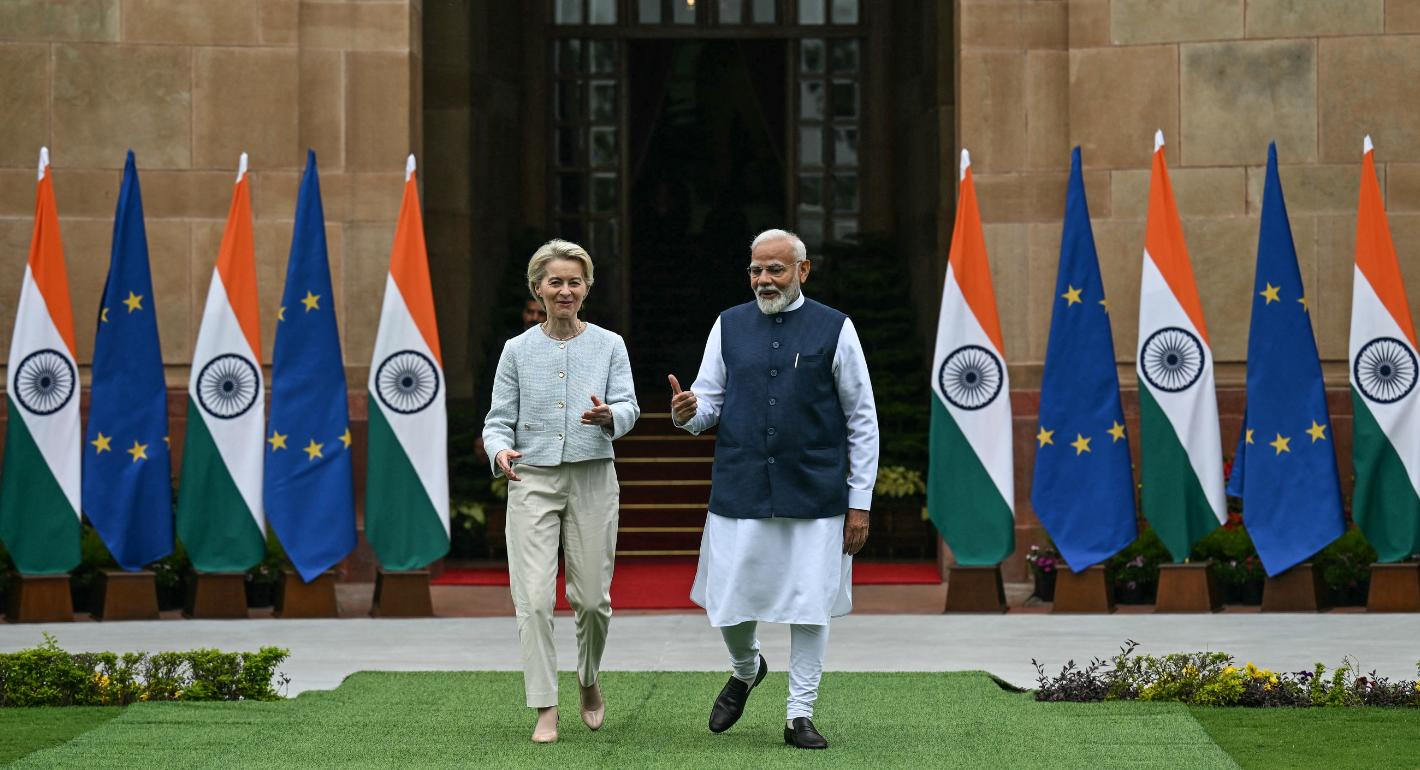
As European leadership prepares for the sixteenth EU-India Summit, both sides must reckon with trade-offs in order to secure a mutually beneficial Free Trade Agreement.

Dinakar Peri
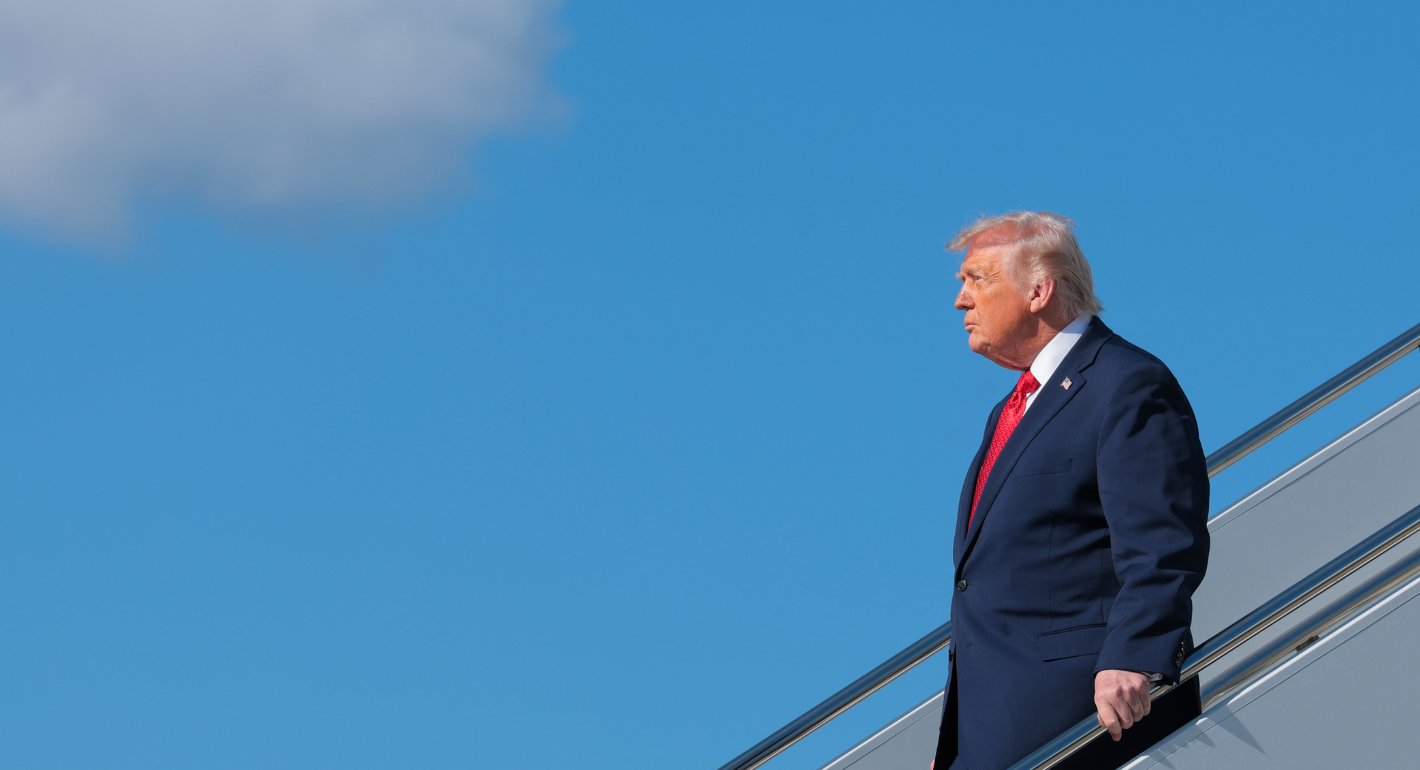
The hyper-personalized new version of global sphere-of-influence politics that Donald Trump wants will fail, as it did for Russia. In the meantime, Europe must still deal with a disruptive former ally determined to break the rules.

Thomas de Waal
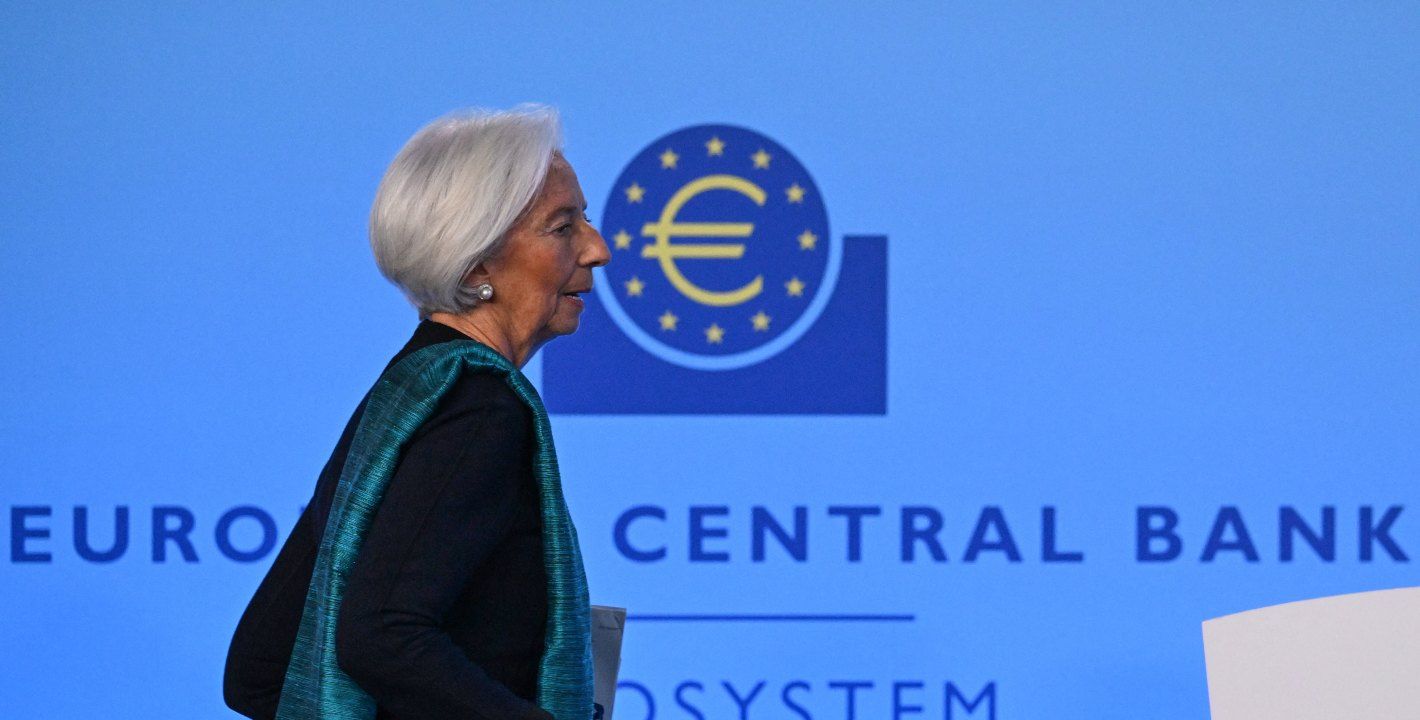
2026 has started in crisis, as the actions of unpredictable leaders shape an increasingly volatile global environment. To shift from crisis response to strategic foresight, what under-the-radar issues should the EU prepare for in the coming year?
Thomas de Waal
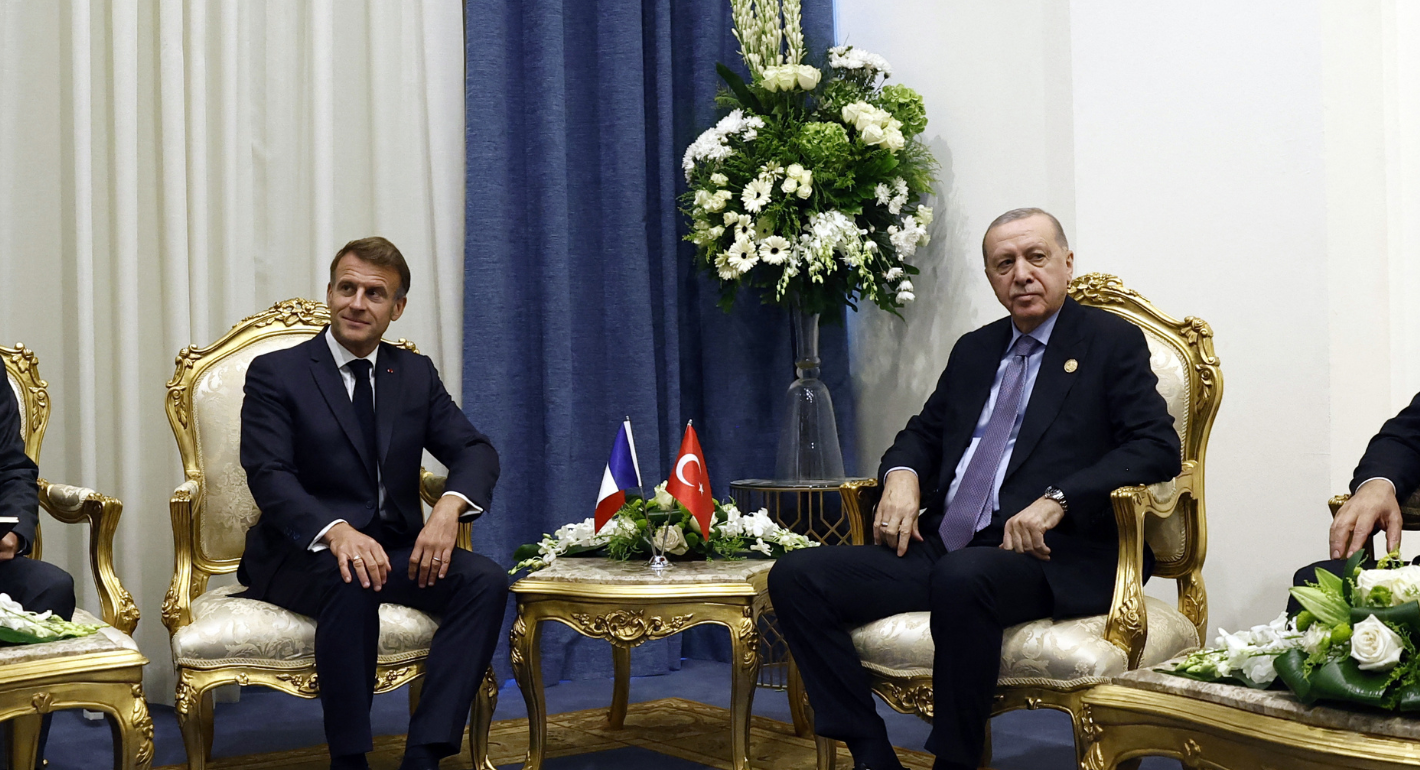
A renewal of relations between France and Turkey is vital to strengthen European strategic autonomy. To make this détente a reality, Paris and Ankara should move beyond personal friction and jointly engage with questions of Black Sea security.
Romain Le Quiniou
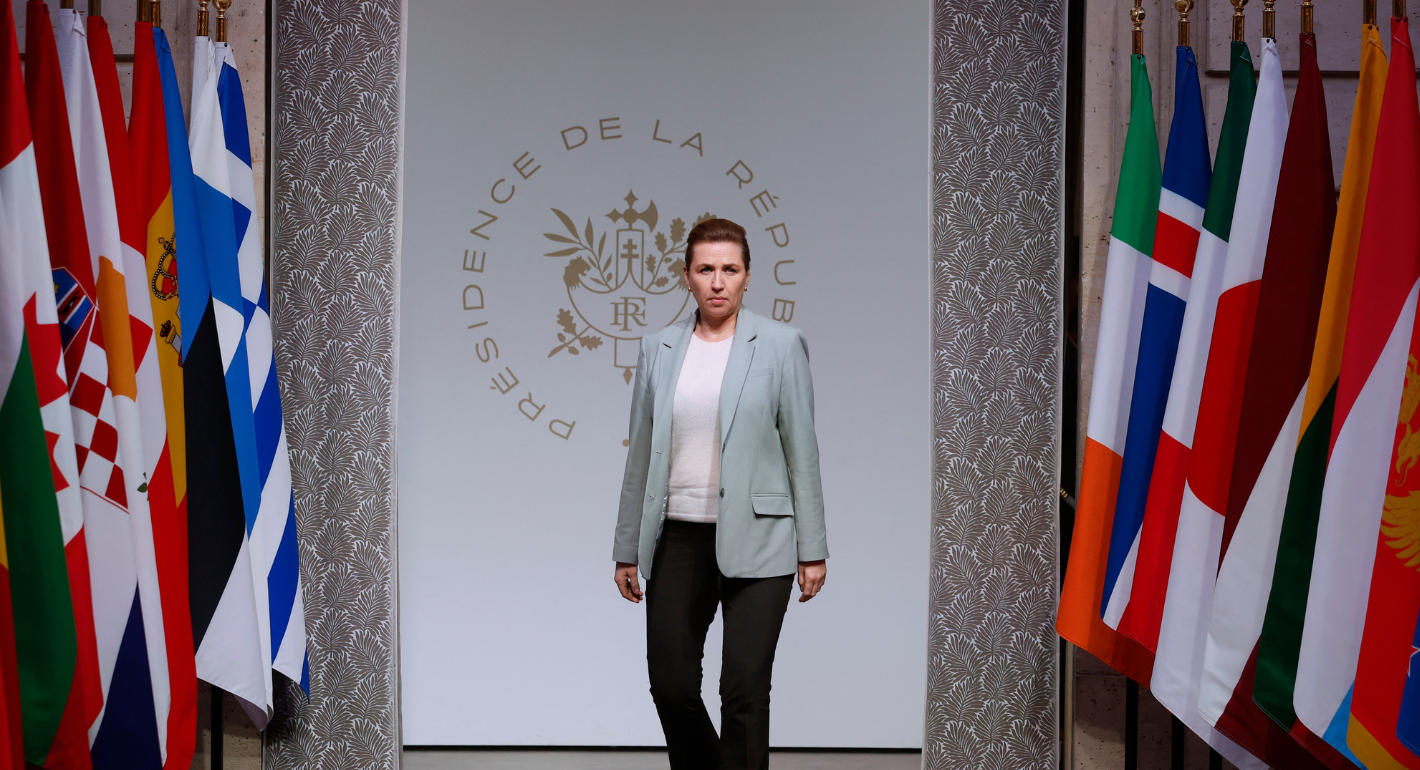
Europe is designing a new model of collective security that no longer relies on the United States. For this effort to succeed, solidarity between member states that have different threat perceptions is vital.

Erik Jones