

Commentary
Implementing Phase 2 of Trump’s plan for the territory only makes sense if all in Phase 1 is implemented.
Yezid Sayigh
{
  "authors": [
    "Michael D. Swaine",
    "Alan Romberg"
  ],
  "type": "legacyinthemedia",
  "centerAffiliationAll": "",
  "centers": [
    "Carnegie Endowment for International Peace"
  ],
  "collections": [],
  "englishNewsletterAll": "",
  "nonEnglishNewsletterAll": "",
  "primaryCenter": "Carnegie Endowment for International Peace",
  "programAffiliation": "",
  "programs": [
    "Asia"
  ],
  "projects": [],
  "regions": [
    "North America",
    "United States",
    "East Asia",
    "South Korea",
    "China",
    "Japan",
    "Caucasus",
    "Russia",
    "North Korea"
  ],
  "topics": [
    "Security",
    "Military",
    "Foreign Policy",
    "Nuclear Policy",
    "Nuclear Energy"
  ]
}
REQUIRED IMAGE
If the United States, China, South Korea, Japan and Russia can reach a basic understanding on how to handle North Korea, the effort to convince Pyongyang to abandon its nuclear weapons program and accept a reasonable "more-for-more" agreement, while not easy, should enjoy a reasonable chance of success.
Source: Arms Control Today
If the United States, China, South Korea, Japan and Russia can reach a basic understanding on how to handle North Korea, the effort to convince Pyongyang to abandon its nuclear weapons program and accept a reasonable "more-for-more" agreement, while not easy, should enjoy a reasonable chance of success.
The entire article can be read in Arms Control Today May 2003.
Carnegie does not take institutional positions on public policy issues; the views represented herein are those of the author(s) and do not necessarily reflect the views of Carnegie, its staff, or its trustees.
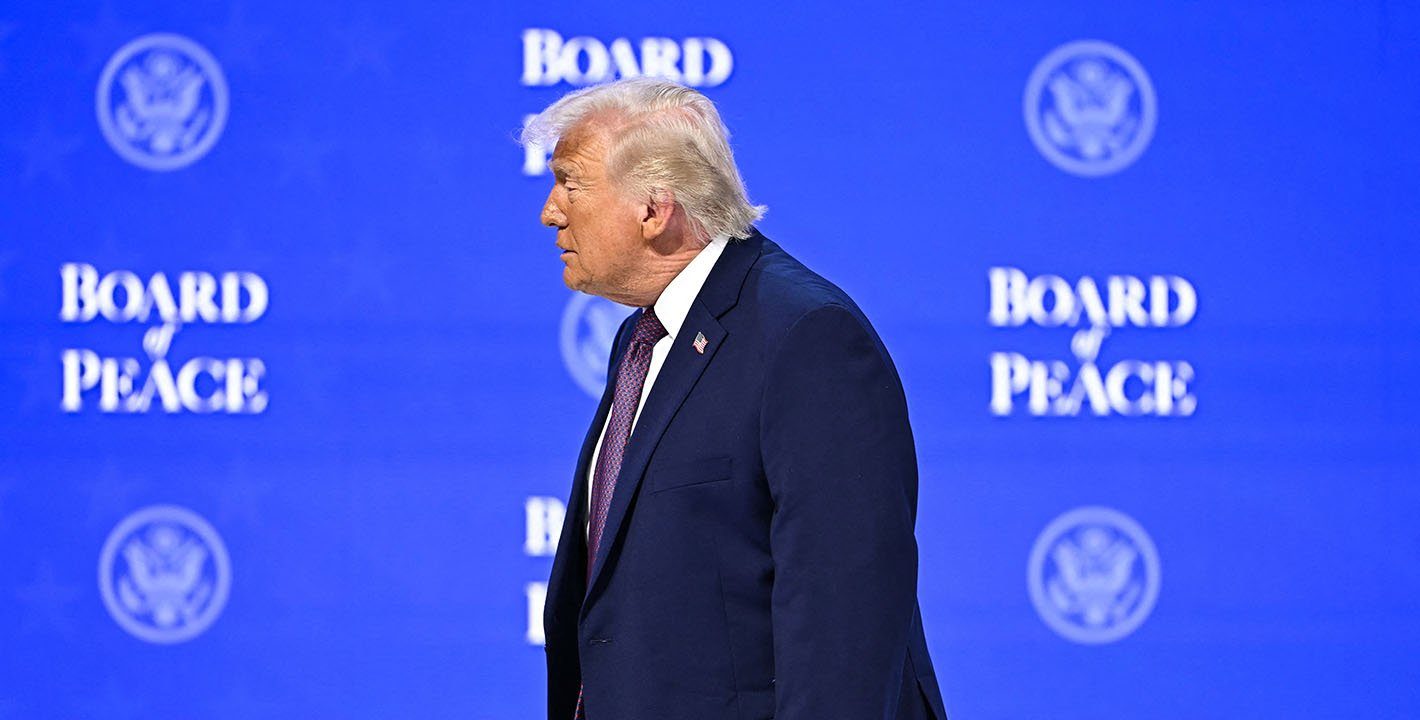
Implementing Phase 2 of Trump’s plan for the territory only makes sense if all in Phase 1 is implemented.

Yezid Sayigh

Israeli-Lebanese talks have stalled, and the reason is that the United States and Israel want to impose normalization.

Michael Young

Baku may allow radical nationalists to publicly discuss “reunification” with Azeri Iranians, but the president and key officials prefer not to comment publicly on the protests in Iran.

Bashir Kitachaev

The country’s leadership is increasingly uneasy about multiple challenges from the Levant to the South Caucasus.

Armenak Tokmajyan
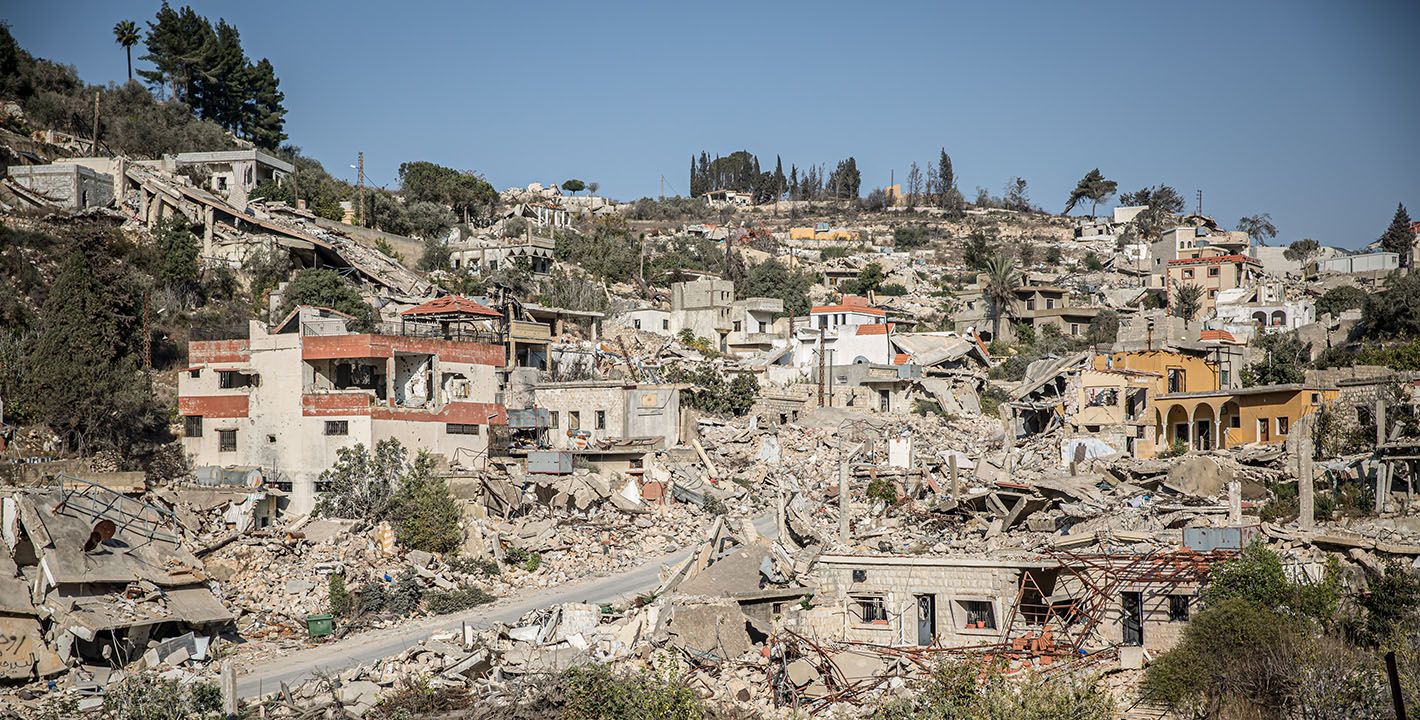
The U.S. is trying to force Lebanon and Syria to normalize with Israel, but neither country sees an advantage in this.
Michael Young