

Commentary
Just look at Iraq in 1991.
Marwan Muasher
{
  "authors": [
    "Douglas H. Paal",
    "George Perkovich",
    "Sharon Squassoni"
  ],
  "type": "other",
  "centerAffiliationAll": "dc",
  "centers": [
    "Carnegie Endowment for International Peace"
  ],
  "collections": [
    "Korean Peninsula"
  ],
  "englishNewsletterAll": "asia",
  "nonEnglishNewsletterAll": "",
  "primaryCenter": "Carnegie Endowment for International Peace",
  "programAffiliation": "AP",
  "programs": [
    "Asia",
    "Nuclear Policy"
  ],
  "projects": [],
  "regions": [
    "South Korea",
    "China"
  ],
  "topics": [
    "Military",
    "Foreign Policy",
    "Nuclear Policy",
    "Nuclear Energy"
  ]
}
Source: Getty
In briefings following North Korea's announcement to hand over details of its nuclear program, Carnegie experts noted that while it is the first of several hurdles to be overcome before North Korea may fully reintegrate into the international community, it represents the greatest understanding of the North's plutonium program in fourteen years.

Distinguished Fellow, Asia Program
Paal previously served as vice chairman of JPMorgan Chase International and as unofficial U.S. representative to Taiwan as director of the American Institute in Taiwan.

Japan Chair for a World Without Nuclear Weapons, Senior Fellow
George Perkovich is the Japan Chair for a World Without Nuclear Weapons and a senior fellow in the Carnegie Endowment for International Peace’s Nuclear Policy Program. He works primarily on nuclear deterrence, nonproliferation, and disarmament issues, and is leading a study on nuclear signaling in the 21st century.
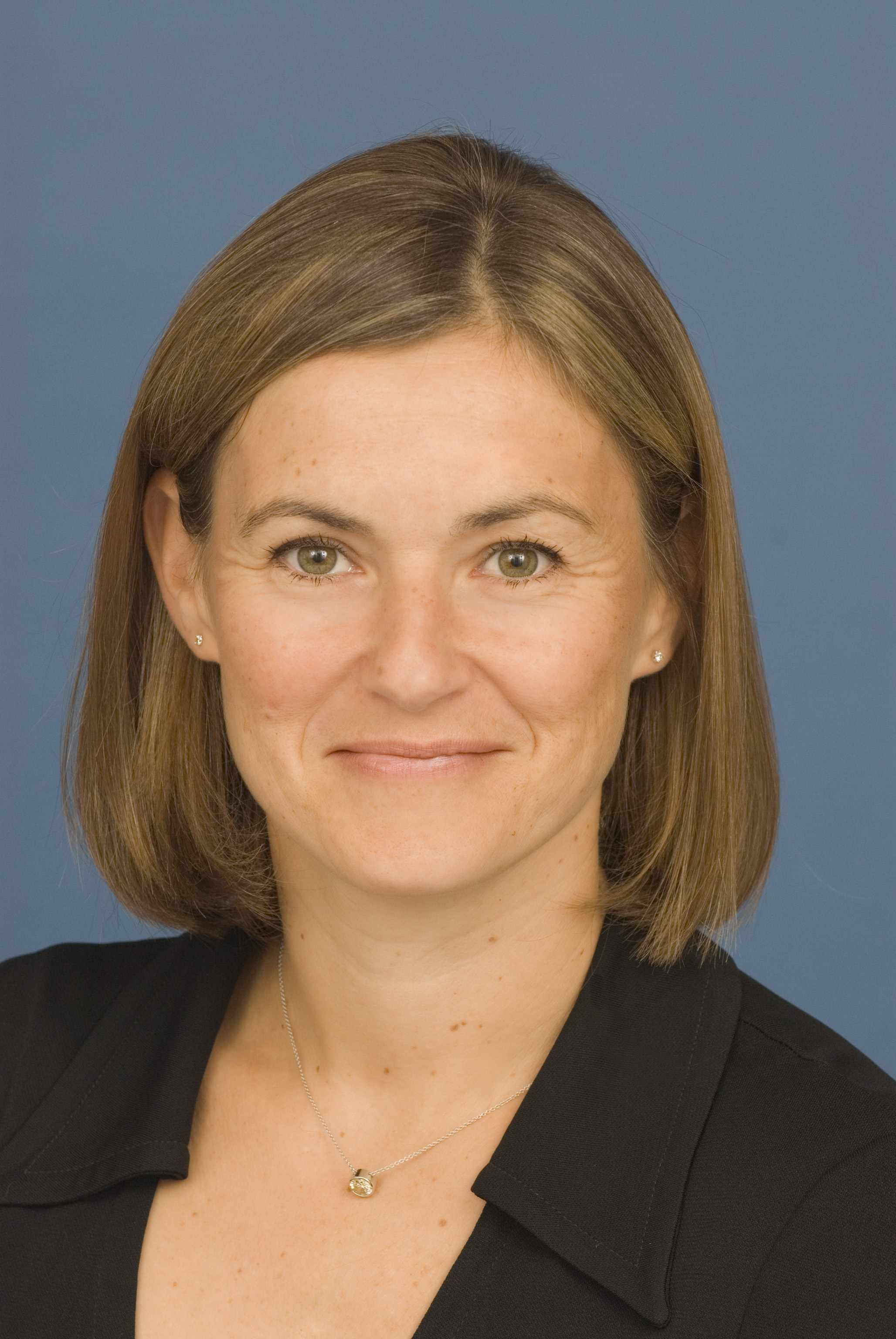
Former Senior Associate, Nuclear Policy Program
Squassoni came to Carnegie from the Congressional Research Service. She also served for nine years in the executive branch. Her last position at the State Department was director of Policy Coordination in the Nonproliferation Bureau.
Carnegie does not take institutional positions on public policy issues; the views represented herein are those of the author(s) and do not necessarily reflect the views of Carnegie, its staff, or its trustees.

Just look at Iraq in 1991.

Marwan Muasher

A coalition of states is seeking to avert a U.S. attack, and Israel is in the forefront of their mind.

Michael Young

Baku may allow radical nationalists to publicly discuss “reunification” with Azeri Iranians, but the president and key officials prefer not to comment publicly on the protests in Iran.

Bashir Kitachaev

The country’s leadership is increasingly uneasy about multiple challenges from the Levant to the South Caucasus.

Armenak Tokmajyan
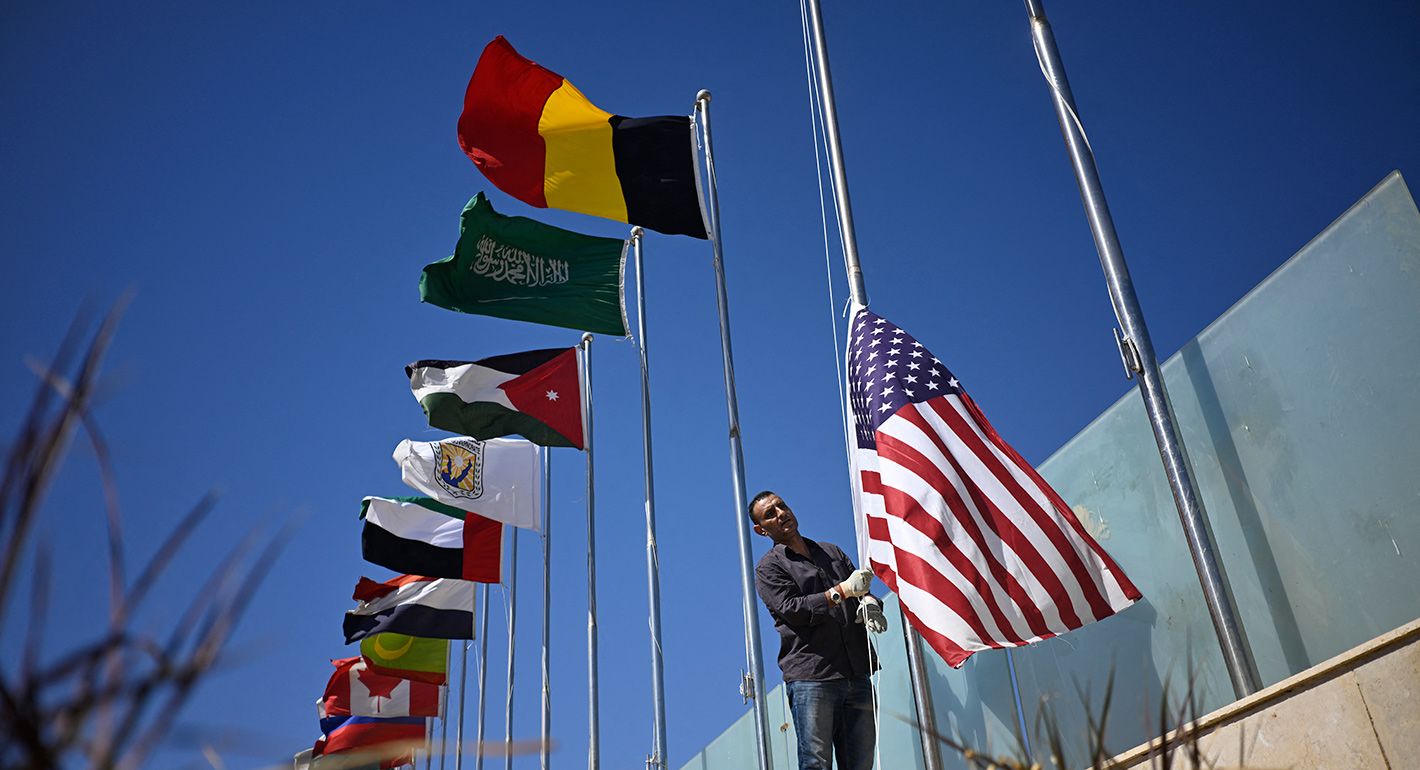
The countries of the region have engaged in sustained competition that has tested their capacities and limitations, while resisting domination by rivals. Can a more stable order emerge from this maelstrom, and what would it require?
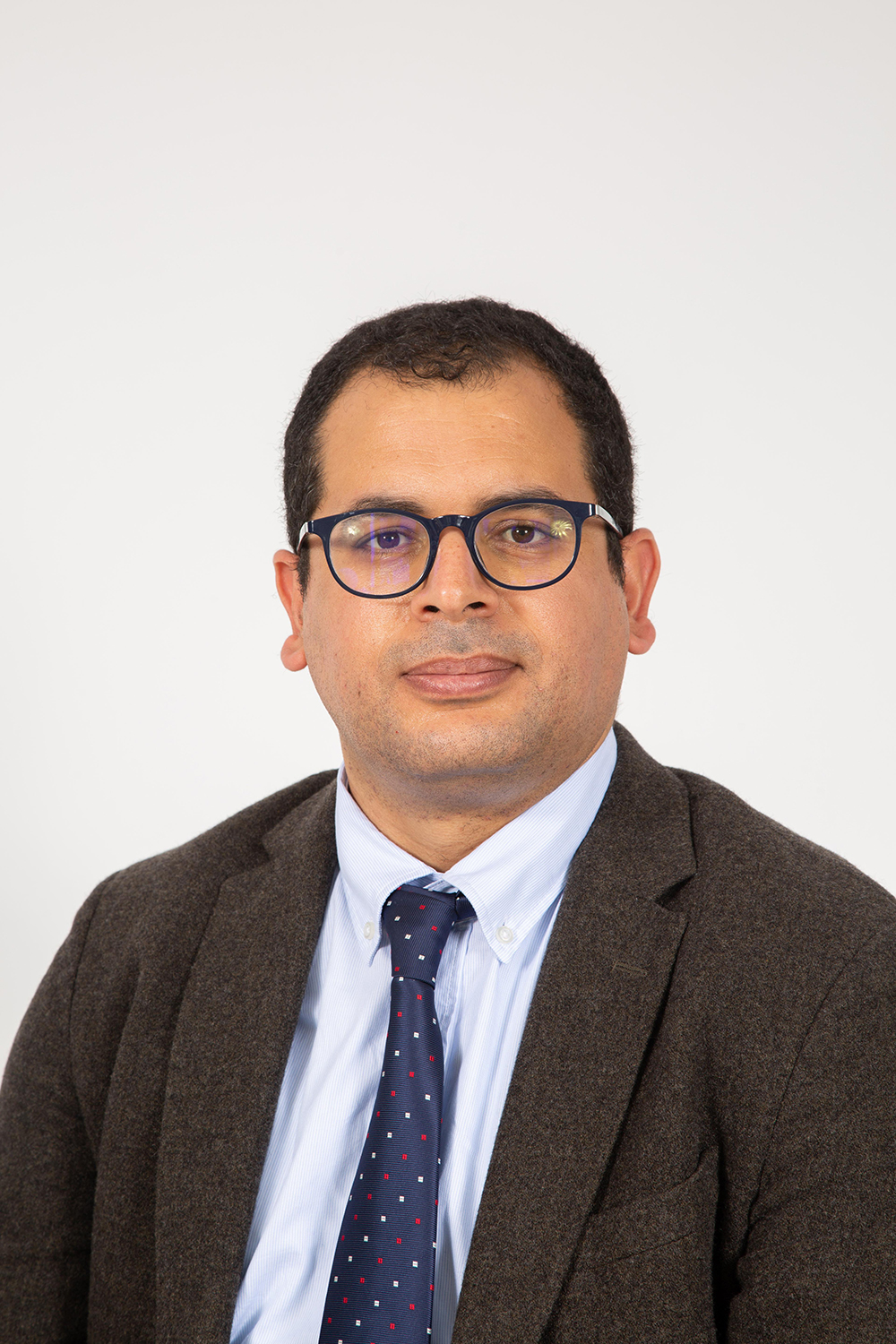
Hamza Meddeb, Mohamed Ali Adraoui