

Commentary
Israeli-Lebanese talks have stalled, and the reason is that the United States and Israel want to impose normalization.
Michael Young
{
  "authors": [
    "Michael D. Swaine",
    "M. Taylor Fravel"
  ],
  "type": "legacyinthemedia",
  "centerAffiliationAll": "",
  "centers": [
    "Carnegie Endowment for International Peace"
  ],
  "collections": [],
  "englishNewsletterAll": "",
  "nonEnglishNewsletterAll": "",
  "primaryCenter": "Carnegie Endowment for International Peace",
  "programAffiliation": "",
  "programs": [
    "Asia"
  ],
  "projects": [],
  "regions": [
    "North America",
    "United States",
    "East Asia",
    "South Korea",
    "China",
    "Taiwan",
    "Japan",
    "Southeast Asia"
  ],
  "topics": [
    "Political Reform",
    "Security",
    "Military",
    "Foreign Policy"
  ]
}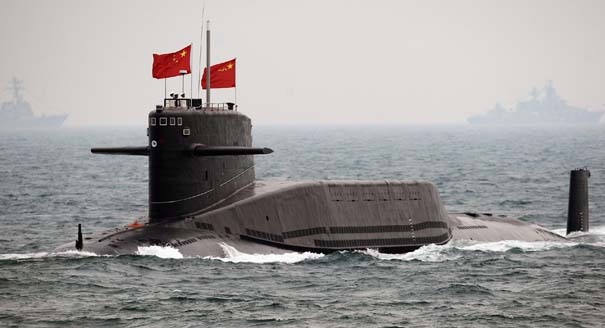
While China's behavior in its surrounding seas has become more assertive in recent years, its basic strategy of avoiding conflict in favor of negotiation and cautious management, while defending against attempts by others to undermine its position, remains the same.
Source: China Leadership Monitor
This China Leadership Monitor (CLM) will examine Chinese actions along China’s entire maritime periphery, from the Yellow Sea to the South China Sea, with regard to both disputed and undisputed maritime areas, as well as those recent official diplomatic statements and legal submissions from the People's Republic of China (PRC) of relevance to such maritime behavior.
The primary purpose of such an examination is: a) to assess whether, to what degree, and in what major ways China has become more assertive along its maritime periphery in recent years; b) to examine the external and internal forces motivating China to become more or less assertive over time; and c) to assess the prospects for Chinese assertiveness with regard to maritime sovereignty issues in the future.
The essay will examine what have been regarded by outside observers as the most potentially troubling Chinese actions and diplomatic or legal statements with regard to territorial issues taken along China’s maritime periphery since approximately 2007–2008, when concern with a more “assertive” China was emerging in the West and elsewhere (see CLM 32). These encompass five major issue areas: 1) legal and diplomatic submissions, statements, and governmental actions with regard to the South China Sea; 2) diplomatic statements and governmental actions with regard to the East China Sea; 3) legal statements and actions concerning China’s maritime Exclusive Economic Zone (EEZ); and 4) diplomatic, official, and media statements and actions with regard to the Yellow Sea.
For each issue area, the essay will: 1) provide as accurate a summary as possible from open sources of the major relevant Chinese behavior that has occurred since 2007–2008; 2) assess whether such behavior represents an increase or decrease in frequency and type or intensity compared to earlier years; and 3) examine the larger external and domestic context surrounding such Chinese behavior, to determine the apparent motives and objectives at work and the reasons for apparent changes in level and intensity over time. The essay will conclude with an assessment of the significance of and future prospects for Chinese assertiveness in the maritime realm derived from the preceding analysis.
Carnegie does not take institutional positions on public policy issues; the views represented herein are those of the author(s) and do not necessarily reflect the views of Carnegie, its staff, or its trustees.

Israeli-Lebanese talks have stalled, and the reason is that the United States and Israel want to impose normalization.

Michael Young

Baku may allow radical nationalists to publicly discuss “reunification” with Azeri Iranians, but the president and key officials prefer not to comment publicly on the protests in Iran.

Bashir Kitachaev

The country’s leadership is increasingly uneasy about multiple challenges from the Levant to the South Caucasus.

Armenak Tokmajyan
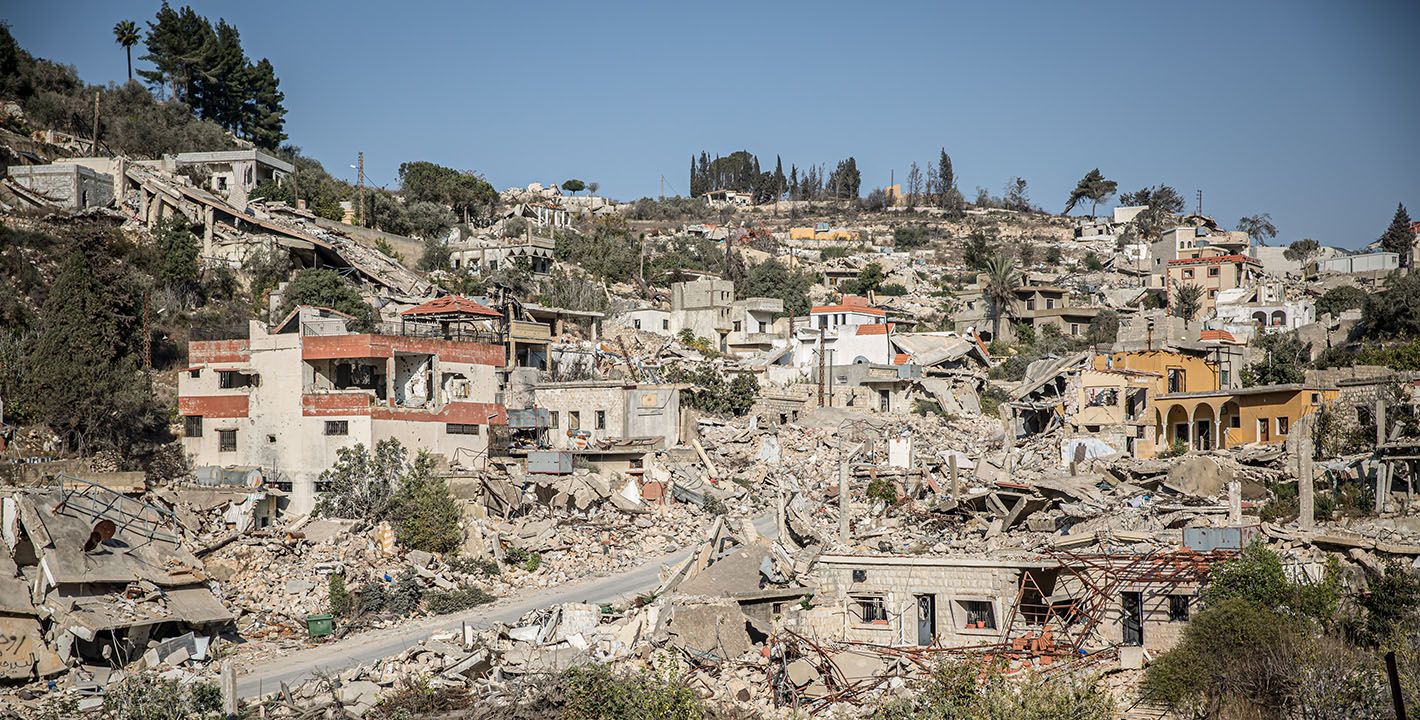
The U.S. is trying to force Lebanon and Syria to normalize with Israel, but neither country sees an advantage in this.
Michael Young
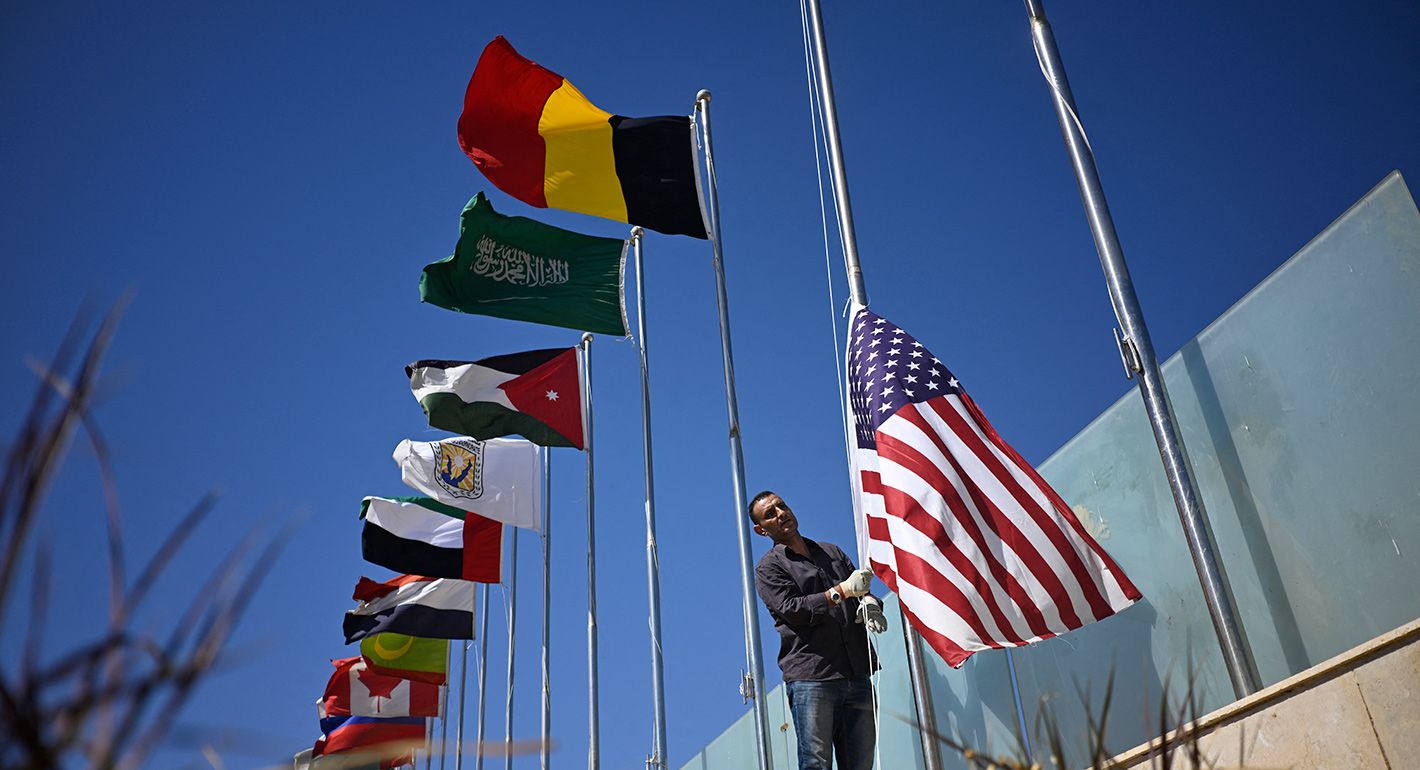
The countries of the region have engaged in sustained competition that has tested their capacities and limitations, while resisting domination by rivals. Can a more stable order emerge from this maelstrom, and what would it require?


Hamza Meddeb, Mohamed Ali Adraoui