

Commentary
Israeli-Lebanese talks have stalled, and the reason is that the United States and Israel want to impose normalization.
Michael Young
{
  "authors": [
    "Zhang Chuanjie"
  ],
  "type": "legacyinthemedia",
  "centerAffiliationAll": "",
  "centers": [
    "Carnegie Endowment for International Peace",
    "Carnegie China"
  ],
  "collections": [
    "China’s Foreign Relations"
  ],
  "englishNewsletterAll": "",
  "nonEnglishNewsletterAll": "",
  "primaryCenter": "Carnegie China",
  "programAffiliation": "",
  "programs": [],
  "projects": [],
  "regions": [
    "North America",
    "United States",
    "Middle East",
    "Iraq"
  ],
  "topics": [
    "Security",
    "Military",
    "Foreign Policy"
  ]
}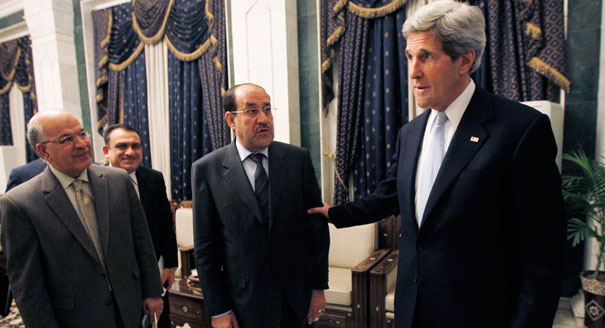
Given continuing sectarian strife and a rise in terrorist cells in Iraq, the U.S. invasion of the country could be a considered a military victory but is increasingly seen as the wrong political decision.
Source: CCTV
Speaking on CCTV, Carnegie-Tsinghua’s Zhang Chuanjie discussed the political implications and social consequences of the Iraq War ten years after the U.S. invasion. Describing the move as a military success, he said it was the wrong political decision.
Referring to the continuing sectarian strife in Iraq, Zhang noted that all sides must be willing to compromise within a political framework, without resorting to violence. It will take a long time before the political situation can be stabilized, he added. Zhang stated that in the interim, Iraq is a “very weak state, lacking legitimacy among these different political sectors” which will have a major ramifications for terrorism in Iraq and throughout the region.
Turning to other U.S. security interests in the Middle East, Zhang noted how the Iraqi invasion served no practical purpose against the primary threat from Iran.
Carnegie does not take institutional positions on public policy issues; the views represented herein are those of the author(s) and do not necessarily reflect the views of Carnegie, its staff, or its trustees.
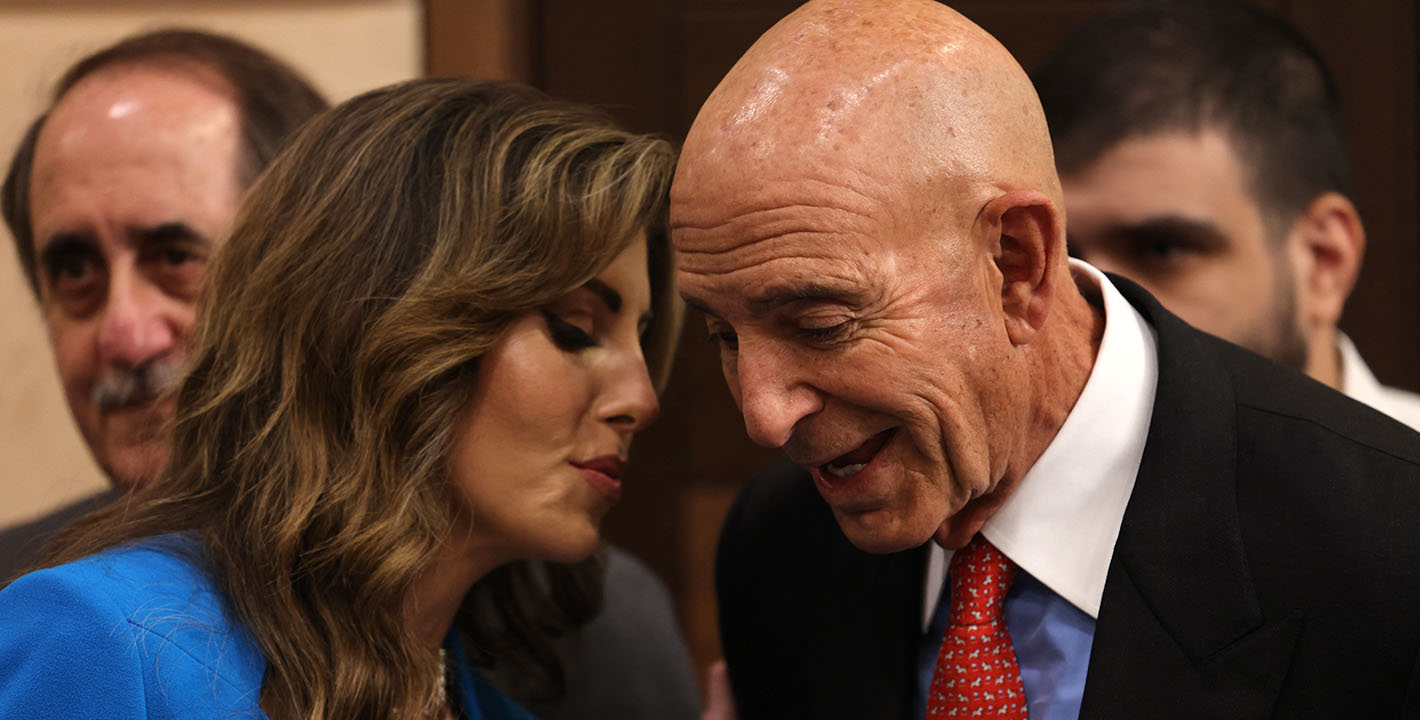
Israeli-Lebanese talks have stalled, and the reason is that the United States and Israel want to impose normalization.

Michael Young
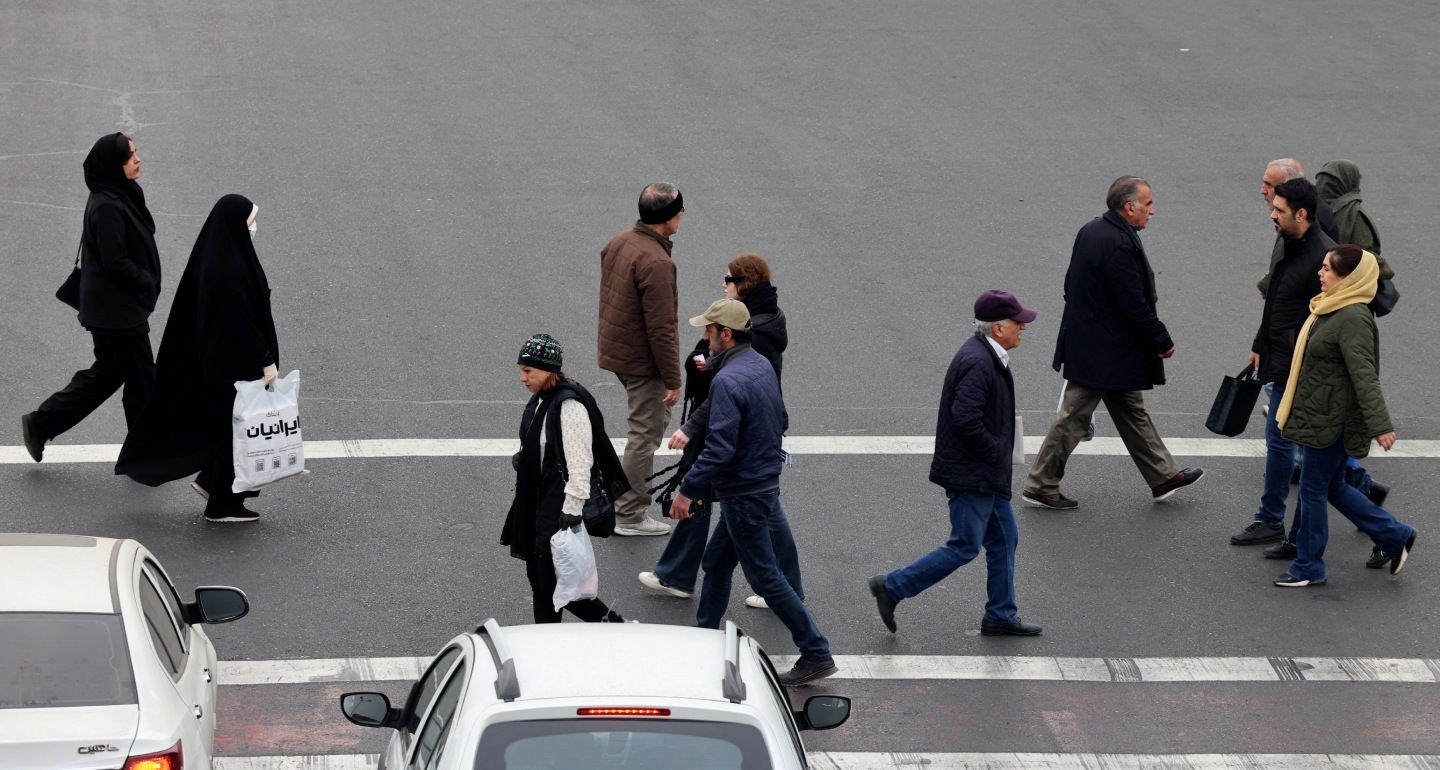
Baku may allow radical nationalists to publicly discuss “reunification” with Azeri Iranians, but the president and key officials prefer not to comment publicly on the protests in Iran.

Bashir Kitachaev
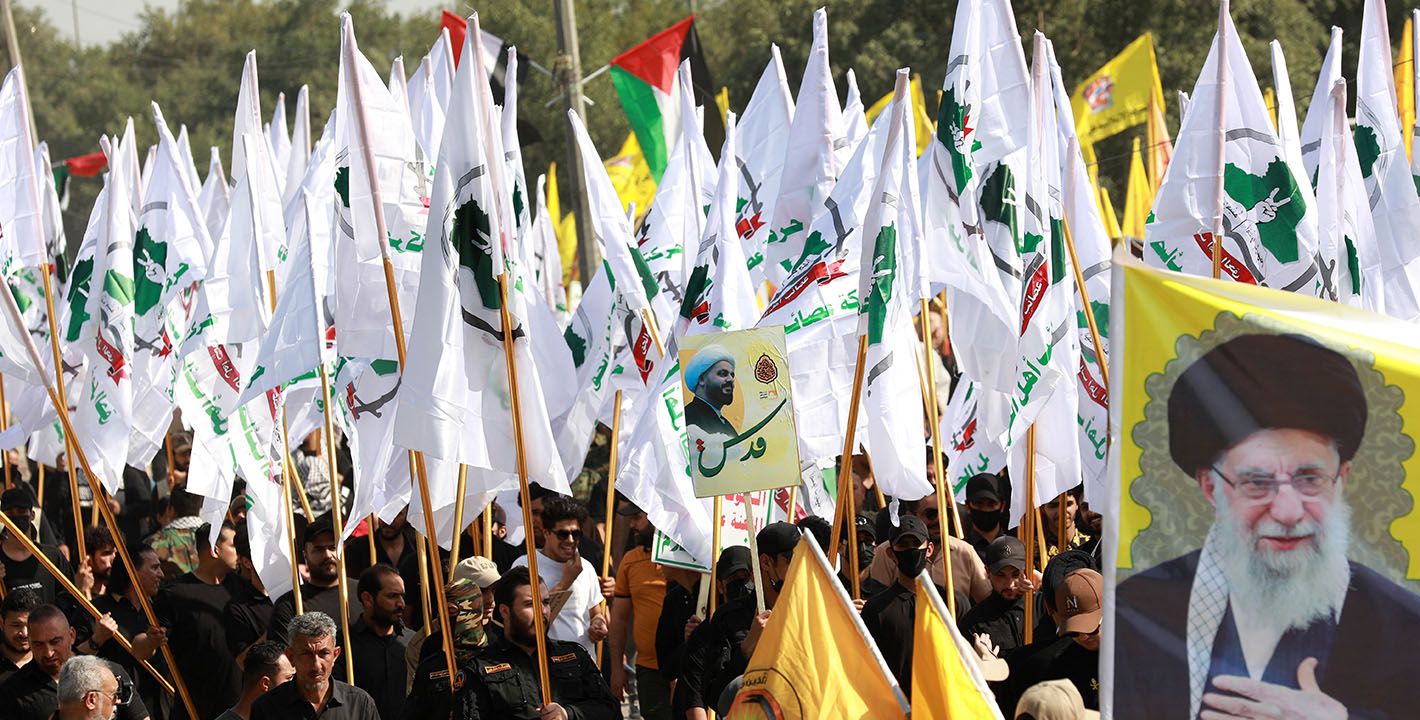
Beirut and Baghdad are both watching how the other seeks to give the state a monopoly of weapons.
Hasan Hamra
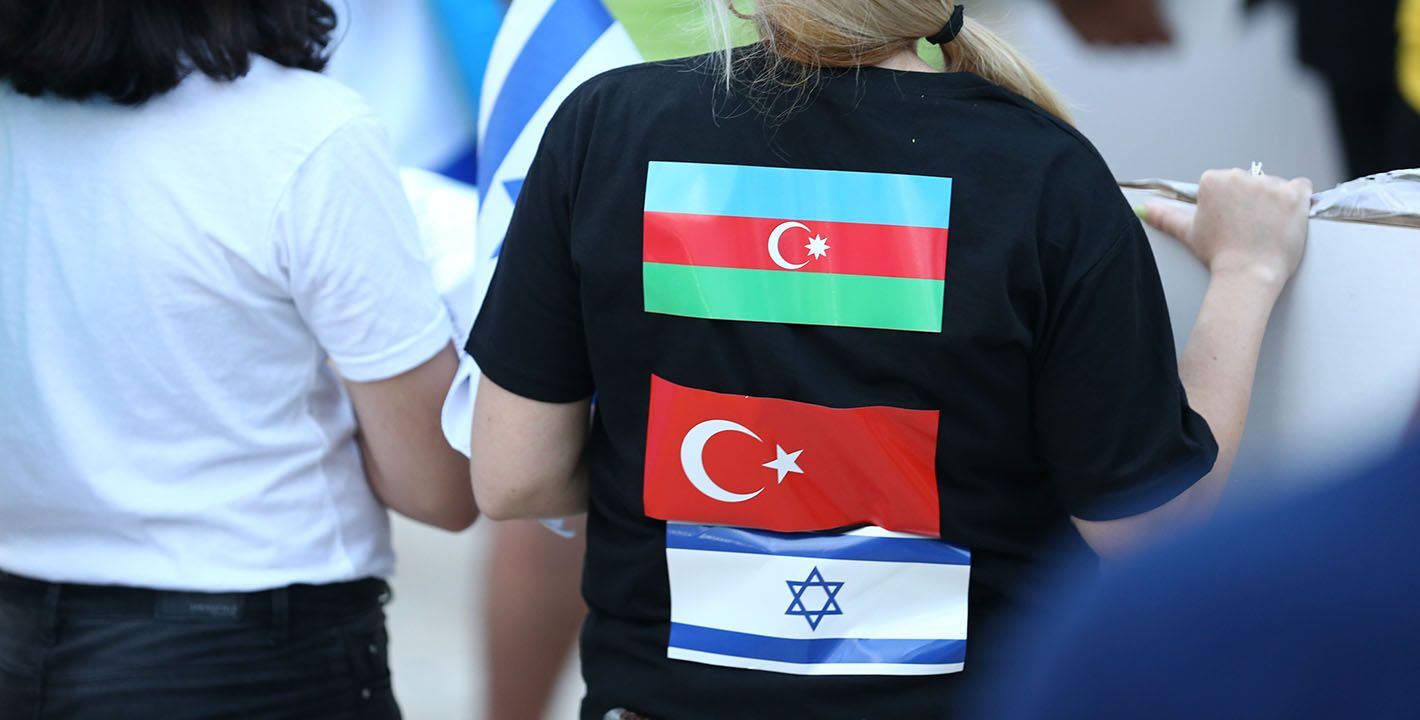
The country’s leadership is increasingly uneasy about multiple challenges from the Levant to the South Caucasus.
Armenak Tokmajyan
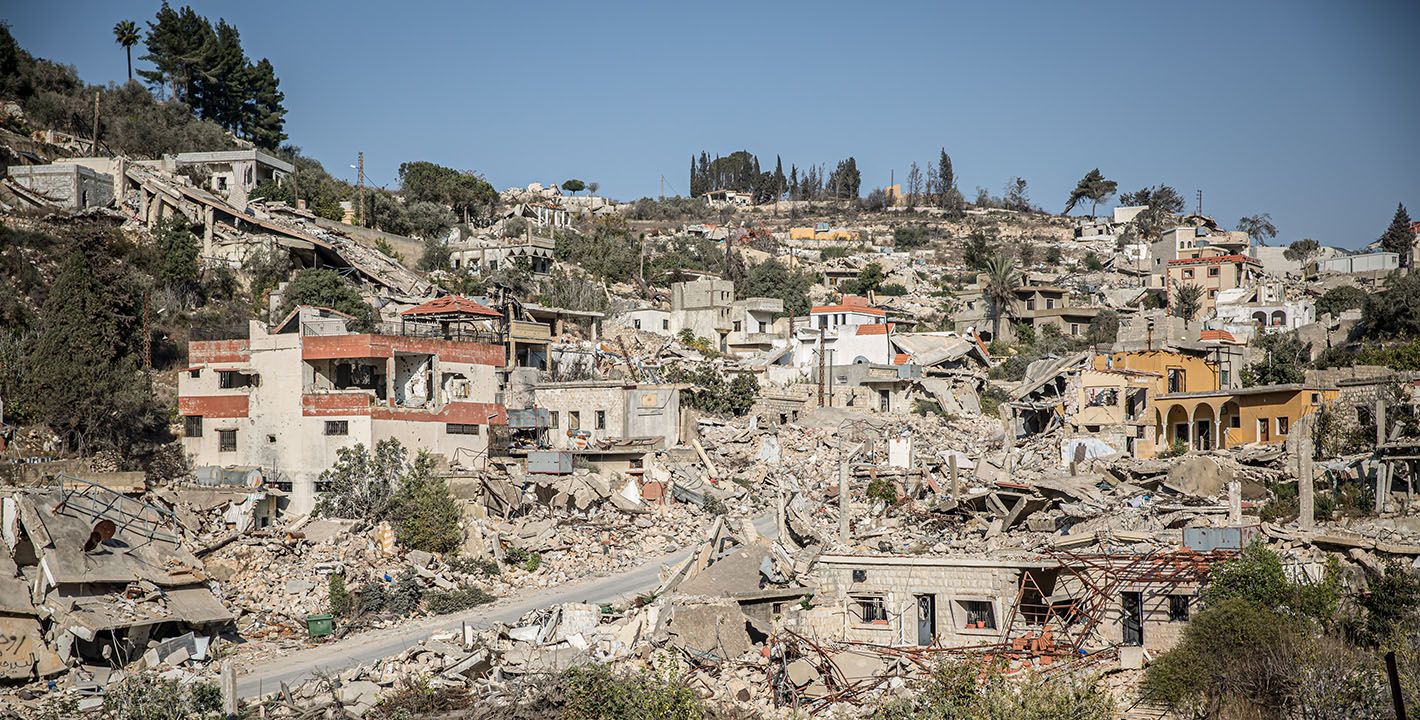
The U.S. is trying to force Lebanon and Syria to normalize with Israel, but neither country sees an advantage in this.
Michael Young