

Commentary
Israeli-Lebanese talks have stalled, and the reason is that the United States and Israel want to impose normalization.
Michael Young
{
  "authors": [
    "Richard Youngs"
  ],
  "type": "legacyinthemedia",
  "centerAffiliationAll": "",
  "centers": [
    "Carnegie Endowment for International Peace",
    "Carnegie Europe",
    "Malcolm H. Kerr Carnegie Middle East Center"
  ],
  "collections": [],
  "englishNewsletterAll": "",
  "nonEnglishNewsletterAll": "",
  "primaryCenter": "Carnegie Europe",
  "programAffiliation": "",
  "programs": [
    "Democracy, Conflict, and Governance",
    "Middle East",
    "Europe"
  ],
  "projects": [],
  "regions": [
    "Middle East",
    "Europe",
    "Levant",
    "Israel",
    "Palestine",
    "Western Europe",
    "Iran"
  ],
  "topics": [
    "Foreign Policy",
    "Democracy",
    "Political Reform",
    "EU"
  ]
}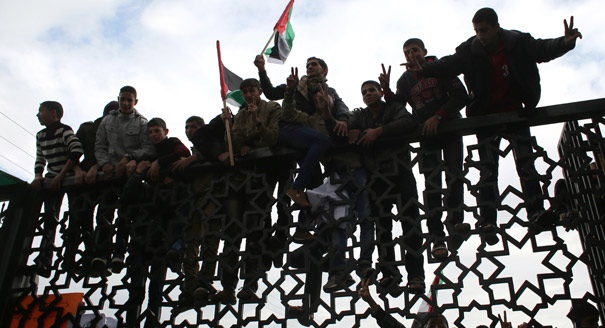
While recognizing a Palestinian state could play a modest role in unblocking peace negotiations, it can only offer a partial solution to the Israeli-Palestinian conflict.
Source: LSE Europp Blog
In several European countries there is now serious debate about recognising Palestine as an independent state. The Swedish government has decided in favour of recognition, while parliamentary votes have come out in favour in the UK, Ireland and Spain. Attention is now turning to a (possibly imminent) vote in the French Parliament. And texts are also being drawn up for a resolution in the European Parliament urging the European Union to opt for recognition. The EU’s new foreign policy high representative, Federica Mogherini, has made comments that some interpret as pushing in the same direction.
In a relatively short period of time, considerable momentum has built up behind the idea that giving formal recognition to a Palestinian state is now the only way forward in attempts to reach some form of peace settlement. Last week’s tragic killings in synagogues in Jerusalem highlight the dangers of Palestinian anger becoming increasingly inflamed in the wake of the shocking death toll from Israel’s attack on Gaza in the summer. Many in Europe now argue that the current spiral of violence means a radical change of approach is warranted in the Middle East. They are right, but we must not overlook the improvements the EU must still make to its existing strategies towards the conflict.
The focus on recognising Palestine could play a modest role in unblocking the impasse in peace negotiations. At the same time, however, the question of recognition should not divert the EU and European governments from correcting weaknesses in their practical cooperation policies in the Occupied Territories. Enhanced and more balanced engagement on the ground is imperative and there is an urgent need for this to take place in the short-term.It is important to understand just what has failed in the European approach to the Israeli-Palestinian conflict in recent years. This is necessary to appreciate why recognition would only be half of an effective strategy. The main plank of the EU’s strategy has been to help prepare the Occupied Palestinian Territories (OPTs) for statehood. European states have channelled significant amounts of funding into building Palestinian institutions. The OPTs are amongst the biggest recipients of European aid. In total, European aid is in excess of 1 billion euros each year to the Occupied Territories. On a per capita basis, Palestinians are among the most highly funded aid recipients in the world.
And European governments have registered much success in this endeavour. As by far the largest donor to the Occupied Territories, the EU has helped Palestinians equip themselves with the governmental institutions they will need to run a state. However, this institution-building focus made most sense when it was nested within peace talks. European countries cannot simply keep pouring funds in if these institutions are not allowed to function as proper state bodies.
In the now dead peace talks, it's time to consider more direct ways toward Palestinian statehood.Tweet This
Of course, peace talks ran into the ground earlier this year. Since the Israeli attacks on Gaza in August, the international community has been concerned simply with trying to preserve the fragile ceasefire between Israel and Hamas. It has also begun to offer reconstruction aid for the Gaza Strip. These are necessary measures, but they represent a step back from the ambition of negotiating a long-term and deeply-rooted peace.
This raises a question mark over the approach the EU has followed for the last twenty years. In the now dead peace talks, the United States tried to negotiate a basic framework for tackling all topics by consent; this approach may now have reached the end of the road. And it is for this reason that it is indeed time to consider more direct ways toward Palestinian statehood.
With formal recognition, the Palestinians could have the possibility of taking legal action against Israeli human rights abuses. Support could be given for the Palestinian Authority to join the International Criminal Court as a means of bringing legal cases against Israeli soldiers. Yet, crucially, debates on recognition will not be sufficient and we should not expect that they can address all current challenges. While raising the prospect of recognition, there are other aspects of its policies that the EU needs to revise.
EU funding in the Occupied Territories has contributed to the propping up of a dysfunctional Palestinian Authority.Tweet This
European funding in the Occupied Territories has become unbalanced and has contributed to the propping up of an increasingly dysfunctional Palestinian Authority. The way the EU is pushing for Fatah to regain control of Gaza from Hamas could make instability even worse. The EU could still be doing a lot more to enable Palestinian institutions to function effectively and democratically.
The EU must start to engage with Hamas. The EU appears to be counting on the Palestinian Authority regaining control of Gaza, but Hamas cannot simply be side-lined without risking major instability – that would set back the Palestinian cause even if formal statehood were recognised. Some form of engagement is necessary if the EU is to help the fragile unity government merge the different institutional structures of Gaza and the West Bank into a single political space.
Of course, at the same time the EU must also help Israel with its perfectly legitimate security concerns. It is right to offer Israel new forms of cooperation, in an effort to improve relations from the low point that they have now reached. The challenge is to help with these security questions in a way that garners more popular legitimacy on both sides of the conflict.
Recognition cannot become a pretext for the EU to pull back from a stronger engagement in the Occupied Territories.Tweet This
Ultimately, European countries need to consider new options for a long-term resolution of the conflict, but they should also focus on short-term imperatives to prevent another period of violence. Recognition cannot become a pretext for European governments pulling back from a stronger engagement on the ground in the Occupied Territories.
Carnegie does not take institutional positions on public policy issues; the views represented herein are those of the author(s) and do not necessarily reflect the views of Carnegie, its staff, or its trustees.
Israeli-Lebanese talks have stalled, and the reason is that the United States and Israel want to impose normalization.
Michael Young
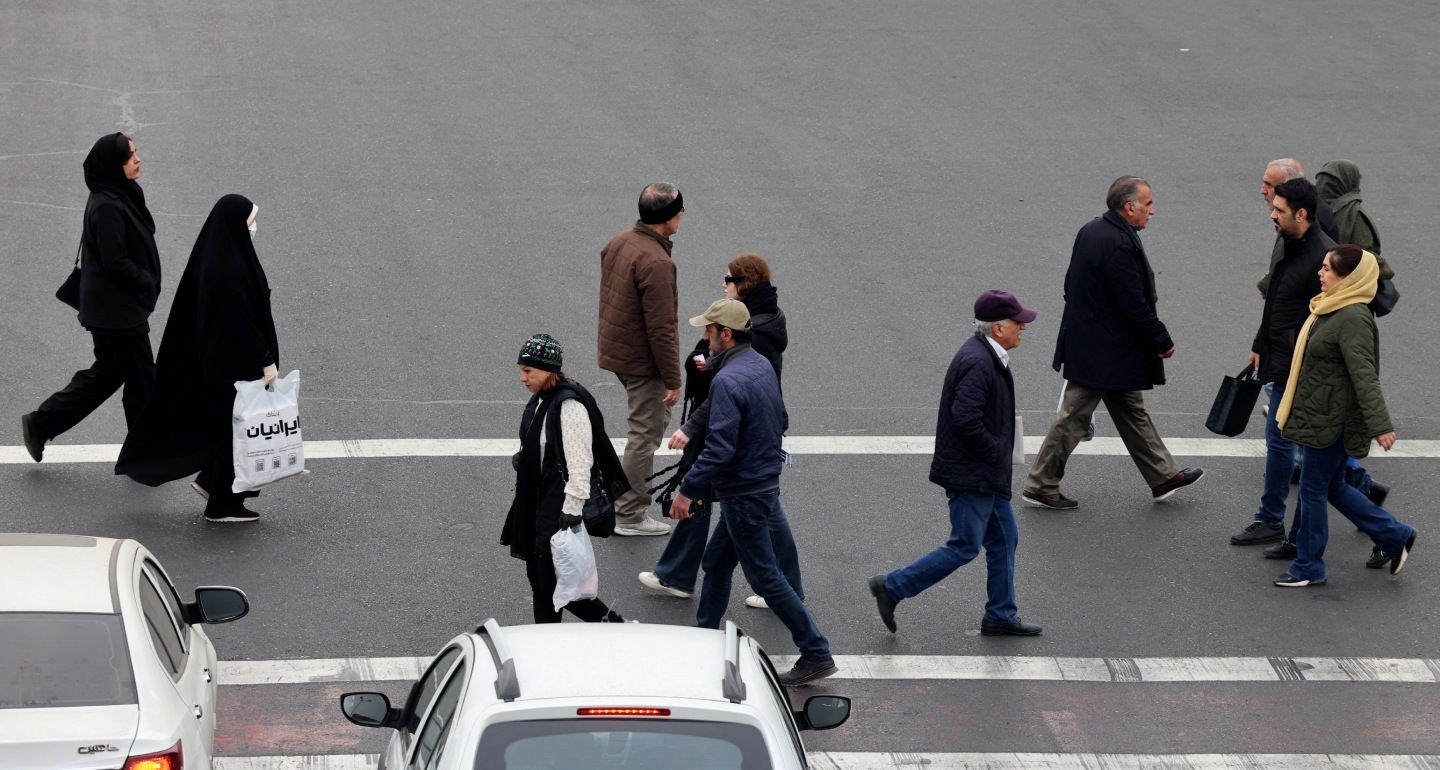
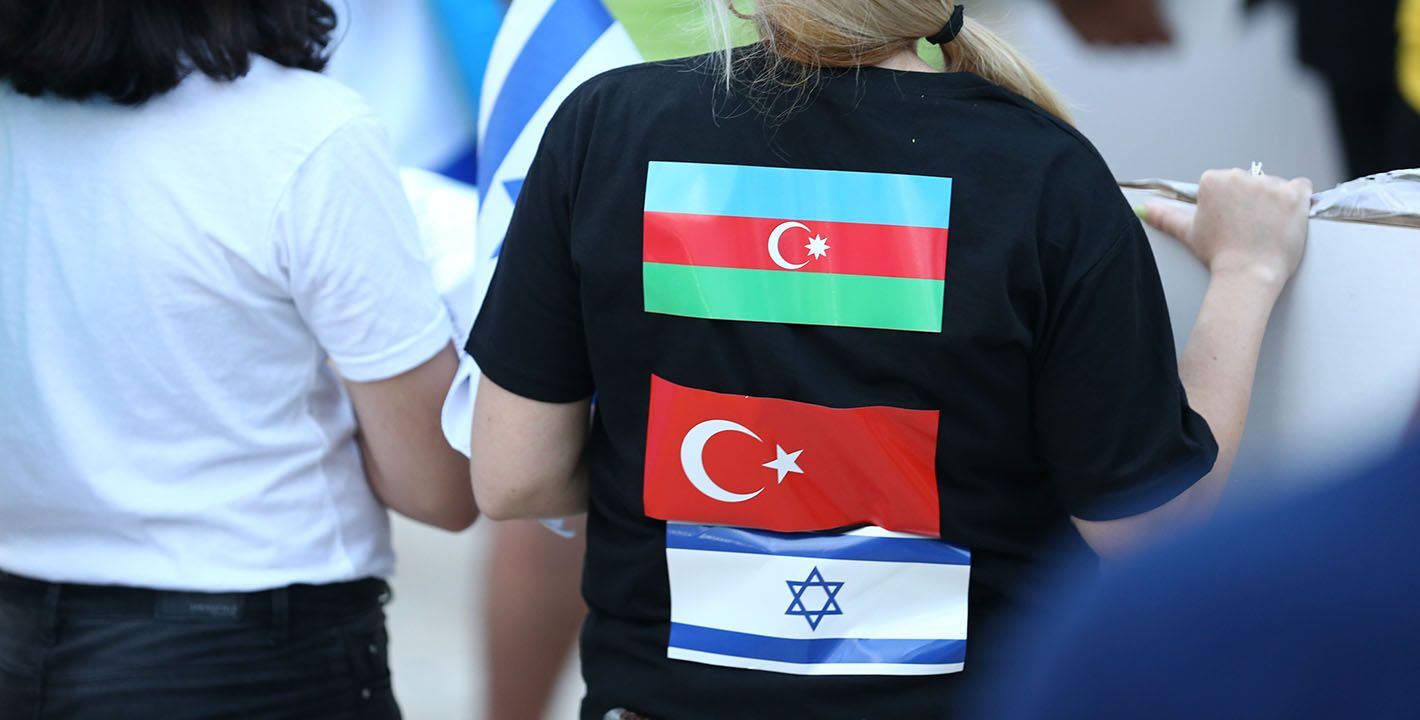
Baku may allow radical nationalists to publicly discuss “reunification” with Azeri Iranians, but the president and key officials prefer not to comment publicly on the protests in Iran.

Bashir Kitachaev
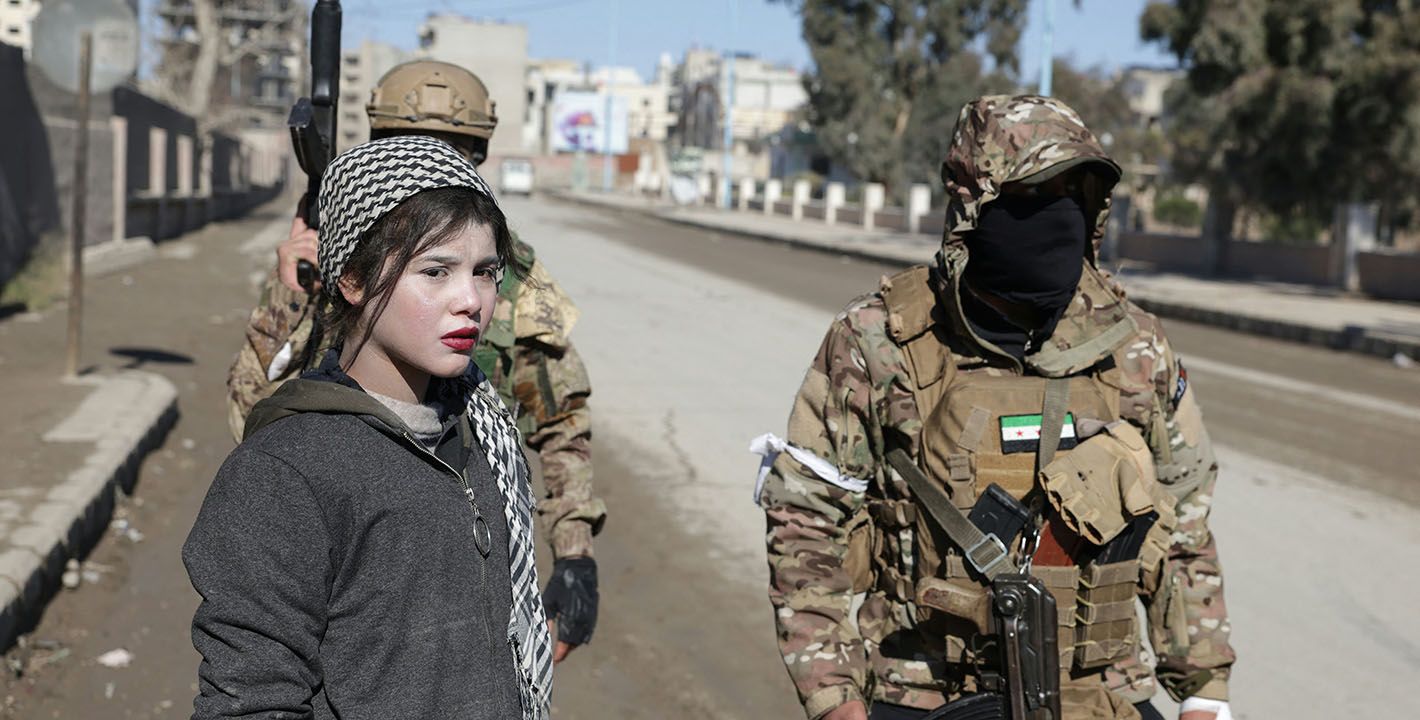
The government’s gains in the northwest will have an echo nationally, but will they alter Israeli calculations?
Armenak Tokmajyan
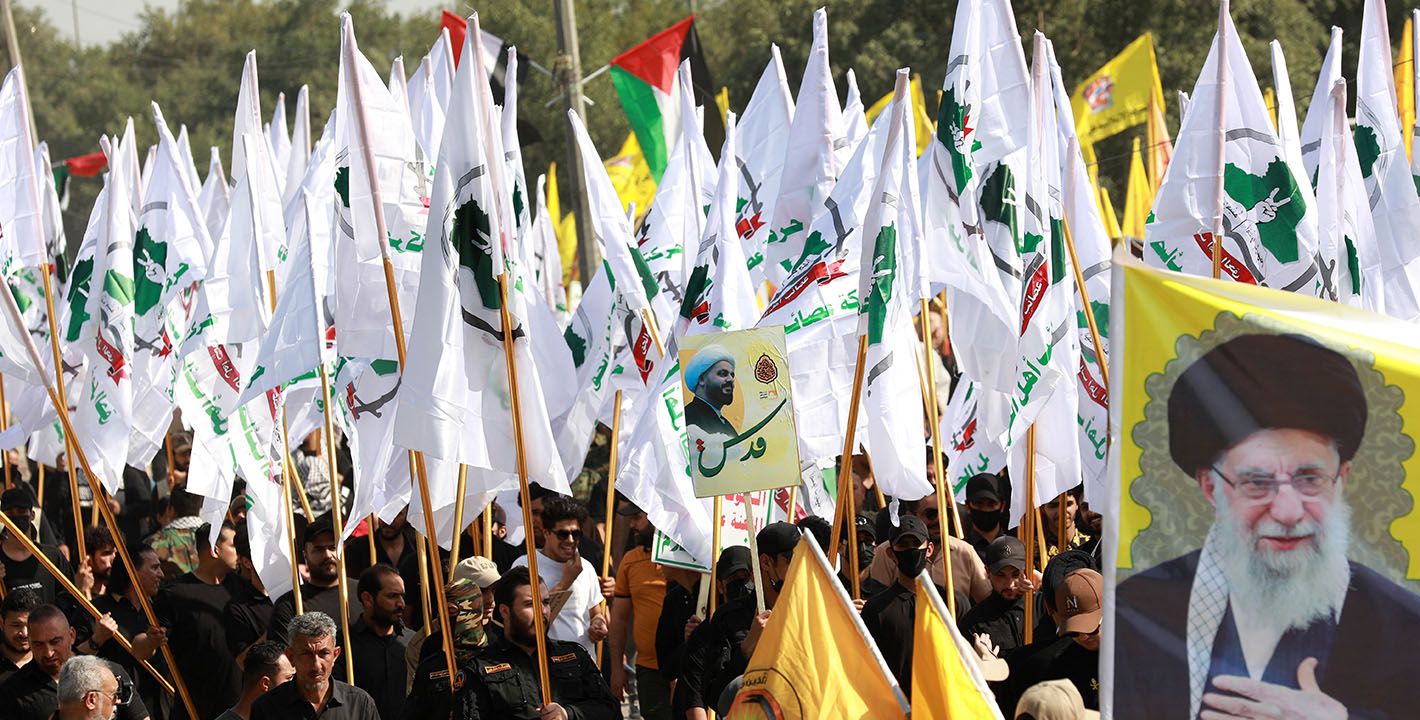
Beirut and Baghdad are both watching how the other seeks to give the state a monopoly of weapons.
Hasan Hamra
The country’s leadership is increasingly uneasy about multiple challenges from the Levant to the South Caucasus.
Armenak Tokmajyan