

Commentary
Israeli-Lebanese talks have stalled, and the reason is that the United States and Israel want to impose normalization.
Michael Young
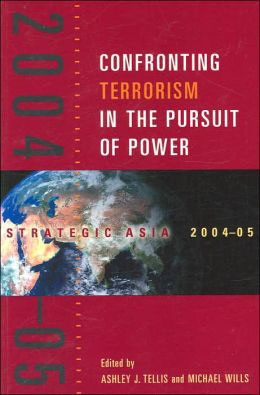
A new book provides broad trend analyses of the major Asian sub-regions, as well as an array of transnational topical studies. It also evaluates current threats to regional peace and stability, considering how the strategic environment in Asia could change.
Source: The National Bureau of Asian Research

—Robert A. Scalapino, University of California at Berkeley
Edited by Ashley J. Tellis and Michael Wills, and written by some of America’s leading specialists including Michael Swaine, senior associate at the Carnegie Endowment for International Peace, this new study provides an authoritative, independent assessment of the implications of the U.S.-led war on terrorism in Asia and analyzes its effects on the grand strategies of the region’s major powers.
Strategic Asia 2004–05: Confronting Terrorism in the Pursuit of Power includes broad trend analyses of the major Asian sub-regions, as well as an array of transnational topical studies. The reportcontains studies of five major powers in the region—the United States, China, Japan, Korea, and Russia—and regional studies on Central, South, and Southeast Asia, and the Middle East. It includes special studies on trends in energy security, proliferation of weapons of mass destruction, and science and technology in Asia, as well as alternative outcomes to the North Korean nuclear crisis.The book also evaluates current threats to regional peace and stability, and, through innovative forecasts, considers how the strategic environment in Asia could change surprisingly and underscores the reasons for, and implications of, such strategic discontinuities.
Order this book, or read the introduction by Ashley J. Tellis for free.
About the Authors
Ashley J. Tellis, senior associate at the Carnegie Endowment for International Peace, served in the U.S. Department of State as senior advisor to the Ambassador at the U.S. embassy in India and on the National Security Council staff as special assistant to the president and senior director, strategic planning and Southwest Asia. He is the author of India’s Emerging Nuclear Posture and co-author of Interpreting China’s Grand Strategy. He has co-edited Strategic Asia 2005-06: Military Modernization in an Era of Uncertainty.
Michael Wills is director of Southeast Asia Studies at The National Bureau of Asian Research.
Carnegie does not take institutional positions on public policy issues; the views represented herein are those of the author(s) and do not necessarily reflect the views of Carnegie, its staff, or its trustees.

Israeli-Lebanese talks have stalled, and the reason is that the United States and Israel want to impose normalization.

Michael Young
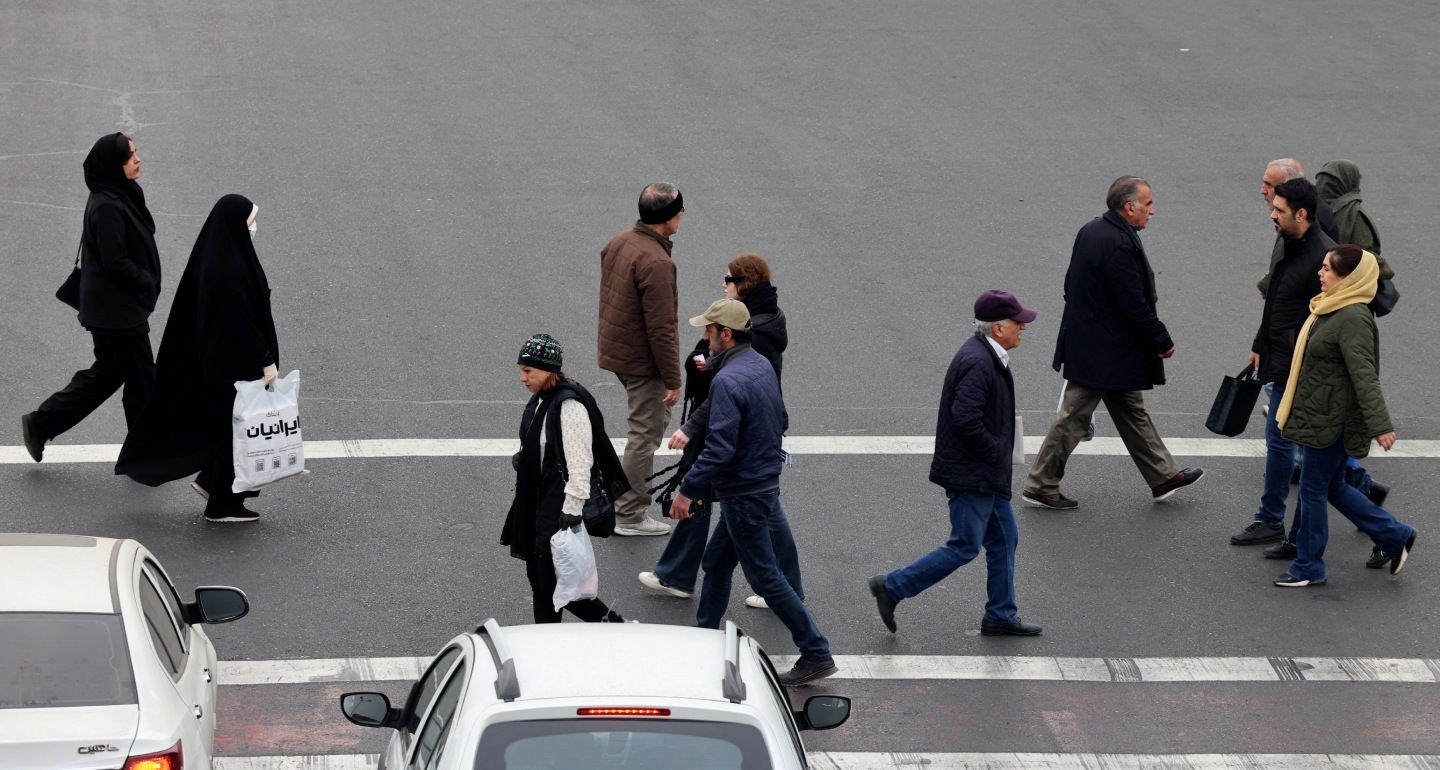
Baku may allow radical nationalists to publicly discuss “reunification” with Azeri Iranians, but the president and key officials prefer not to comment publicly on the protests in Iran.

Bashir Kitachaev

The country’s leadership is increasingly uneasy about multiple challenges from the Levant to the South Caucasus.
Armenak Tokmajyan
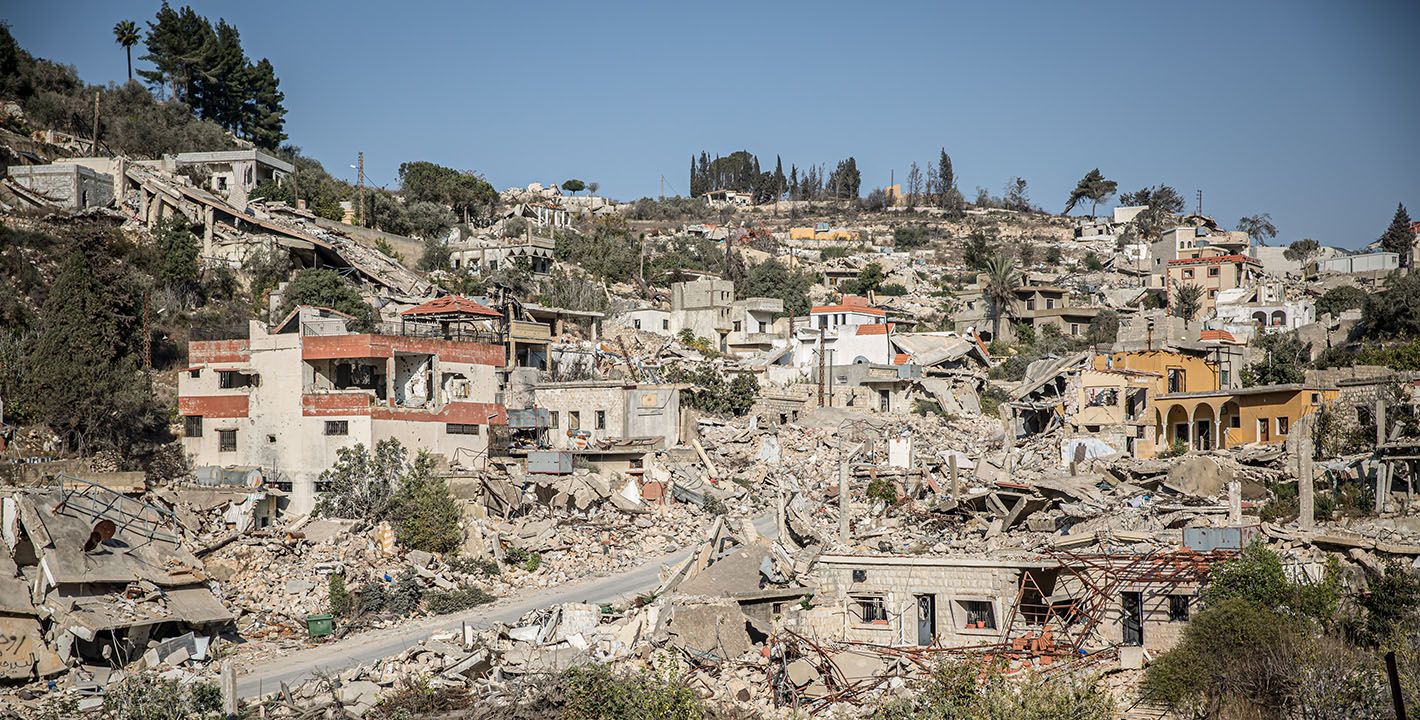
The U.S. is trying to force Lebanon and Syria to normalize with Israel, but neither country sees an advantage in this.
Michael Young
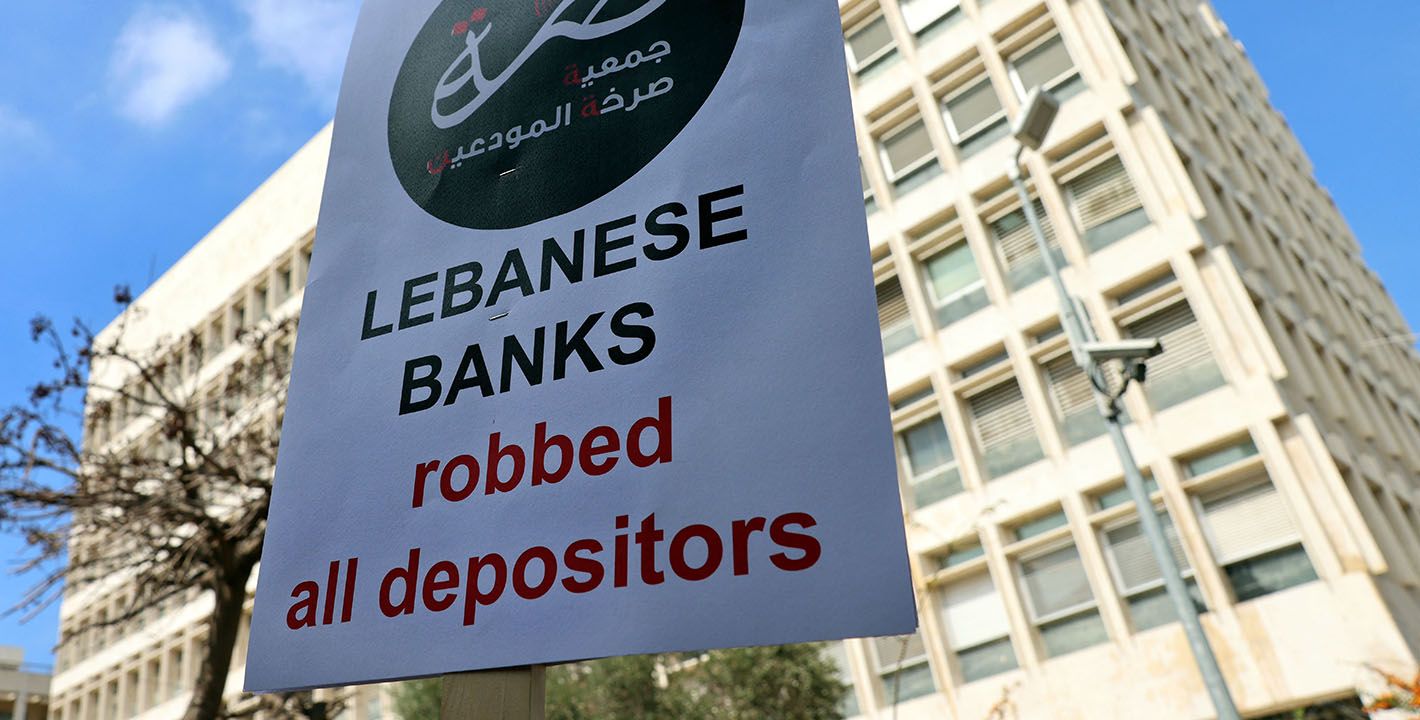
In an interview, Ishac Diwan looks at the merits and flaws in the draft legislation distributing losses from the financial collapse.
Michael Young