

Commentary
Fifteen years after the Arab uprisings, a new generation is mobilizing behind an inclusive growth model, and has the technical savvy to lead an economic transformation that works for all.
Jihad Azour
Source: Getty
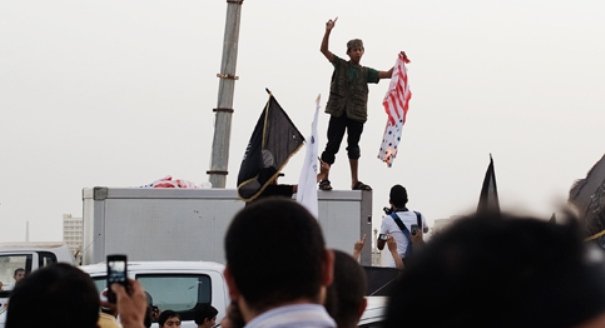
Periodic sparks of mutual discontent and clear frictions between Muslims and Christians are inevitable, and efforts should be made to ensure they are not fomented.
The “Innocence of Muslims” movie trailer elicited an agitated response in some corners of the Islamic world. Such intense emotions have reared up before: for instance, in 2004 when the creator of a short anti-Islamic film, Theo van Gogh, was murdered in the Netherlands, and in 2005 and 2006 when Western embassies were attacked after cartoons ridiculing the Prophet Muhammad were published in Europe. And Salman Rushdie was of course sentenced to death by Ayatollah Khomeini. So what has caused these violent reactions?
Broadly speaking, Muslims that participated in the violent protests may have done so because of latent envy and subsequent hatred of the West. Though it led the way in many areas, the Islamic world was overtaken by the West in terms of development, military might (Saudi Arabia, for instance, buys weapons from the United States, not the other way around), and living standards.Meanwhile, some Muslims believe in their unquestionable advantage in the spiritual and religious realms. Islam, in their opinion, is the perfect monotheistic religion. Moreover, Muslims generally hold that Muhammad is “the seal of the Prophets”—that is, the deliverer of God’s final messages. Islam is at times held up as providing the ideal governance and economic models, while some Muslims look to sharia law as the optimal method of social organization.
And with events like the movie trailer’s release, this framework of Islam and its prophet was publically insulted. Naturally for some, the response must be harsh, perhaps even fierce.
Of course, not all Muslims contributed to this response. While angered by the movie’s release, most Muslims did not treat it as an excuse for riots and murder, which is a cause for optimism. For instance, Russian adherents to Islam—barring a few exceptional cases in the North Caucasus—have generally had a reserved and even somewhat indifferent response to the provocative trailer.
However, some may judge Islam by the actions of radical hoodlums, which is a negative outcome. Similarly, this could fuel the beliefs of those who view Islam through the prism of religious terrorism. Interfaith dialogues and proclamations of Islam as a “religion of peace” do little to convince those people otherwise.
Europeans and Americans, as well as many Russians, consider the violent reaction to the scandalous trailer unacceptable. The contemporary Christian tradition can in some ways be more tolerant than the Islamic one and allow for greater freedom for self-expression.
There is no question the movie is provocative, and only irresponsible individuals could have made it. But it is still unclear why a non-Muslim cannot express strongly negative views of Islam in public without eliciting a violent response.
Radical actions fuel the idea that a clash of civilizations exists. Even if there is no such clash, periodic sparks of mutual discontent and clear frictions between religious traditions are very real. They are inevitable, and efforts should be made to ensure they are not fomented.
Carnegie does not take institutional positions on public policy issues; the views represented herein are those of the author(s) and do not necessarily reflect the views of Carnegie, its staff, or its trustees.
Fifteen years after the Arab uprisings, a new generation is mobilizing behind an inclusive growth model, and has the technical savvy to lead an economic transformation that works for all.
Jihad Azour
Baku may allow radical nationalists to publicly discuss “reunification” with Azeri Iranians, but the president and key officials prefer not to comment publicly on the protests in Iran.

Bashir Kitachaev
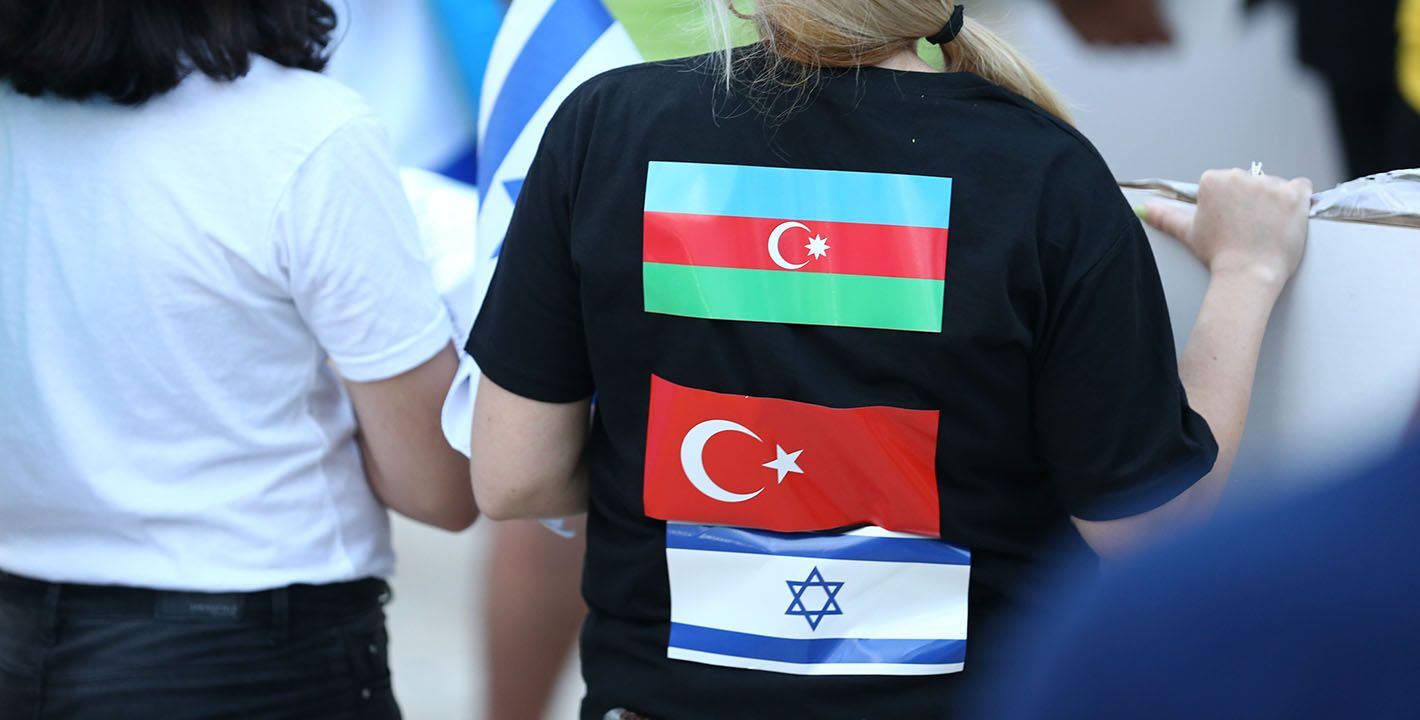
The country’s leadership is increasingly uneasy about multiple challenges from the Levant to the South Caucasus.
Armenak Tokmajyan
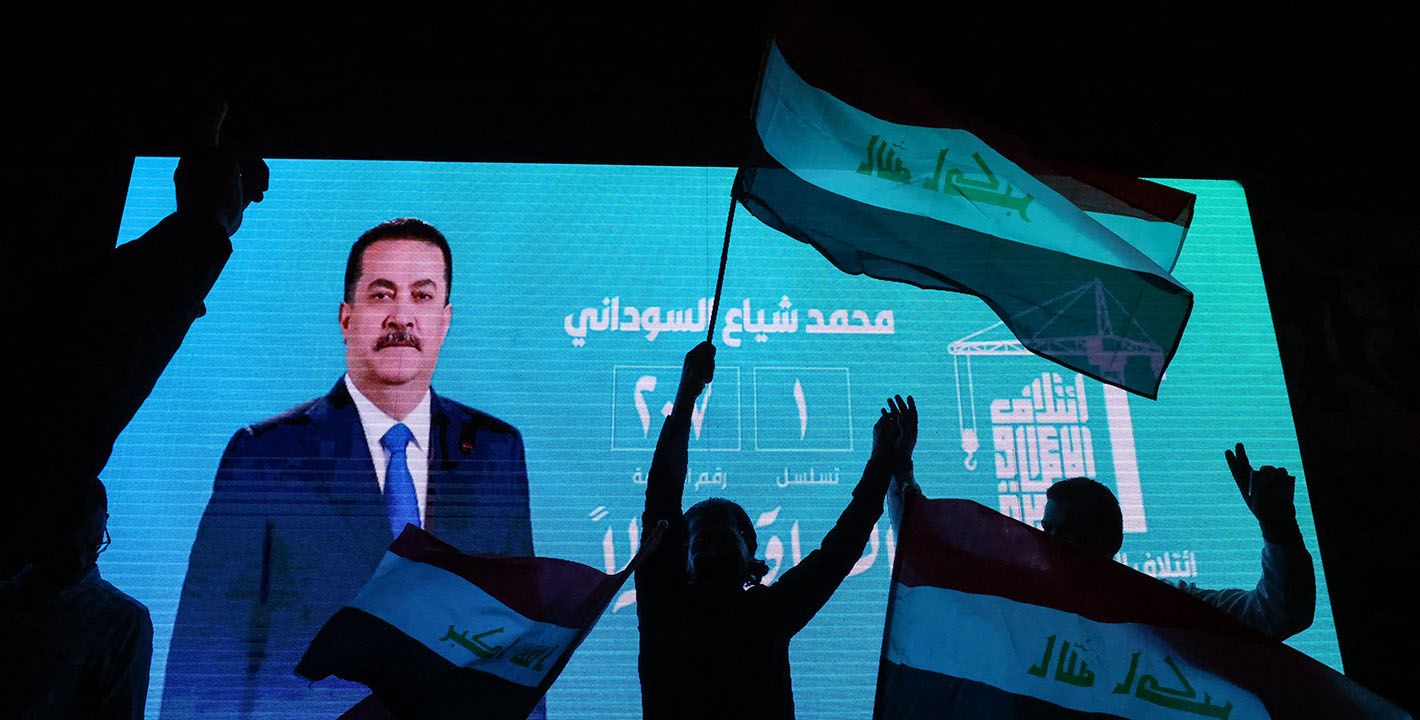
In an interview, Shahla al-Kli discusses the country’s parliamentary elections and what they reveal.
Rayyan Al-Shawaf
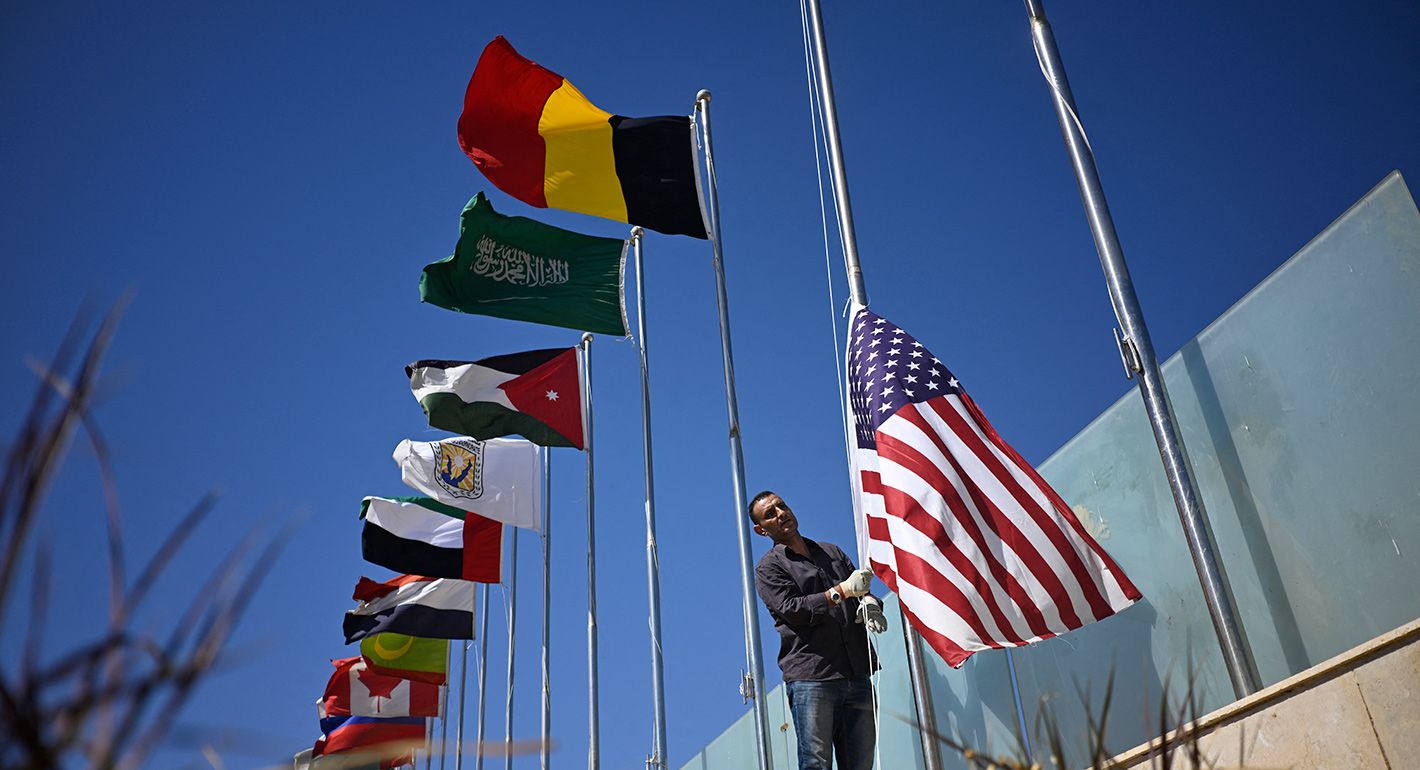
The countries of the region have engaged in sustained competition that has tested their capacities and limitations, while resisting domination by rivals. Can a more stable order emerge from this maelstrom, and what would it require?

Hamza Meddeb, Mohamed Ali Adraoui