

Commentary
Thomas de Waal
{
  "authors": [
    "Thomas de Waal"
  ],
  "type": "testimony",
  "centerAffiliationAll": "dc",
  "centers": [
    "Carnegie Endowment for International Peace",
    "Carnegie Europe"
  ],
  "collections": [],
  "englishNewsletterAll": "ctw",
  "nonEnglishNewsletterAll": "",
  "primaryCenter": "Carnegie Europe",
  "programAffiliation": "russia",
  "programs": [
    "Russia and Eurasia"
  ],
  "projects": [],
  "regions": [
    "Caucasus",
    "Azerbaijan",
    "Armenia",
    "Georgia"
  ],
  "topics": [
    "Political Reform"
  ]
}
Source: Getty
After twenty years of independence, the countries of the South Caucasus have yet to become truly democratic and pluralistic societies.
Source: U.S. Helsinki Commission
In a briefing at the U.S. Helsinki Commission, Carnegie’s Thomas de Waal commented on the upcoming elections and the state of democracy in the South Caucasus. The governments of Armenia, Azerbaijan, and Georgia, he argued, resemble the Russian model of “a one-party state with managed democracy.” He added that “Azerbaijan is the most authoritarian and Georgia the most democratic, with Armenia somewhere in between.” De Waal described elections as an important “health-check on the state of democracy in these countries” but also pointed to bigger problems in each country’s political culture.
Instead of focusing exclusively on elections, he suggested that “widening the whole political space” would help create more pluralistic societies. Given the “big gap between what happens in the capital and in the rest of the country,” different strategies for capital cities and provinces are necessary. Independent media remains underdeveloped and stifled, while state “media and in particular television, which is the overwhelmingly dominant medium of news coverage, shape the political narrative in favor of the governing administration,” de Waal concluded.

Senior Fellow, Carnegie Europe
De Waal is a senior fellow at Carnegie Europe, specializing in Eastern Europe and the Caucasus.
Recent Work
Thomas de Waal
Thomas de Waal, ed.
Carnegie does not take institutional positions on public policy issues; the views represented herein are those of the author(s) and do not necessarily reflect the views of Carnegie, its staff, or its trustees.
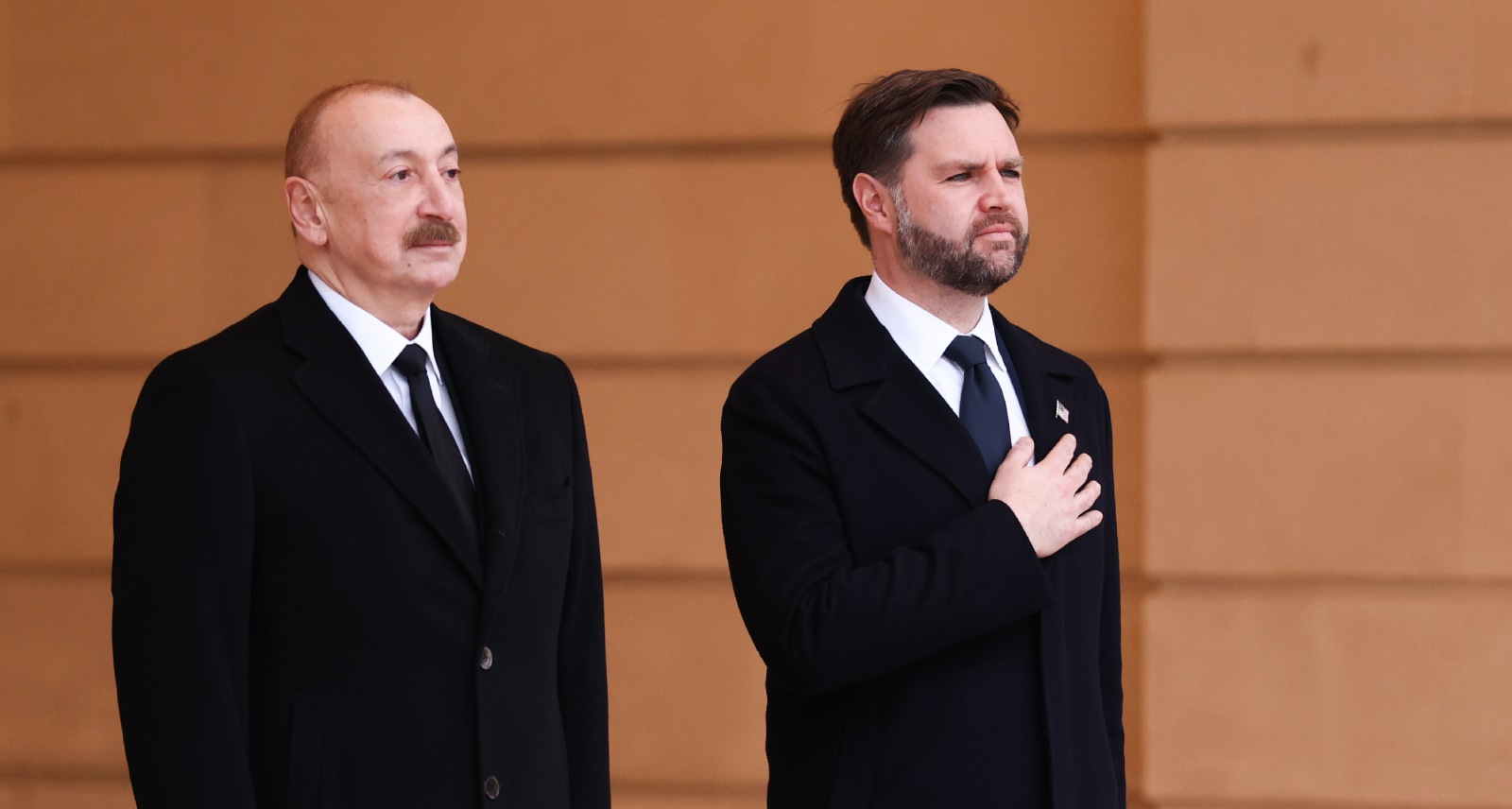
With the White House only interested in economic dealmaking, Georgia finds itself eclipsed by what Armenia and Azerbaijan can offer.

Bashir Kitachaev
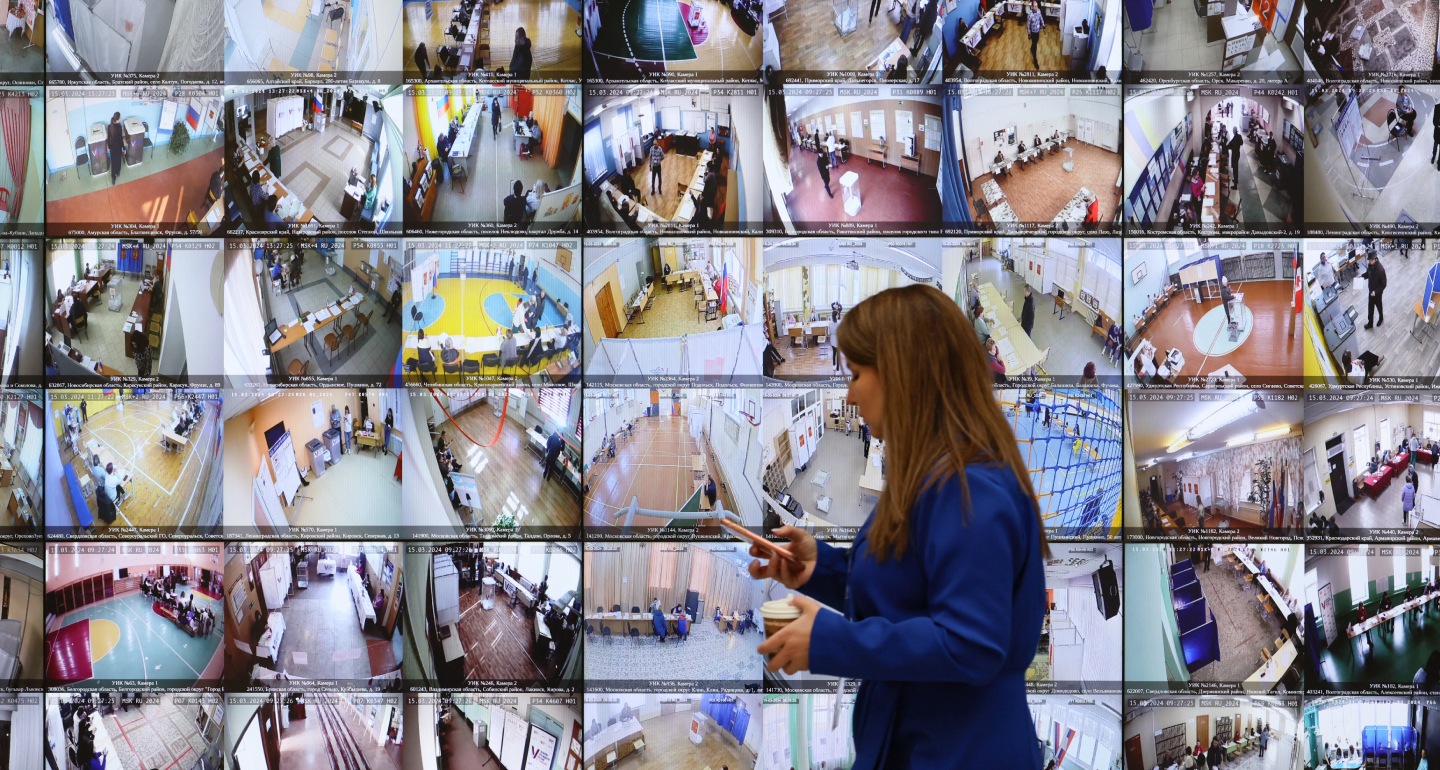
The use of technology to mobilize Russians to vote—a system tied to the relative material well-being of the electorate, its high dependence on the state, and a far-reaching system of digital control—is breaking down.

Andrey Pertsev
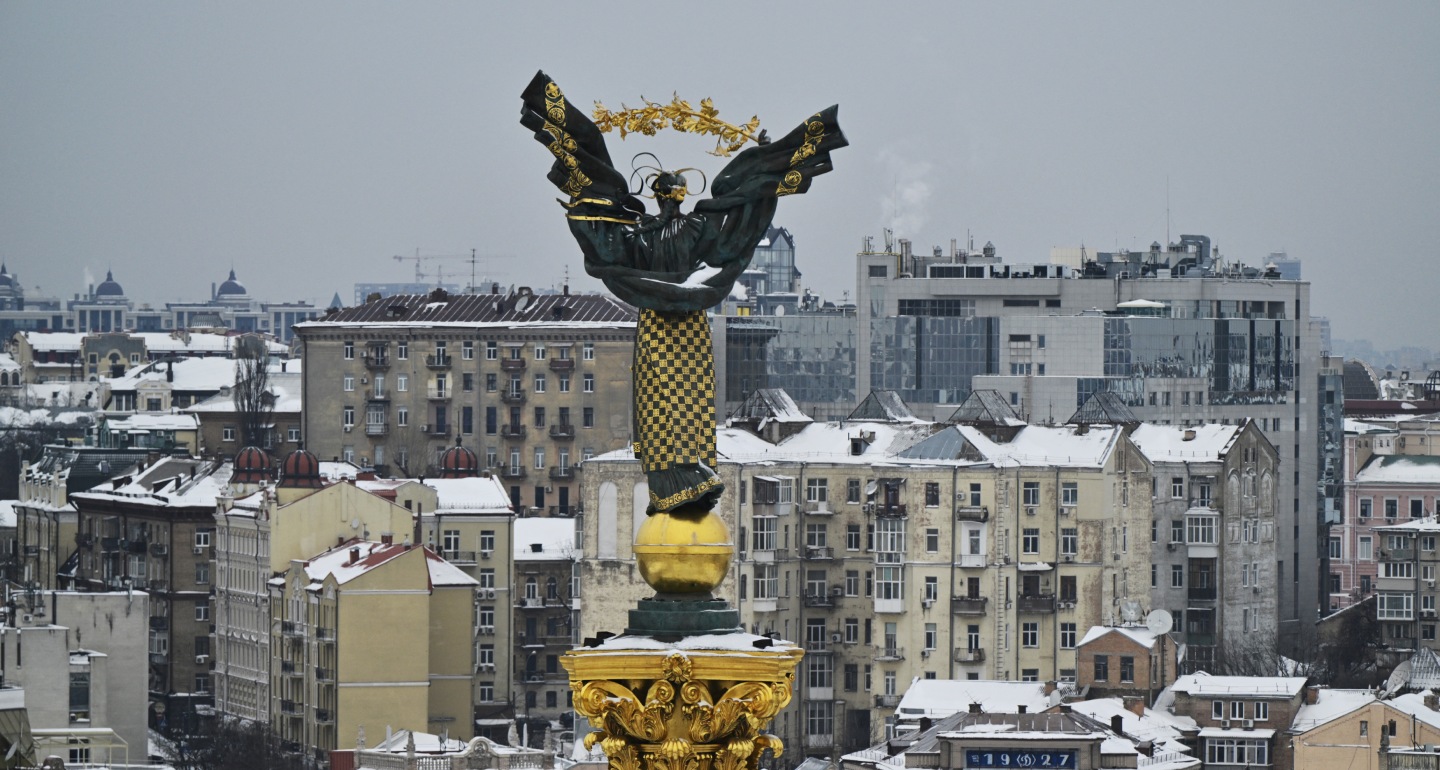
As discussions about settlement and elections move from speculation to preparation, Kyiv will have to manage not only the battlefield, but also the terms of political transition. The thaw will not resolve underlying tensions; it will only expose them more clearly.

Balázs Jarábik
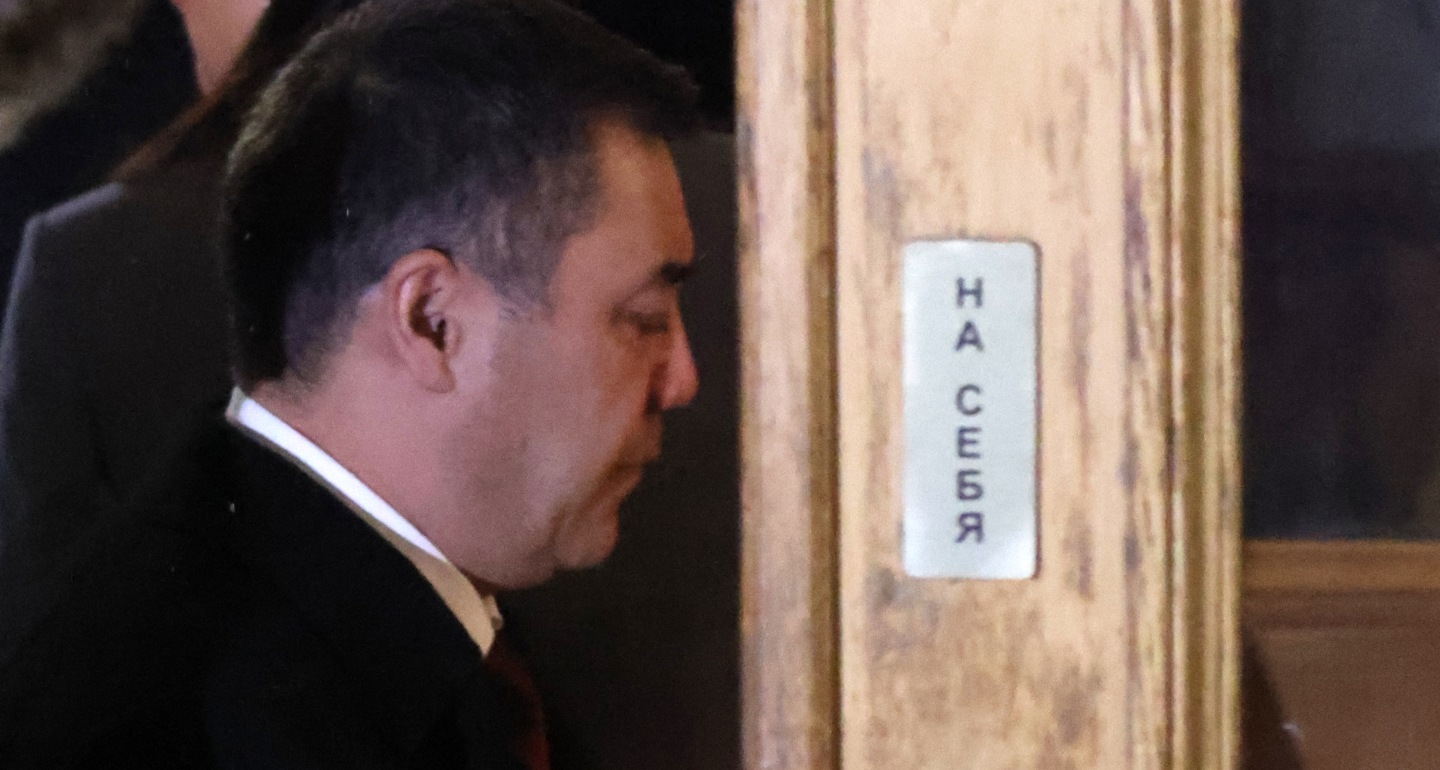
Despite its reputation as an island of democracy in Central Asia, Kyrgyzstan appears to be on the brink of becoming a personalist autocracy.

Temur Umarov
Having failed to build a team that he can fully trust or establish strong state institutions, Mirziyoyev has become reliant on his family.

Galiya Ibragimova