

Q&A
Raluca Csernatoni, Sinan Ülgen
{
  "authors": [
    "Sinan Ülgen"
  ],
  "type": "legacyinthemedia",
  "centerAffiliationAll": "",
  "centers": [
    "Carnegie Endowment for International Peace",
    "Carnegie Europe",
    "Malcolm H. Kerr Carnegie Middle East Center"
  ],
  "collections": [
    "Turkey’s Transformation",
    "Europe’s Southern Neighborhood"
  ],
  "englishNewsletterAll": "",
  "nonEnglishNewsletterAll": "",
  "primaryCenter": "Carnegie Europe",
  "programAffiliation": "",
  "programs": [],
  "projects": [],
  "regions": [
    "Middle East",
    "Europe",
    "Türkiye",
    "Levant",
    "Syria"
  ],
  "topics": [
    "Security",
    "Military"
  ]
}
Source: Getty
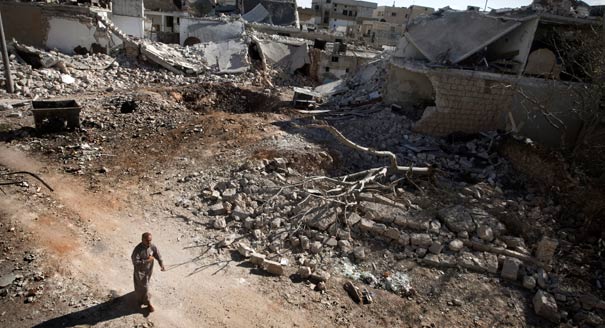
There are serious concerns in Ankara that Turkey’s security could be put at risk by a U.S.-led strike that is too limited in scope.
Source: CNN GPS
Democracy can get in the way of a good war in the Middle East, a reality underscored by the diminishing U.S. public support for intervention in Syria. But the ongoing discussions in Washington over how to respond to Syria’s alleged use of chemical weapons aren’t just being watched closely in Washington and Damascus. In Turkey – Syria’s neighbor and in the vanguard of the struggle against the al-Assad regime – the outcome of deliberations on an attack are critical. Indeed, while the West looks increasingly wary of military action, there are serious concerns in Ankara that Turkey’s security could be put at risk by a U.S.-led strike that is too limited in scope.
Turkey has diligently defended the idea of regime change in Syria prior to the alleged chemical weapons attack. Having rightfully desisted from a unilateral intervention, Turkey has focused its efforts on strengthening the opposition.

Senior Fellow, Carnegie Europe
Sinan Ülgen is a senior fellow at Carnegie Europe in Brussels, where his research focuses on Turkish foreign policy, transatlantic relations, international trade, economic security, and digital policy.
Recent Work

Raluca Csernatoni, Sinan Ülgen
Catherine Hoeffler, Sinan Ülgen
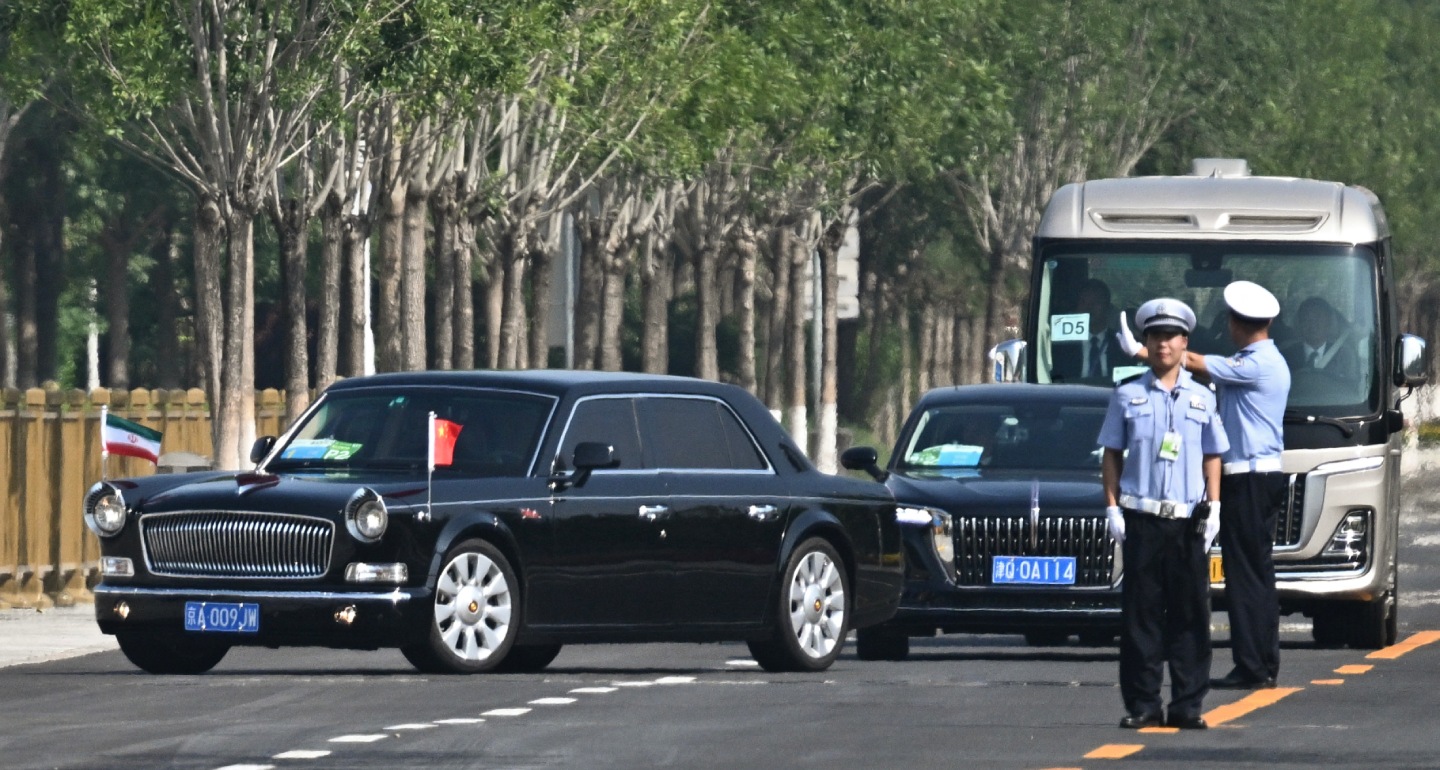
Most of Moscow’s military resources are tied up in Ukraine, while Beijing’s foreign policy prioritizes economic ties and avoids direct conflict.


Alexander Gabuev, Temur Umarov
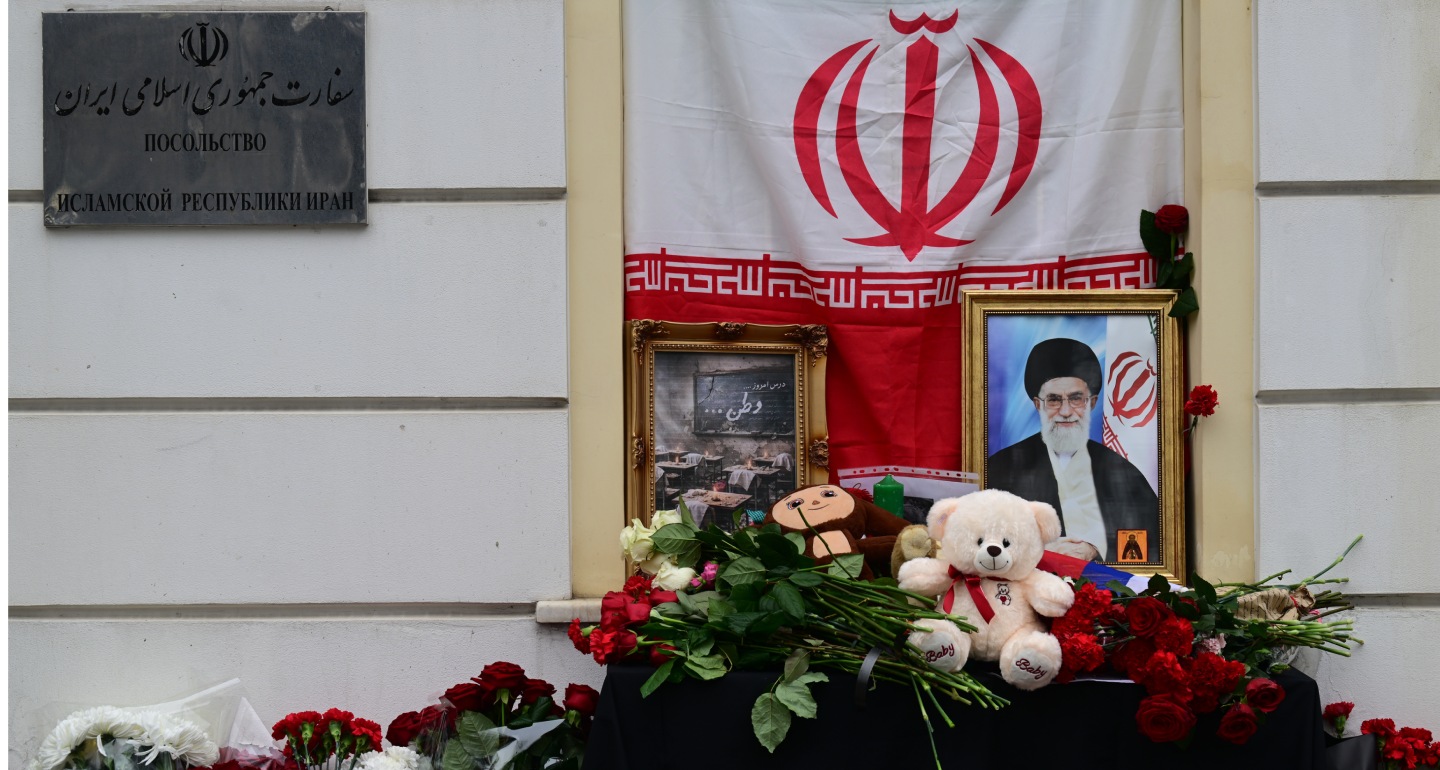
If the regime in Tehran survives, it could be obliged to hand Moscow significant political influence in exchange for supplies of weapons and humanitarian aid.

Nikita Smagin
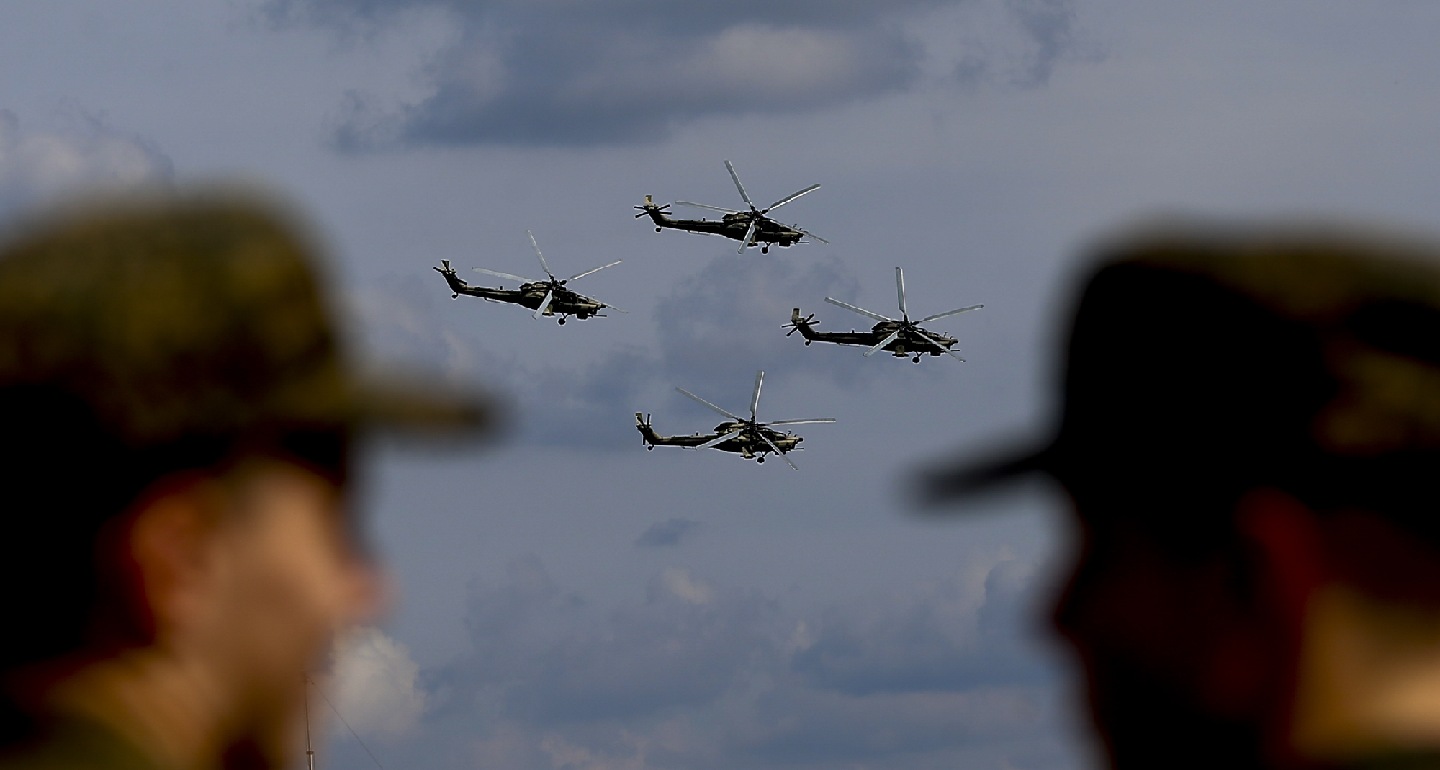
Arms supplies from Russia to Iran will not only continue, but could grow significantly if Russia gets the opportunity.
Nikita Smagin
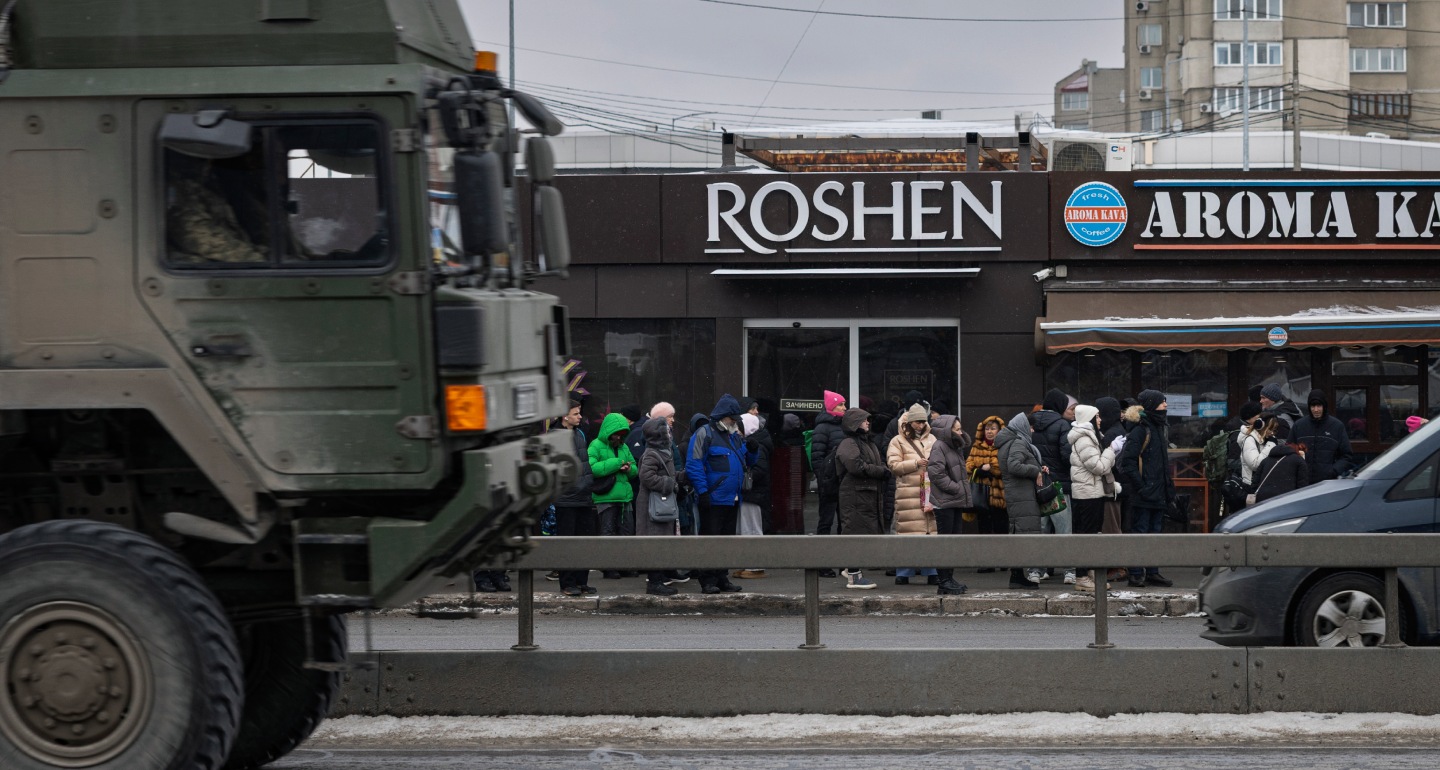
Putin is stalling, waiting for a breakthrough on the front lines or a grand bargain in which Trump will give him something more than Ukraine in exchange for concessions on Ukraine. And if that doesn’t happen, the conflict could be expanded beyond Ukraine.
Alexander Baunov
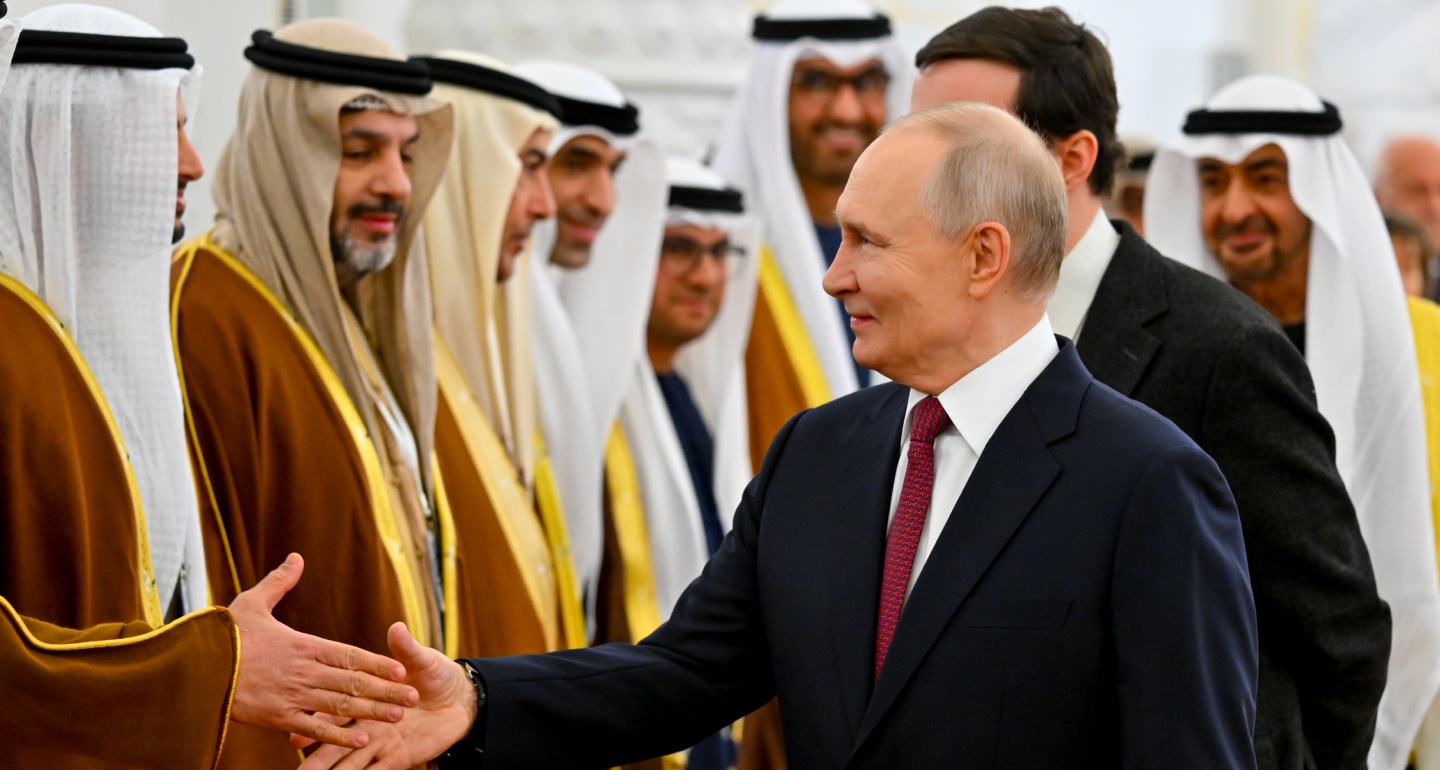
Disillusioned with the West over Gaza, Arab countries are not only trading more with Russia; they are also more willing to criticize Kyiv.
Ruslan Suleymanov