

{
  "authors": [
    "Vitaly Khinenzon",
    "Martha Brill Olcott"
  ],
  "type": "event",
  "centerAffiliationAll": "dc",
  "centers": [
    "Carnegie Endowment for International Peace"
  ],
  "collections": [],
  "englishNewsletterAll": "ctw",
  "nonEnglishNewsletterAll": "",
  "primaryCenter": "Carnegie Endowment for International Peace",
  "programAffiliation": "russia",
  "programs": [
    "Russia and Eurasia"
  ],
  "projects": [],
  "regions": [
    "North America",
    "United States",
    "Central Asia",
    "Kazakhstan",
    "Kyrgyz Republic",
    "Tajikistan",
    "Turkmenistan",
    "Uzbekistan",
    "Caucasus",
    "Russia"
  ],
  "topics": [
    "Political Reform",
    "Economy",
    "Climate Change"
  ]
}
Renewable Energy in Remote Communities: Helping to Address Central Asia's Social Problems
Tue, November 24th, 2009
Washington, D.C.
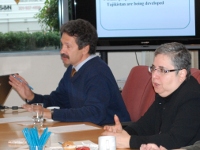
IMGXYZ1455IMGZYXDifficulties in managing the shared Aral Sea water basin have created water and energy shortages throughout Central Asia. These cripple the most fragile economies in the region (Kyrgyzstan and Tajikistan) and hamper education, as most schools lack electricity during daylight hours for six to seven months of the school year. In an effort to alleviate this problem in a way that furthers cross-border cooperation, the Carnegie Endowment for International Peace, working with Central Asia’s Eco-Energy Alliance, launched the Central Asia Renewable Energy and Remote Education Project in 2008. Dr. Vitaly V. Khinenzon, Chief Engineer for the project, joined Carnegie’s Martha Brill Olcott to offer an update on its progress.
- The project is providing remote villages with access to the global community, as the classrooms remain open at night to serve as an Internet-Cafe, as well as eventually as an adult training center. Email and especially voice over internet will provide an inexpensive way for labor migrants to keep in touch with those left behind. Sale of time on the Internet, both in the café and by serving as a local Internet provider for other businesses and homes, will enable the project to be economically sustainable.
- The project is providing user-friendly teaching materials on the use of renewable energy, including how to design systems for domestic use.
- The communities will be shown how to inexpensively provide clean water for domestic use using renewable energy.
- As the project expands, it hopes to ameliorate ethnic tensions by serving schools in border areas. By doing so, the project fosters regional cooperation serving as a regional confidence builder.
Carnegie does not take institutional positions on public policy issues; the views represented herein are those of the author(s) and do not necessarily reflect the views of Carnegie, its staff, or its trustees.
Event Speakers
Vitaly Khinenzon
Former Senior Associate, Russia and Eurasia Program and, Co-director, al-Farabi Carnegie Program on Central Asia
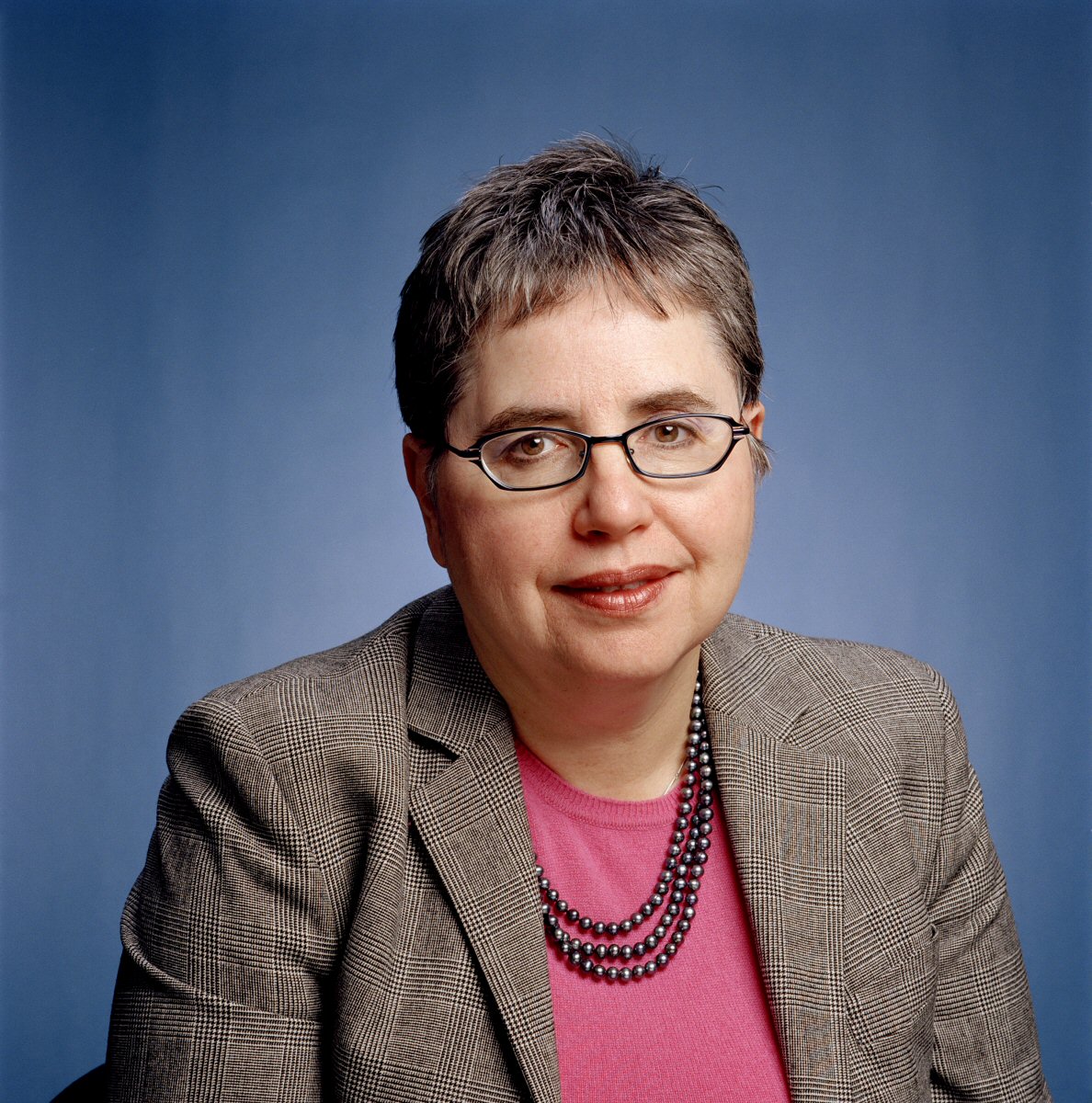
Olcott is professor emerita at Colgate University, having taught political science there from 1974 to 2002. Prior to her work at the endowment, Olcott served as a special consultant to former secretary of state Lawrence Eagleburger.