

In The Media
Michele Dunne, Robert Kagan
{
  "authors": [
    "Robert Kagan"
  ],
  "type": "legacyinthemedia",
  "centerAffiliationAll": "",
  "centers": [
    "Carnegie Endowment for International Peace"
  ],
  "collections": [],
  "englishNewsletterAll": "",
  "nonEnglishNewsletterAll": "",
  "primaryCenter": "Carnegie Endowment for International Peace",
  "programAffiliation": "",
  "programs": [],
  "projects": [],
  "regions": [],
  "topics": [
    "Foreign Policy",
    "Nuclear Policy"
  ]
}
REQUIRED IMAGE
Source: Carnegie
Reprinted with permission of the New York Times, January 30, 1998
Saddam Hussein must go. This imperative may seem too simple for some experts and too daunting for the Clinton Administration. But if the United States is committed, as the President said in his State of the Union Message, to insuring that the Iraqi leader never again uses weapons of mass destruction, the only way to achieve that goal is to remove Mr. Hussein and his regime from power. Any policy short of that will fail.
The good news is this: The Administration has abandoned efforts to win over the Iraqi leader with various carrots. It is clear that Mr. Hussein wants his weapons of mass destruction more than he wants oil revenue or relief for hungry Iraqi children. Now the Administration is reportedly planning military action - a three- or four-day bombing campaign against Iraqi weapons sites and other strategic targets. But the bad news is that this too will fail. In fact, when the dust settles, we may be in worse shape than we are today.
Think about what the world will look like the day after the bombing ends. Mr. Hussein will still be in power - if five weeks of heavy bombing in 1991 failed to knock him out, five days of bombing won’t either. Can the air attacks insure that he will never be able to use weapons of mass destruction again? The answer, unfortunately, is no. Even our smart bombs cannot reliably hit and destroy every weapons and storage site in Iraq, for the simple reason that we do not know where all the sites are. After the bombing stops, Mr. Hussein will still be able to manufacture weapons of mass destruction. Pentagon officials admit this.
What will President Clinton do then? Administration officials talk of further punitive measures, like declaring a no-fly zone over all of Iraq, or even more bombing. But the fact is that the United States will have shot its bolt. Mr. Hussein will have proved the futility of American air power. The United Nations inspection regime will have collapsed; American diplomacy will be in disarray. Those who opposed military action all along - the Russians, French and Chinese - will demand the lifting of sanctions, and Mr. Hussein will be out of his box, free to terrorize our allies and threaten our interests.
Mr. Hussein has obviously thought through this scenario, and he likes his chances. That is why he provoked the present crisis, fully aware that it could lead to American bombing strikes. He has survived them before, and he is confident he can survive them again. They will not succeed in forcing him to abandon his efforts to obtain weapons of mass destruction. The only way to remove the threat of those weapons is to remove him, and that means using air power and ground forces, and finishing the task left undone in 1991.
We can do this job. Mr. Hussein’s army is much weaker than before the Persian Gulf war. He has no political support beyond his own bodyguards and generals. An effective military campaign combined with a political strategy to support the broad opposition forces in Iraq could well bring his regime down faster than many imagine. And Iraq’s Arab neighbors are more likely to support a military effort to remove him than an ineffectual bombing raid that leaves a dangerous man in power.
Does the United States really have to bear this burden? Yes. Unless we act, Saddam Hussein will prevail, the Middle East will be destabilized, other aggressors around the world will follow his example, and American soldiers will have to pay a far heavier price when the international peace sustained by American leadership begins to collapse.
If Mr. Clinton is serious about protecting us and our allies from Iraqi biological and chemical weapons, he will order ground forces to the gulf. Four heavy divisions and two airborne divisions are available for deployment. The President should act, and Congress should support him in the only policy that can succeed.
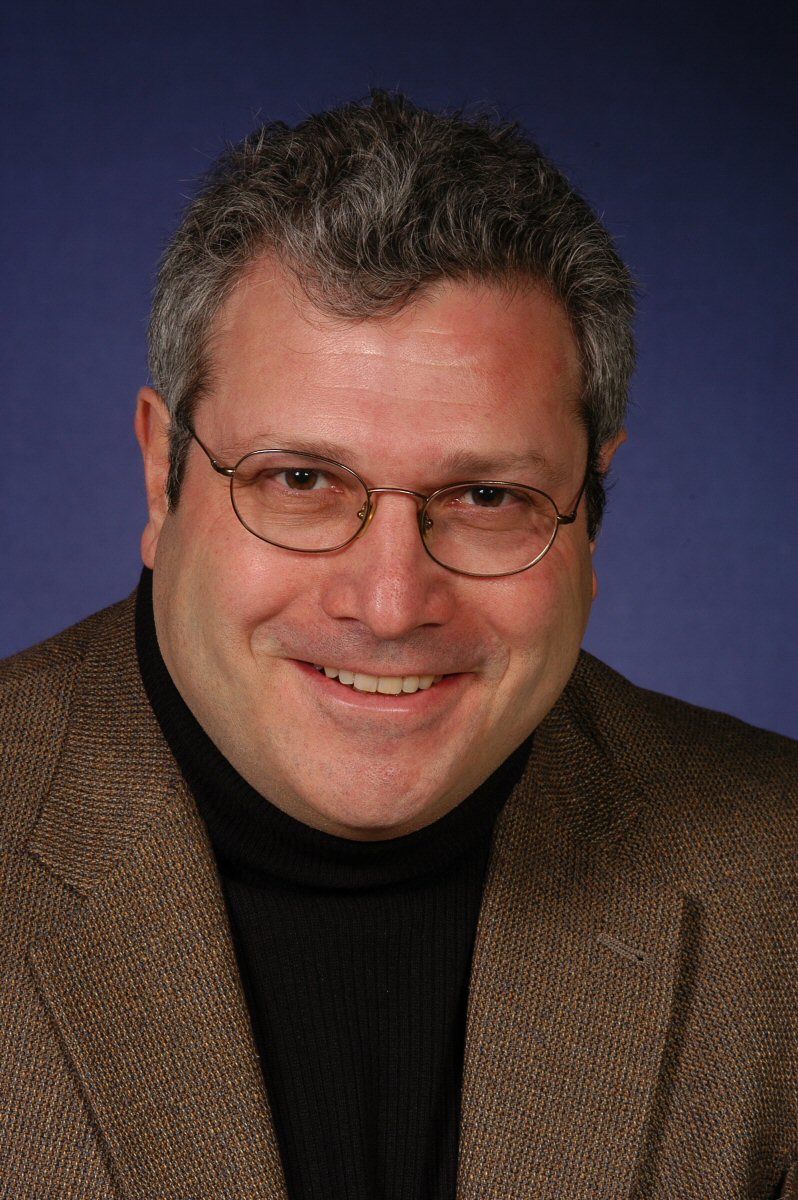
Former Senior Associate
Kagan, author of the recent book, The Return of History and the End of Dreams (Knopf 2008), writes a monthly column on world affairs for the Washington Post and is a contributing editor at both the Weekly Standard and the New Republic.
Recent Work

Michele Dunne, Robert Kagan
Robert Kagan, Michele Dunne
Carnegie does not take institutional positions on public policy issues; the views represented herein are those of the author(s) and do not necessarily reflect the views of Carnegie, its staff, or its trustees.

European Commission President Ursula von der Leyen is about to give her annual address on the state of the EU. Here’s what she won’t—but should—say.

Rym Momtaz

The aftermath of the Ceuta crisis shows Europe has drawn the wrong lessons. Rather than doubling down on failed migration policies, the EU needs to address the underlying roots of such episodes.

Richard Youngs

Canadian Prime Minister Mark Carney has twice inspired praise for standing up to U.S. President Donald Trump: at the 2026 World Economic Forum in Davos and on Canada-U.S. trade negotiations. Is Carney showing a third way better than the EU has in dealing with the Trump administration?
Rym Momtaz, ed.

The EU’s responses to two recent incidents expose the gulf between European perceptions and capabilities. Unless the union can bridge that gap, it will never become a real geostrategic power.
Rym Momtaz

European states control several Overseas Countries and Territories around the world that carry strategic, economic, and environmental weight. As great powers challenge the rules-based order, defending them is a geopolitical imperative for Europe.

Marc Pierini