

Commentary
As Russia's war on Ukraine drags on, NATO is expanding its footprint in the Black Sea. Turkey, Romania, and Bulgaria are upgrading their fleets and deepening trilateral cooperation.
Dimitar Bechev
{
  "authors": [],
  "type": "legacyinthemedia",
  "centerAffiliationAll": "dc",
  "centers": [
    "Carnegie Endowment for International Peace"
  ],
  "collections": [],
  "englishNewsletterAll": "ctw",
  "nonEnglishNewsletterAll": "",
  "primaryCenter": "Carnegie Endowment for International Peace",
  "programAffiliation": "NPP",
  "programs": [
    "Nuclear Policy"
  ],
  "projects": [],
  "regions": [],
  "topics": [
    "Military",
    "Nuclear Policy"
  ]
}
REQUIRED IMAGE
Source: Carnegie
Defense News, Vol. 14, No. 27, July 12, 1999
North Korean preparations for a possible launch of the Taepo Dong II, an intermediate range ballistic missile capable of reaching the parts of the United States, pose far-reaching repercussions if reports are true.
A dangerous network is emerging among Iran, Pakistan and North Korea involving the transfer of ballistic missile technology and even complete missiles from North Korea. In exchange, Pyongyang receives much needed oil, foreign currency and a variety of items with questionable end uses.
The outcome has not only been the proliferation of ballistic missiles amongst
rogue nations but the undermining of any collective action undertaken by the
West against North Korea's recalcitrant regime.
The Iran-North Korea partnership was forged first during the Iran-Iraq war in the early 1980's. Without the capability to strike back at Baghdad, Iran realized a need to obtain a ballistic missile capability. In North Korea, they found a supplier desperately in need of foreign currency.
Iran began its involvement with North Korea by heavily financing its Scud reengineering program in the early eighties. A program which not only developed an indigenous manufacturing capability but also enhanced the range and payload of the original Soviet era Scuds. In return, Iran received 100 Scud-B missiles in 1987-88, 100 Scud-C missiles in 1992 and the infrastructure necessary to assemble more missiles.
As North Korea began to develop new, more effective missiles, Iran's interests resurfaced. In an interview with a US Treasury agent the Japanese magazine SAPIO reported in April 1996 that Iran transferred sophisticated counterfeiting equipment used to produce $100 bills in exchange for the North Korean No Dong and the, at the time untested, Taepo Dong missile.
Furthermore, Iranian delegations have been visiting the reclusive nation throughout the nineties. Their interests lie solely with North Korea's missile programs, an interest difficult to hide considering their presence at the August 1998 testing of the Taepo Dong missile was well documented.
Iran, until the July 22, 1998 test of the Shahab-3 missile, did not have the indigenous production capability to produce a missile with a range greater than that of the Scud-C's 500km. Even though the test flight failed to reach its maximum range, it may have helped Iran more than doubled its missile range capability a technological leap that surprised Western analysts.
Judging by the size, shape and performance, the technology behind the Shahab-3 could have derived from the North Korean No Dong missile. The 1998 Commission to Assess the Ballistic Missile Threat to the United States, known as the Rumsfeld Commission, suggested that Iran made payments for No Dong missile technology by shipping oil to the North Koreans.
The Pakistan-North Korea link began in the late eighties at a time when India was making some progress with its Prithvi and Agni missile programs. The Department of Defense speculated in its 1997 Proliferation: Threat and Response that Pakistan ended its effort to develop a two stage Hatf-2 missile and began to look internationally for a counter to the looming threat posed by Indian missile development.
Lahore's affections first turned to China. In 1991 Pakistan received 30+ complete Chinese M-11 missiles. At the same time Pakistan was nurturing its relations with North Korea. According to Jane's Intelligence Review, June 1998, Pakistani representatives were present in North Korea for the No Dong's first flight test in May 1993.
Later that year, Benazir Bhutto, then Pakistan's Prime Minister, "secretly visited North Korea to secure No Dong technology" according to the report. Pakistan's intentions for the information became clear after the April 6, 1998 launch of the Ghauri, which, similarly to the Shahab-3, bore a striking resemblance in size, shape and performance to the No Dong.
The remarkable physical similarities among the No Dong, Ghauri and Shahab-3 missiles have raised some questions about their origins. Conclusions from available data point to the emergence of an underground network of missile proliferators.
Over the past few months tensions have escalated to critical levels on the Korean Peninsula.
The emergence of a North Korean proliferation network has further complicated the situation by providing a one-stop-shop for the supply of long-range missile hardware and know-how; arming states with the ballistic missile wild card that North Korea has played so well to date.
Although there is no immediate danger to the United States, in the longer term, the emergence of new underground proliferation networks may force the international community to face rogue nations brandishing weapons capable of threatening all four-corners of the globe.
Denis Dragovic researches Third World ballistic missile issues for the Non-Proliferation Project at the Carnegie Endowment for International Peace.
Carnegie does not take institutional positions on public policy issues; the views represented herein are those of the author(s) and do not necessarily reflect the views of Carnegie, its staff, or its trustees.
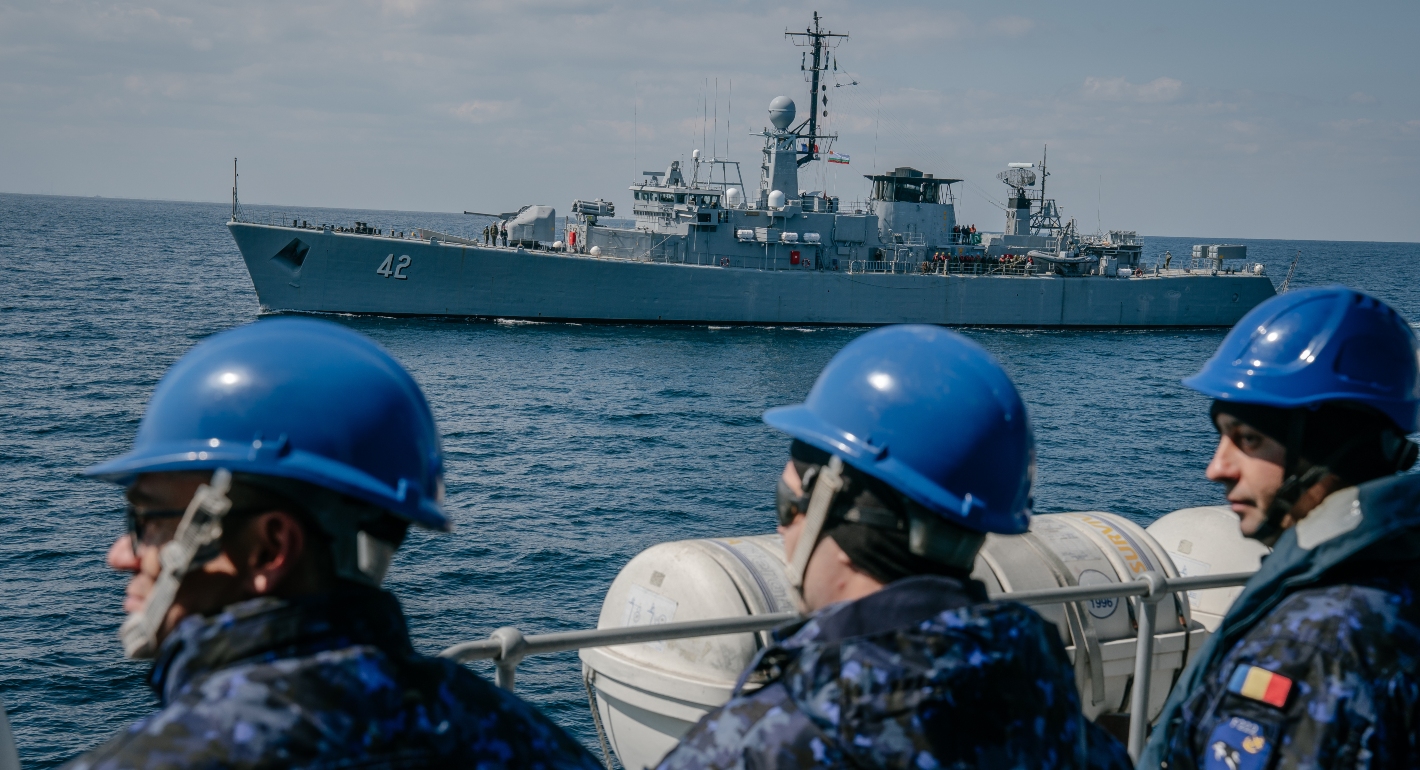
As Russia's war on Ukraine drags on, NATO is expanding its footprint in the Black Sea. Turkey, Romania, and Bulgaria are upgrading their fleets and deepening trilateral cooperation.

Dimitar Bechev
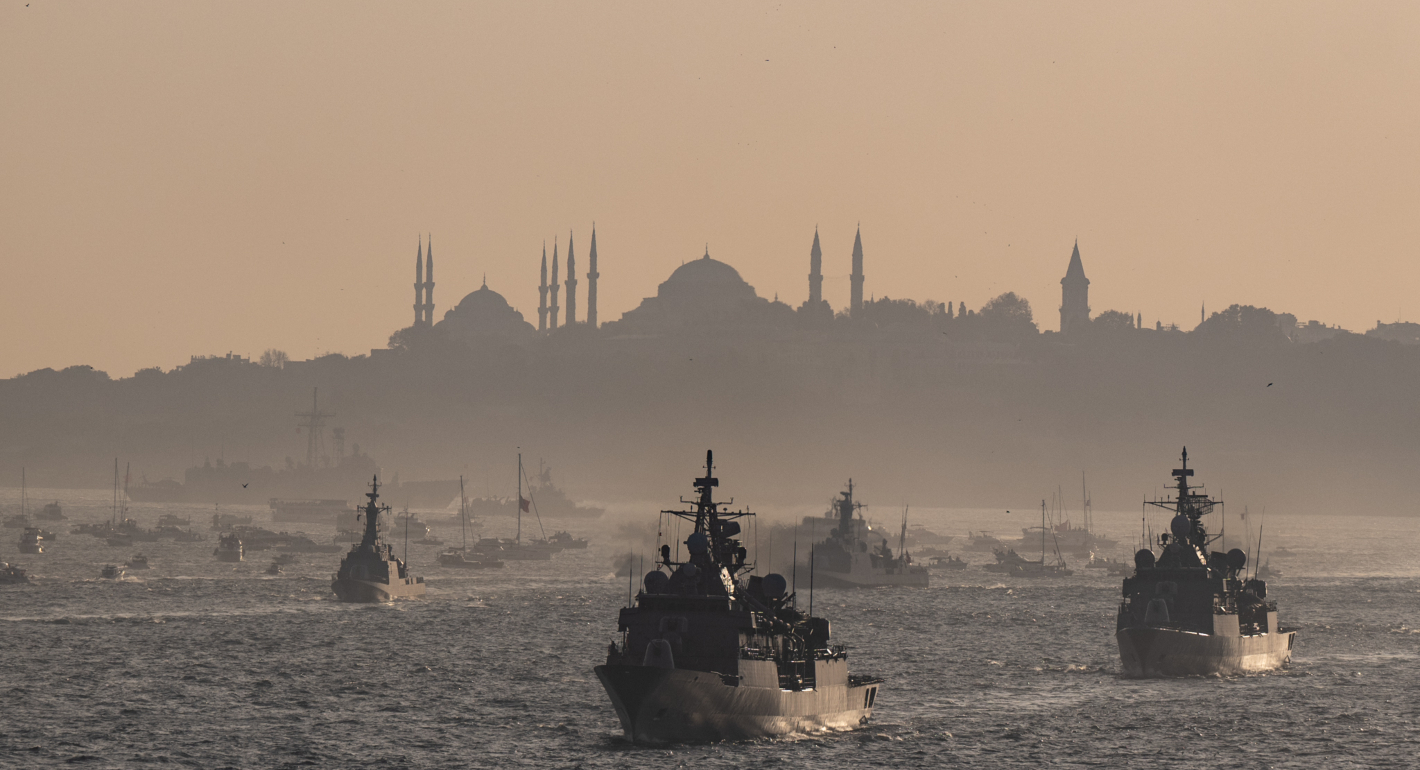
For ninety years, Turkey has been positioned as the principal gatekeeper of Black Sea security. As a result, European and NATO efforts to support Ukraine will require closer engagement with Ankara.

Thomas de Waal
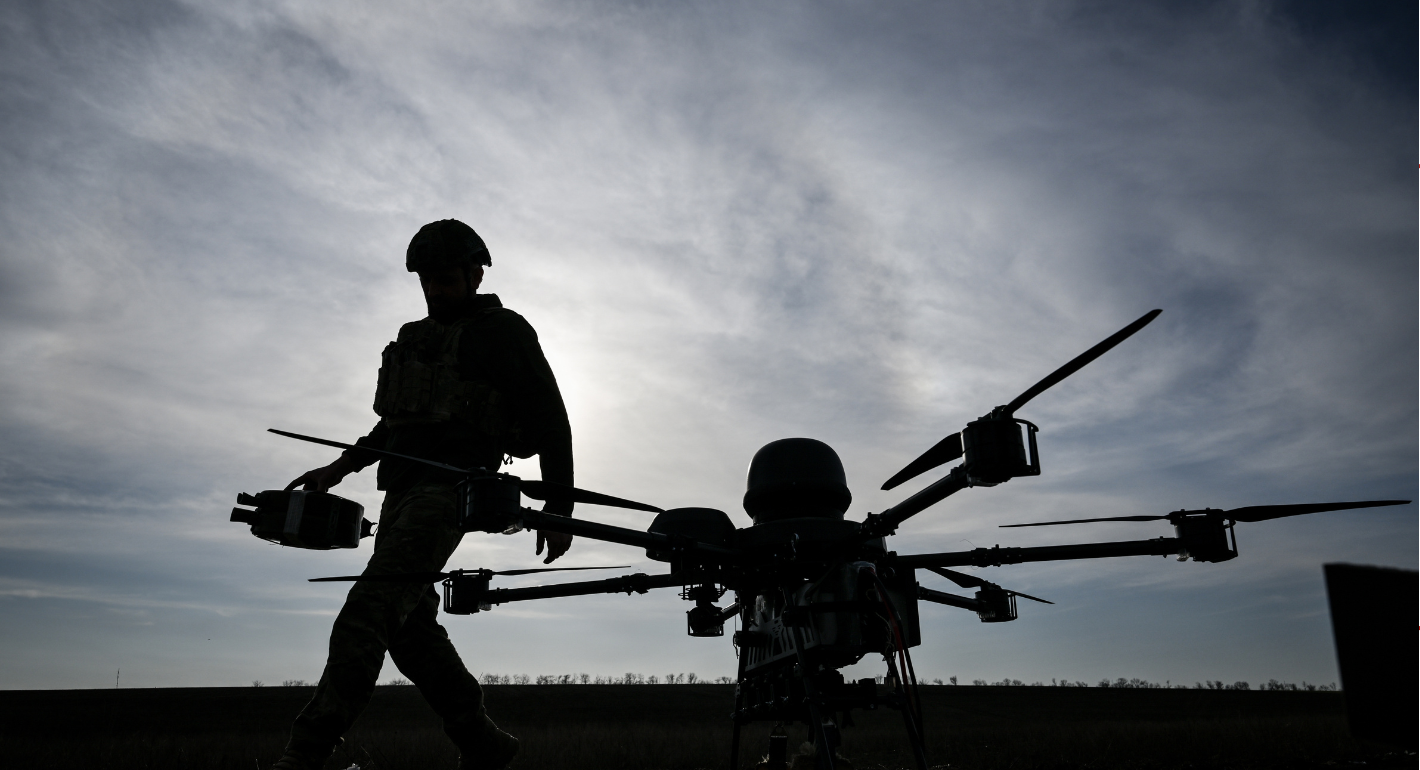
Defense tech innovations will be at the heart of Europe’s new security strategy. But so far, Brussels has been making moves without a broader plan, undermining readiness and credibility.

Raluca Csernatoni

When the U.S.-Iran memorandum of understanding was announced, the UK, France, Germany, and Italy declared their readiness to help demine the Strait of Hormuz and lift nuclear sanctions on Tehran. But does Europe need new tools to recover a diplomatic role?

Rym Momtaz, ed.
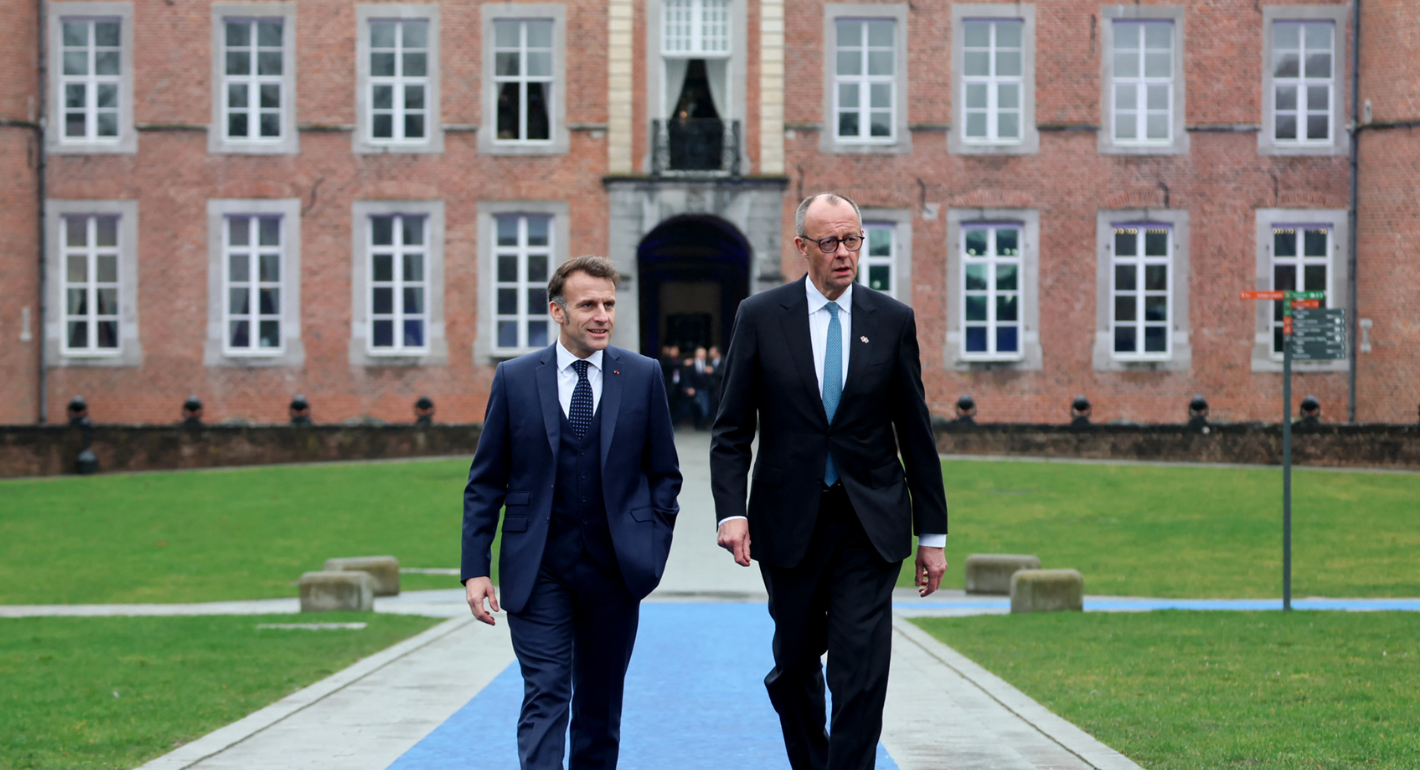
The Franco-German relationship is on the rocks again. But unlike previous moments of tension, the epochal changes on the world stage require that both step up investment in their bilateral ties.
Rym Momtaz